All Categories
Get a Quote

Get a Free Quote

Our representative will contact you soon.
Email
Name
Company Name
Message
0/1000

Get a Free Quote

Our representative will contact you soon.
Email
Name
Company Name
Message
0/1000

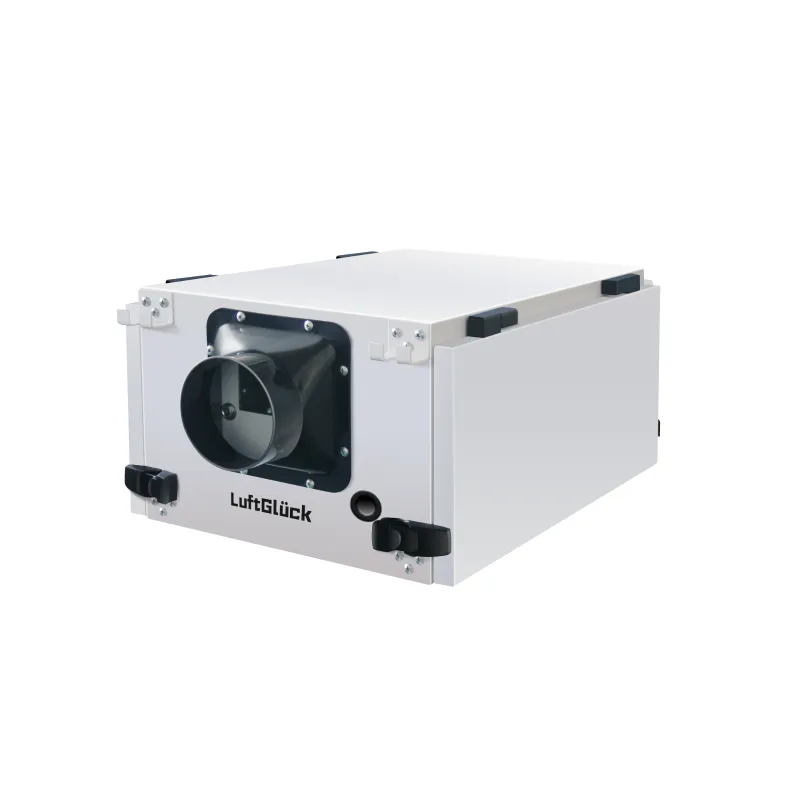
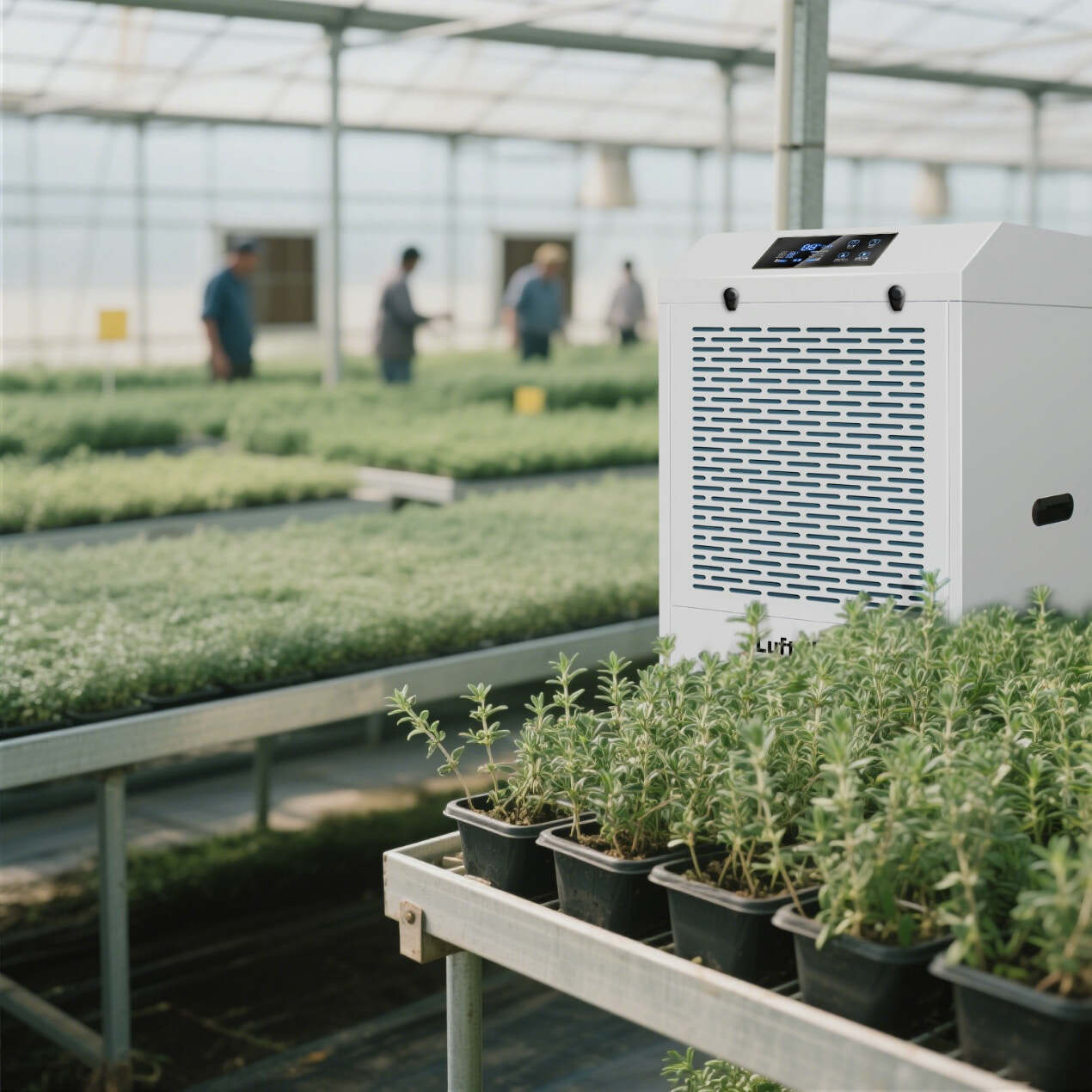
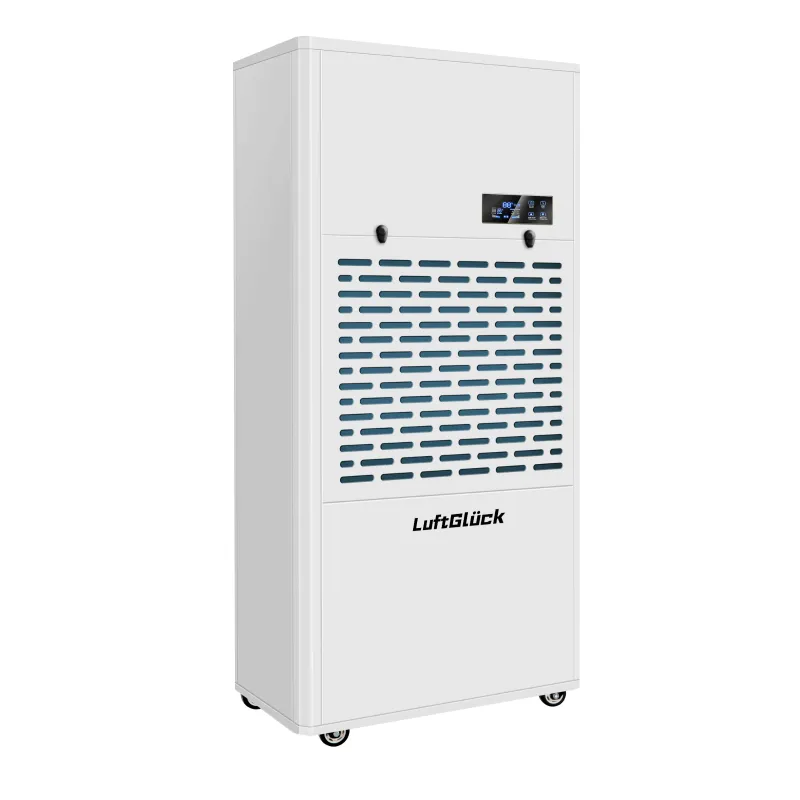
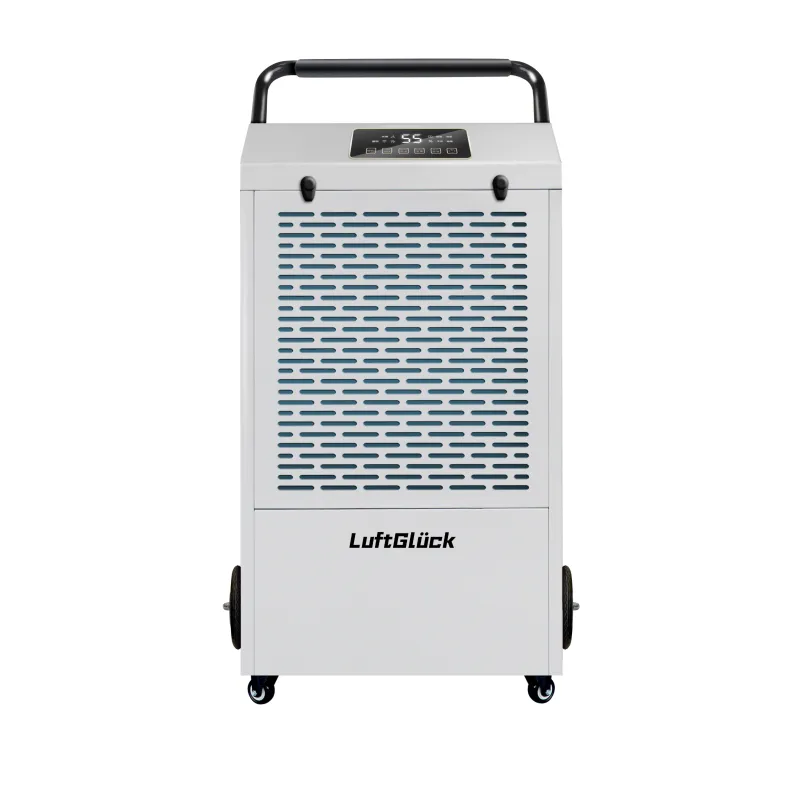
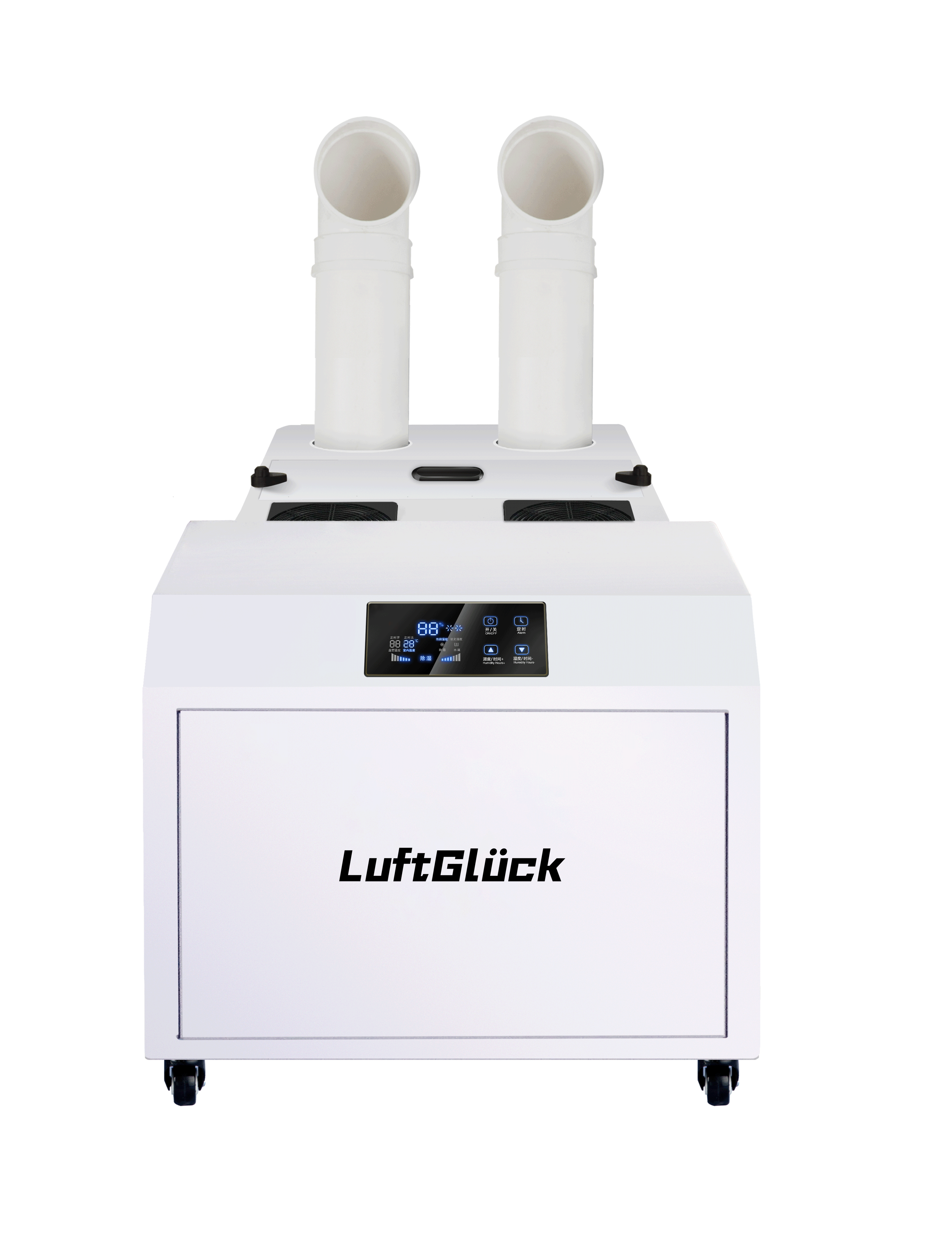
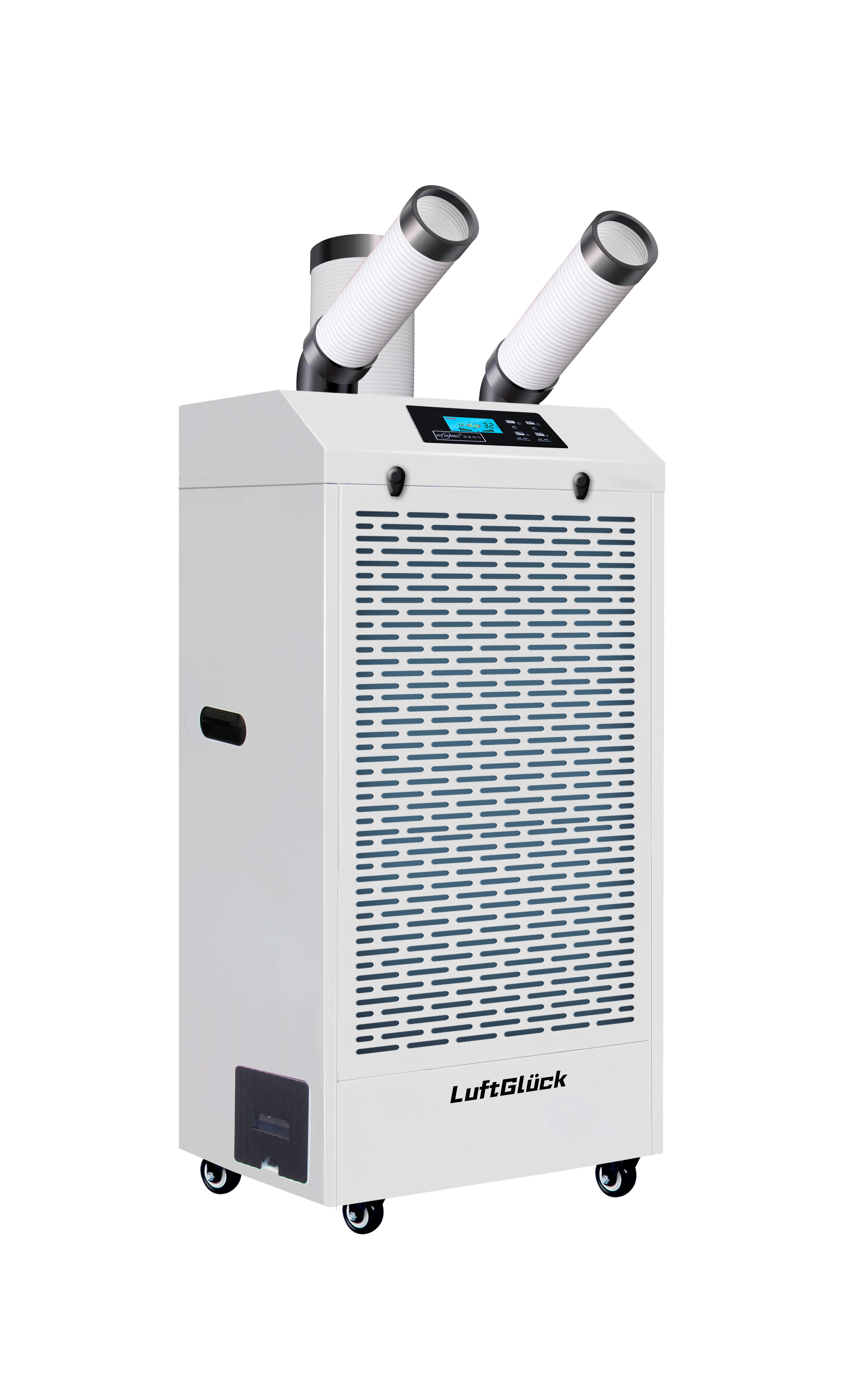
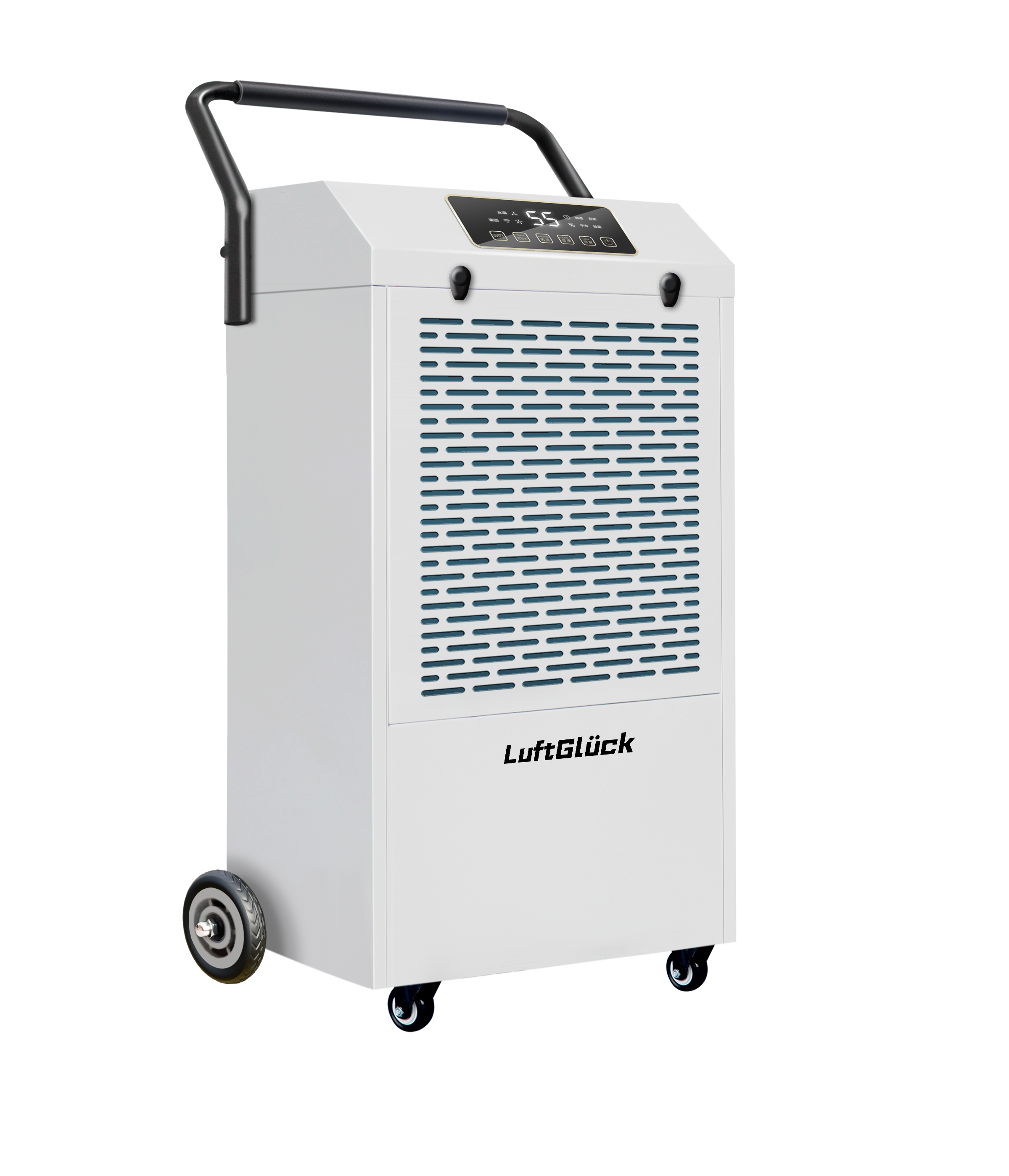
dehumidification in plant cultivation

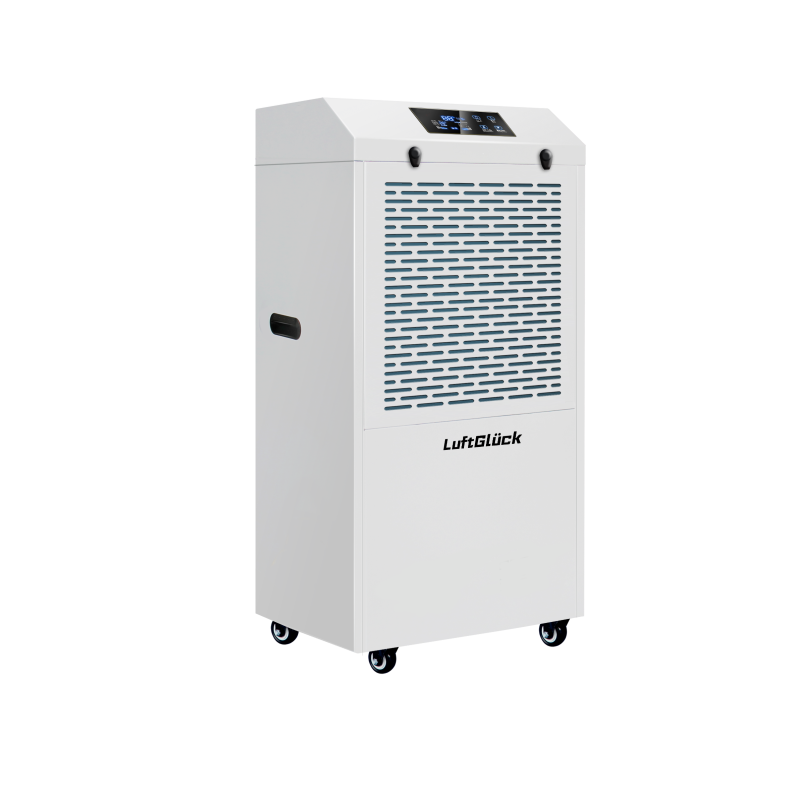
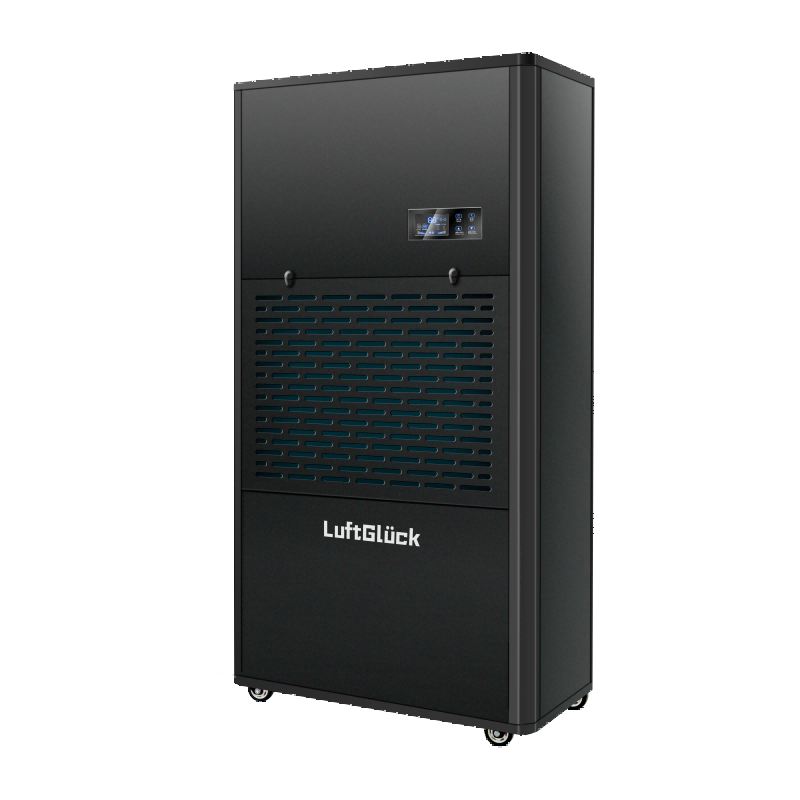
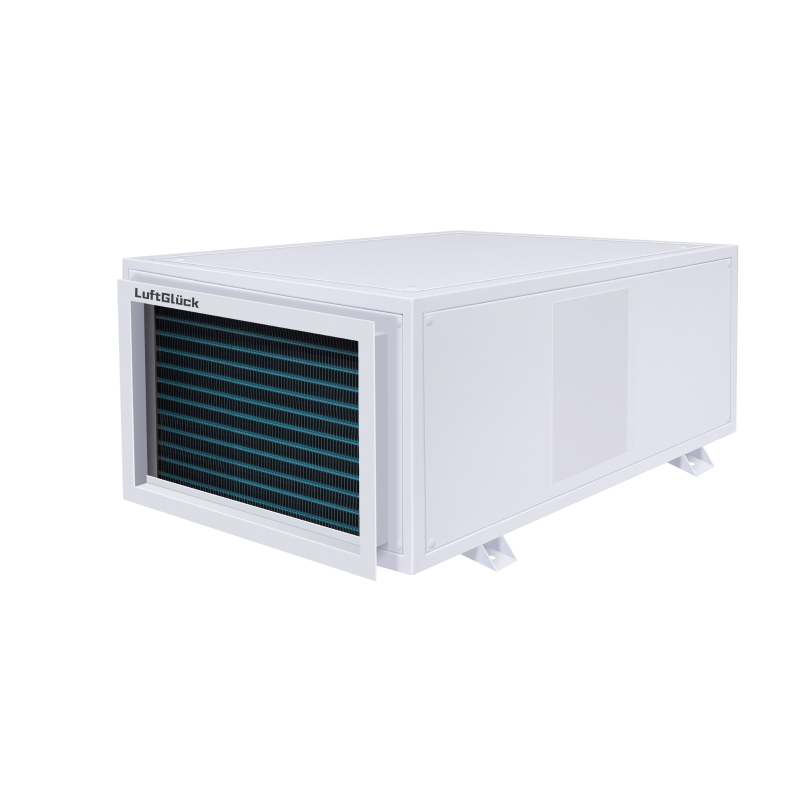
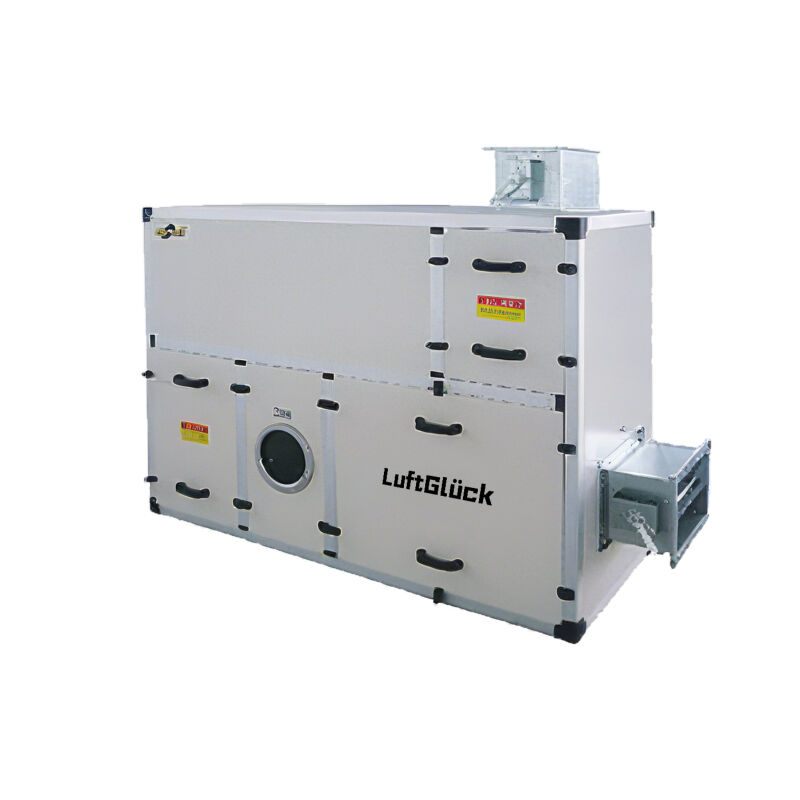
Dehumidification in plant cultivation represents a crucial aspect of modern agricultural technology, playing a vital role in maintaining optimal growing conditions. This process involves controlling moisture levels within growing environments to prevent excessive humidity that can harm plant health and development. Advanced dehumidification systems utilize sophisticated sensors and control mechanisms to monitor and adjust humidity levels automatically, ensuring plants receive ideal atmospheric conditions throughout their growth cycle. These systems work by extracting excess moisture from the air, preventing the formation of condensation and reducing the risk of fungal diseases, mold growth, and other moisture-related problems. The technology incorporates energy-efficient components, including refrigeration systems, desiccant wheels, or condensation-based mechanisms, each designed to maintain specific humidity ranges based on plant requirements. In commercial greenhouse operations, dehumidification systems often integrate with climate control systems, creating a comprehensive environmental management solution. The process also helps regulate transpiration rates, nutrient uptake, and overall plant metabolism, contributing to healthier growth and increased crop yields. Modern dehumidification systems can be programmed to maintain different humidity levels during day and night cycles, adapting to natural plant processes and environmental changes.


New Products

Dehumidification in plant cultivation offers numerous significant advantages that directly impact crop quality and operational efficiency. First and foremost, proper humidity control significantly reduces the risk of fungal diseases and pest infestations, leading to healthier plants and reduced need for chemical treatments. This technology enables growers to maintain consistent growing conditions throughout the year, regardless of external weather conditions, resulting in more predictable harvest schedules and better crop planning. The system's ability to prevent condensation on leaves and flowers helps maintain optimal photosynthesis rates and prevents water-spotted produce, enhancing both yield quantity and quality. Energy efficiency is another key benefit, as modern dehumidification systems often incorporate heat recovery features, utilizing extracted moisture energy to heat other areas or processes. These systems also contribute to better air circulation, which promotes stronger plant development and more uniform growth throughout the growing area. From an operational perspective, controlled humidity levels extend equipment lifespan by preventing rust and corrosion, reducing maintenance costs and downtime. The technology allows for precise control over the growing environment, enabling cultivation of sensitive plant varieties that require specific humidity ranges. Additionally, proper dehumidification helps optimize fertilizer efficiency by preventing nutrient lockout caused by excessive moisture, leading to more cost-effective resource utilization and improved plant nutrition.

Practical Tips

 How Does an Industrial Dehumidifier Improve Product Storage Conditions?

26

Dec

How Does an Industrial Dehumidifier Improve Product Storage Conditions?

Optimizing Storage Environments Through Moisture Control Industrial dehumidifiers play a critical role in maintaining ideal storage conditions for a wide range of products, from pharmaceuticals to bulk food items. These powerful systems regulate hum...
View More
Why Are Energy-Efficient Models Gaining Popularity in Industrial Settings?

26

Dec

Why Are Energy-Efficient Models Gaining Popularity in Industrial Settings?

The Push Toward Smarter Resource Use in Modern Industries Rising Operational Costs Demand Better Efficiency Industries across the globe are facing rising operational costs due to increasing energy prices, raw material scarcity, and tighter environme...
View More
How Does a Commercial Dehumidifier Improve Air Quality in Large Spaces?

26

Dec

How Does a Commercial Dehumidifier Improve Air Quality in Large Spaces?

Understanding the Impact of Industrial-Grade Dehumidification on Indoor Environments Large indoor spaces present unique challenges when it comes to maintaining optimal air quality. A commercial dehumidifier serves as a powerful solution for controlli...
View More
How Much Energy Can You Save with an Energy Efficient Dehumidifier?

26

Dec

How Much Energy Can You Save with an Energy Efficient Dehumidifier?

Understanding the Impact of Modern Dehumidifier Technology on Energy Consumption The rising cost of energy and growing environmental consciousness have made homeowners increasingly aware of their appliances' energy consumption. Among these appliances...
View More

Get a Free Quote

Our representative will contact you soon.
Email
Name
Company Name
Message
0/1000

dehumidification in plant cultivation

Advanced Climate Control Integration

Advanced Climate Control Integration

The integration of dehumidification systems with broader climate control mechanisms represents a significant advancement in plant cultivation technology. These integrated systems utilize sophisticated algorithms and sensor networks to create a harmonious growing environment. The technology continuously monitors multiple environmental parameters, including temperature, humidity, CO2 levels, and air movement, adjusting dehumidification operations in real-time to maintain optimal conditions. This integration enables growers to implement complex environmental recipes for different growth stages, maximizing plant development potential. The system's ability to coordinate multiple climate control functions results in more efficient energy usage and reduced operational costs, while ensuring consistent growing conditions throughout the facility.
Disease Prevention and Plant Health Management

Disease Prevention and Plant Health Management

Effective dehumidification serves as a crucial tool in preventing plant diseases and maintaining overall crop health. By controlling humidity levels, these systems significantly reduce the conditions that promote fungal growth, bacterial proliferation, and pest infestations. The technology creates an environment where pathogenic organisms struggle to establish themselves, naturally protecting plants without relying heavily on chemical treatments. This approach not only results in healthier plants but also supports sustainable and organic growing practices. The system's ability to maintain consistent moisture levels helps prevent stress-related plant diseases and disorders, leading to stronger, more resilient crops and reduced crop losses.
Resource Optimization and Sustainability

Resource Optimization and Sustainability

Modern dehumidification systems in plant cultivation exemplify resource optimization and sustainable growing practices. These systems recover and recycle water extracted from the air, reducing overall water consumption and supporting water conservation efforts. The technology's energy-efficient design incorporates heat recovery mechanisms, utilizing extracted heat energy to maintain optimal growing temperatures, thereby reducing heating costs. Advanced models feature variable speed components that adjust operation based on actual demand, minimizing energy consumption during periods of lower humidity. This efficiency not only reduces operational costs but also decreases the environmental impact of cultivation facilities, aligning with sustainable agriculture practices.
dehumidification in plant cultivation-0
dehumidification in plant cultivation-1

Get a Free Quote

Our representative will contact you soon.
Email
Name
Company Name
Message
0/1000

Get a Free Quote

Our representative will contact you soon.
Email
Name
Company Name
Message
0/1000