
 EN
EN
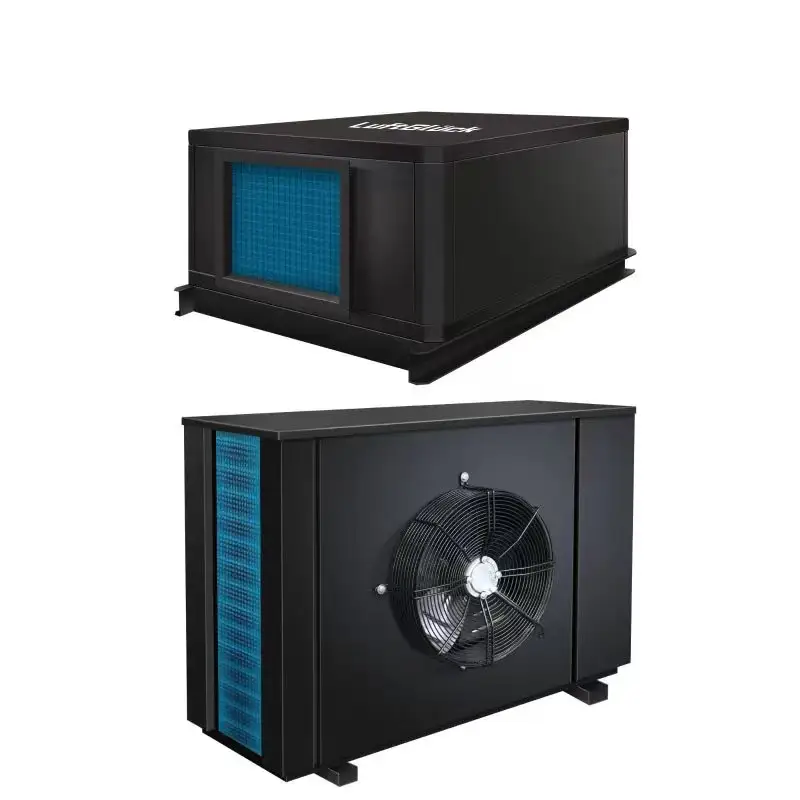
प्रयोगशाला के वातावरण में सटीक पर्यावरणीय स्थितियों की आवश्यकता होती है ताकि परीक्षण परिणामों की सटीकता सुनिश्चित हो सके, संवेदनशील उपकरणों की सुरक्षा हो सके और नमूनों की अखंडता बनी रह सके। तापमान और आर्द्रता में उतार-चढ़ाव प्रयोगात्मक परिणामों को गंभीर रूप से प्रभावित कर सकता है, डेटा की विश्वसनीयता को कमजोर कर सकता है, और महंगे उपकरण विफलता का कारण बन सकता है। एक निरंतर तापमान और आर्द्रता मशीन प्रयोगशाला जलवायु नियंत्रण का मूल स्तंभ के रूप में कार्य करता है, जो वैज्ञानिक अनुसंधान, गुणवत्ता नियंत्रण परीक्षण और विनियामक अनुपालन के लिए आवश्यक स्थिर परिस्थितियां प्रदान करता है।
फार्मास्यूटिकल, जैव प्रौद्योगिकी, इलेक्ट्रॉनिक्स और सामग्री परीक्षण उद्योगों में आधुनिक प्रयोगशालाएं नियंत्रित पर्यावरणीय स्थितियों पर भारी हद तक निर्भर करती हैं। उचित जलवायु नियंत्रण प्रणालियों के बिना, प्रयोगशालाओं को अपने संचालन को समझौता करने वाली कई चुनौतियों का सामना करना पड़ता है। पर्यावरणीय नियंत्रण उपकरणों की महत्वपूर्ण भूमिका को समझने से प्रयोगशाला प्रबंधकों को अपनी सुविधा बुनियादी ढांचे और संचालन आवश्यकताओं के बारे में जागरूक निर्णय लेने में मदद मिलती है।
प्रयोगशाला संचालन के लिए महत्वपूर्ण पर्यावरणीय आवश्यकताएं
तापमान नियंत्रण मानक
प्रयोगशाला के तापमान आवश्यकताएँ उपयोग के विशिष्ट अनुप्रयोगों और संबद्ध परीक्षण प्रोटोकॉल के आधार पर काफी भिन्न होती हैं। अधिकांश विश्लेषणात्मक प्रयोगशालाएँ 18°C से 25°C के बीच तापमान बनाए रखती हैं, जिसमें ±2°C से अधिक की कोई भिन्नता नहीं होती। इस सख्त तापमान नियंत्रण से सामग्री के ऊष्मीय प्रसार और संकुचन को रोका जाता है, रासायनिक अभिक्रिया की दरों में स्थिरता सुनिश्चित होती है, और संतुलन, सूक्ष्मदर्शी और स्पेक्ट्रोमीटर जैसे परिशुद्धता उपकरणों की शुद्धता बनी रहती है।
फार्मास्यूटिकल प्रयोगशालाओं को अक्सर स्थिरता परीक्षण कक्षों और भंडारण क्षेत्रों के लिए और भी सख्त तापमान नियंत्रण की आवश्यकता होती है। इन सुविधाओं को ICH Q1A आवश्यकताओं जैसे विनियामक दिशानिर्देशों का पालन करना चाहिए, जो त्वरित और दीर्घकालिक स्थिरता अध्ययनों के लिए तापमान सीमा निर्दिष्ट करते हैं। निर्दिष्ट तापमान सीमा से विचलन स्थिरता डेटा के महीनों या वर्षों को अमान्य कर सकता है, जिसके परिणामस्वरूप महत्वपूर्ण वित्तीय नुकसान और विनियामक अनुपालन समस्याएँ हो सकती हैं।
आर्द्रता प्रबंधन प्रोटोकॉल
लैबोरेटरी के वातावरण में आपेक्षिक आर्द्रता नियंत्रण भी उतना ही महत्वपूर्ण है, जिसमें अधिकांश सुविधाएँ 30% से 60% RH के बीच के स्तर बनाए रखती हैं। अत्यधिक आर्द्रता संवेदनशील उपकरणों पर संघनन का कारण बन सकती है, सूक्ष्मजीवों के विकास को बढ़ावा दे सकती है, और आर्द्रता ग्राही सामग्री को प्रभावित कर सकती है। कम आर्द्रता की स्थिति स्थिर विद्युत उत्पन्न कर सकती है, इलेक्ट्रॉनिक घटकों को नुकसान पहुँचा सकती है, और जैविक अनुप्रयोगों में नमूनों के सूखने का कारण बन सकती है।
इलेक्ट्रॉनिक्स परीक्षण प्रयोगशालाओं को परीक्षण प्रक्रियाओं के दौरान संवेदनशील घटकों को नुकसान पहुँचा सकने वाली इलेक्ट्रोस्टैटिक डिस्चार्ज घटनाओं को रोकने के लिए विशेष रूप से कठोर आर्द्रता नियंत्रण की आवश्यकता होती है। एक स्थिर तापमान और आर्द्रता मशीन दैनिक तापमान चक्रों के दौरान स्थिर आर्द्रता स्तर सुनिश्चित करती है, जिससे संघनन के निर्माण को रोका जा सके जो परीक्षण परिणामों को खराब कर सकता है या महंगे उपकरणों को नुकसान पहुँचा सकता है।
उपकरण सुरक्षा और लंबी उम्र के लाभ
सटीक उपकरण संरक्षण
प्रयोगशाला उपकरण महत्वपूर्ण पूंजीगत निवेश के रूप में होते हैं, जिन्हें उनके प्रदर्शन को बनाए रखने और संचालन आयु को बढ़ाने के लिए उचित पर्यावरणीय सुरक्षा की आवश्यकता होती है। विश्लेषणात्मक तुलाएं, क्रोमैटोग्राफी प्रणालियां और स्पेक्ट्रोस्कोपिक उपकरणों में संवेदनशील यांत्रिक और इलेक्ट्रॉनिक घटक होते हैं जो पर्यावरणीय उतार-चढ़ाव के प्रति संवेदनशील होते हैं। तापमान में बदलाव महत्वपूर्ण घटकों में आकारीय परिवर्तन का कारण बन सकता है, जिससे कैलिब्रेशन की शुद्धता और मापन की पुनरावृत्ति प्रभावित होती है।
सूक्ष्मदर्शी और लेजर प्रणाली जैसे ऑप्टिकल उपकरण पर्यावरणीय परिवर्तनों के लिए विशेष रूप से संवेदनशील होते हैं। तापमान में उतार-चढ़ाव लेजर तरंगदैर्ध्य में थर्मल ड्रिफ्ट का कारण बन सकता है, सूक्ष्मदर्शी अनुप्रयोगों में फोकस स्थिरता को प्रभावित कर सकता है, और लेंस और दर्पणों के ऑप्टिकल गुणों में परिवर्तन कर सकता है। उचित जलवायु नियंत्रण प्रणाली इन समस्याओं को रोकती है जो स्थिर संचालन स्थितियों को बनाए रखकर उपकरण की परिशुद्धता को संरक्षित करती हैं और रखरखाव आवश्यकताओं को कम करती हैं।
इलेक्ट्रॉनिक घटक विश्वसनीयता
आधुनिक प्रयोगशाला उपकरण डेटा अधिग्रहण, प्रक्रिया नियंत्रण और उपयोगकर्ता इंटरफ़ेस के लिए अत्यधिक परिष्कृत इलेक्ट्रॉनिक प्रणालियों पर निर्भर करते हैं। ये इलेक्ट्रॉनिक घटक तापमान और आर्द्रता में परिवर्तन के प्रति संवेदनशील होते हैं, जिससे प्रदर्शन में अस्थिरता, जल्दबाज़ी से खराबी और अविश्वसनीय संचालन हो सकता है। उच्च आर्द्रता स्तर इलेक्ट्रॉनिक संपर्कों और सर्किट बोर्ड के क्षरण का कारण बन सकता है, जबकि कम आर्द्रता इलेक्ट्रोस्टैटिक डिस्चार्ज के कारण क्षति के जोखिम को बढ़ा देती है।
तापमान चक्र इलेक्ट्रॉनिक घटकों पर तापीय तनाव उत्पन्न करता है, विशेष रूप से सोल्डर जोड़ों और अर्धचालक उपकरणों पर। स्थिर पर्यावरणीय स्थितियों को बनाए रखकर निरंतर तापमान और आर्द्रता मशीन प्रणालियों के साथ, प्रयोगशालाएँ अपने उपकरणों के संचालन जीवन को काफी हद तक बढ़ा सकती हैं और पर्यावरण-संबंधित विफलताओं के कारण अप्रत्याशित बंदी को कम कर सकती हैं।
नमूना अखंडता और डेटा गुणवत्ता आश्वासन
जैविक नमूना संरक्षण
कोशिका संवर्धन, ऊतक नमूने और जैवरासायनिक परख के साथ काम करने वाली जैविक प्रयोगशालाओं को नमूनों की जीवनक्षमता बनाए रखने और संदूषण को रोकने के लिए सटीक पर्यावरणीय नियंत्रण की आवश्यकता होती है। तापमान में उतार-चढ़ाव एंजाइम गतिविधि को बदल सकता है, प्रोटीन स्थिरता को प्रभावित कर सकता है और कोशिका झिल्ली की अखंडता को नुकसान पहुंचा सकता है। आर्द्रता में बदलाव नमूनों के सूखने का कारण बन सकता है या सूक्ष्मजीव संदूषण के अनुकूल परिस्थितियां पैदा कर सकता है।
पीसीआर प्रवर्धन और डीएनए अनुक्रमण जैसे आण्विक जीव विज्ञान अनुप्रयोग पर्यावरणीय परिस्थितियों के प्रति विशेष रूप से संवेदनशील होते हैं। तापमान में बदलाव प्राइमर एनीलिंग दक्षता और पॉलीमरेज गतिविधि को प्रभावित कर सकता है, जिससे असंगत प्रवर्धन परिणाम निकल सकते हैं। आर्द्रता में उतार-चढ़ाव अभिक्रिया पात्रों से वाष्पीकरण का कारण बन सकता है, जिससे अभिकर्मक सांद्रता बदल जाती है और अभिक्रिया गतिविधि प्रभावित होती है।
रासायनिक और सामग्री परीक्षण की शुद्धता
पुन: उत्पादित परिणाम सुनिश्चित करने और विश्लेषणात्मक विधि मान्यीकरण आवश्यकताओं को पूरा करने के लिए रासायनिक विश्लेषण प्रयोगशालाओं को स्थिर पर्यावरणीय स्थितियों को बनाए रखना चाहिए। कई विश्लेषणात्मक प्रक्रियाएँ विधि प्रोटोकॉल के हिस्से के रूप में पर्यावरणीय स्थितियों को निर्दिष्ट करती हैं, और इनमें विचलन से विनिर्देश से बाहर के परिणाम और विफल गुणवत्ता नियंत्रण जाँच हो सकती है।
तापमान और आर्द्रता में भिन्नता से तन्यता सामर्थ्य माप, कठोरता परीक्षण और आयामीय विश्लेषण सहित सामग्री परीक्षण अनुप्रयोगों पर महत्वपूर्ण प्रभाव पड़ता है। बहुलक सामग्री भिन्न पर्यावरणीय स्थितियों के तहत भिन्न यांत्रिक गुण प्रदर्शित करती हैं, जबकि आर्द्रताग्राही सामग्री नमी को अवशोषित या मुक्त कर सकती है, जिससे उनके भौतिक गुण और परीक्षण परिणाम प्रभावित होते हैं।
विनियामक अनुपालन और गुणवत्ता मानक
अंतर्राष्ट्रीय मानकों का पालन
आईएसओ 17025 जैसी प्रयोगशाला प्रमाणन संस्थाएँ सुविधाओं से उनकी परीक्षण गतिविधियों के अनुरूप पर्यावरणीय नियंत्रण क्षमताओं को प्रदर्शित करने की आवश्यकता करती हैं। ये मानक प्रयोगशालाओं को उन पर्यावरणीय कारकों की पहचान करने और उनके प्रभाव को कम करने के लिए उचित नियंत्रण लागू करने की आवश्यकता निर्धारित करते हैं जो परीक्षण परिणामों को प्रभावित कर सकते हैं। प्रमाणन स्थिति बनाए रखने के लिए पर्यावरणीय स्थितियों और नियंत्रण उपायों का दस्तावेजीकरण आवश्यक है।
दुनिया भर में विनियामक एजेंसियों द्वारा लागू गुड लैबोरेटरी प्रैक्टिस विनियम उत्पाद पंजीकरण का समर्थन करने वाले अध्ययनों के लिए पर्यावरणीय नियंत्रण आवश्यकताओं को निर्दिष्ट करते हैं। इन विनियमों के तहत प्रयोगशालाओं को पर्यावरणीय स्थितियों के विस्तृत रिकॉर्ड रखने और यह प्रदर्शित करने की आवश्यकता होती है कि विचलन अध्ययन की अखंडता या डेटा गुणवत्ता को नुकसान नहीं पहुँचाते हैं।
फार्मास्यूटिकल उद्योग की आवश्यकताएँ
फार्मास्युटिकल प्रयोगशालाओं को वर्तमान अच्छी विनिर्माण प्रथा विनियमों का पालन करना चाहिए, जो परीक्षण क्षेत्रों के लिए पर्यावरणीय नियंत्रण आवश्यकताओं को निर्दिष्ट करते हैं। इन विनियमों में निर्दिष्ट सीमाओं के भीतर परिस्थितियों को बनाए रखने और पर्यावरणीय निगरानी डेटा की प्रलेखन प्रदान करने के लिए निरंतर तापमान और आर्द्रता मशीन प्रणालियों की आवश्यकता होती है। इन आवश्यकताओं को पूरा न करने के परिणामस्वरूप नियामक दंड और उत्पाद वापसी हो सकती है।
फार्मास्युटिकल के लिए स्थिरता परीक्षण कार्यक्रम उत्पाद उत्पाद की शेल्फ लाइफ और भंडारण आवश्यकताओं को प्रदर्शित करने के लिए सटीक पर्यावरणीय नियंत्रण की आवश्यकता होती है। तापमान और आर्द्रता चैम्बर को कई बार बहु-वर्षों तक फैली लंबी अवधि में सख्त सहिष्णुता के भीतर परिस्थितियों को बनाए रखना चाहिए। स्थिरता अध्ययन के दौरान कोई भी पर्यावरणीय विचलन डेटा को अमान्य कर सकता है और महंगी पुनः परीक्षण की आवश्यकता हो सकती है।
ऊर्जा कुशलता और संचालन लागत का अधिकतमीकरण
उन्नत नियंत्रण प्रौद्योगिकियाँ
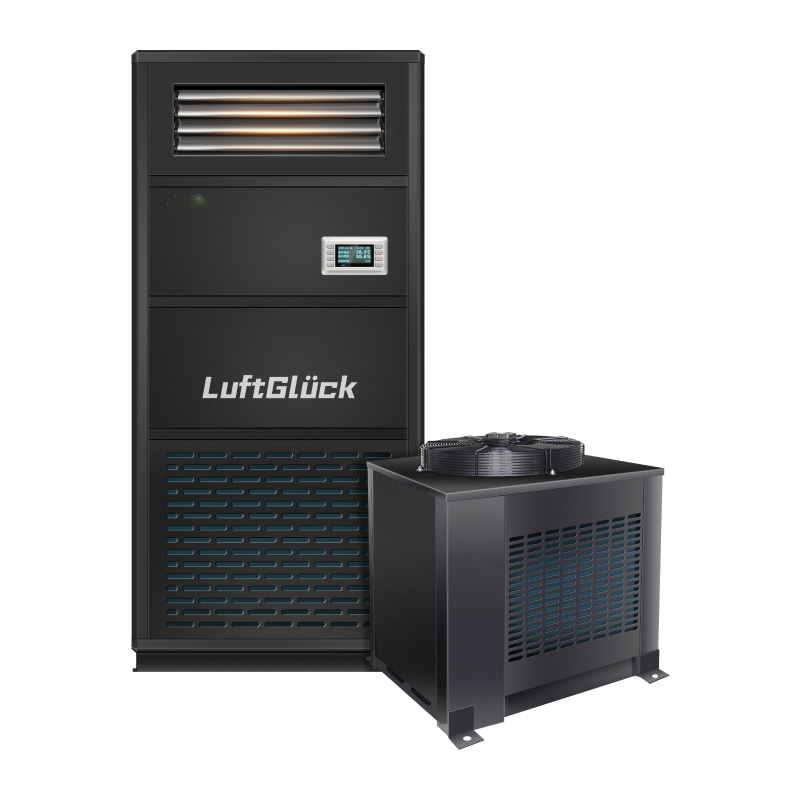
आधुनिक नियत तापमान और आर्द्रता मशीन प्रणालियों में परिचालन लागत को कम करने के साथ-साथ सटीक पर्यावरणीय स्थितियों को बनाए रखने के लिए उन्नत नियंत्रण एल्गोरिदम और ऊर्जा-कुशल घटक शामिल होते हैं। परिवर्तनशील गति वाले कंप्रेसर, बुद्धिमान डिफ्रॉस्ट चक्र और अनुकूलित प्रशीतन सर्किट पारंपरिक नियत-गति प्रणालियों की तुलना में ऊर्जा की खपत कम करते हैं।
स्मार्ट नियंत्रण प्रणाली लगातार पर्यावरणीय स्थितियों की निगरानी करती है और सेटपॉइंट्स को बनाए रखते हुए ऊर्जा के उपयोग को कम करने के लिए प्रणाली के संचालन को समायोजित करती है। ये प्रणाली अवधि के दौरान प्रशीतन भार को कम करने के लिए अनुसूची एल्गोरिदम को लागू कर सकती हैं और अप्रत्याशित विफलताओं को रोकने तथा प्रणाली के प्रदर्शन को अनुकूलित करने के लिए भविष्यकालीन रखरखाव सूचनाएँ प्रदान कर सकती हैं।
दीर्घकालिक आर्थिक लाभ
एक उच्च-गुणवत्ता वाली स्थिर तापमान और आर्द्रता मशीन में प्रारंभिक निवेश भले ही काफी अधिक लगे, लेकिन दीर्घकालिक आर्थिक लाभ इसकी लागत से कहीं अधिक होते हैं। उचित पर्यावरणीय नियंत्रण से उपकरण के रखरखाव की आवश्यकता कम होती है, उपकरणों का जीवनकाल बढ़ता है, और महंगी परीक्षण विफलताओं और पुनः कार्य को रोका जा सकता है। सुधरी हुई डेटा गुणवत्ता और कम भिन्नता प्रयोगशाला उत्पादकता और ग्राहक विश्वास में वृद्धि करती है।
ऊर्जा-कुशल जलवायु नियंत्रण प्रणाली उपयोगिता की कम खपत के माध्यम से निरंतर संचालन लागत में बचत भी प्रदान करती हैं। उन्नत नियंत्रण और उच्च-दक्षता वाले घटकों वाली आधुनिक प्रणालियाँ पुरानी पारंपरिक प्रणालियों की तुलना में 20-30% तक ऊर्जा लागत कम कर सकती हैं, जबकि उत्कृष्ट पर्यावरणीय नियंत्रण प्रदर्शन प्रदान करती हैं।
लागू करने की रणनीतियाँ और बेहतरीन अभ्यास
सिस्टम डिज़ाइन पर विचार
स्थिर तापमान और आर्द्रता मशीन प्रणाली के उचित क्रियान्वयन के लिए प्रयोगशाला के लेआउट, ऊष्मा भारों और विशिष्ट पर ध्यान देने की आवश्यकता होती है अनुप्रयोग आवश्यकताएँ। उपकरण, प्रकाश व्यवस्था और कर्मचारियों से उत्पन्न आंतरिक ऊष्मा के निपटान की आवश्यकता के अनुरूप प्रणाली क्षमता को उचित ढंग से आकारित किया जाना चाहिए, साथ ही भविष्य के विस्तार के लिए पर्याप्त आरक्षित क्षमता बनाए रखनी चाहिए।
क्षेत्रीकरण रणनीतियाँ विभिन्न प्रयोगशाला क्षेत्रों को उनके विशिष्ट अनुप्रयोगों के लिए इष्टतम परिस्थितियाँ बनाए रखने की अनुमति देती हैं, जबकि प्रणाली की दक्षता को अधिकतम करती हैं। महत्वपूर्ण परीक्षण क्षेत्रों को सामान्य प्रयोगशाला स्थानों की तुलना में पर्यावरणीय सहिष्णुता की अधिक कठोर आवश्यकता हो सकती है, और जलवायु नियंत्रण प्रणाली को इन विविध आवश्यकताओं को पूरा करने के लिए डिज़ाइन किया जाना चाहिए।
निगरानी और रखरखाव प्रोटोकॉल
प्रभावी पर्यावरणीय निगरानी प्रणाली प्रयोगशाला सुविधा भर में तापमान और आर्द्रता की स्थिति की निरंतर निगरानी प्रदान करती है। डेटा लॉगिंग क्षमता प्रवृत्ति विश्लेषण को सक्षम करती है और प्रयोगशाला संचालन पर प्रभाव डालने से पहले संभावित समस्याओं की पहचान करने में मदद करती है। अलार्म प्रणाली कर्मचारियों को तुरंत सूचित करती है जब स्थितियाँ स्वीकार्य सीमा से विचलित हो जाती हैं।
नियमित रखरखाव प्रोटोकॉल से प्रणाली के इष्टतम प्रदर्शन को सुनिश्चित किया जाता है और अप्रत्याशित विफलताओं को रोका जाता है। प्रणाली की विश्वसनीयता बनाए रखने और उपकरणों के जीवनकाल को बढ़ाने के लिए निवारक रखरखाव कार्यक्रम में फ़िल्टर प्रतिस्थापन, कॉइल सफाई, कैलिब्रेशन सत्यापन और प्रदर्शन परीक्षण शामिल होने चाहिए।
सामान्य प्रश्न
प्रयोगशाला के वातावरण में आमतौर पर किन तापमान और आर्द्रता सीमाओं की आवश्यकता होती है?
अधिकांश प्रयोगशालाएँ 18°C से 25°C के बीच तापमान बनाए रखती हैं, जिसमें ±2°C से अधिक की कोई भिन्नता नहीं होती है, तथा आपेक्षिक आर्द्रता स्तर 30% से 60% RH के बीच रहता है। हालाँकि, विशिष्ट आवश्यकताएँ प्रकार के अनुसार भिन्न हो सकती हैं, जैसे कि किसी विशेष परीक्षण के प्रकार, नियामक आवश्यकताओं और उपकरण विनिर्देशों के आधार पर। फार्मास्यूटिकल स्थिरता परीक्षण में अधिक कठोर नियंत्रण की आवश्यकता हो सकती है, जबकि इलेक्ट्रॉनिक्स परीक्षण प्रयोगशालाओं को इलेक्ट्रोस्टैटिक डिस्चार्ज रोकने के लिए आमतौर पर कम आर्द्रता स्तर की आवश्यकता होती है।
पर्यावरणीय उतार-चढ़ाव प्रयोगशाला उपकरणों के प्रदर्शन को कैसे प्रभावित करते हैं
तापमान और आर्द्रता में उतार-चढ़ाव प्रयोगशाला उपकरणों के प्रदर्शन पर महत्वपूर्ण प्रभाव डाल सकता है, जिसमें विश्लेषणात्मक तुला में कैलिब्रेशन ड्रिफ्ट, सटीक उपकरणों पर तापीय प्रसार के प्रभाव, ऑप्टिकल घटकों पर संघनन का निर्माण और इलेक्ट्रॉनिक प्रणालियों की अकाल मृत्यु शामिल है। इन उतार-चढ़ाव के कारण परीक्षण परिणाम गलत हो सकते हैं, रखरखाव लागत बढ़ सकती है और उपकरणों का जीवनकाल कम हो सकता है, जिससे विश्वसनीय प्रयोगशाला संचालन के लिए पर्यावरण नियंत्रण आवश्यक हो जाता है।
निरंतर तापमान और आर्द्रता मशीन में ध्यान देने योग्य प्रमुख विशेषताएं क्या हैं
महत्वपूर्ण विशेषताओं में सटीक तापमान और आर्द्रता नियंत्रण, कड़े सहिष्णुता के साथ, परिवर्तनशील गति वाले कंप्रेसर के साथ ऊर्जा-कुशल संचालन, डेटा लॉगिंग क्षमता के साथ उन्नत नियंत्रण प्रणाली, विचलन की सूचना के लिए विश्वसनीय अलार्म प्रणाली, आसान रखरखाव पहुंच और अनुप्रयोग के लिए उपयुक्त क्षमता आकार शामिल हैं। प्रणाली संबंधित उद्योग मानकों के अनुपालन के साथ-साथ विनियामक अनुपालन के लिए व्यापक निगरानी और दस्तावेज़ीकरण क्षमता भी प्रदान करनी चाहिए।
प्रयोगशालाएं पर्यावरणीय नियंत्रण बनाए रखते हुए ऊर्जा दक्षता को कैसे अनुकूलित कर सकती हैं
ऊर्जा अनुकूलन रणनीतियों में अवधि के दौरान प्रशीतन भार को कम करने के लिए अनुसूचीकरण एल्गोरिथ्म लागू करना, वास्तविक भार के अनुरूप क्षमता समायोजित करने के लिए चर गति उपकरण का उपयोग करना, अतिआकार के उपकरण के अक्षम संचालन से बचने के लिए उचित प्रणाली आकार निर्धारण, इष्टतम प्रदर्शन सुनिश्चित करने के लिए नियमित रखरखाव, और प्रयोगशाला उपकरण से अपशिष्ट ऊष्मा को पकड़कर स्थान हीटिंग या अन्य अनुप्रयोगों के लिए ऊष्मा पुनर्प्राप्ति प्रणालियों पर विचार शामिल है।
विषय सूची
- प्रयोगशाला संचालन के लिए महत्वपूर्ण पर्यावरणीय आवश्यकताएं
- उपकरण सुरक्षा और लंबी उम्र के लाभ
- नमूना अखंडता और डेटा गुणवत्ता आश्वासन
- विनियामक अनुपालन और गुणवत्ता मानक
- ऊर्जा कुशलता और संचालन लागत का अधिकतमीकरण
- लागू करने की रणनीतियाँ और बेहतरीन अभ्यास
-
सामान्य प्रश्न
- प्रयोगशाला के वातावरण में आमतौर पर किन तापमान और आर्द्रता सीमाओं की आवश्यकता होती है?
- पर्यावरणीय उतार-चढ़ाव प्रयोगशाला उपकरणों के प्रदर्शन को कैसे प्रभावित करते हैं
- निरंतर तापमान और आर्द्रता मशीन में ध्यान देने योग्य प्रमुख विशेषताएं क्या हैं
- प्रयोगशालाएं पर्यावरणीय नियंत्रण बनाए रखते हुए ऊर्जा दक्षता को कैसे अनुकूलित कर सकती हैं