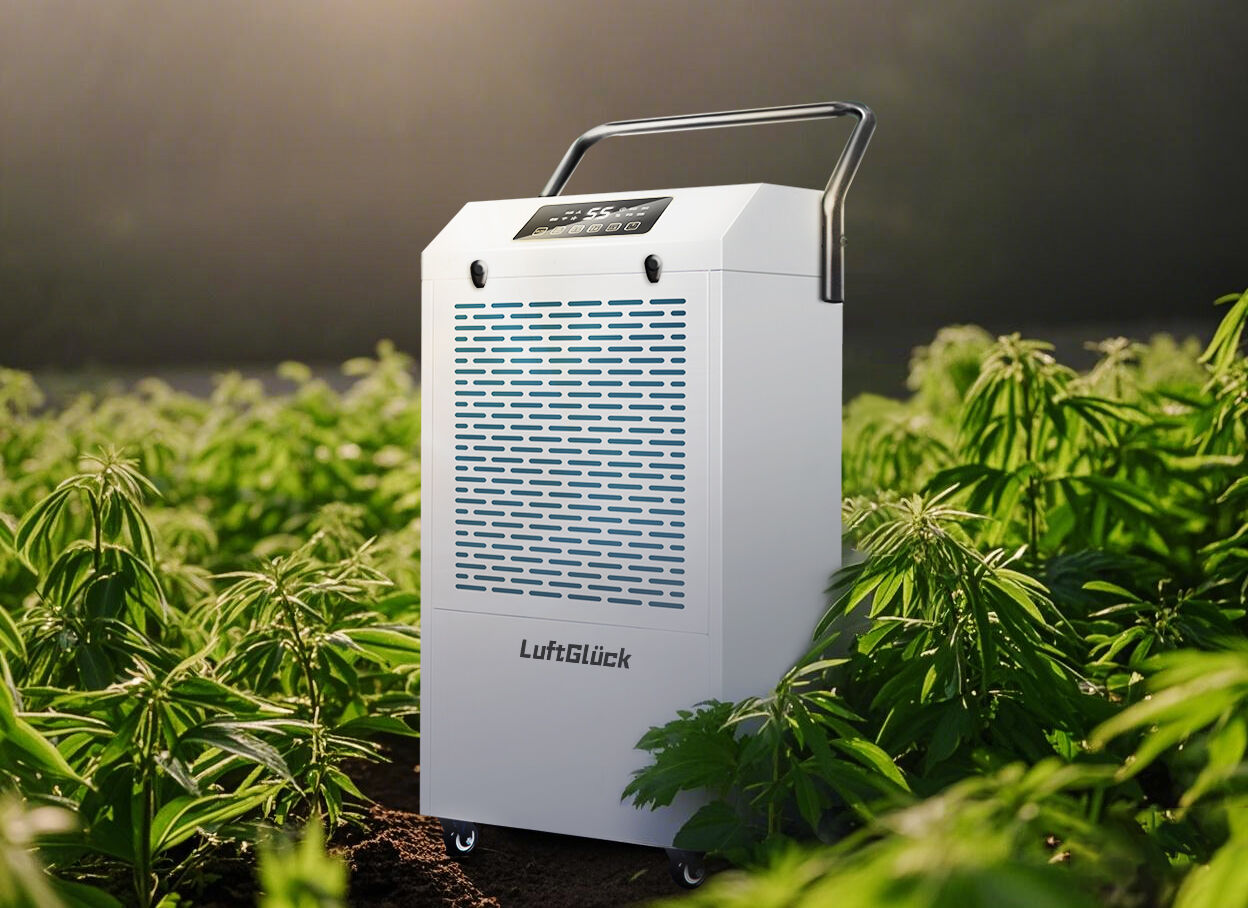
bud rot
Bud rot, scientifically known as Botrytis cinerea, is a devastating fungal disease that primarily affects cannabis and other flowering plants during their crucial blooming phase. This persistent pathogen thrives in humid conditions with poor air circulation, typically appearing as a gray or brown mold that starts from the inside of the cannabis buds and works its way outward. The infection begins when airborne spores land on vulnerable plant tissue, particularly in environments with relative humidity above 55% and temperatures between 68-77°F. As the disease progresses, it transforms healthy, vibrant buds into a mushy, discolored mass that becomes increasingly toxic. The infection can spread rapidly throughout a growing operation, potentially destroying an entire crop within days if left unchecked. Bud rot poses significant challenges for both commercial cultivators and home growers, as it not only compromises yield quality but also introduces serious health risks if consumed. Modern cultivation practices have developed various prevention strategies, including environmental control systems, proper ventilation protocols, and careful monitoring of plant density to minimize the risk of infection.

 EN
EN