All Categories
Get a Quote

Get a Free Quote

Our representative will contact you soon.
Email
Name
Company Name
Message
0/1000

Get a Free Quote

Our representative will contact you soon.
Email
Name
Company Name
Message
0/1000

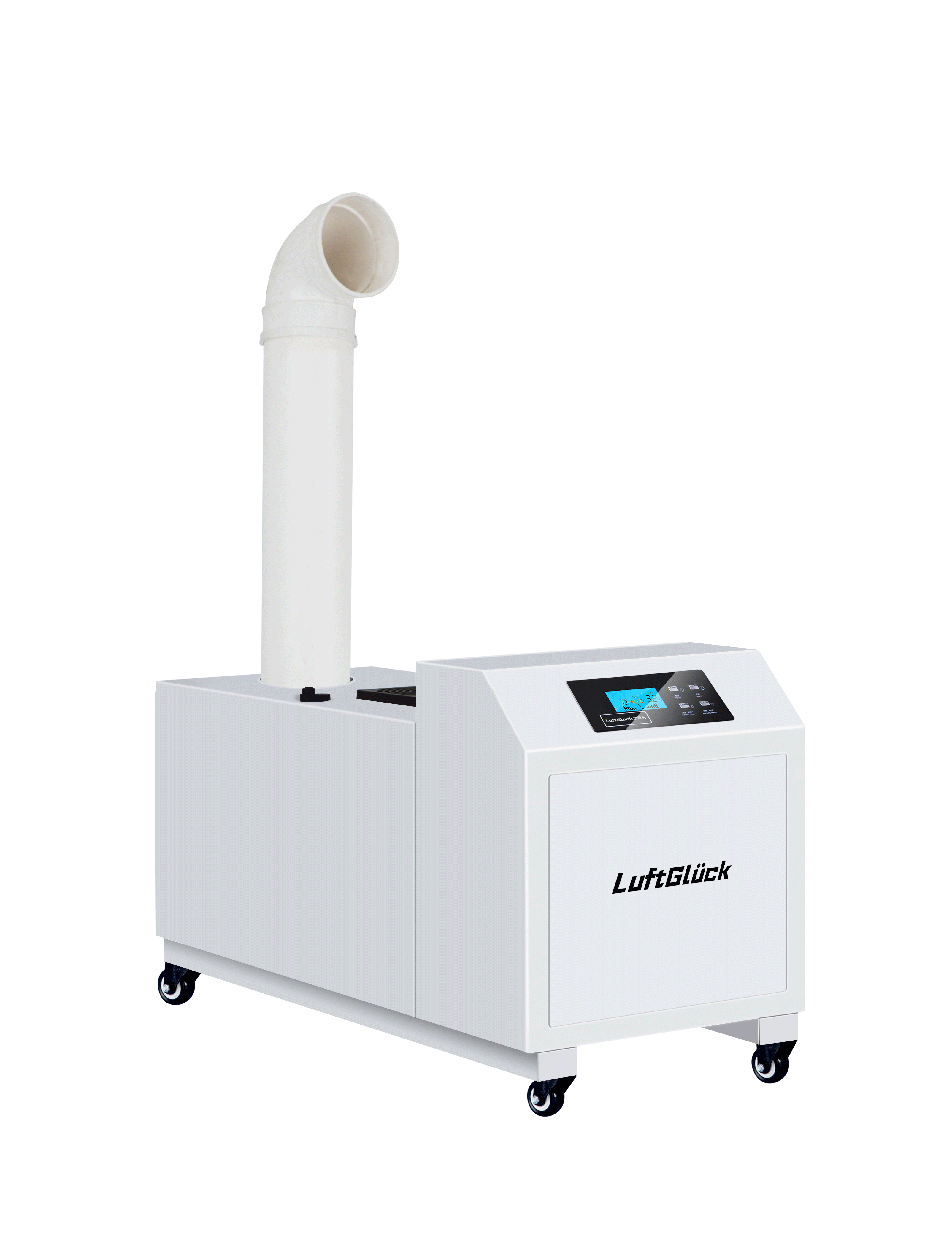
humidity control for plants

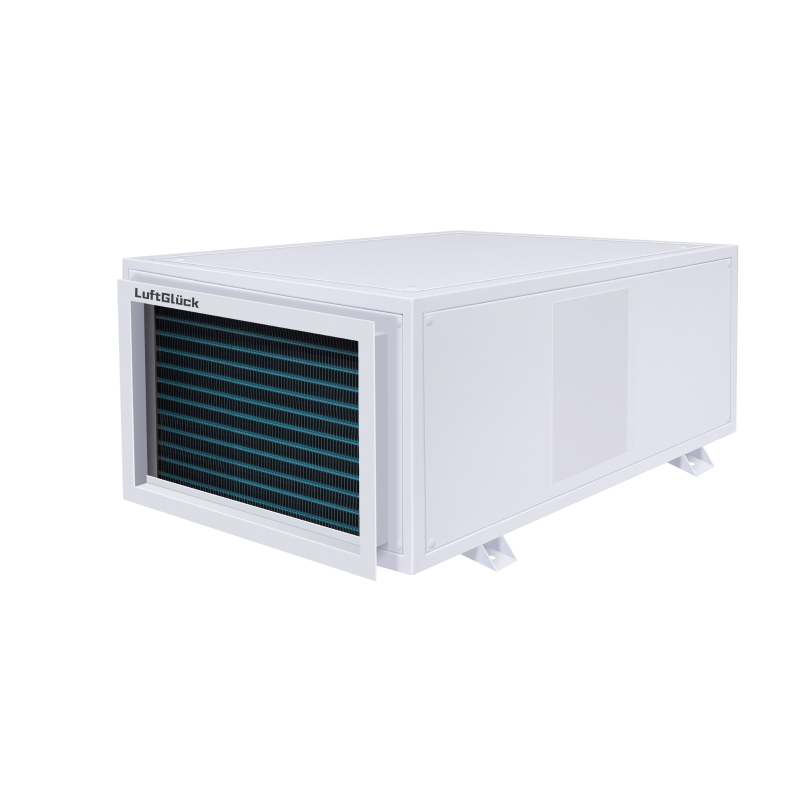
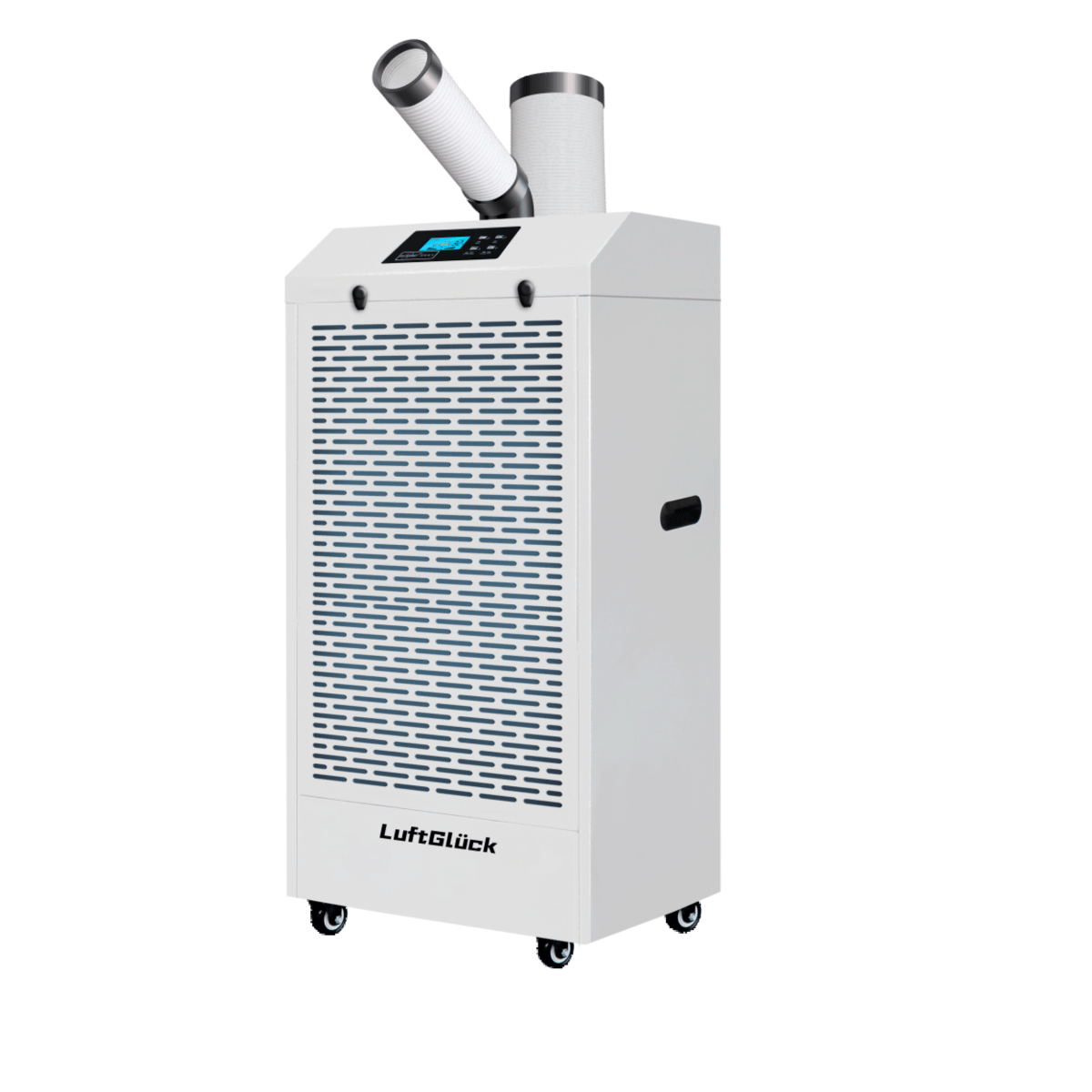
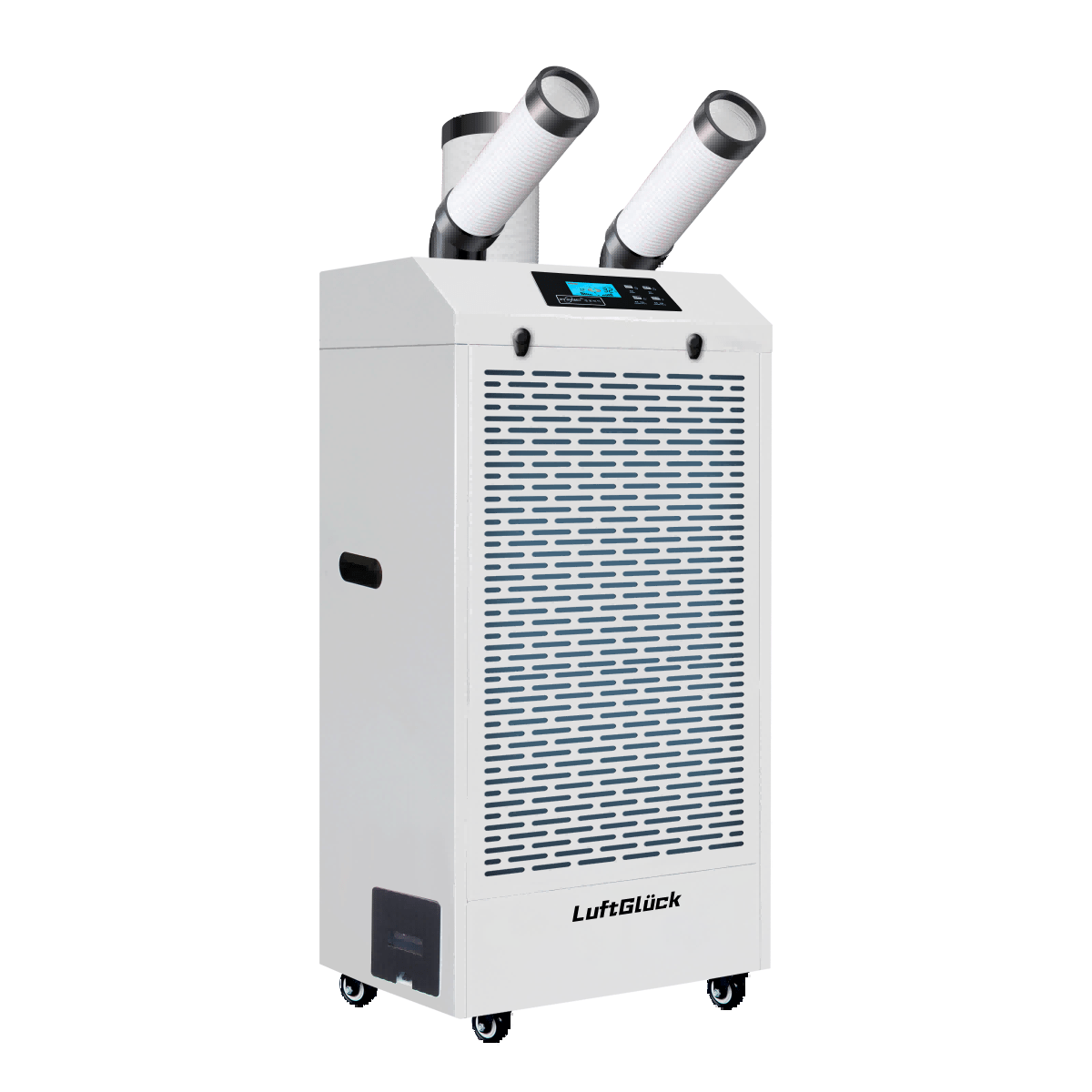
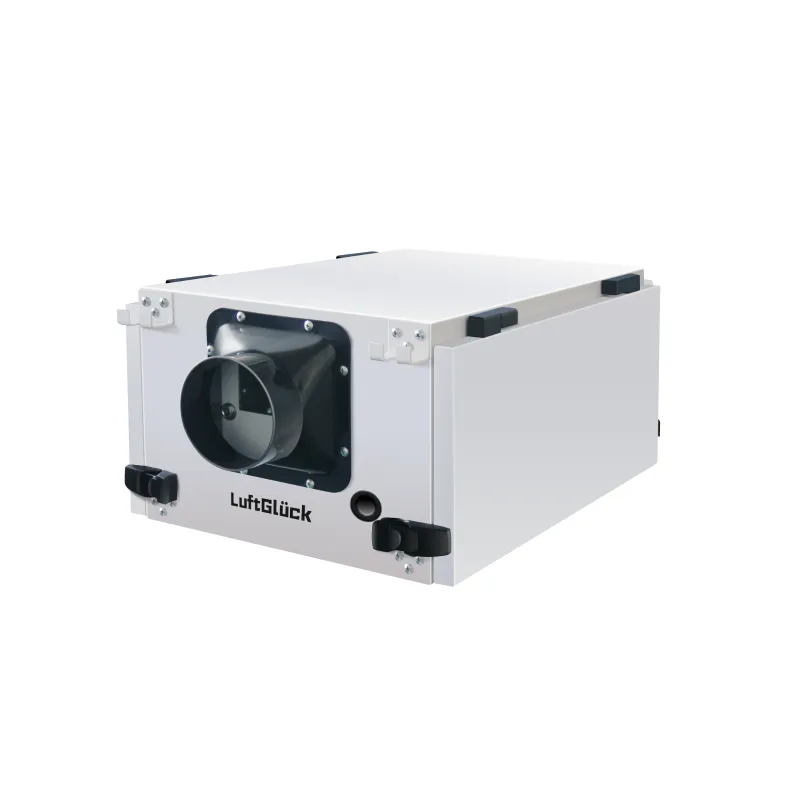
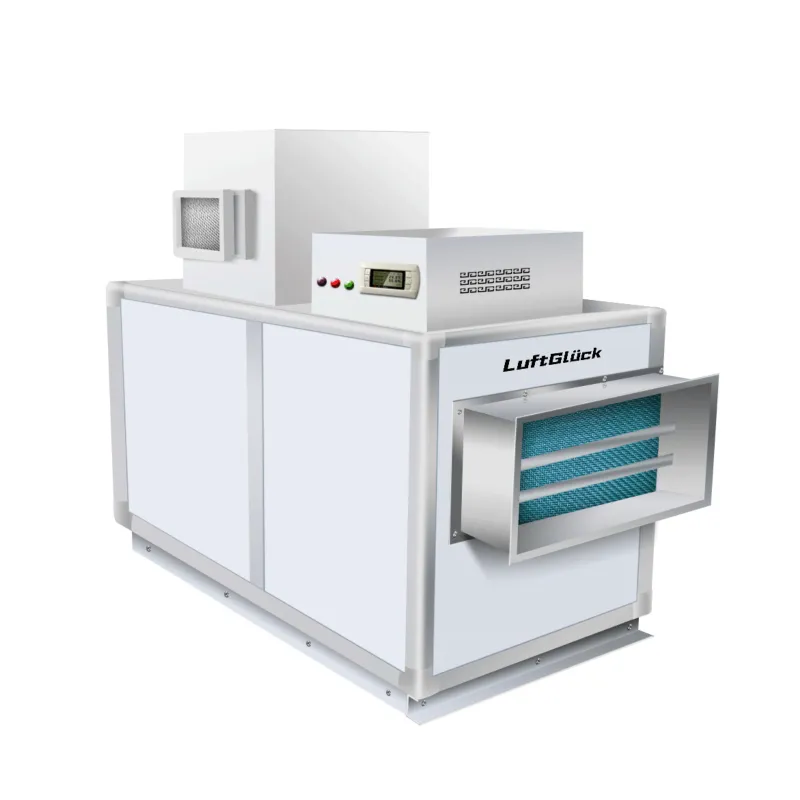
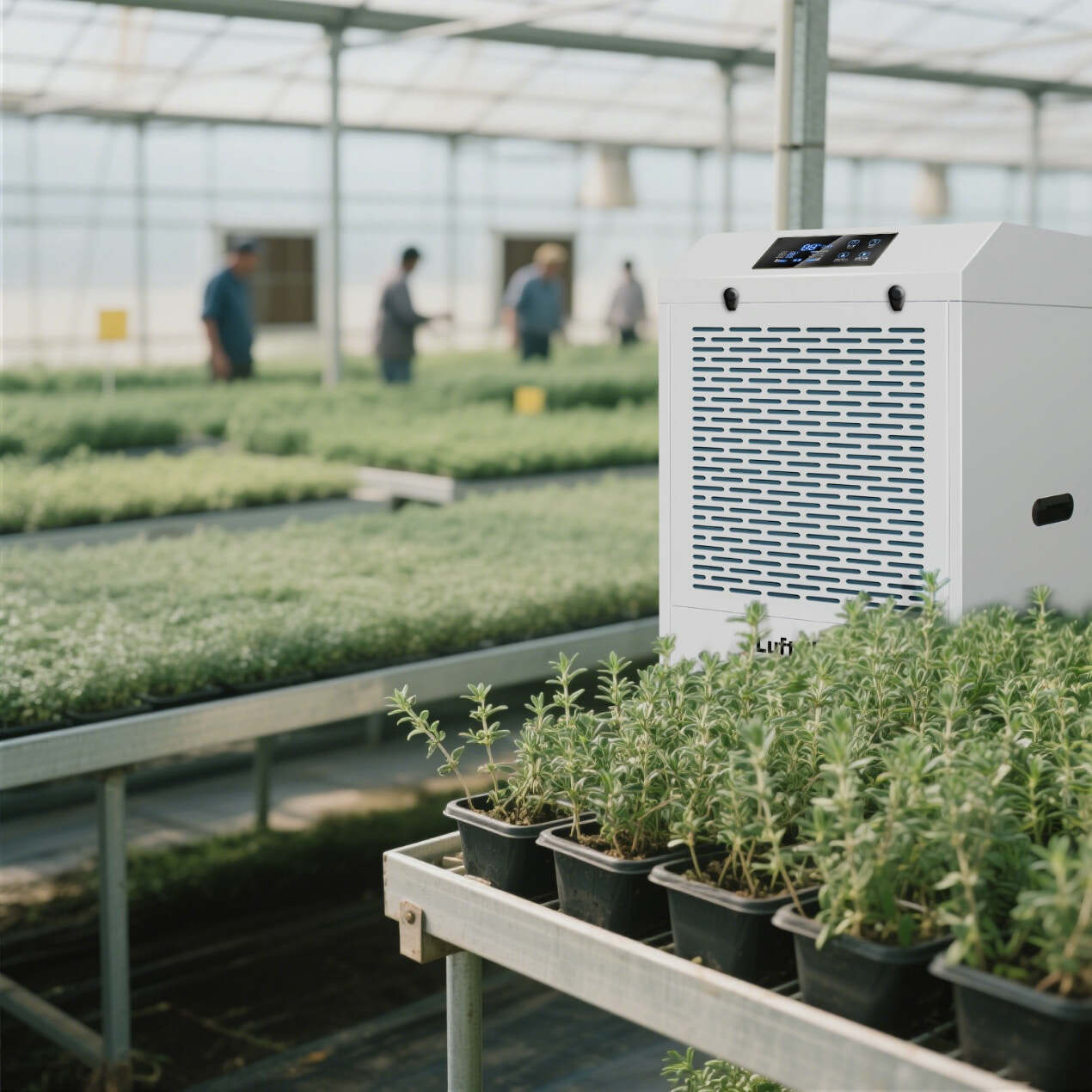
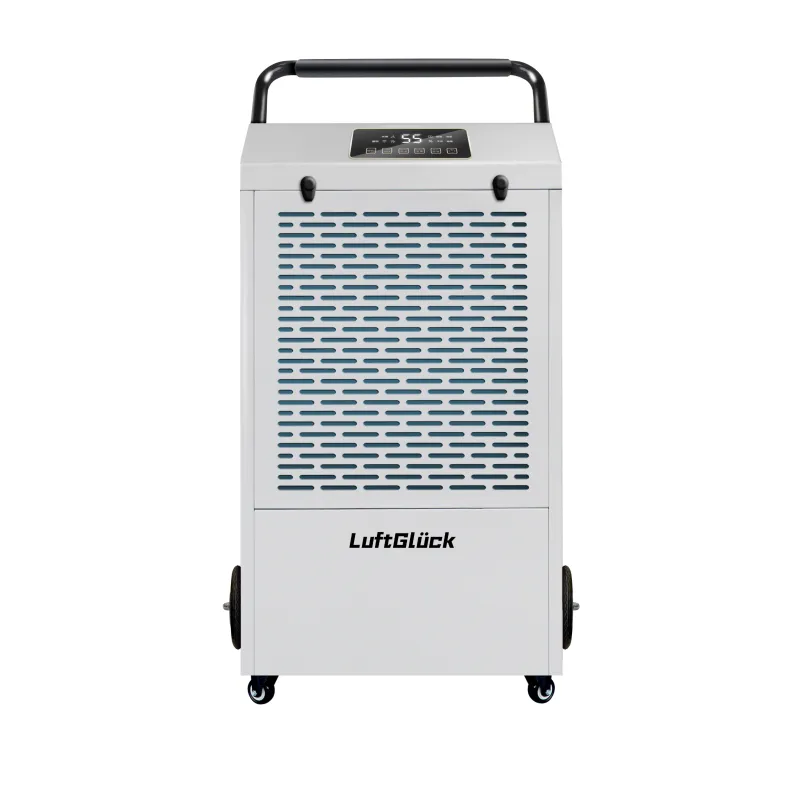
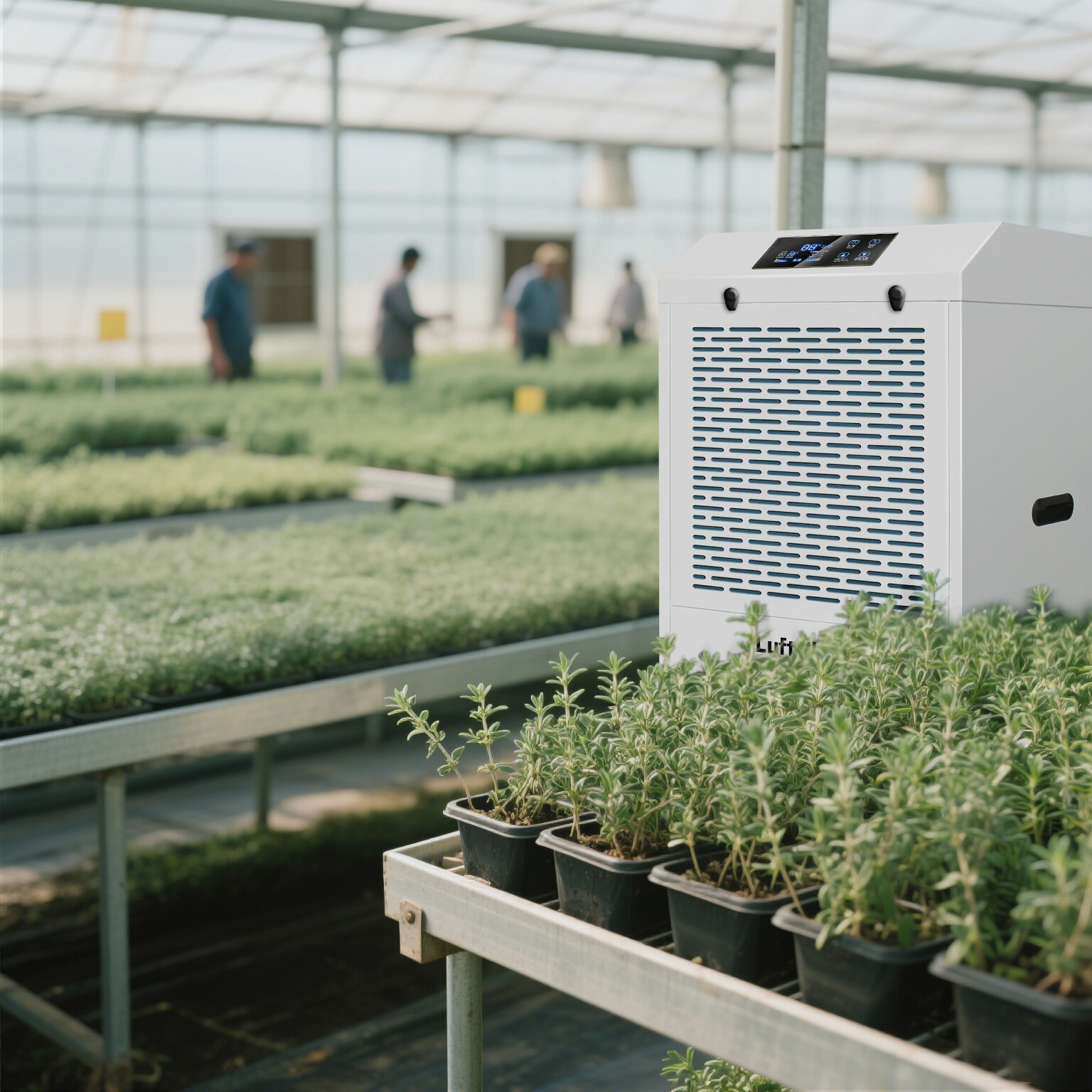
Humidity control for plants is an essential system that maintains optimal moisture levels in growing environments, ensuring healthy plant development and maximum yield. This sophisticated technology combines sensors, controllers, and distribution systems to create ideal growing conditions. Modern humidity control systems utilize advanced sensors to continuously monitor moisture levels, automatically adjusting humidity through integrated misting systems, dehumidifiers, or ventilation controls. These systems can maintain precise humidity levels between 40% and 80%, depending on plant species requirements. The technology incorporates smart features such as programmable schedules, remote monitoring capabilities, and automated response mechanisms to environmental changes. Applications range from small indoor growing spaces to large commercial greenhouses, hydroponic systems, and vertical farming operations. The system's core components include humidity sensors, control units, water delivery systems, and ventilation mechanisms, working in harmony to prevent issues like mold growth, leaf diseases, and stunted development. Advanced models often feature WiFi connectivity, allowing growers to monitor and adjust settings through mobile applications, ensuring optimal growing conditions even when off-site.


Popular Products

The implementation of humidity control for plants offers numerous compelling benefits that directly impact plant health and growing success. First, these systems significantly reduce the risk of fungal diseases and pest infestations by maintaining optimal moisture levels, saving growers substantial time and resources on plant treatment and replacement. The automated nature of modern humidity control systems minimizes human error and reduces labor costs, as manual monitoring and adjustment become unnecessary. Plants grown in controlled humidity environments demonstrate improved growth rates, stronger root development, and more efficient nutrient uptake, leading to higher yields and better quality produce. The technology also contributes to water conservation by optimizing moisture delivery and reducing waste through precise control and monitoring. Energy efficiency is another key advantage, as smart systems operate only when necessary, adjusting their output based on real-time environmental conditions. For commercial operations, these systems provide valuable data logging capabilities, enabling growers to analyze trends and optimize growing conditions over time. The ability to maintain consistent humidity levels throughout the growing cycle ensures uniform plant development and predictable harvest times, which is particularly valuable for commercial operations. Additionally, the remote monitoring and control capabilities of modern systems provide peace of mind and flexibility for growers, allowing them to manage their growing environment from anywhere with an internet connection.

Practical Tips

 How Does an Industrial Dehumidifier Improve Product Storage Conditions?

26

Dec

How Does an Industrial Dehumidifier Improve Product Storage Conditions?

Optimizing Storage Environments Through Moisture Control Industrial dehumidifiers play a critical role in maintaining ideal storage conditions for a wide range of products, from pharmaceuticals to bulk food items. These powerful systems regulate hum...
View More
How Do Industrial Dehumidifiers Compare to Commercial Units in Efficiency?

26

Dec

How Do Industrial Dehumidifiers Compare to Commercial Units in Efficiency?

Understanding the Role of Dehumidifiers in High-Demand Environments The Purpose Behind Using Industrial Dehumidifiers Industrial dehumidifiers are purpose-built machines designed to handle large-scale moisture removal in demanding environments such ...
View More
Why Are Energy-Efficient Models Gaining Popularity in Industrial Settings?

26

Dec

Why Are Energy-Efficient Models Gaining Popularity in Industrial Settings?

The Push Toward Smarter Resource Use in Modern Industries Rising Operational Costs Demand Better Efficiency Industries across the globe are facing rising operational costs due to increasing energy prices, raw material scarcity, and tighter environme...
View More
How Much Energy Can You Save with an Energy Efficient Dehumidifier?

26

Dec

How Much Energy Can You Save with an Energy Efficient Dehumidifier?

Understanding the Impact of Modern Dehumidifier Technology on Energy Consumption The rising cost of energy and growing environmental consciousness have made homeowners increasingly aware of their appliances' energy consumption. Among these appliances...
View More

Get a Free Quote

Our representative will contact you soon.
Email
Name
Company Name
Message
0/1000

humidity control for plants

Smart Environmental Monitoring and Response

Smart Environmental Monitoring and Response

The advanced sensor technology integrated into modern humidity control systems represents a significant leap forward in plant care management. These sophisticated sensors continuously monitor not just humidity levels but also related environmental factors such as temperature, air circulation, and vapor pressure deficit (VPD). The system processes this data in real-time through intelligent algorithms that can predict and respond to environmental changes before they become problematic for plant health. This predictive capability ensures optimal growing conditions are maintained consistently, reducing stress on plants and promoting healthy growth. The system's ability to make micro-adjustments throughout the day, responding to natural environmental fluctuations, creates a more stable growing environment than could ever be achieved through manual monitoring and adjustment.
Water Efficiency and Resource Management

Water Efficiency and Resource Management

Modern humidity control systems excel in optimizing water usage through precise moisture management. The technology employs advanced water delivery methods that ensure every drop contributes to maintaining optimal humidity levels without waste. These systems use sophisticated algorithms to calculate exact water requirements based on multiple environmental factors, plant growth stages, and species-specific needs. The result is significant water savings compared to traditional humidification methods, with some systems achieving up to 40% reduction in water consumption. Additionally, the precise control prevents over-humidification, which can lead to water waste through condensation and runoff, while also protecting against conditions that could promote mold or disease development.
Remote Control and Data Analytics

Remote Control and Data Analytics

The integration of smart technology in humidity control systems provides unprecedented access to environmental management and data analysis capabilities. Users can monitor and adjust humidity levels remotely through secure mobile applications, receiving real-time alerts and updates about their growing environment. The system collects and analyzes historical data to identify patterns and optimize growing conditions over time. This data-driven approach enables growers to make informed decisions about their cultivation practices, leading to improved yields and more efficient resource utilization. The analytics platform can generate detailed reports on humidity patterns, system performance, and plant response, providing valuable insights for continuous improvement of growing conditions.
humidity control for plants-0
humidity control for plants-1

Get a Free Quote

Our representative will contact you soon.
Email
Name
Company Name
Message
0/1000

Get a Free Quote

Our representative will contact you soon.
Email
Name
Company Name
Message
0/1000