All Categories
Get a Quote

Get a Free Quote

Our representative will contact you soon.
Email
Name
Company Name
Message
0/1000

Get a Free Quote

Our representative will contact you soon.
Email
Name
Company Name
Message
0/1000

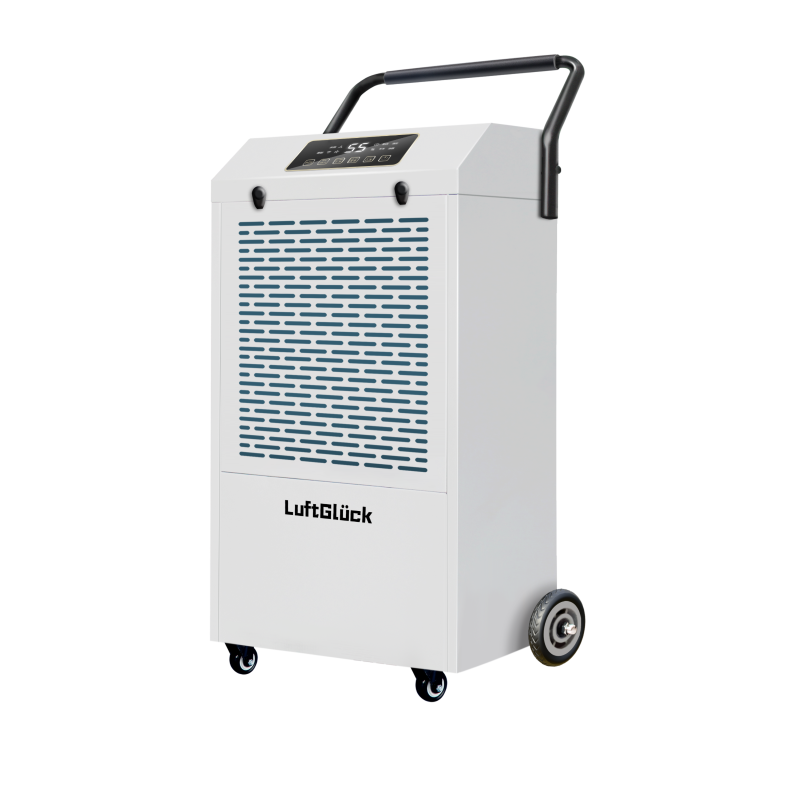
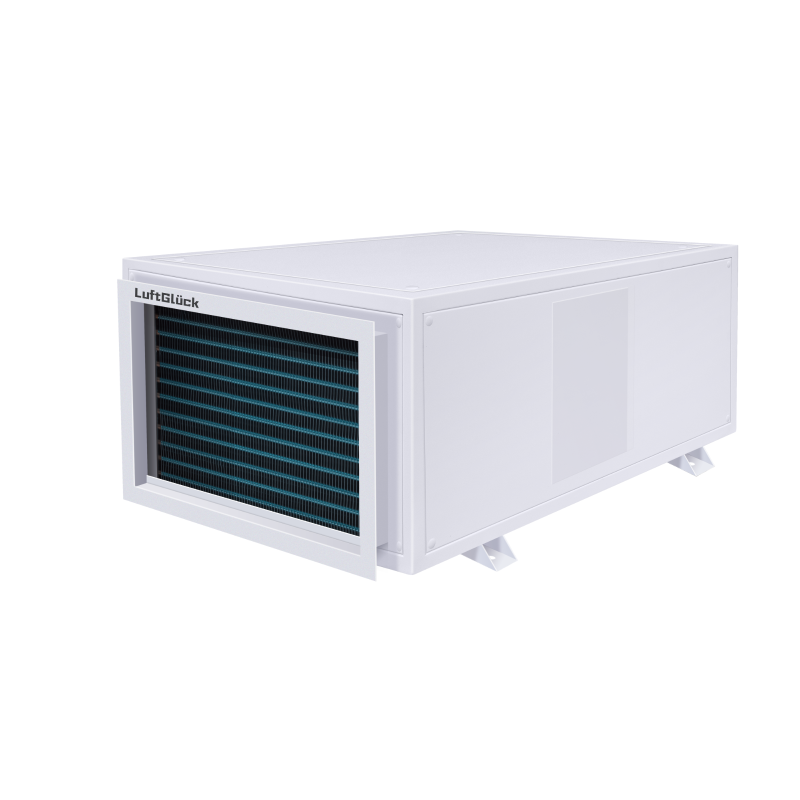
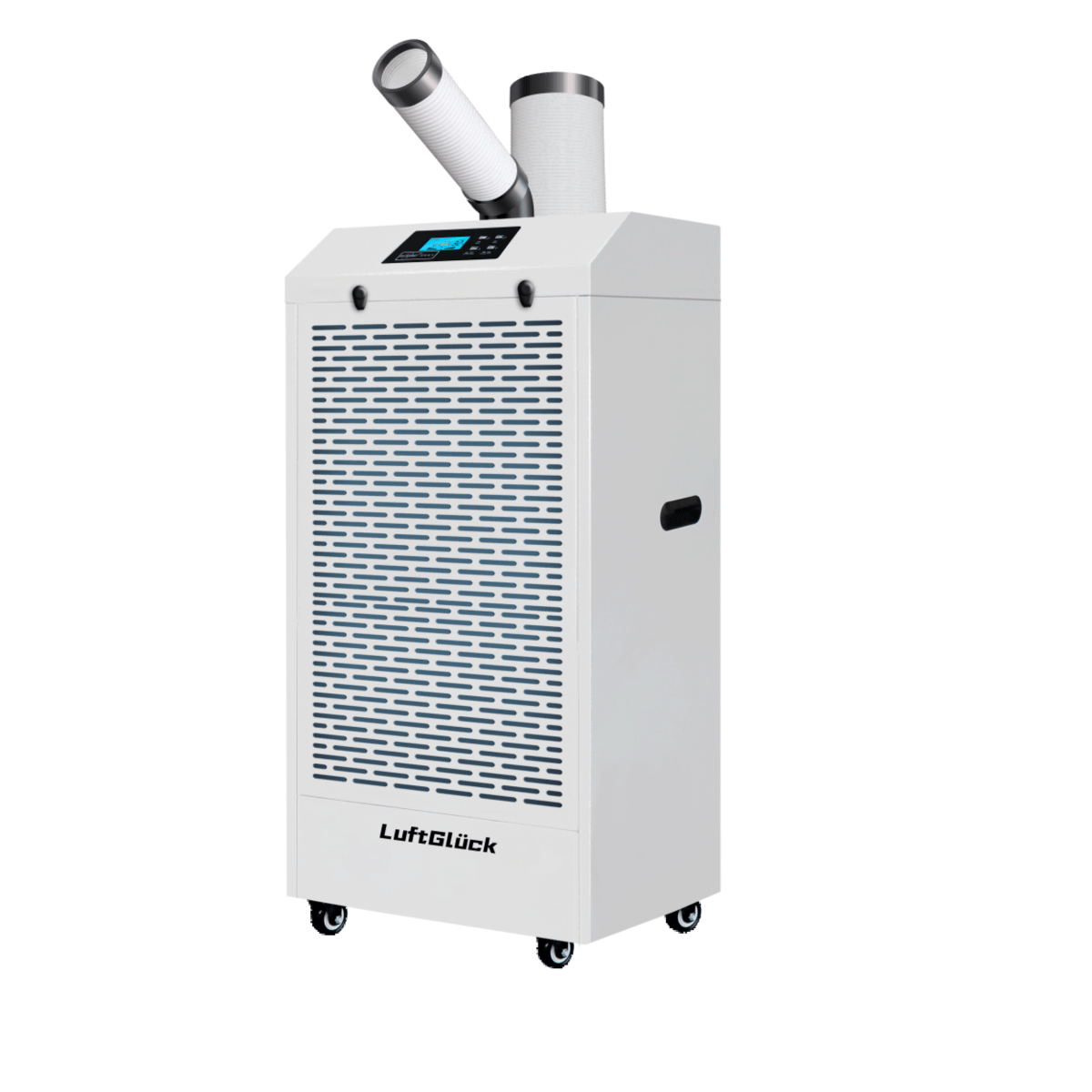
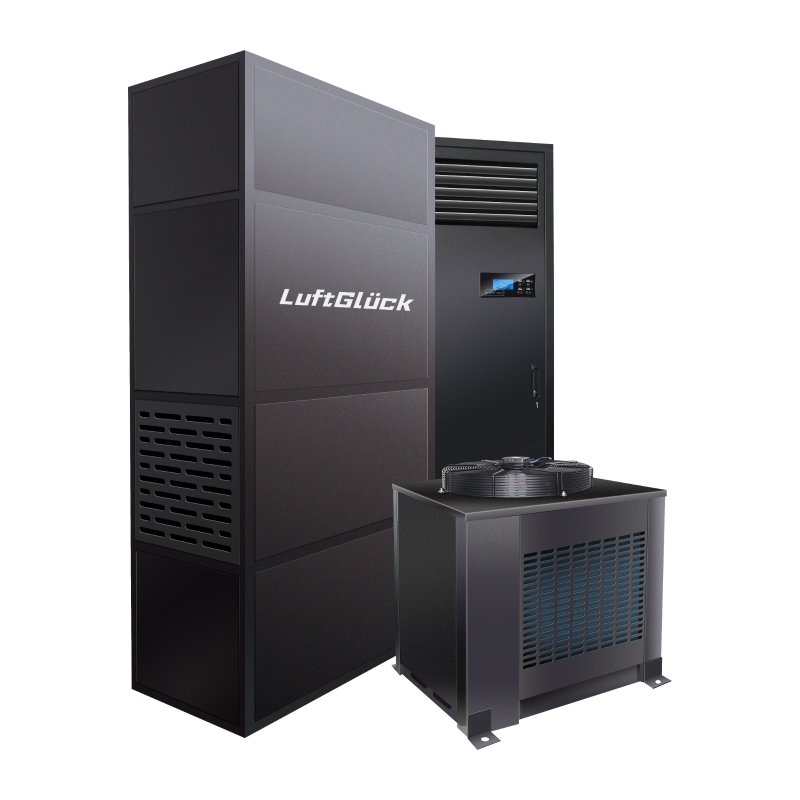
rotary dehumidifier types

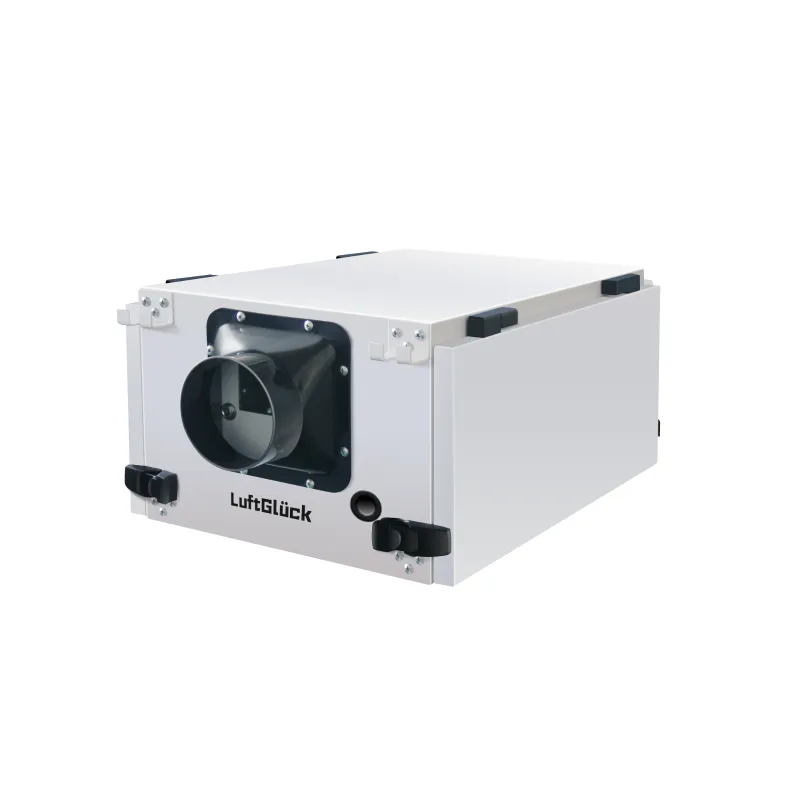
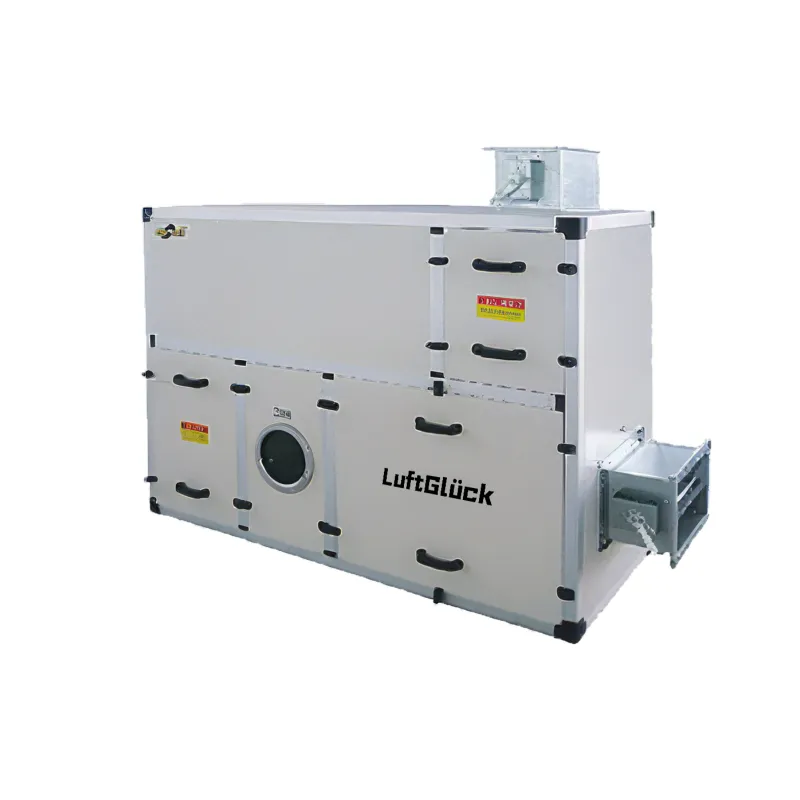
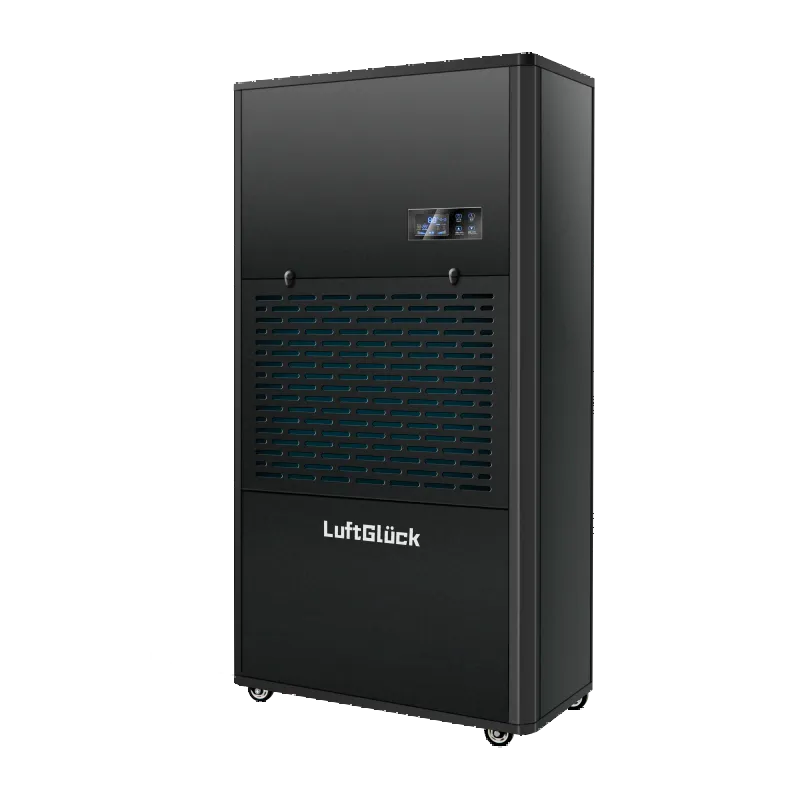
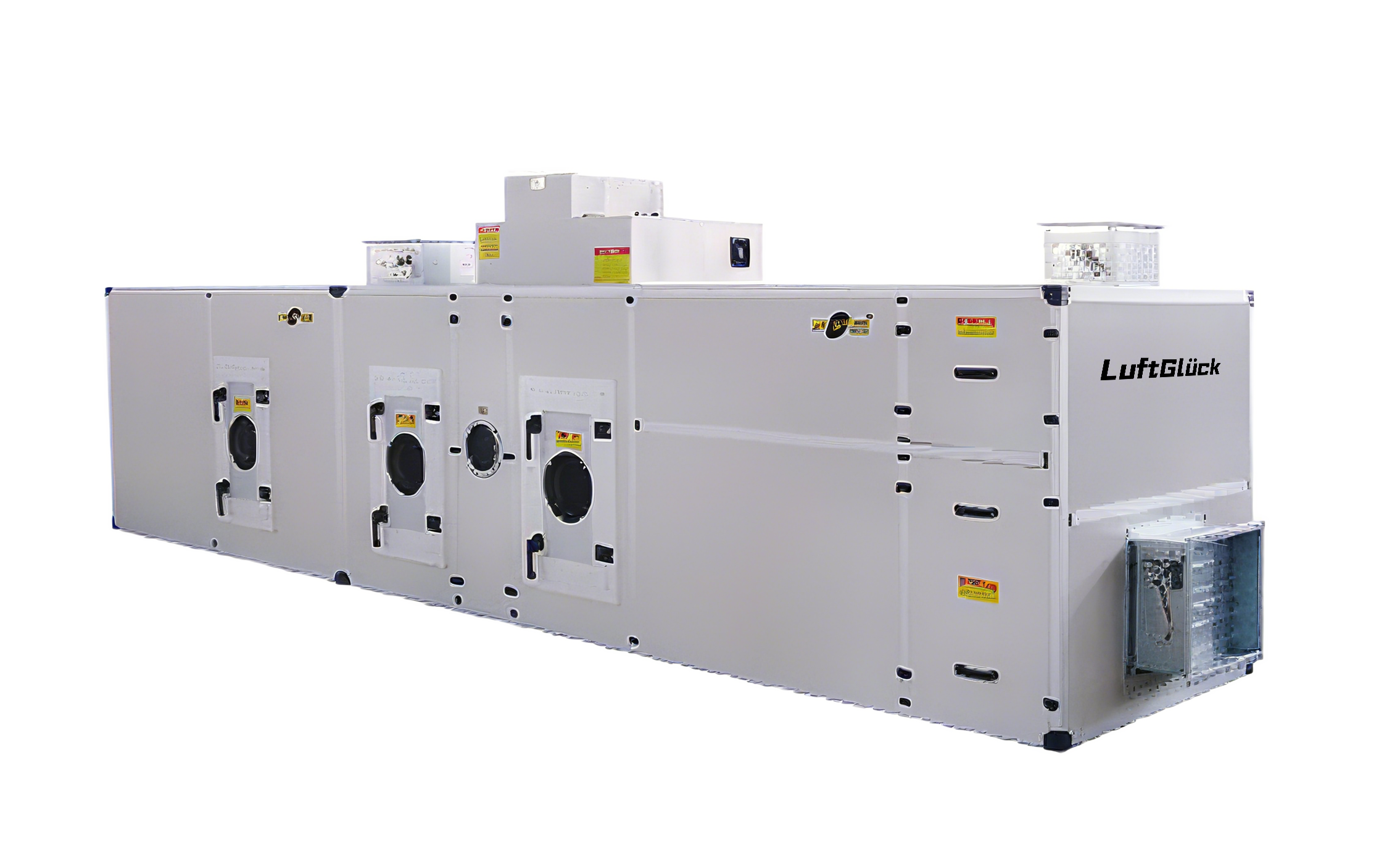
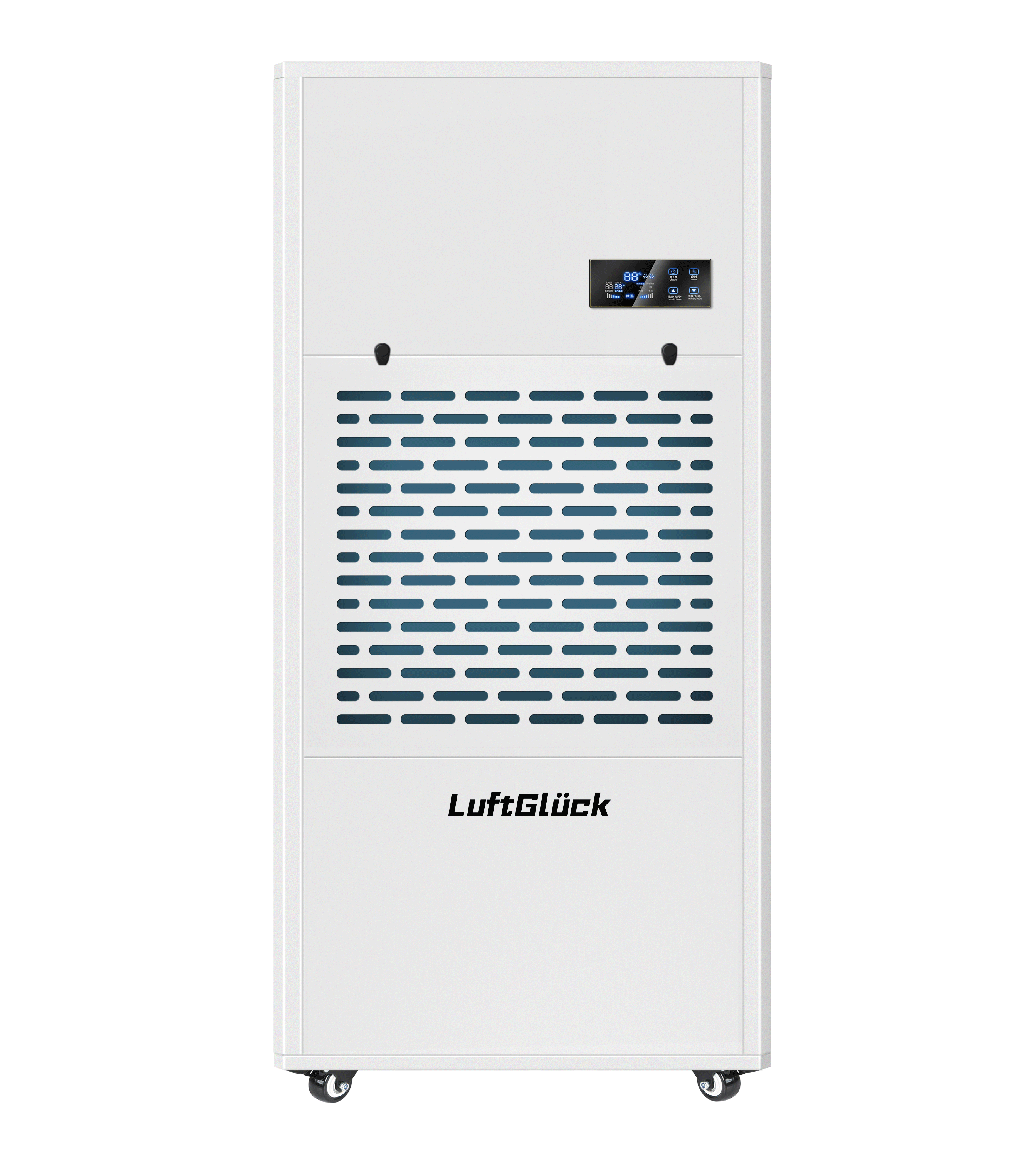
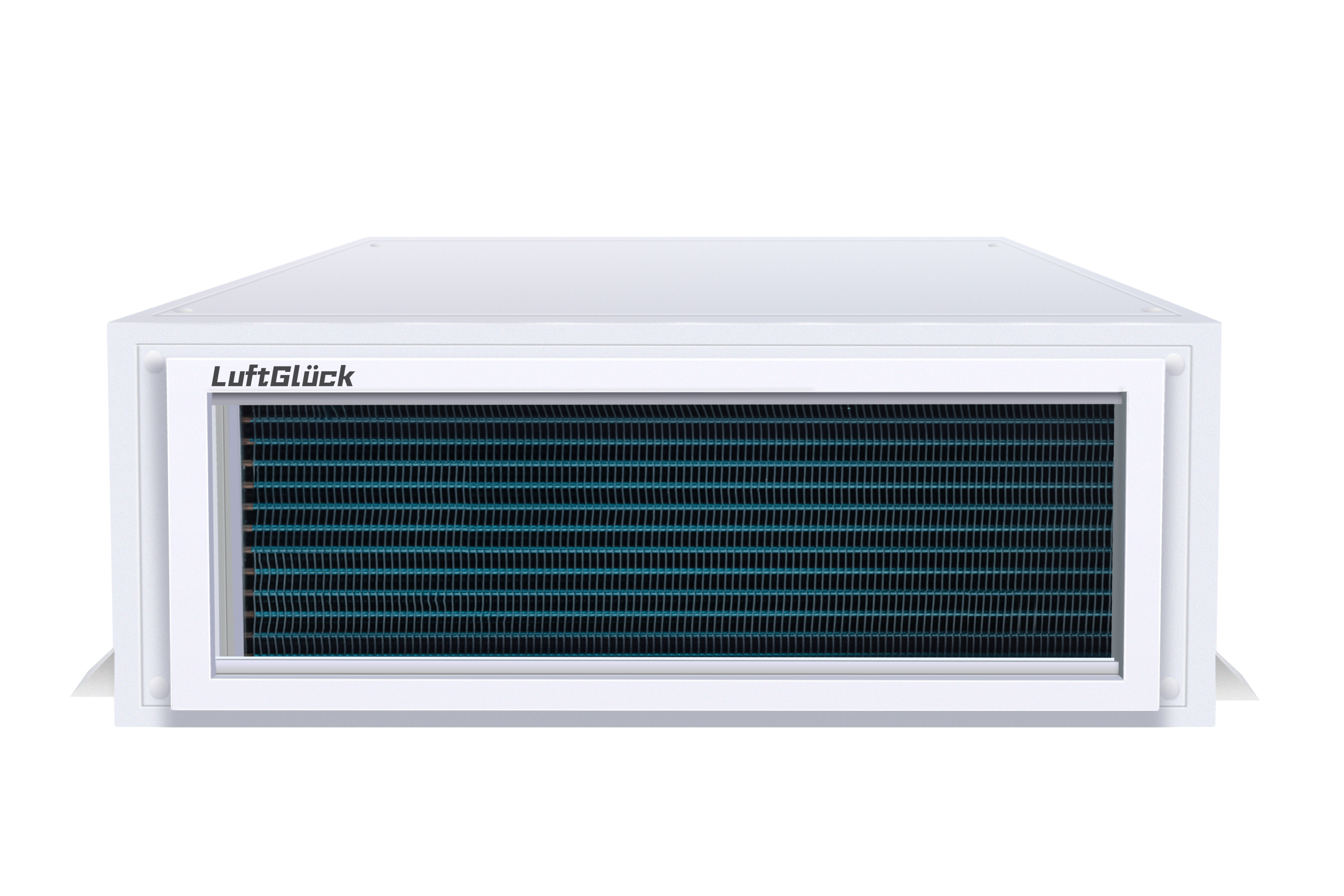
Rotary dehumidifiers represent a sophisticated advancement in moisture control technology, utilizing a continuously rotating wheel or disk impregnated with desiccant material to effectively remove moisture from the air. These systems operate through a two-stage process where the wheel rotates between two airstreams: the process air and the reactivation air. The process air, which is the humid air requiring treatment, passes through one section of the wheel where the desiccant absorbs moisture. Meanwhile, the reactivation air, heated to high temperatures, flows through another section of the wheel to regenerate the desiccant by removing the collected moisture. This continuous rotation ensures uninterrupted dehumidification, making these systems ideal for industrial and commercial applications requiring consistent, low-humidity environments. The technology incorporates precise control systems, variable speed drives, and efficient heat recovery mechanisms to optimize performance and energy consumption. Rotary dehumidifiers excel in applications ranging from pharmaceutical manufacturing and food processing to cold storage facilities and industrial drying processes, where maintaining specific humidity levels is crucial for product quality and operational efficiency.


New Product Recommendations

Rotary dehumidifiers offer numerous compelling advantages that set them apart from conventional dehumidification systems. First, they demonstrate exceptional performance in low-temperature environments, maintaining effective moisture removal even in conditions where traditional refrigerant-based systems struggle. This capability makes them particularly valuable in cold storage facilities and winter operations. The systems provide consistent and deep drying capabilities, achieving very low dew points that are essential for moisture-sensitive processes. Energy efficiency stands as another significant benefit, as these units can utilize waste heat from other processes for regeneration, substantially reducing operating costs. The continuous operation principle ensures stable humidity levels without the cycling common in other systems, leading to more precise humidity control and reduced wear on components. Maintenance requirements are relatively straightforward, with most units designed for easy access to critical components and simple servicing procedures. The scalability of rotary systems allows them to handle a wide range of airflow volumes, making them suitable for both small specialized applications and large industrial processes. These dehumidifiers also demonstrate remarkable durability, with many systems operating reliably for decades with proper maintenance. The ability to maintain consistent performance regardless of ambient conditions provides businesses with reliable humidity control throughout the year, protecting sensitive materials and processes while ensuring optimal production environments.

Tips And Tricks

 How Does an Industrial Dehumidifier Improve Product Storage Conditions?

26

Dec

How Does an Industrial Dehumidifier Improve Product Storage Conditions?

Optimizing Storage Environments Through Moisture Control Industrial dehumidifiers play a critical role in maintaining ideal storage conditions for a wide range of products, from pharmaceuticals to bulk food items. These powerful systems regulate hum...
View More
Why Are Energy-Efficient Models Gaining Popularity in Industrial Settings?

26

Dec

Why Are Energy-Efficient Models Gaining Popularity in Industrial Settings?

The Push Toward Smarter Resource Use in Modern Industries Rising Operational Costs Demand Better Efficiency Industries across the globe are facing rising operational costs due to increasing energy prices, raw material scarcity, and tighter environme...
View More
What Are the Latest Technological Advancements in Industrial Dehumidifiers?

26

Dec

What Are the Latest Technological Advancements in Industrial Dehumidifiers?

Innovation Is Reshaping Humidity Control Across Industries Demand for Smarter, More Resilient Humidity Management As industrial processes become more complex and quality control requirements grow increasingly strict, the demand for precise and consi...
View More
Where Are Commercial Dehumidifiers Most Commonly Used?

26

Dec

Where Are Commercial Dehumidifiers Most Commonly Used?

Understanding the Critical Role of Industrial Moisture Control Commercial dehumidifiers play an indispensable role in maintaining optimal environmental conditions across numerous industries and facilities. These powerful machines work tirelessly to e...
View More

Get a Free Quote

Our representative will contact you soon.
Email
Name
Company Name
Message
0/1000

rotary dehumidifier types

Advanced Moisture Control Technology

Advanced Moisture Control Technology

The cornerstone of rotary dehumidifier excellence lies in its sophisticated moisture control technology. At its heart is a specially engineered desiccant wheel, constructed with advanced materials that maximize moisture absorption capacity while maintaining structural integrity over thousands of rotation cycles. The wheel's honeycomb structure provides an expansive surface area for air contact, enabling efficient moisture removal across a wide range of humidity conditions. This design incorporates precision-engineered airflow patterns that optimize the interaction between the air stream and desiccant material, resulting in superior moisture removal efficiency. The system's intelligent control algorithms continuously adjust rotation speeds and regeneration temperatures to maintain optimal performance while minimizing energy consumption.
Versatile Environmental Applications

Versatile Environmental Applications

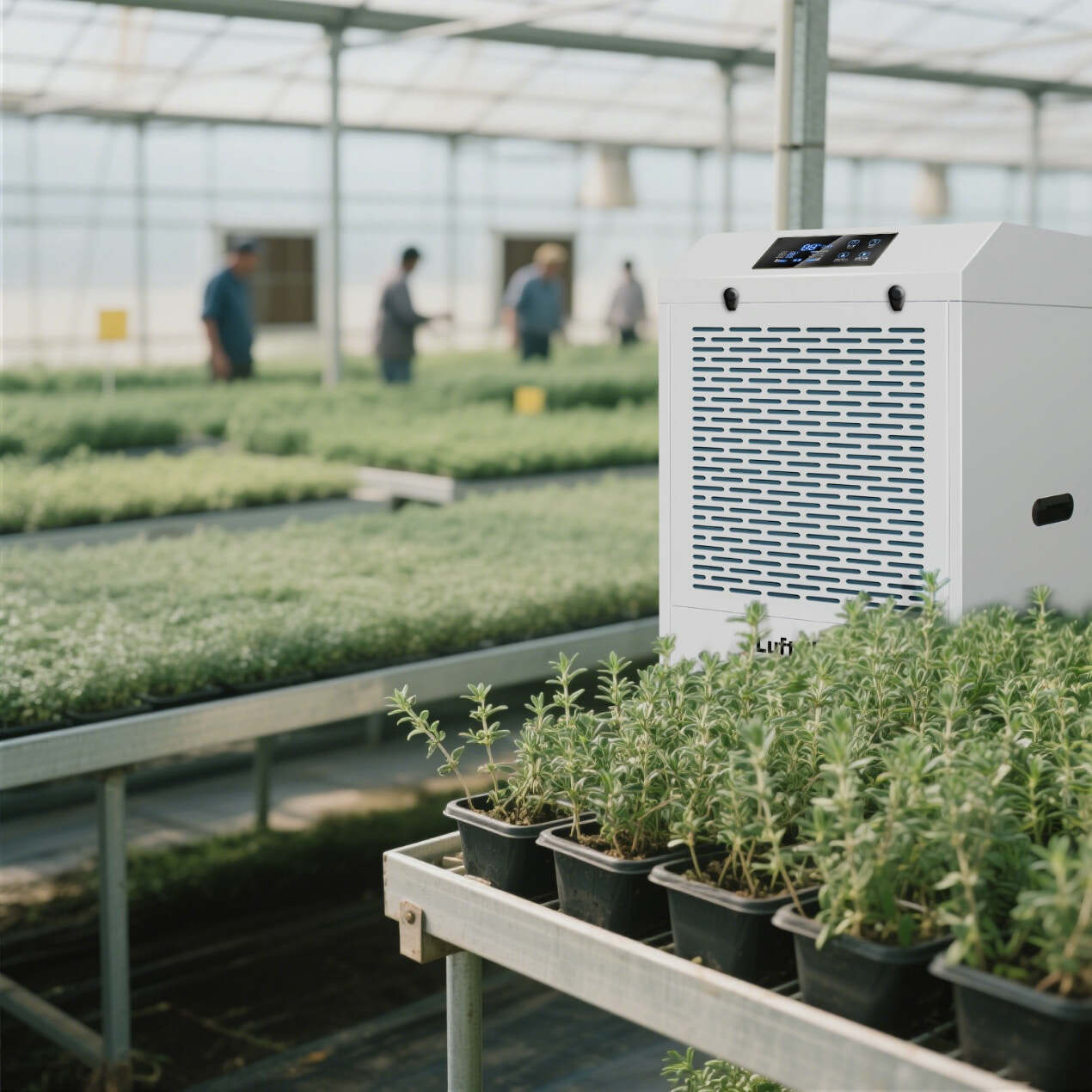
Rotary dehumidifiers demonstrate remarkable versatility across diverse environmental applications. In pharmaceutical manufacturing, they maintain the strict humidity controls necessary for powder processing and tablet coating. Food processing facilities rely on these systems to prevent condensation and maintain product quality during processing and packaging. In cold storage environments, they prevent ice formation and maintain clear visibility by controlling moisture levels. The technology proves equally valuable in chemical processing, where precise humidity control is essential for reaction stability and product quality. The systems can be customized with different desiccant materials and wheel configurations to match specific application requirements, providing optimal performance across various industries and processes.
Energy-Efficient Operation

Energy-Efficient Operation

The energy efficiency of rotary dehumidifiers represents a significant advancement in sustainable industrial processes. These systems incorporate heat recovery mechanisms that capture and reuse thermal energy from the regeneration process, substantially reducing overall energy consumption. Variable frequency drives optimize motor speeds based on demand, ensuring energy is not wasted during periods of lower humidity load. The ability to utilize low-grade waste heat for regeneration provides opportunities for integration with other industrial processes, creating synergistic energy savings. Advanced control systems monitor and adjust operating parameters in real-time, maintaining optimal performance while minimizing energy usage. This efficiency translates into lower operating costs and reduced environmental impact, making rotary dehumidifiers an environmentally responsible choice for industrial moisture control.
rotary dehumidifier types-0
rotary dehumidifier types-1

Get a Free Quote

Our representative will contact you soon.
Email
Name
Company Name
Message
0/1000

Get a Free Quote

Our representative will contact you soon.
Email
Name
Company Name
Message
0/1000