
 EN
EN
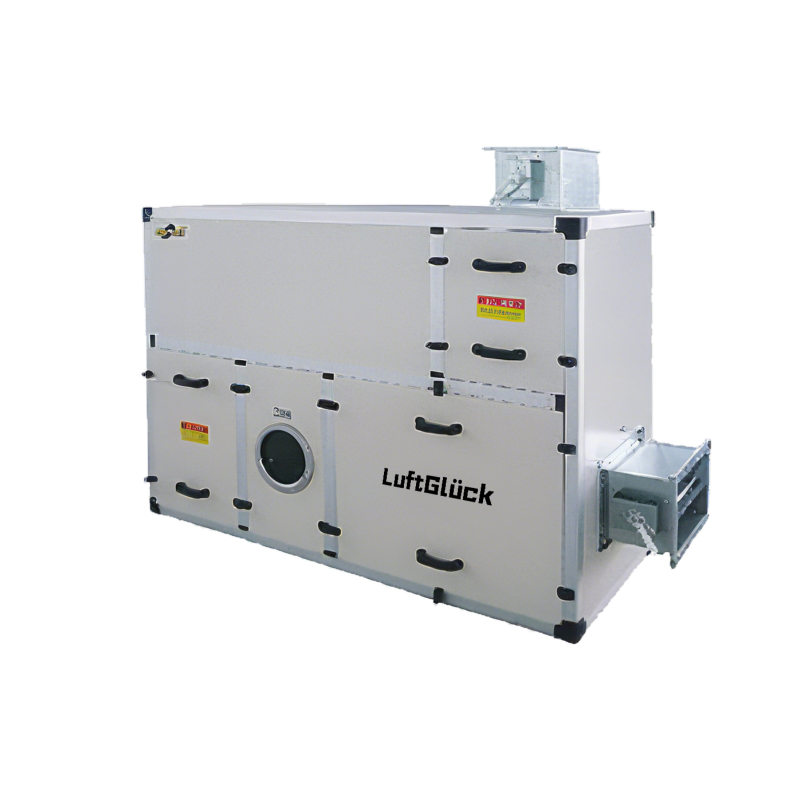
In modern industrial and commercial storage environments, maintaining optimal humidity levels is crucial for preserving product quality and extending shelf life. A combined rotor dehumidifier represents an advanced solution that integrates multiple dehumidification technologies to deliver superior moisture control performance. This innovative approach addresses the growing need for precise environmental control in warehouses, manufacturing facilities, and specialized storage applications where traditional dehumidification methods may fall short.
The increasing complexity of storage requirements across various industries has driven the development of more sophisticated humidity control solutions. From pharmaceutical storage facilities that require precise moisture levels to food processing plants managing temperature-sensitive products, the demand for reliable dehumidification technology continues to grow. Understanding how a combined rotor dehumidifier can transform storage conditions requires examining both the technical capabilities and practical benefits these systems provide in real-world applications.
Understanding Combined Rotor Dehumidifier Technology
Core Operating Principles
The combined rotor dehumidifier operates on advanced desiccant wheel technology that integrates multiple moisture removal mechanisms within a single system. This technology utilizes a rotating honeycomb wheel impregnated with moisture-absorbing materials that continuously cycle through adsorption and regeneration phases. The process begins when humid air passes through the rotating desiccant wheel, where moisture molecules are captured and held by the hygroscopic material embedded throughout the wheel structure.
During the regeneration phase, heated air flows through a separate section of the wheel, releasing the captured moisture and restoring the desiccant material to its original moisture-absorbing capacity. This continuous cycle ensures consistent dehumidification performance regardless of ambient temperature conditions. The combined rotor dehumidifier enhances this basic principle by incorporating additional moisture removal technologies that work synergistically to achieve superior humidity control across a wider range of operating conditions.
Integration of Multiple Technologies
What distinguishes a combined rotor dehumidifier from conventional systems is the integration of complementary dehumidification technologies within a single unit. These systems typically combine desiccant wheel technology with refrigeration-based dehumidification components, creating a hybrid approach that maximizes efficiency across varying temperature and humidity ranges. The refrigeration component handles high-moisture loads during initial processing, while the desiccant wheel provides precise low-humidity control for final conditioning.
This technological integration allows the combined rotor dehumidifier to automatically adjust its operating mode based on incoming air conditions and target humidity requirements. Advanced control systems monitor environmental parameters and seamlessly transition between different dehumidification modes to maintain optimal performance while minimizing energy consumption. The result is a versatile system capable of handling diverse storage applications with varying humidity control requirements.
Storage Environment Benefits
Enhanced Product Preservation
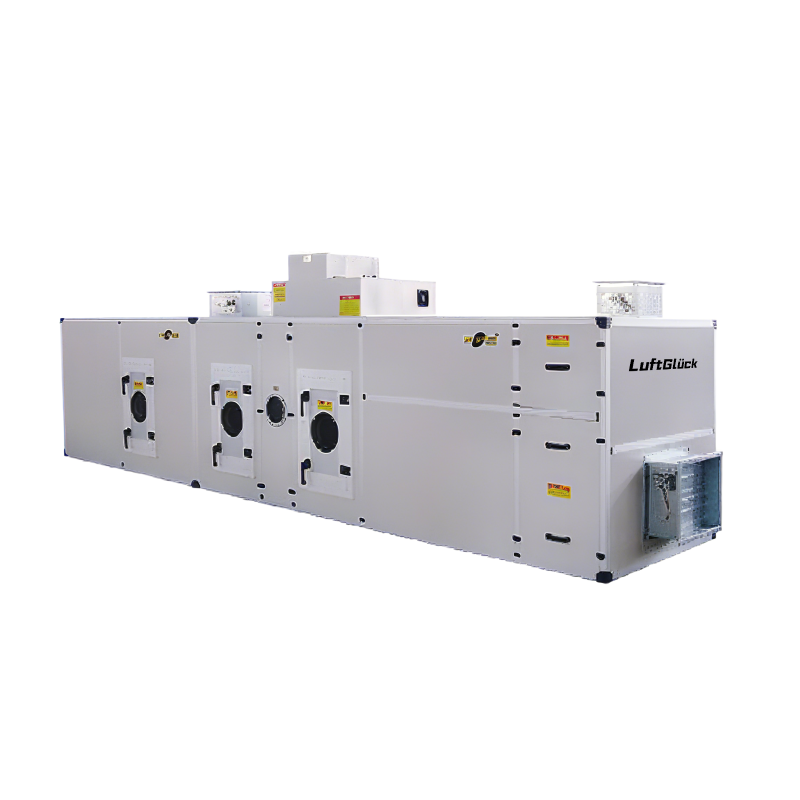
The primary advantage of implementing a combined rotor dehumidifier in storage environments is the significant improvement in product preservation capabilities. Consistent humidity control prevents moisture-related degradation that commonly affects stored materials, including corrosion of metal components, mold growth on organic materials, and dimensional changes in hygroscopic products. By maintaining precise humidity levels, these systems extend product shelf life and reduce waste associated with moisture damage.
Different product categories benefit from specific humidity ranges that a combined rotor dehumidifier can reliably maintain. Electronics and sensitive equipment require extremely low humidity levels to prevent corrosion and electrical failures, while pharmaceutical products need controlled environments to maintain potency and stability. Food products benefit from humidity control that prevents spoilage while maintaining texture and nutritional value. The ability to achieve and maintain these varied requirements makes the combined rotor dehumidifier an invaluable asset for multi-product storage facilities.
Climate Control Consistency
Traditional dehumidification systems often struggle to maintain consistent performance across varying seasonal conditions and operational demands. A combined rotor dehumidifier addresses these challenges through its multi-technology approach that adapts to changing environmental conditions. During high-humidity summer months, the system can utilize both refrigeration and desiccant technologies to handle peak moisture loads, while winter operations may rely primarily on the desiccant wheel for precise low-humidity control.
This adaptability ensures consistent storage conditions throughout the year, eliminating the humidity fluctuations that can compromise product quality. The advanced control systems in modern combined rotor dehumidifier units continuously monitor and adjust operation to maintain target humidity levels within tight tolerances. This consistency is particularly crucial for long-term storage applications where even minor humidity variations can accumulate into significant quality impacts over time.
Energy Efficiency and Cost Benefits
Optimized Energy Consumption
Energy efficiency represents a critical consideration for industrial dehumidification applications, where continuous operation can result in substantial power consumption. The combined rotor dehumidifier achieves superior energy efficiency through intelligent system integration that optimizes the use of different dehumidification technologies based on operating conditions. During periods of high ambient humidity, the refrigeration component handles bulk moisture removal at high efficiency, while the desiccant wheel provides final conditioning at lower energy cost.
Heat recovery systems integrated into advanced combined rotor dehumidifier designs further enhance energy efficiency by capturing waste heat from the refrigeration cycle and utilizing it for desiccant wheel regeneration. This synergistic approach reduces overall energy consumption compared to separate dehumidification systems and minimizes the environmental impact of humidity control operations. The result is reduced operating costs and improved sustainability for storage facility operations.
Operational Cost Reduction
Beyond direct energy savings, a combined rotor dehumidifier provides significant operational cost benefits through reduced maintenance requirements and improved reliability. The robust construction of desiccant wheel technology, combined with advanced control systems, results in extended service intervals and reduced downtime for maintenance activities. Automated diagnostic capabilities alert operators to potential issues before they impact system performance, enabling proactive maintenance scheduling that minimizes disruption to storage operations.
The improved product preservation achieved through consistent humidity control translates directly into reduced product loss and waste disposal costs. For high-value stored products, even modest improvements in preservation rates can result in substantial cost savings that quickly offset the investment in advanced dehumidification technology. Additionally, the ability to maintain precise storage conditions may enable facilities to accept more stringent product specifications or enter new market segments with higher profit margins.
Applications Across Industries
Pharmaceutical and Healthcare
The pharmaceutical industry presents some of the most demanding humidity control requirements, where precise environmental conditions are essential for maintaining product efficacy and regulatory compliance. A combined rotor dehumidifier excels in these applications by providing the ultra-low humidity levels required for hygroscopic drug compounds while maintaining the stability necessary for long-term storage. The system's ability to achieve humidity levels below 10% RH makes it ideal for storing moisture-sensitive active pharmaceutical ingredients and finished drug products.
Healthcare facilities also benefit from the enhanced environmental control provided by combined rotor dehumidifier systems, particularly in areas such as surgical instrument storage, medical device warehouses, and laboratory environments. The consistent humidity control prevents corrosion of expensive medical equipment and maintains the integrity of sterile packaging materials. Advanced monitoring and documentation capabilities support regulatory compliance requirements while ensuring optimal storage conditions for critical healthcare supplies.
Food and Beverage Processing
Food storage and processing facilities require carefully controlled humidity levels to maintain product quality, prevent spoilage, and ensure food safety compliance. A combined rotor dehumidifier provides the flexibility needed to accommodate diverse food products with varying moisture sensitivity requirements. Dry goods storage benefits from low humidity levels that prevent clumping and maintain flowability, while controlled atmosphere storage applications require precise humidity management to extend produce shelf life.
The ability of combined rotor dehumidifier systems to operate effectively across wide temperature ranges makes them particularly suitable for cold storage applications where traditional refrigeration-based dehumidifiers may struggle with ice formation. This capability enables food processors to maintain optimal storage conditions throughout their facilities while minimizing energy consumption and operational complexity. The improved product quality and extended shelf life achieved through precise humidity control directly impact profitability and customer satisfaction.
Installation and Maintenance Considerations
System Integration Requirements
Successful implementation of a combined rotor dehumidifier requires careful consideration of integration requirements with existing HVAC and building management systems. The modular design of modern systems facilitates integration with various facility configurations, while advanced control interfaces enable seamless communication with building automation systems. Proper sizing calculations must account for both peak moisture loads and continuous operation requirements to ensure adequate capacity for all storage conditions.
Installation planning should include provisions for adequate ventilation, electrical supply, and drainage connections required for optimal system performance. The combined rotor dehumidifier typically requires both supply air connections and exhaust air pathways to accommodate the various airflow streams involved in the dehumidification process. Professional installation ensures proper commissioning and calibration of control systems to achieve specified humidity targets while maximizing energy efficiency.
Preventive Maintenance Programs
Maintaining optimal performance from a combined rotor dehumidifier requires implementation of comprehensive preventive maintenance programs tailored to the specific operating conditions and application requirements. Regular inspection of the desiccant wheel, filtration systems, and heat exchangers ensures continued efficiency and prevents performance degradation that could compromise storage conditions. Advanced diagnostic systems provide real-time monitoring of key performance parameters and alert maintenance personnel to potential issues before they impact system operation.
The maintenance requirements for combined rotor dehumidifier systems are generally lower than separate dehumidification systems due to the integrated design and robust construction of key components. However, the complexity of multi-technology systems requires trained maintenance personnel familiar with both refrigeration and desiccant technologies. Establishing relationships with qualified service providers ensures prompt response to maintenance needs and access to genuine replacement components that maintain system performance and warranty coverage.
FAQ
What humidity levels can a combined rotor dehumidifier achieve
A combined rotor dehumidifier can achieve extremely low humidity levels, typically ranging from 1% to 10% relative humidity depending on the specific system configuration and operating conditions. This capability makes these systems ideal for applications requiring ultra-dry conditions such as pharmaceutical storage, electronics manufacturing, and specialized industrial processes. The precise humidity control allows facilities to maintain specific target levels within tight tolerances to meet stringent product storage requirements.
How does a combined rotor dehumidifier compare to traditional systems in terms of energy consumption
Combined rotor dehumidifier systems typically demonstrate 20-40% better energy efficiency compared to separate dehumidification systems handling equivalent loads. This improvement results from the synergistic operation of integrated technologies, heat recovery systems, and intelligent control algorithms that optimize energy use based on operating conditions. The ability to automatically adjust operation between different dehumidification modes ensures maximum efficiency across varying ambient conditions and moisture load requirements.
What industries benefit most from combined rotor dehumidifier technology
Industries with strict humidity control requirements benefit most from combined rotor dehumidifier technology, including pharmaceuticals, electronics manufacturing, food processing, aerospace, and precision manufacturing. These sectors require consistent environmental conditions to maintain product quality, prevent corrosion, and ensure regulatory compliance. The versatility and reliability of combined rotor dehumidifier systems make them particularly valuable for facilities handling multiple product types with varying humidity sensitivity requirements.
How long do combined rotor dehumidifier systems typically last with proper maintenance
With proper maintenance and operation, combined rotor dehumidifier systems typically provide 15-20 years of reliable service life. The desiccant wheel, being the primary component, can last 10-15 years under normal operating conditions, while other system components may have varying service lives. Regular preventive maintenance, proper filtration, and adherence to manufacturer operating guidelines significantly extend system life and maintain optimal performance throughout the service period. Advanced systems with predictive maintenance capabilities can often exceed expected service life through proactive component management and optimization.
Table of Contents
- Understanding Combined Rotor Dehumidifier Technology
- Storage Environment Benefits
- Energy Efficiency and Cost Benefits
- Applications Across Industries
- Installation and Maintenance Considerations
-
FAQ
- What humidity levels can a combined rotor dehumidifier achieve
- How does a combined rotor dehumidifier compare to traditional systems in terms of energy consumption
- What industries benefit most from combined rotor dehumidifier technology
- How long do combined rotor dehumidifier systems typically last with proper maintenance