
 EN
EN
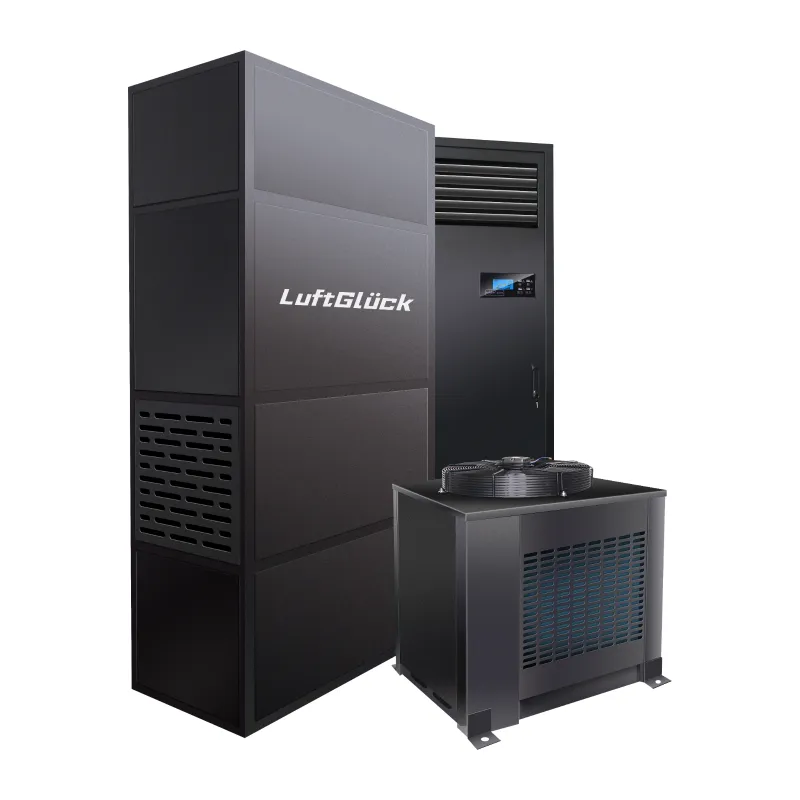
Long-term material storage presents unique challenges across various industries, from pharmaceuticals and electronics to textiles and archival preservation. The key to maintaining material integrity over extended periods lies in precise environmental control, which makes a constant temperature and humidity machine an essential piece of equipment for serious storage operations. These sophisticated systems provide the stable atmospheric conditions necessary to prevent degradation, contamination, and quality loss that can occur when materials are exposed to fluctuating environmental parameters.
Understanding Environmental Control Fundamentals
The Science Behind Material Degradation
Material degradation occurs through various mechanisms, with temperature and humidity fluctuations being primary catalysts for deterioration processes. When storage environments experience significant variations in these parameters, materials undergo thermal expansion and contraction cycles that can cause structural stress, cracking, and dimensional changes. High humidity levels promote corrosion in metals, mold growth in organic materials, and hydrolysis reactions in polymers, while excessive dryness can lead to brittleness and static electricity buildup.
A constant temperature and humidity machine addresses these concerns by maintaining precise atmospheric conditions within narrow tolerance ranges. These systems typically control temperature within ±0.5°C and relative humidity within ±2%, creating stable microclimates that significantly slow down degradation processes. The controlled environment prevents the formation of condensation, eliminates thermal shock, and maintains material properties at their optimal levels for extended periods.
Critical Parameters for Different Material Categories
Different materials require specific environmental conditions for optimal preservation. Pharmaceutical products often need storage temperatures between 2°C and 8°C with relative humidity levels maintained between 45% and 65% to preserve active ingredients and prevent bacterial growth. Electronic components benefit from stable conditions around 20°C to 25°C with humidity levels between 40% and 60% to prevent corrosion and static discharge damage.
Archive materials such as documents, photographs, and magnetic media require even more stringent control, typically maintained at 18°C to 20°C with relative humidity between 30% and 50%. These precise parameters help prevent paper acidification, photographic emulsion deterioration, and magnetic data loss. A properly configured constant temperature and humidity machine can accommodate these diverse requirements through programmable setpoints and advanced control algorithms.
Technical Capabilities and System Design
Advanced Control Systems and Monitoring
Modern constant temperature and humidity machines incorporate sophisticated control systems that utilize multiple sensors, feedback loops, and predictive algorithms to maintain stable conditions. These systems employ precision temperature sensors with accuracy levels of ±0.1°C and capacitive humidity sensors that provide reliable measurements across wide operating ranges. The integration of microprocessor-based controllers enables real-time adjustments and continuous monitoring of environmental parameters.
Data logging capabilities allow facility managers to track environmental conditions over time, generating comprehensive reports for compliance documentation and quality assurance purposes. Many systems feature remote monitoring capabilities through ethernet connectivity, enabling operators to access real-time data and receive alerts about any deviations from setpoint conditions. This level of control and monitoring ensures that a constant temperature and humidity machine can maintain optimal storage environments even during extended unmanned periods.
Energy Efficiency and Operational Economics
Contemporary constant temperature and humidity machines are designed with energy efficiency as a primary consideration, incorporating variable-speed compressors, heat recovery systems, and intelligent cycling algorithms to minimize power consumption. These features reduce operational costs while maintaining precise environmental control, making long-term material storage more economically viable for organizations with extensive storage requirements.
The economic benefits extend beyond energy savings, as proper environmental control significantly reduces material loss due to degradation. Studies indicate that facilities using professional-grade environmental control systems experience material loss rates below 1% annually, compared to 5% to 15% losses in uncontrolled environments. This dramatic reduction in material wastage often justifies the investment in a constant temperature and humidity machine within the first year of operation.
Industry Applications and Compliance Requirements
Pharmaceutical and Biotechnology Storage
The pharmaceutical industry represents one of the most demanding applications for environmental control systems, with strict regulatory requirements governing storage conditions for drugs, vaccines, and biological materials. Good Manufacturing Practice guidelines require continuous monitoring and documentation of storage conditions, making a constant temperature and humidity machine essential for compliance with FDA, EMA, and other regulatory bodies.
Vaccine storage presents particular challenges, as temperature excursions can render immunizations ineffective and potentially dangerous. Cold chain management protocols require storage temperatures to remain within specific ranges, typically 2°C to 8°C for most vaccines, with detailed documentation of any deviations. Advanced constant temperature and humidity machines designed for pharmaceutical applications include backup systems, battery power supplies, and automatic alarm systems to ensure continuous protection of valuable biological materials.
Electronics Manufacturing and Component Storage
Electronics manufacturing requires precise environmental control to prevent moisture-related damage to sensitive components and assemblies. Moisture-sensitive devices must be stored in controlled environments to prevent popcorn effects during reflow soldering processes, where trapped moisture can cause explosive expansion and component damage. Industry standards such as IPC/JEDEC J-STD-033 specify maximum exposure times and humidity levels for different component categories.
A constant temperature and humidity machine designed for electronics storage typically maintains relative humidity levels below 10% through desiccant drying systems, creating ultra-dry environments that prevent moisture absorption in hygroscopic materials. These systems often incorporate nitrogen purging capabilities and antistatic measures to provide comprehensive protection for sensitive electronic components during extended storage periods.
Installation Considerations and Best Practices
Facility Infrastructure and Space Planning
Successful implementation of a constant temperature and humidity machine requires careful consideration of facility infrastructure, including adequate electrical supply, proper ventilation, and appropriate space allocation for equipment installation and maintenance access. The system capacity must be matched to the storage volume and heat load characteristics of the facility, accounting for factors such as building insulation, occupancy patterns, and external environmental conditions.
Proper placement of sensors throughout the storage area ensures accurate monitoring and control of environmental conditions. Temperature and humidity gradients can develop in large storage spaces, requiring multiple monitoring points to verify uniform conditions. Strategic sensor placement near critical storage areas and potential problem zones enables the constant temperature and humidity machine to maintain optimal conditions throughout the entire storage environment.
Maintenance Protocols and System Longevity
Regular maintenance is essential for ensuring reliable operation and extending the service life of environmental control systems. Preventive maintenance schedules should include filter replacements, sensor calibration, refrigerant system inspection, and performance verification testing. Most manufacturers recommend quarterly maintenance visits for critical applications, with more frequent inspections during peak operating seasons.
Documentation of maintenance activities and system performance helps identify trends and potential issues before they impact storage conditions. Maintaining detailed service records also supports warranty claims and regulatory compliance requirements. A well-maintained constant temperature and humidity machine can provide reliable service for 15 to 20 years with proper care and periodic component updates.
Future Developments and Technology Trends
Smart Technology Integration
The integration of Internet of Things technology and artificial intelligence is transforming how constant temperature and humidity machines operate and interact with facility management systems. Smart sensors provide more accurate measurements and predictive analytics capabilities, enabling proactive maintenance scheduling and optimization of operating parameters based on usage patterns and external conditions.
Machine learning algorithms can analyze historical data to predict optimal operating strategies, reducing energy consumption while maintaining precise environmental control. These advanced systems can automatically adjust setpoints based on seasonal variations, occupancy schedules, and material storage requirements, providing unprecedented levels of automation and efficiency in long-term storage operations.
Sustainability and Environmental Impact
Environmental sustainability considerations are driving development of more efficient refrigeration systems and alternative cooling technologies for constant temperature and humidity machines. Natural refrigerants with lower global warming potential are replacing traditional synthetic refrigerants, while advanced heat pump technologies improve energy efficiency and reduce environmental impact.
Solar integration and renewable energy compatibility features enable facilities to operate environmental control systems with reduced carbon footprints. These developments align with corporate sustainability goals while maintaining the precise environmental control necessary for long-term material preservation. The evolution toward greener technologies ensures that a constant temperature and humidity machine can support both preservation objectives and environmental responsibility.
FAQ
What is the typical lifespan of materials stored in controlled environments
Materials stored in properly controlled environments using a constant temperature and humidity machine can maintain their properties and functionality significantly longer than those in uncontrolled conditions. Pharmaceutical products often retain potency for years beyond their labeled expiration dates when stored under optimal conditions, while electronic components can remain functional for decades. The exact lifespan depends on the specific material, storage conditions, and initial quality, but controlled environments typically extend usable life by 300% to 500% compared to ambient storage.
How do I determine the right capacity for my storage facility
Selecting the appropriate capacity for a constant temperature and humidity machine requires careful analysis of your storage volume, heat loads, air change requirements, and ambient conditions. Professional load calculations should account for building thermal characteristics, occupancy patterns, equipment heat generation, and peak environmental conditions. Most manufacturers provide sizing software or engineering support to ensure proper system selection. Oversizing by 20% to 30% provides operational flexibility and accounts for future expansion needs.
What backup systems should be considered for critical storage applications
Critical storage applications require comprehensive backup systems to prevent material loss during equipment failures or power outages. Redundant constant temperature and humidity machines, uninterruptible power supplies, emergency generators, and automated alarm systems provide multiple layers of protection. Many facilities implement N+1 redundancy, where backup capacity equals or exceeds primary system capacity. Backup systems should include independent monitoring and control systems to ensure continued operation during primary system maintenance or failures.
How often should environmental monitoring sensors be calibrated
Environmental monitoring sensors in a constant temperature and humidity machine should be calibrated according to manufacturer recommendations and regulatory requirements. Most applications require calibration every six to twelve months, with more frequent calibration needed for critical applications such as pharmaceutical storage. Calibration should be performed by qualified technicians using NIST-traceable reference standards. Documentation of calibration results is essential for compliance and quality assurance purposes, and sensors showing significant drift should be replaced to maintain measurement accuracy.