
 EN
EN
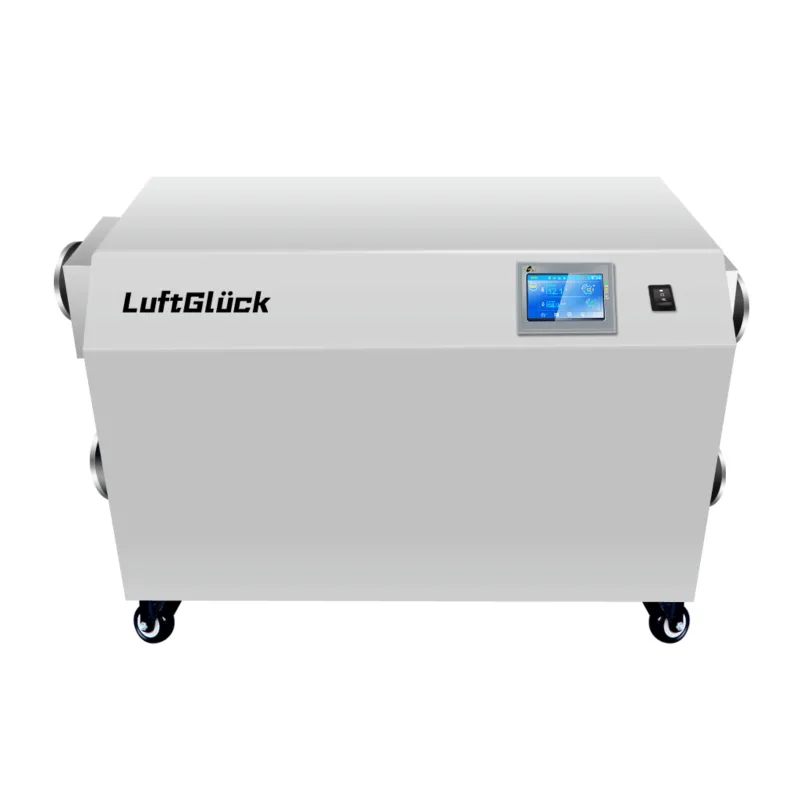
Industrial facilities operating in cold climates face unique challenges when managing humidity levels, particularly when temperatures drop below freezing. A rotary dehumidifier represents one of the most effective solutions for moisture control in these demanding environments, where traditional refrigeration-based systems often fail to deliver consistent performance. Understanding how these specialized units function under extreme conditions is crucial for facility managers, engineers, and procurement professionals seeking reliable humidity control solutions for cold storage warehouses, manufacturing plants, and processing facilities in northern climates.
Understanding Rotary Dehumidification Technology
Core Operating Principles
The fundamental operation of a rotary dehumidifier relies on adsorption rather than condensation, making it particularly well-suited for low-temperature applications. The system employs a slowly rotating wheel made from corrugated materials impregnated with desiccant compounds, typically silica gel or synthetic polymers. As humid air passes through one section of the wheel, moisture molecules are captured and held by the desiccant material through molecular attraction forces.
This adsorption process continues as the wheel rotates, with the moisture-laden portion moving into a separate air stream heated to approximately 120-180°C for regeneration. During regeneration, the captured moisture is released from the desiccant and expelled from the system, while the dried wheel section returns to the process air stream ready to capture more moisture. This continuous cycle enables consistent moisture removal regardless of ambient temperature conditions.
Desiccant Material Selection
Modern rotary dehumidifier systems utilize advanced desiccant materials specifically engineered for low-temperature performance. Silica gel remains the most common choice due to its exceptional moisture-holding capacity and stability across wide temperature ranges. However, newer synthetic polymer desiccants offer enhanced performance characteristics, including faster moisture transfer rates and improved resistance to contamination from industrial environments.
The selection of appropriate desiccant materials directly impacts system efficiency and longevity in cold environments. High-quality desiccants maintain their adsorption properties even when process air temperatures approach -40°C, ensuring reliable operation in the most challenging industrial applications. Additionally, premium desiccant formulations resist degradation from thermal cycling, maintaining consistent performance over extended operational periods.
Performance Characteristics in Cold Environments
Temperature Independence Advantages
Unlike conventional refrigeration-based dehumidification systems, a rotary dehumidifier maintains consistent performance across a broad temperature spectrum. While refrigerant systems experience dramatic efficiency losses as temperatures drop below 15°C and often cease functioning entirely near freezing, rotary systems actually demonstrate improved performance in cold conditions. Lower process air temperatures increase the vapor pressure differential between the air and desiccant material, enhancing moisture removal rates.
This temperature independence provides significant operational advantages in facilities subject to seasonal temperature variations or those requiring year-round humidity control in unheated spaces. Cold storage facilities, pharmaceutical manufacturing plants, and food processing operations particularly benefit from this consistent performance characteristic, as maintaining precise humidity levels becomes critical for product quality and regulatory compliance.
Energy Efficiency Considerations
Energy consumption patterns for rotary dehumidifier systems in low-temperature environments differ substantially from warm-weather operation. While the adsorption process requires no additional energy input regardless of temperature, regeneration heating demands remain constant. However, reduced ambient temperatures often allow for more efficient heat recovery systems, as the temperature differential between regeneration air and process air increases.
Advanced control systems optimize energy usage by modulating regeneration temperatures based on moisture loading and ambient conditions. Modern units incorporate variable-speed drives for wheel rotation and sophisticated heat exchangers that capture waste heat from the regeneration process. These efficiency improvements can result in 20-30% energy savings compared to older fixed-speed systems, making them increasingly attractive for large-scale industrial applications.
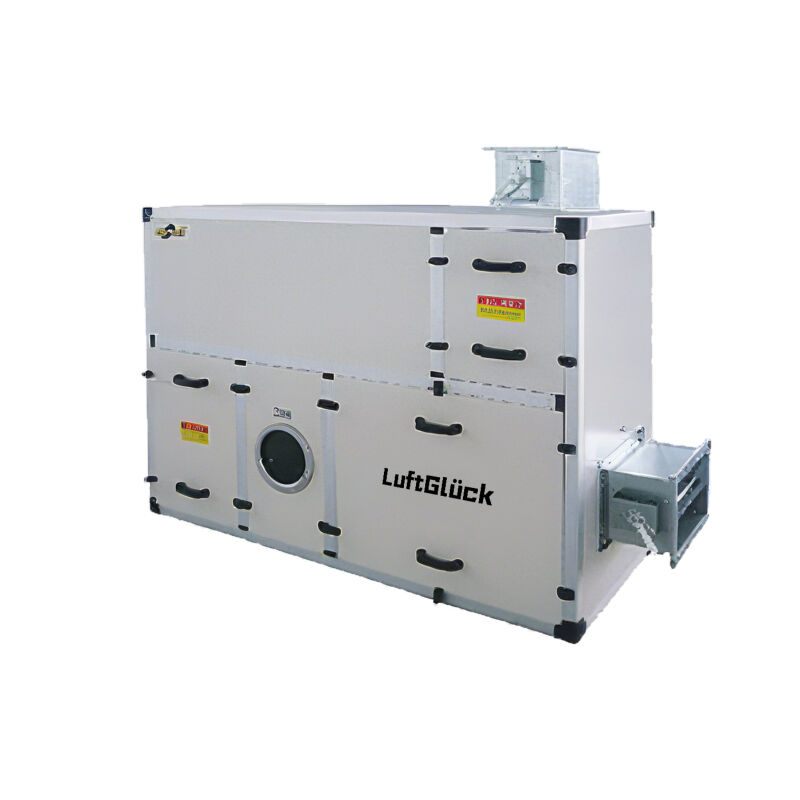
Installation and Design Considerations
System Sizing and Capacity Planning
Proper sizing of rotary dehumidifier systems for low-temperature applications requires careful consideration of several factors beyond standard moisture load calculations. Cold air holds significantly less moisture than warm air, meaning that achieving the same relative humidity reduction requires processing larger air volumes. Additionally, infiltration rates often increase in cold climates due to greater pressure differentials between indoor and outdoor environments.
Design engineers must account for thermal bridging effects, building envelope performance, and occupancy patterns when calculating total moisture loads. Conservative sizing approaches typically specify equipment capacity 15-25% above calculated peak loads to accommodate unexpected moisture sources and ensure reliable performance during extreme weather events. This oversizing also provides operational flexibility for future facility expansions or process modifications.
Integration with Building Systems
Successful integration of rotary dehumidifier systems in cold environments requires coordination with existing HVAC infrastructure, particularly heating and ventilation systems. The regeneration heat source must be carefully selected to ensure reliable operation during peak winter conditions, with options including electric resistance heating, steam coils, hot water loops, or direct gas firing depending on available utilities and economic considerations.
Ductwork design becomes particularly critical in cold climates, as condensation formation in supply ducts can create maintenance issues and reduce system efficiency. Proper insulation and vapor barriers prevent thermal losses and moisture migration, while strategically placed drainage systems handle any incidental condensation. Control system integration allows coordinated operation with space heating equipment, preventing conflicts between humidity control and temperature management objectives.
Maintenance and Operational Best Practices
Preventive Maintenance Protocols
Maintaining optimal rotary dehumidifier performance in cold environments requires adherence to comprehensive preventive maintenance schedules adapted for low-temperature operation. Regular inspection of desiccant wheel condition becomes particularly important, as thermal cycling between cold process air and hot regeneration conditions can accelerate material degradation. Visual inspections should identify any cracking, erosion, or contamination of the desiccant matrix.
Filter maintenance assumes heightened importance in cold-weather operation, as heating systems and reduced ventilation rates often increase airborne particulate levels. Clogged filters reduce airflow rates and force the system to work harder to achieve target humidity levels. Establishing filter replacement schedules based on actual pressure drop measurements rather than fixed time intervals ensures optimal system performance while minimizing unnecessary maintenance costs.
Performance Monitoring and Optimization
Continuous monitoring of key performance indicators enables early detection of system degradation and optimization opportunities in cold-weather operation. Critical parameters include process air and regeneration air temperatures, humidity levels at inlet and outlet points, wheel rotation speed, and energy consumption patterns. Modern control systems provide real-time data logging and trending capabilities that facilitate proactive maintenance scheduling.
Seasonal performance optimization involves adjusting operational parameters to match changing environmental conditions and facility requirements. Lower ambient temperatures may allow reduced regeneration temperatures while maintaining effective moisture removal, resulting in significant energy savings. Similarly, reduced wheel rotation speeds during periods of lower moisture loading can extend equipment life while maintaining adequate dehumidification performance.
Applications and Industry Benefits
Cold Storage and Food Processing
The food industry represents one of the largest markets for rotary dehumidifier systems in cold environments, where precise humidity control directly impacts product quality and shelf life. Frozen food storage facilities require humidity levels below 65% to prevent ice crystal formation and packaging degradation, conditions that conventional refrigeration-based dehumidifiers struggle to achieve consistently in sub-zero environments.
Dairy processing operations, meat processing plants, and produce storage facilities benefit from the reliable moisture control that rotary systems provide across varying temperature conditions. The ability to maintain stable humidity levels during temperature fluctuations associated with product loading and unloading operations prevents condensation formation that could lead to contamination or quality issues. Additionally, the absence of condensate drainage requirements eliminates freezing concerns that plague conventional systems in cold environments.
Pharmaceutical and Healthcare Facilities
Pharmaceutical manufacturing and storage facilities operating in cold climates require precise environmental control to maintain product stability and regulatory compliance. Active pharmaceutical ingredients, finished dosage forms, and medical devices often specify narrow humidity ranges that must be maintained regardless of seasonal temperature variations. Rotary dehumidifier systems provide the reliability and precision necessary to meet these stringent requirements.
Clean room applications particularly benefit from the contaminant-free operation of rotary systems, as the absence of standing water eliminates potential sources of microbial growth. The dry operation also reduces the risk of corrosion in sensitive electronic equipment and instrumentation commonly found in pharmaceutical manufacturing environments. Energy efficiency advantages become particularly important in these facilities, where continuous operation and strict environmental controls result in substantial utility costs.
Economic Considerations and ROI Analysis
Initial Investment and Lifecycle Costs
The economic justification for rotary dehumidifier systems in cold environments typically involves comparing initial capital costs against long-term operational expenses and reliability benefits. While rotary systems generally require higher upfront investment than conventional refrigeration-based alternatives, their superior performance in cold conditions often results in lower total cost of ownership over the equipment lifecycle.
Lifecycle cost analysis must consider factors including energy consumption patterns, maintenance requirements, system reliability, and productivity impacts associated with humidity control failures. In cold climates where conventional systems experience frequent breakdowns or require supplemental heating to prevent freeze-up, rotary systems often demonstrate superior economic performance despite higher initial costs. Additionally, the extended service life typical of quality rotary systems further improves return on investment calculations.
Energy Cost Optimization
Energy cost optimization strategies for rotary dehumidifier systems in cold environments focus on maximizing heat recovery efficiency and minimizing regeneration energy requirements. Heat wheel systems that capture waste heat from the regeneration process can reduce total energy consumption by 30-50% compared to systems without heat recovery. This efficiency improvement becomes particularly valuable in regions with high energy costs or limited utility capacity.
Time-of-use electricity pricing and demand charge management also influence system design and operation strategies. Thermal storage systems can shift regeneration energy consumption to off-peak hours, reducing operational costs in markets with significant time-of-use rate differentials. Smart control systems that predict moisture loads and optimize regeneration cycles based on utility pricing signals provide additional cost reduction opportunities for large industrial facilities.
FAQ
What temperature range can rotary dehumidifiers effectively operate in
Rotary dehumidifiers can effectively operate across an extremely wide temperature range, typically from -40°C to +70°C in the process air stream. Unlike refrigeration-based systems that lose efficiency and may cease functioning as temperatures approach freezing, rotary systems actually improve performance in cold conditions due to increased vapor pressure differentials. The regeneration section operates at elevated temperatures between 120-180°C regardless of ambient conditions, ensuring consistent moisture removal capability even in extreme cold environments.
How does maintenance differ for rotary dehumidifiers in cold climates
Maintenance requirements for rotary dehumidifiers in cold climates focus primarily on managing thermal cycling effects and increased particulate loading. Regular inspection of the desiccant wheel for cracking or degradation becomes more important due to repeated temperature variations between cold process air and hot regeneration conditions. Filter maintenance schedules may need to be accelerated due to increased heating system operation and reduced ventilation rates common in cold weather, which can elevate airborne particle concentrations.
Can rotary dehumidifiers provide freeze protection for other equipment
Yes, rotary dehumidifiers can provide effective freeze protection for other equipment by maintaining dry air conditions that prevent condensation formation and subsequent ice buildup. This protection extends to instrumentation, piping systems, electrical equipment, and structural components that might otherwise be damaged by freeze-thaw cycles. The dry air environment also reduces corrosion rates and extends equipment service life, making rotary dehumidifiers valuable for protecting critical infrastructure in cold storage facilities and unheated industrial buildings.
What energy sources work best for regeneration heating in cold climates
The optimal energy source for regeneration heating depends on local utility availability and costs, but steam and hot water systems often provide the most reliable performance in extreme cold conditions. Electric resistance heating offers precise temperature control but may be cost-prohibitive in high-capacity applications. Direct gas firing provides excellent efficiency and independence from other building systems, while waste heat recovery from other processes can significantly reduce operating costs. Heat pump systems may struggle in extreme cold, making them less suitable for harsh winter climates.