
 EN
EN
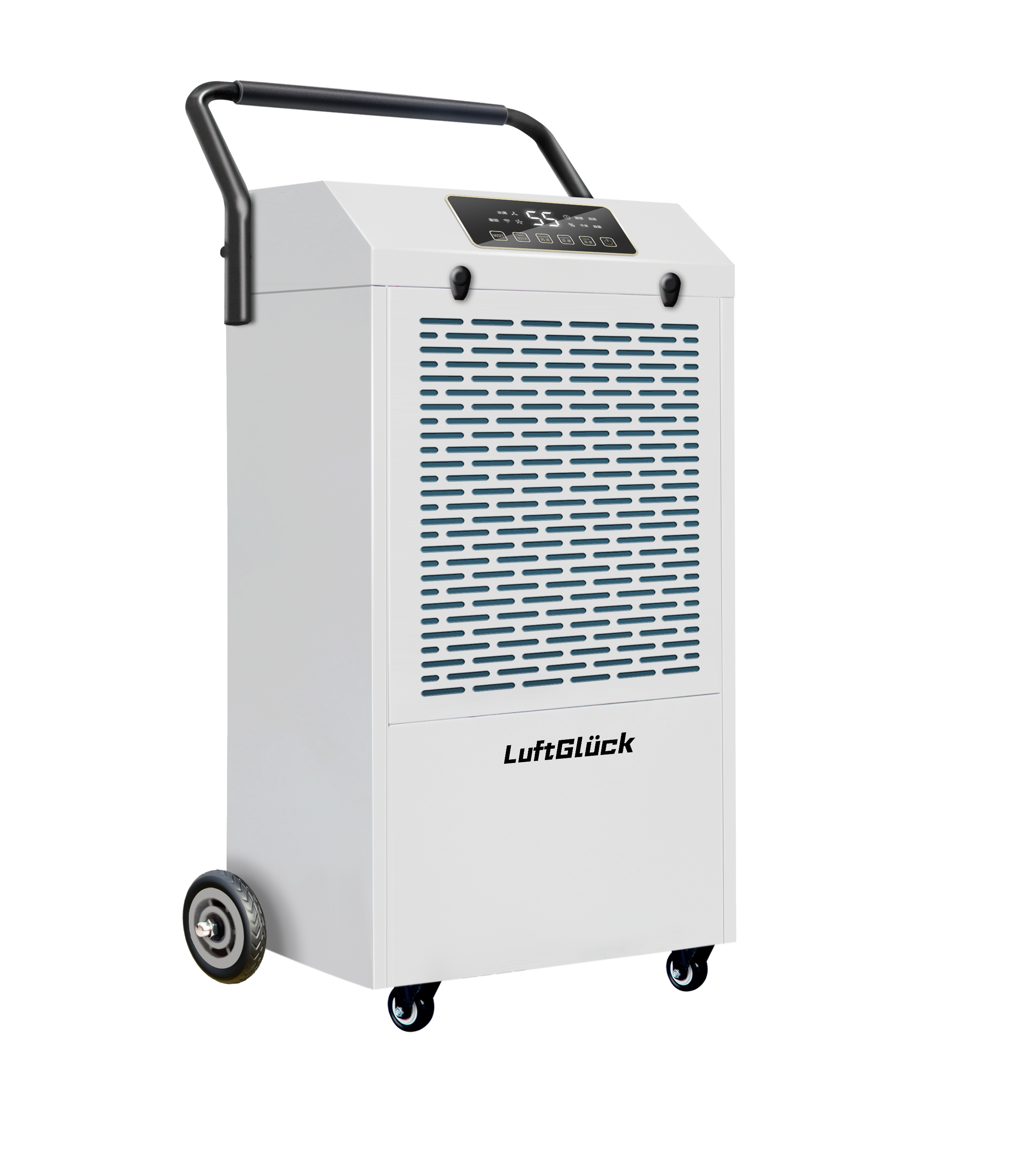
Managing humidity levels in warehouse environments has become increasingly critical for businesses that prioritize product integrity and operational efficiency. High humidity can wreak havoc on stored goods, equipment, and even the structural components of warehouse facilities. When moisture levels exceed optimal ranges, the consequences extend far beyond simple discomfort, affecting everything from inventory quality to employee health and safety. A warehouse dehumidifier serves as the cornerstone solution for maintaining proper atmospheric conditions, protecting valuable assets while ensuring compliance with industry standards and regulatory requirements.
The modern warehouse faces unique challenges when it comes to moisture control, particularly in regions with high ambient humidity or facilities that experience significant temperature fluctuations. Understanding the science behind humidity control and implementing effective solutions can mean the difference between profitable operations and costly inventory losses. Professional-grade dehumidification systems offer warehouses the ability to maintain precise environmental conditions regardless of external weather patterns or seasonal variations.
Understanding Humidity Challenges in Warehouse Operations
Impact of Excessive Moisture on Stored Inventory
Excessive humidity creates an environment where mold, mildew, and bacterial growth flourish, directly threatening the integrity of stored products. Paper goods, textiles, electronics, and food items are particularly vulnerable to moisture damage, often resulting in complete product loss or significant quality degradation. The economic implications extend beyond immediate inventory writeoffs, encompassing customer complaints, warranty claims, and potential legal liabilities when compromised products reach end consumers.
Packaging materials also suffer under high humidity conditions, with cardboard boxes losing structural integrity and metal components developing rust and corrosion. These deteriorating conditions can lead to collapsed storage systems, creating safety hazards for warehouse personnel while making inventory management increasingly difficult. The cascading effects of humidity-related damage often multiply exponentially, affecting multiple product lines and storage areas simultaneously.
Equipment and Infrastructure Deterioration
High humidity levels accelerate the deterioration of warehouse equipment and infrastructure components, leading to increased maintenance costs and unexpected system failures. Conveyor belts, forklifts, and automated sorting systems experience accelerated wear when exposed to persistent moisture, requiring more frequent servicing and earlier replacement schedules. Electrical systems become particularly vulnerable to humidity-related failures, posing both operational disruptions and safety risks.
The structural elements of warehouse buildings, including steel framework, concrete floors, and roofing systems, suffer long-term damage from sustained high humidity exposure. Condensation formation on surfaces creates ideal conditions for corrosion and structural weakening, potentially compromising the entire facility's integrity over time. Regular deployment of humidity control measures significantly extends the operational lifespan of both equipment and infrastructure investments.
Benefits of Professional Dehumidification Systems
Product Quality Preservation
Implementing a comprehensive warehouse dehumidifier system ensures consistent product quality by maintaining optimal moisture levels throughout storage areas. Products retain their intended characteristics, appearance, and functionality when protected from humidity-related degradation, resulting in higher customer satisfaction and reduced return rates. This preservation extends shelf life for many product categories, allowing warehouses to maintain larger inventory buffers without quality concerns.
Temperature-sensitive items benefit significantly from controlled humidity environments, as moisture regulation helps prevent thermal shock and condensation formation during temperature transitions. Pharmaceutical products, precision instruments, and specialty chemicals require specific humidity ranges to maintain their effectiveness and compliance with regulatory standards. Professional dehumidification systems provide the reliability and precision necessary for these critical applications.
Operational Efficiency Improvements
Controlled humidity environments contribute to improved worker comfort and productivity, as excessive moisture can create uncomfortable working conditions that impact employee performance and safety. Reduced humidity levels minimize the formation of slippery surfaces caused by condensation, decreasing the risk of workplace accidents and associated liability concerns. Staff members can work more efficiently in comfortable atmospheric conditions, leading to improved throughput and reduced error rates.
Energy efficiency improvements often accompany proper humidity control, as HVAC systems operate more effectively when not competing against excessive moisture loads. Warehouse dehumidifier systems reduce the burden on air conditioning equipment, resulting in lower energy consumption and extended equipment lifespan. The synergistic relationship between dehumidification and climate control creates optimal operating conditions while minimizing utility costs.
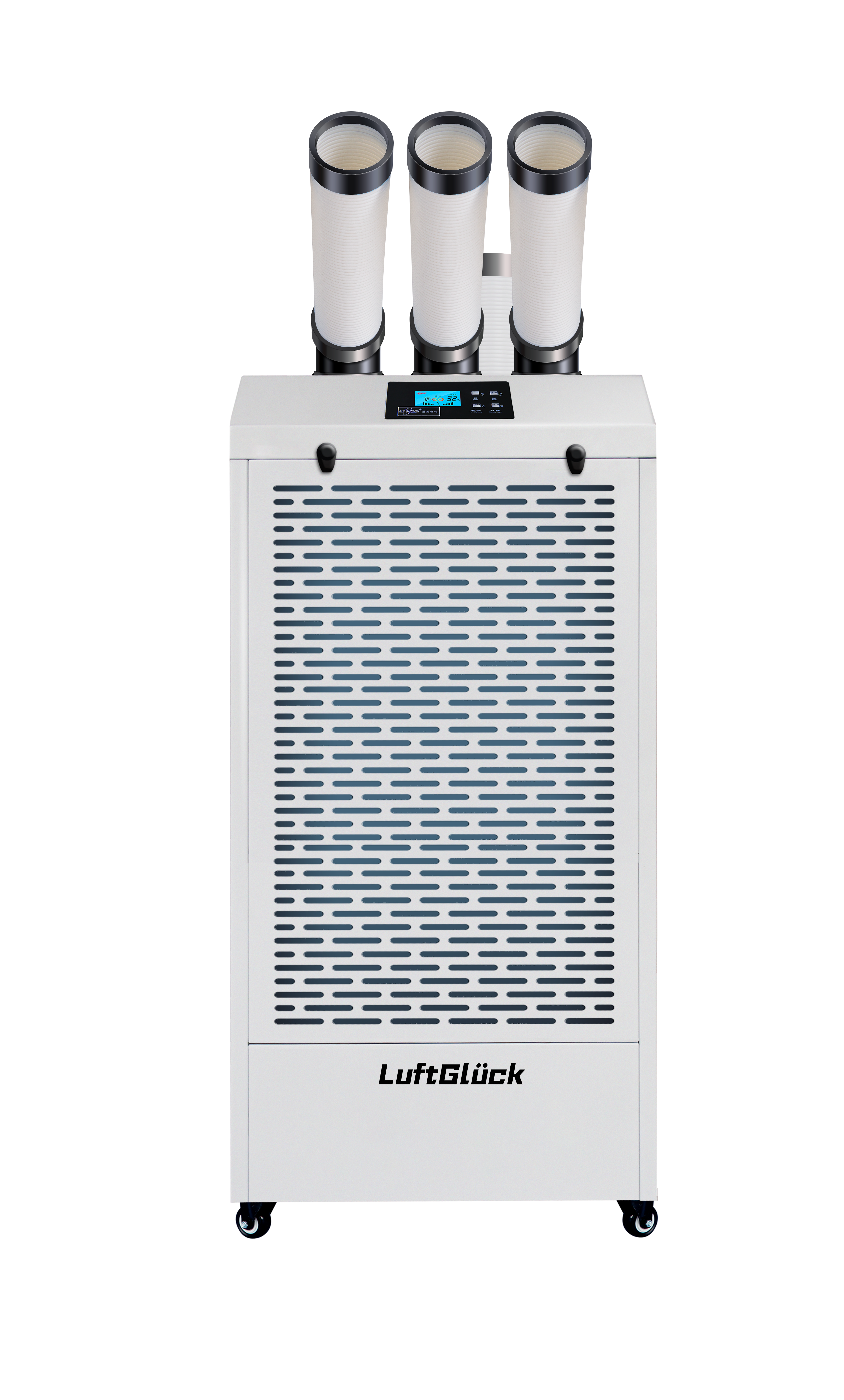
Selecting the Right Dehumidification Solution
Capacity and Coverage Requirements
Determining the appropriate capacity for warehouse dehumidifier systems requires careful analysis of facility size, ceiling height, air circulation patterns, and moisture sources. Professional assessment considers factors such as product types, packaging materials, and external humidity levels to calculate optimal system specifications. Undersized systems struggle to maintain desired humidity levels, while oversized units waste energy and may create excessive drying conditions that damage sensitive products.
Coverage area calculations must account for obstacles, partition walls, and varying ceiling heights that affect air circulation and moisture distribution. Multi-zone facilities often require multiple dehumidification units or specialized ducting systems to ensure uniform humidity control throughout the entire warehouse space. Strategic placement of equipment maximizes effectiveness while minimizing installation and operational costs.
Technology and Feature Considerations
Modern warehouse dehumidifier systems incorporate advanced technologies such as variable-speed compressors, intelligent humidity sensors, and remote monitoring capabilities that enhance performance and operational convenience. Energy-efficient designs reduce operating costs while maintaining precise environmental control, making these systems increasingly attractive for cost-conscious warehouse operators. Programmable controls allow for customized humidity profiles based on specific product requirements and seasonal variations.
Integration capabilities with existing warehouse management systems enable automated humidity control based on inventory changes, weather forecasts, and operational schedules. Smart sensors provide real-time data on humidity levels, system performance, and maintenance requirements, allowing proactive management of environmental conditions. These technological advances transform dehumidification from a reactive necessity into a strategic operational advantage.
Installation and Maintenance Best Practices
Professional Installation Requirements
Proper installation of warehouse dehumidifier systems requires expertise in electrical connections, drainage systems, and air circulation design to ensure optimal performance and safety compliance. Professional installers assess facility layout, identify optimal equipment placement, and design distribution systems that maximize coverage while minimizing energy consumption. Improper installation can result in ineffective humidity control, increased energy costs, and potential equipment damage.
Electrical requirements for industrial dehumidification systems often necessitate dedicated circuits and specialized connections to handle the power demands safely and efficiently. Drainage considerations include proper condensate removal systems that prevent water accumulation and potential flooding issues. Professional installation ensures compliance with local building codes and industry safety standards while maximizing system effectiveness.
Ongoing Maintenance and Monitoring
Regular maintenance schedules for warehouse dehumidifier systems include filter replacements, coil cleaning, and mechanical inspections that prevent performance degradation and extend equipment lifespan. Preventive maintenance programs identify potential issues before they result in system failures or costly emergency repairs. Proper maintenance ensures consistent humidity control performance while minimizing unexpected downtime that could compromise stored inventory.
Monitoring systems track performance metrics such as humidity levels, energy consumption, and operational hours to optimize system settings and identify maintenance requirements. Data logging capabilities provide valuable insights into seasonal patterns and operational trends that inform future capacity planning and system upgrades. Regular monitoring enables proactive adjustments that maintain optimal conditions while minimizing operational costs.
Cost-Benefit Analysis of Humidity Control
Initial Investment Considerations
The initial investment in warehouse dehumidifier systems varies significantly based on facility size, capacity requirements, and technology features, but the long-term benefits typically justify the upfront costs through inventory protection and operational improvements. Professional assessment helps determine the most cost-effective solution by analyzing specific facility requirements and comparing different system options. Financing options and energy efficiency incentives may be available to offset initial investment costs.
Return on investment calculations should consider factors such as inventory protection, equipment preservation, energy savings, and reduced maintenance costs that accumulate over the system's operational lifespan. Many warehouses recover their initial investment within the first few years through reduced inventory losses and improved operational efficiency. The economic benefits become more pronounced in facilities handling high-value or moisture-sensitive products.
Long-term Operational Benefits
Long-term operational benefits of professional dehumidification extend beyond immediate cost savings to include improved reputation, customer satisfaction, and competitive advantages in the marketplace. Warehouses that consistently maintain product quality through proper humidity control develop stronger relationships with suppliers and customers, leading to increased business opportunities and revenue growth. The reliability of humidity-controlled environments supports just-in-time inventory management strategies and reduces safety stock requirements.
Risk mitigation represents a significant long-term benefit, as controlled humidity environments reduce the likelihood of catastrophic inventory losses, equipment failures, and liability issues that could severely impact business operations. Insurance premiums may be reduced for facilities that implement comprehensive environmental control systems, providing additional cost savings. The cumulative effect of these benefits creates a compelling business case for investing in professional warehouse dehumidifier systems.
FAQ
What humidity level should be maintained in a warehouse environment
Optimal warehouse humidity levels typically range between 45-55% relative humidity, though specific requirements vary depending on stored product types and industry standards. Electronics and precision instruments may require lower humidity levels around 40-45%, while certain organic products can tolerate slightly higher levels up to 60%. Maintaining consistent humidity within the target range is more important than achieving exact percentages, as fluctuations can be more damaging than stable conditions slightly outside the ideal range.
How much does it cost to operate a warehouse dehumidifier system
Operating costs for warehouse dehumidifier systems depend on factors such as system capacity, local electricity rates, ambient humidity conditions, and facility size, typically ranging from $200-800 per month for medium-sized warehouses. Energy-efficient models with variable-speed compressors and smart controls can reduce operating costs by 20-30% compared to standard units. The cost is generally offset by savings from reduced inventory losses, lower HVAC loads, and decreased maintenance expenses on warehouse equipment and infrastructure.
Can existing warehouses be retrofitted with dehumidification systems
Most existing warehouses can be successfully retrofitted with dehumidification systems, though the complexity and cost vary depending on facility layout, electrical capacity, and structural considerations. Portable and modular dehumidification units offer flexible solutions for warehouses with space or infrastructure constraints, while permanent installations provide more comprehensive coverage and efficiency. Professional assessment determines the most suitable retrofit approach based on specific facility requirements and budget considerations.
How long does it take to see results after installing a warehouse dehumidifier
Warehouse dehumidifier systems typically begin reducing humidity levels within hours of operation, with noticeable improvements in air quality and condensation reduction appearing within 24-48 hours. Complete stabilization of humidity levels throughout the facility may take several days to weeks, depending on initial moisture levels, facility size, and weather conditions. Long-term benefits such as reduced mold growth, improved product quality, and equipment preservation become apparent over weeks and months of consistent operation.