
 EN
EN

High-humidity environments pose significant challenges for warehouse operations, affecting everything from inventory quality to worker safety. When moisture levels exceed optimal ranges, facilities face costly consequences including product damage, equipment corrosion, and compromised air quality. A warehouse dehumidifier serves as a critical solution for maintaining proper atmospheric conditions, protecting valuable inventory, and ensuring operational efficiency. Understanding the impact of humidity control technology helps facility managers make informed decisions about environmental management systems that directly influence their bottom line.
Understanding Humidity Challenges in Warehouse Environments
The Science Behind Moisture Accumulation
Warehouse facilities naturally accumulate moisture through various sources including external weather conditions, loading dock operations, and stored merchandise. Temperature fluctuations create condensation on surfaces, while frequent door openings introduce humid outdoor air into controlled environments. This moisture buildup creates ideal conditions for mold growth, corrosion, and product deterioration. Industrial warehouse dehumidifier systems work by removing excess moisture from the air, maintaining relative humidity levels between 45-55 percent for optimal storage conditions.
The thermal dynamics within large storage facilities create unique challenges that require specialized humidity control solutions. Concrete floors and metal roofing systems experience temperature variations that promote condensation formation during certain weather conditions. Without proper moisture management, these natural processes can quickly escalate into serious operational problems affecting inventory integrity and facility infrastructure.
Common Problems Caused by Excessive Humidity
Excessive moisture creates a cascade of problems that extend beyond simple discomfort. Inventory damage represents the most immediate concern, with products like electronics, textiles, and food items suffering significant deterioration when exposed to high humidity levels. Metal components and machinery develop rust and corrosion, leading to premature equipment failure and costly replacements. Paper-based materials including packaging and documentation become warped, discolored, or completely unusable.
Worker productivity and safety also suffer in high-humidity environments. Employees experience fatigue, difficulty concentrating, and increased susceptibility to heat-related illnesses. The combination of humidity and temperature creates oppressive working conditions that can lead to higher turnover rates and decreased operational efficiency. Additionally, excessive moisture promotes bacterial and fungal growth, potentially creating health hazards that violate workplace safety regulations.
Benefits of Professional Dehumidification Systems
Inventory Protection and Quality Preservation
Installing a warehouse dehumidifier provides comprehensive protection for stored merchandise across multiple product categories. Electronics and sensitive equipment maintain their functionality when kept within proper humidity ranges, preventing internal component corrosion and circuit board damage. Textile products retain their quality, preventing mildew formation and fabric degradation that can render entire shipments unsaleable. Food storage operations benefit significantly from humidity control, as moisture management extends shelf life and prevents spoilage-related losses.
The financial impact of inventory protection cannot be overstated. Facilities that implement proper dehumidification systems report substantial reductions in product loss claims, returned merchandise, and quality-related customer complaints. This protection translates directly into improved profit margins and enhanced customer satisfaction scores. Furthermore, maintaining optimal humidity levels helps preserve product packaging integrity, reducing the need for repackaging operations and associated labor costs.
Equipment Longevity and Maintenance Reduction
Warehouse equipment operates more efficiently and lasts longer when protected from moisture-related damage. Forklifts, conveyor systems, and automated storage equipment experience reduced corrosion and mechanical wear when maintained in properly dehumidified environments. This protection extends equipment lifespans, reduces maintenance frequency, and minimizes unexpected breakdowns that can disrupt operations. The investment in a quality warehouse dehumidifier often pays for itself through reduced equipment replacement and repair costs.
Electrical systems particularly benefit from humidity control, as moisture exposure can cause dangerous short circuits, power outages, and fire hazards. Proper dehumidification protects sensitive control panels, wiring systems, and electronic sensors that modern warehouses rely upon for automated operations. This protection ensures consistent system performance and reduces the risk of costly electrical failures that could shut down entire facility operations.
Types and Selection Criteria for Warehouse Dehumidifiers
Refrigerant vs Desiccant Dehumidification Technology
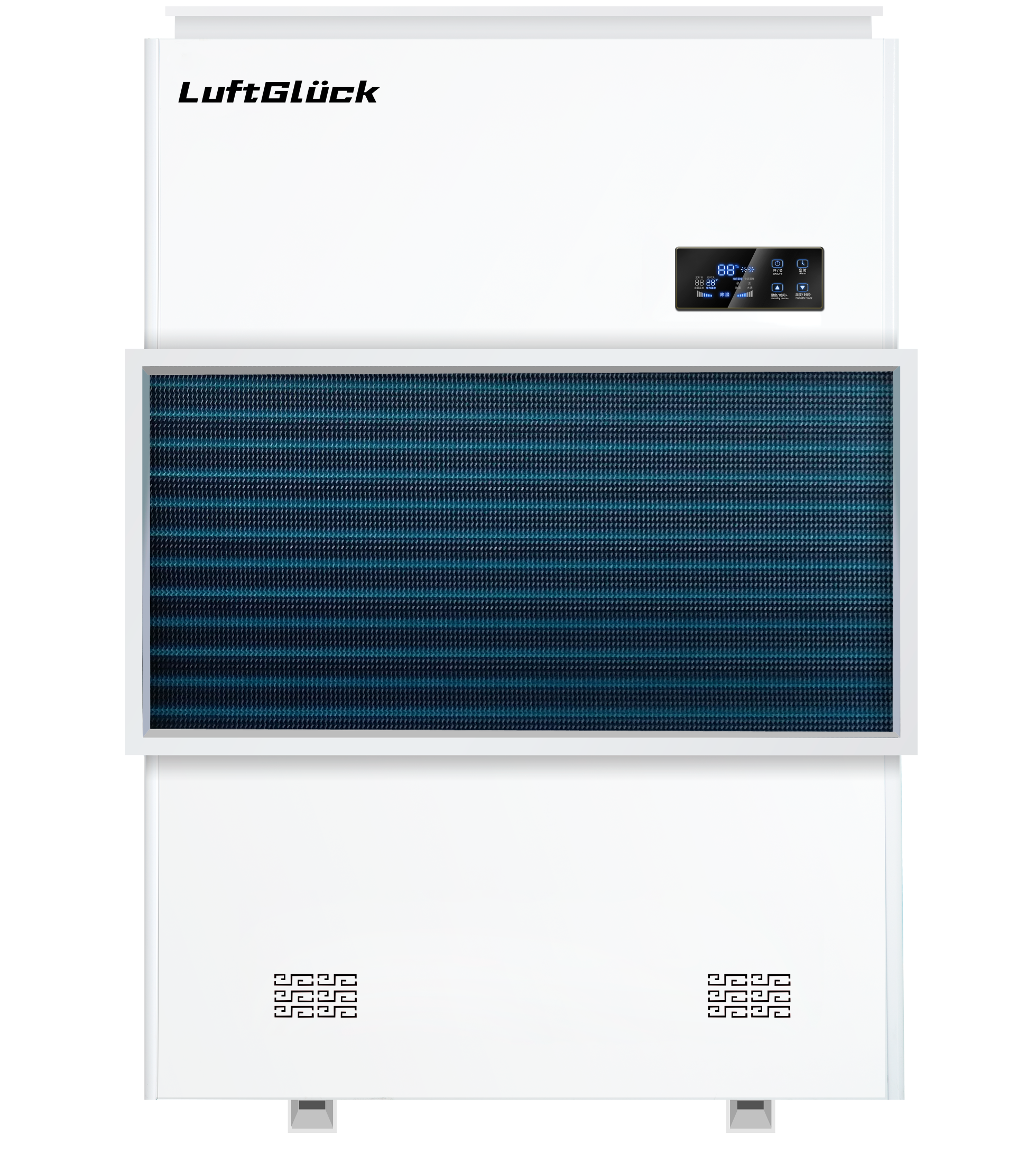
Refrigerant dehumidifiers operate by cooling air below its dew point, causing moisture to condense and collect in drainage systems. These units work effectively in moderate temperature environments and offer energy-efficient operation for most warehouse applications. They handle high-volume air processing efficiently and require minimal maintenance when properly installed. However, their effectiveness decreases in lower temperature environments, making them less suitable for cold storage facilities.
Desiccant warehouse dehumidifier systems use moisture-absorbing materials to remove humidity from the air regardless of temperature conditions. These units excel in cold storage environments and applications requiring extremely low humidity levels. While they typically consume more energy than refrigerant systems, desiccant dehumidifiers provide superior moisture removal capacity in challenging environmental conditions. The choice between technologies depends on specific facility requirements, operating temperatures, and desired humidity levels.
Capacity and Coverage Considerations
Selecting the appropriate capacity warehouse dehumidifier requires careful analysis of facility size, ceiling height, air exchange rates, and moisture load factors. Professional assessment considers factors including the number of loading docks, frequency of door openings, stored product types, and local climate conditions. Undersized units struggle to maintain proper humidity levels during peak demand periods, while oversized systems waste energy and may create uncomfortable temperature fluctuations.
Coverage area calculations must account for air circulation patterns, structural obstacles, and ventilation system interactions. Modern facilities often require multiple strategically placed units rather than single large-capacity systems to ensure uniform humidity control throughout the storage area. Proper sizing ensures optimal energy efficiency while maintaining consistent environmental conditions across the entire warehouse space.
Installation and Operational Best Practices
Strategic Placement and Integration
Optimal warehouse dehumidifier placement requires careful consideration of air circulation patterns, heat sources, and moisture generation points. Units should be positioned to maximize air intake from high-humidity areas while ensuring even distribution of processed air throughout the facility. Integration with existing HVAC systems can improve overall efficiency and reduce operational costs when properly coordinated by experienced technicians.
Drainage system design plays a crucial role in system effectiveness and maintenance requirements. Gravity drainage systems offer reliable operation with minimal maintenance, while condensate pumps provide flexibility in unit placement when gravity drainage is not feasible. Proper drainage prevents water accumulation that could create additional humidity problems or damage facility infrastructure.
Energy Efficiency and Cost Management
Modern warehouse dehumidifier systems incorporate advanced controls and sensors that optimize energy consumption while maintaining target humidity levels. Variable-speed fans, intelligent defrost cycles, and humidity-based operation reduce energy costs compared to constant-operation systems. Smart controls can integrate with building management systems to coordinate operation with other environmental control equipment for maximum efficiency.
Preventive maintenance programs ensure optimal system performance and energy efficiency throughout the equipment lifecycle. Regular filter changes, coil cleaning, and sensor calibration maintain peak operating efficiency while preventing costly repairs. Well-maintained systems consume less energy, operate more quietly, and provide more consistent humidity control than neglected equipment.
Return on Investment and Long-Term Benefits
Quantifiable Cost Savings
The financial benefits of implementing a warehouse dehumidifier extend across multiple operational areas, creating substantial return on investment opportunities. Reduced product loss, extended inventory shelf life, and decreased equipment maintenance costs contribute to immediate bottom-line improvements. Many facilities report 15-25% reductions in humidity-related losses within the first year of installation, making the investment economically attractive.
Energy cost optimization represents another significant benefit area, as properly controlled humidity levels allow HVAC systems to operate more efficiently. Reduced air conditioning loads during humid periods and improved heating efficiency during dry seasons create year-round energy savings. Additionally, improved air quality can reduce worker compensation claims and productivity losses associated with poor environmental conditions.
Enhanced Operational Reliability
Consistent environmental conditions provided by warehouse dehumidifier systems improve overall operational predictability and reliability. Inventory planning becomes more accurate when product degradation rates are minimized through proper humidity control. Equipment maintenance schedules become more predictable, reducing unexpected downtime and emergency repair costs that can disrupt customer fulfillment operations.
Quality control processes benefit from stable environmental conditions that reduce variability in product condition upon receipt and shipment. This consistency improves customer satisfaction scores and reduces return rates, enhancing the facility's reputation for reliable service. Long-term facility asset values also benefit from reduced structural damage and improved building condition maintenance.
FAQ
What humidity level should be maintained in a warehouse?
Most warehouse operations benefit from maintaining relative humidity levels between 45-55 percent. This range prevents moisture-related damage to most stored products while avoiding excessive dryness that can cause static electricity problems or material brittleness. Specific humidity requirements may vary based on stored product types, with some specialized applications requiring tighter control ranges.
How much energy does a warehouse dehumidifier consume?
Energy consumption varies significantly based on unit size, technology type, and operating conditions. Modern efficient units typically consume 6-8 watts per pint of moisture removal capacity under standard conditions. However, actual consumption depends on ambient humidity levels, temperature, and system load factors. Many facilities find that energy costs are offset by savings in inventory protection and equipment maintenance.
Can dehumidifiers work effectively in very large warehouse spaces?
Yes, properly sized and strategically placed warehouse dehumidifier systems can effectively control humidity in facilities exceeding 100,000 square feet. Large spaces often require multiple units working in coordination rather than single massive systems. Professional assessment ensures proper coverage and capacity matching for optimal performance in any size facility.
What maintenance is required for warehouse dehumidification systems?
Regular maintenance includes monthly filter changes, quarterly coil cleaning, and annual professional inspections. Drainage systems should be checked weekly to prevent blockages, while sensor calibration should be verified semi-annually. Most maintenance tasks can be performed by facility staff, though annual professional service helps ensure optimal performance and warranty compliance.