
 EN
EN
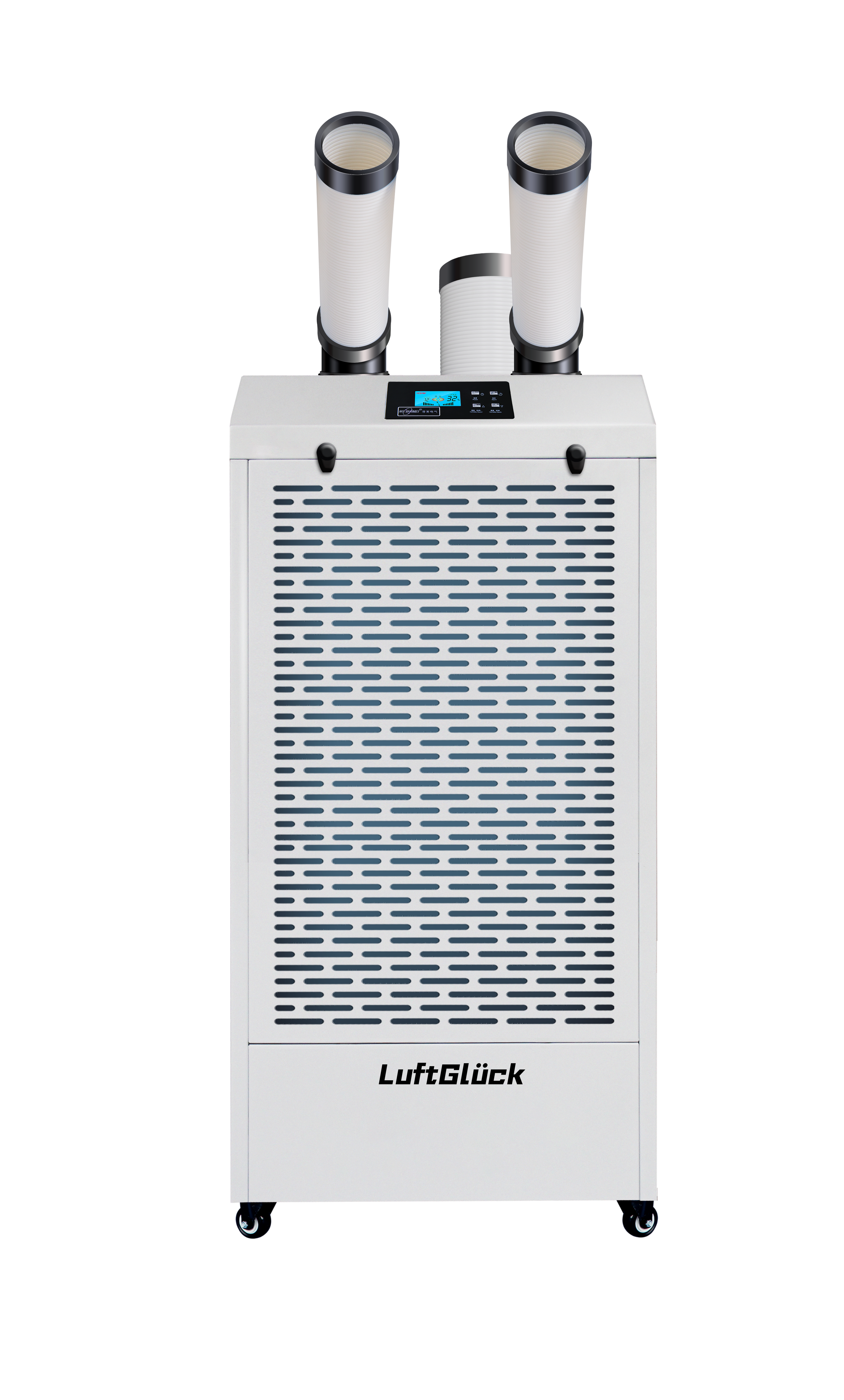
When temperatures soar and traditional cooling systems fall short, a portable air conditioner emerges as the perfect solution for immediate relief. These versatile cooling units offer unmatched flexibility for homeowners, businesses, and event organizers who need efficient climate control without permanent installation. Unlike fixed HVAC systems, portable cooling solutions can be moved from room to room, providing targeted comfort wherever needed most.
The growing demand for flexible cooling solutions has made portable air conditioning units increasingly popular across residential and commercial sectors. These compact powerhouses deliver impressive cooling capacity while maintaining energy efficiency standards that rival traditional systems. Whether dealing with unexpected heatwaves, temporary workspace cooling, or seasonal comfort needs, portable units adapt to changing circumstances with remarkable ease.
Understanding Portable Air Conditioning Technology
Core Components and Functionality
Modern portable air conditioning systems incorporate sophisticated refrigeration technology within compact, mobile designs. The fundamental cooling process relies on refrigerant circulation through evaporator and condenser coils, similar to traditional units but engineered for portability. Advanced compressor technology ensures optimal performance while maintaining relatively quiet operation levels suitable for residential and office environments.
The self-contained design integrates all essential components including the compressor, condenser, evaporator, and control systems within a single housing unit. This engineering approach eliminates the need for separate outdoor units while maintaining cooling efficiency. Most units feature built-in condensate management systems that either collect moisture in internal tanks or utilize innovative self-evaporation technology.
Energy Efficiency Considerations
Contemporary portable cooling units achieve impressive energy efficiency ratings through variable-speed compressors and smart temperature control systems. These technological advances result in significant energy savings compared to older models while delivering consistent cooling performance. Many units now feature programmable timers and sleep modes that optimize power consumption during different usage periods.
The ability to cool specific zones rather than entire buildings represents a major efficiency advantage for temporary cooling applications. Users can direct cooling power precisely where needed, avoiding the energy waste associated with cooling unoccupied spaces. This targeted approach often results in lower overall energy costs compared to central air systems operating at partial capacity.
Key Advantages for Temporary Applications
Installation Flexibility and Mobility
The primary advantage of portable air conditioner systems lies in their zero-installation requirements and complete mobility. Unlike window units or split systems, these units require no permanent modifications to building structures, making them ideal for rental properties or temporary facilities. Setup typically involves simple window kit installation that can be completed and removed without tools or technical expertise.
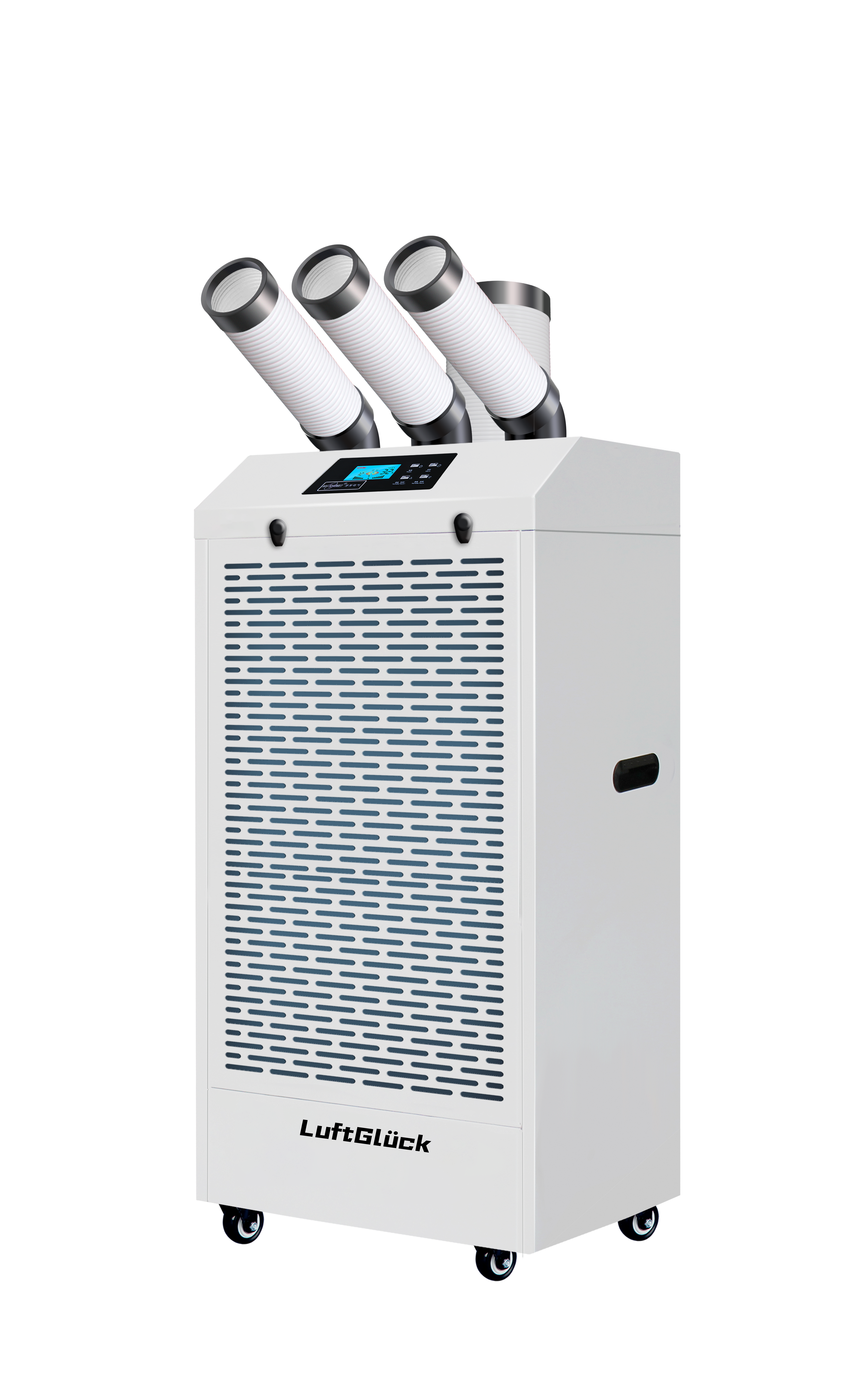
Mobility features including built-in wheels and ergonomic handles allow users to relocate units between rooms or buildings as cooling needs change. This flexibility proves invaluable during seasonal transitions, special events, or emergency cooling situations where fixed systems cannot provide adequate coverage. The ability to store units during off-seasons also appeals to users with limited permanent cooling needs.
Cost-Effective Cooling Solutions
Portable cooling systems offer significant cost advantages for temporary applications compared to permanent installation alternatives. The elimination of installation labor, electrical modifications, and structural changes reduces initial investment requirements substantially. Additionally, users avoid long-term maintenance contracts and system upgrades associated with permanent installations.
Rental and leasing options for portable units provide even greater cost flexibility for short-term cooling needs. Event organizers, construction companies, and seasonal businesses can access professional-grade cooling without capital equipment investments. This approach allows budget allocation toward core business activities while ensuring adequate climate control during critical periods.
Applications Across Different Industries
Residential Temporary Cooling
Homeowners frequently require temporary cooling solutions during HVAC system maintenance, renovations, or extreme weather events. Portable units provide immediate relief while primary systems undergo repairs or upgrades, preventing discomfort and potential health risks during hot weather periods. These situations often arise unexpectedly, making the quick deployment capability of portable systems particularly valuable.
Seasonal residences, guest rooms, and home offices represent additional residential applications where permanent cooling installations may not be cost-effective. Portable units allow homeowners to provide comfortable environments in spaces used intermittently without investing in dedicated HVAC infrastructure. The flexibility to relocate units between seasons maximizes utility while minimizing equipment costs.
Commercial and Industrial Uses
Commercial sectors utilize portable cooling for temporary workspace conditioning, server room backup cooling, and special event climate control. Construction sites, temporary offices, and pop-up retail locations benefit from portable solutions that provide professional comfort standards without permanent facility modifications. These applications often involve challenging environments where traditional cooling systems cannot operate effectively.
Industrial facilities employ portable units for spot cooling in manufacturing processes, equipment cooling during maintenance periods, and emergency backup cooling for critical operations. The ability to quickly deploy additional cooling capacity during peak production periods or equipment failures prevents costly downtime and maintains product quality standards. Specialized industrial-grade portable units handle demanding environments while providing reliable performance.
Selection Criteria for Optimal Performance
Capacity and Coverage Requirements
Proper sizing represents the most critical factor in portable air conditioner selection for temporary applications. Units must provide adequate cooling capacity measured in BTUs to effectively condition the intended space while operating efficiently. Undersized units struggle to maintain comfortable temperatures and consume excessive energy, while oversized units cycle frequently and fail to provide proper humidity control.
Room size calculations should account for ceiling height, insulation quality, window exposure, and heat-generating equipment or occupancy levels. Portable units typically handle spaces ranging from 150 to 500 square feet effectively, with specific capacity ratings clearly indicated by manufacturers. Professional consultation ensures optimal unit selection for challenging applications or unique environmental requirements.
Feature Requirements and Specifications
Advanced features enhance portable air conditioner performance and user convenience for temporary cooling applications. Programmable thermostats, multiple fan speeds, and timer functions provide precise climate control while optimizing energy consumption. Remote control capability and digital displays improve user experience, particularly in commercial or hospitality applications.
Specialized features such as heat pump functionality, air purification systems, and ultra-quiet operation expand application possibilities for portable units. Heat pump models provide year-round climate control for temporary facilities, while air purification features improve indoor air quality in challenging environments. Noise specifications become particularly important for office, bedroom, or hospitality applications where quiet operation is essential.
Maintenance and Operational Best Practices
Regular Maintenance Requirements
Portable cooling systems require minimal but consistent maintenance to ensure optimal performance throughout their service life. Regular filter cleaning or replacement maintains air quality and system efficiency while preventing premature component wear. Most units feature washable filters that require monthly cleaning during active use periods, with replacement intervals varying based on operating conditions.
Condensate management represents another critical maintenance aspect for portable units, particularly in high-humidity environments. Units with internal water collection tanks require regular emptying to prevent overflow and maintain cooling efficiency. Self-evaporating models still benefit from periodic inspection and cleaning of drainage components to prevent blockages or water damage.
Operational Optimization Strategies
Proper placement and installation significantly impact portable air conditioner performance and energy efficiency. Units should be positioned away from heat sources and direct sunlight while maintaining adequate clearance for air circulation. Window kit installation must create proper seals to prevent conditioned air loss and maintain system efficiency.
Strategic operation scheduling maximizes comfort while minimizing energy consumption during temporary cooling applications. Pre-cooling spaces before peak heat periods and utilizing programmable features reduce operating costs while maintaining desired comfort levels. Understanding local utility rate structures allows users to optimize operating schedules for maximum cost savings.
FAQ
How long can portable air conditioners operate continuously?
Most quality portable air conditioners are designed for continuous operation during hot weather periods without damage or significant performance degradation. However, regular maintenance including filter cleaning and condensate management ensures optimal performance during extended use. Units with thermal protection systems automatically prevent overheating while maintaining safe operation parameters.
What power requirements do portable air conditioners have?
Standard portable air conditioners typically operate on 115V household electrical circuits, though larger capacity units may require 230V connections. Most residential units draw between 5-15 amps of current, making them compatible with standard electrical outlets. Commercial-grade units may have specific electrical requirements that should be verified before installation.
Can portable air conditioners work effectively in very humid climates?
Modern portable air conditioners include dehumidification capabilities that remove excess moisture while cooling, making them effective in humid environments. Units typically remove 1-3 pints of moisture per hour depending on capacity and conditions. Some models feature dedicated dehumidification modes for moisture control without active cooling when needed.
Are portable air conditioners suitable for outdoor events?
Portable air conditioners require enclosed spaces to operate effectively and are not designed for direct outdoor use. However, they excel at cooling temporary structures such as tents, trailers, or temporary buildings used for outdoor events. Proper enclosure and electrical access enable effective climate control for various temporary outdoor applications.