
 EN
EN
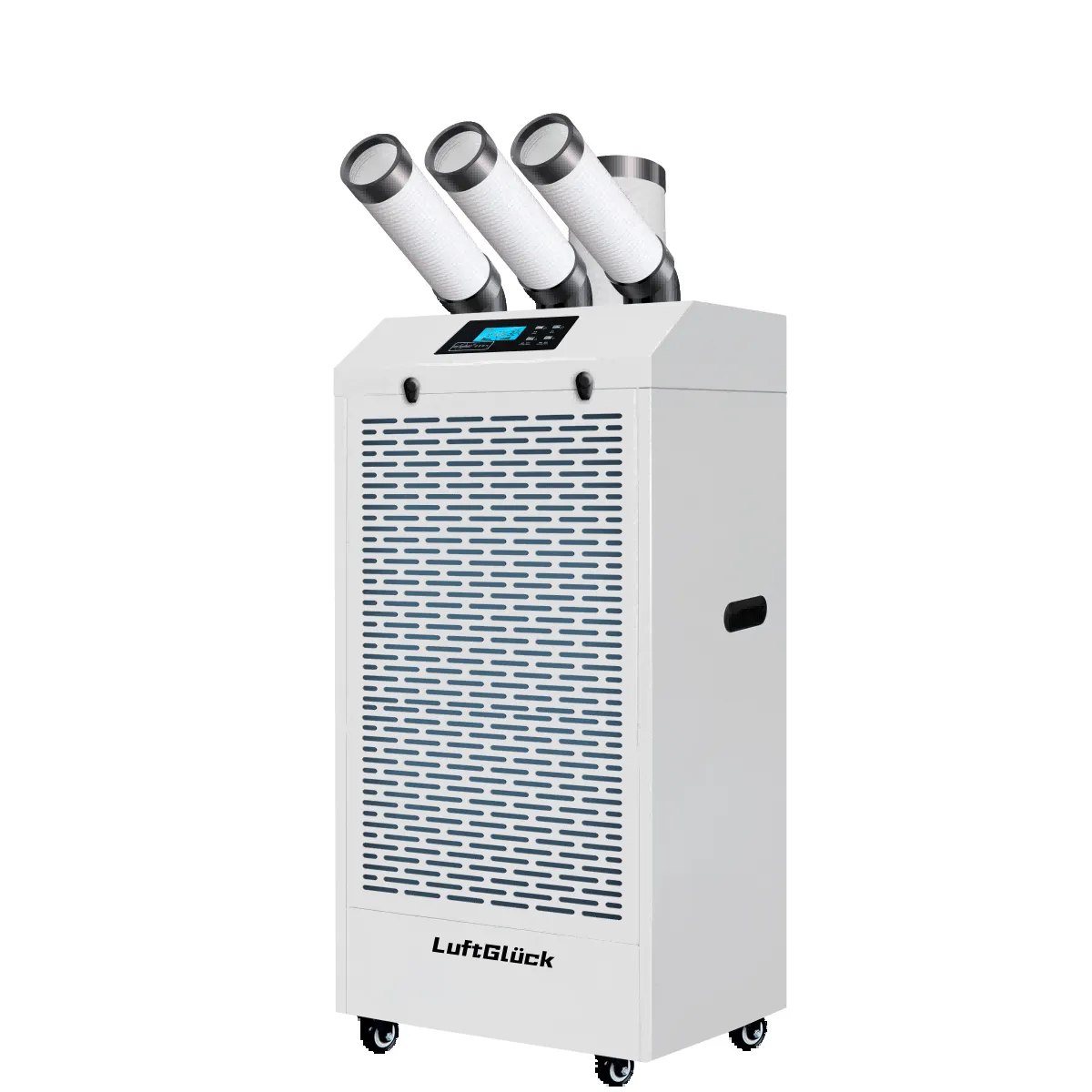
Commercial environments require reliable climate control solutions that can adapt to changing space requirements and seasonal demands. A commercial portable air conditioner offers the flexibility and efficiency that traditional fixed HVAC systems often cannot provide. These versatile cooling units serve multiple industries, from retail spaces and offices to warehouses and temporary facilities, delivering targeted cooling where and when it's needed most.
Understanding the key features that distinguish professional-grade portable cooling units from residential models is essential for making an informed purchasing decision. Commercial applications demand higher performance standards, enhanced durability, and specialized functionality that residential units simply cannot deliver. The right commercial cooling solution can significantly impact workplace productivity, equipment protection, and operational costs.
This comprehensive guide examines the critical features that define superior commercial portable cooling systems, helping business owners and facility managers identify the most suitable options for their specific operational requirements. From cooling capacity and energy efficiency to installation flexibility and maintenance considerations, we'll explore every aspect that influences long-term performance and return on investment.
Cooling Capacity and Performance Standards
BTU Requirements for Commercial Applications
Commercial cooling applications typically require significantly higher BTU ratings compared to residential use, often ranging from 12,000 to 60,000 BTU per hour or more. The cooling capacity needed depends on multiple factors including square footage, ceiling height, insulation quality, number of occupants, and heat-generating equipment present in the space. Professional-grade units must maintain consistent performance even under continuous operation demands.
Unlike residential models designed for intermittent use, commercial units operate in demanding environments where cooling failure can result in productivity losses, equipment damage, or regulatory compliance issues. The commercial portable air conditioner must deliver reliable performance under varying load conditions while maintaining energy efficiency standards that control operational costs.
Advanced capacity modulation features allow commercial units to adjust cooling output based on real-time temperature demands, preventing energy waste while ensuring optimal comfort levels. This intelligent performance management extends equipment lifespan and reduces utility expenses throughout the operating season.
Temperature Control Precision
Commercial environments often require precise temperature control within narrow tolerance ranges, particularly in applications involving sensitive equipment, inventory storage, or regulatory compliance requirements. Professional cooling systems incorporate advanced thermostatic controls that maintain temperature stability within plus or minus one degree of the setpoint.
Digital temperature displays and programmable controls enable facility managers to monitor and adjust cooling parameters remotely, supporting consistent environmental conditions across multiple zones or shifts. Some commercial models feature multi-zone capabilities that allow independent temperature control for different areas within a single facility.
The response time between temperature fluctuations and system adjustment is critical in commercial applications. High-performance units feature rapid-response sensors and variable-speed compressors that quickly adapt to changing thermal loads, preventing temperature swings that could affect product quality or employee comfort.
Energy Efficiency and Operating Cost Management
ENERGY STAR Certification and Efficiency Ratings
Commercial portable cooling units with ENERGY STAR certification demonstrate superior energy performance compared to standard models, typically consuming 10-15% less electricity while delivering equivalent cooling output. These efficiency gains translate into substantial cost savings over the equipment lifespan, particularly important for businesses managing multiple cooling units across large facilities.
The Seasonal Energy Efficiency Ratio (SEER) and Energy Efficiency Ratio (EER) ratings provide standardized metrics for comparing energy performance across different commercial models. Higher ratings indicate better efficiency, with premium commercial units achieving EER ratings of 11.0 or higher, significantly exceeding minimum efficiency standards.
Advanced inverter technology in commercial portable units allows compressor speed modulation based on cooling demand, eliminating the energy waste associated with traditional on-off cycling. This technology maintains consistent temperatures while reducing power consumption by up to 30% compared to conventional systems.
Smart Controls and Energy Management Features
Modern commercial portable air conditioning systems integrate sophisticated control technologies that optimize energy consumption based on occupancy patterns, outdoor temperature conditions, and facility usage schedules. Programmable timers, occupancy sensors, and smart thermostats work together to minimize unnecessary operation while maintaining comfort when spaces are occupied.
Remote monitoring capabilities allow facility managers to track energy consumption in real-time, identify inefficiencies, and adjust operating parameters to maximize cost savings. Some systems provide detailed usage reports that support energy management planning and utility rebate applications.
Integration with building management systems enables coordinated operation with other HVAC components, lighting systems, and ventilation equipment, creating comprehensive energy optimization strategies that reduce overall facility operating costs while maintaining optimal environmental conditions.
Durability and Construction Quality
Heavy-Duty Components for Commercial Use
Commercial portable air conditioners must withstand continuous operation cycles, frequent relocations, and demanding environmental conditions that would quickly damage residential-grade equipment. Professional models feature reinforced chassis construction, industrial-grade compressors, and enhanced vibration dampening systems that ensure reliable performance throughout extended operating periods.
The condenser and evaporator coils in commercial units utilize thicker gauge materials and corrosion-resistant coatings that resist damage from humidity, chemical exposure, and temperature extremes. These enhanced components maintain heat transfer efficiency longer than standard coils, preserving cooling performance and extending service intervals.
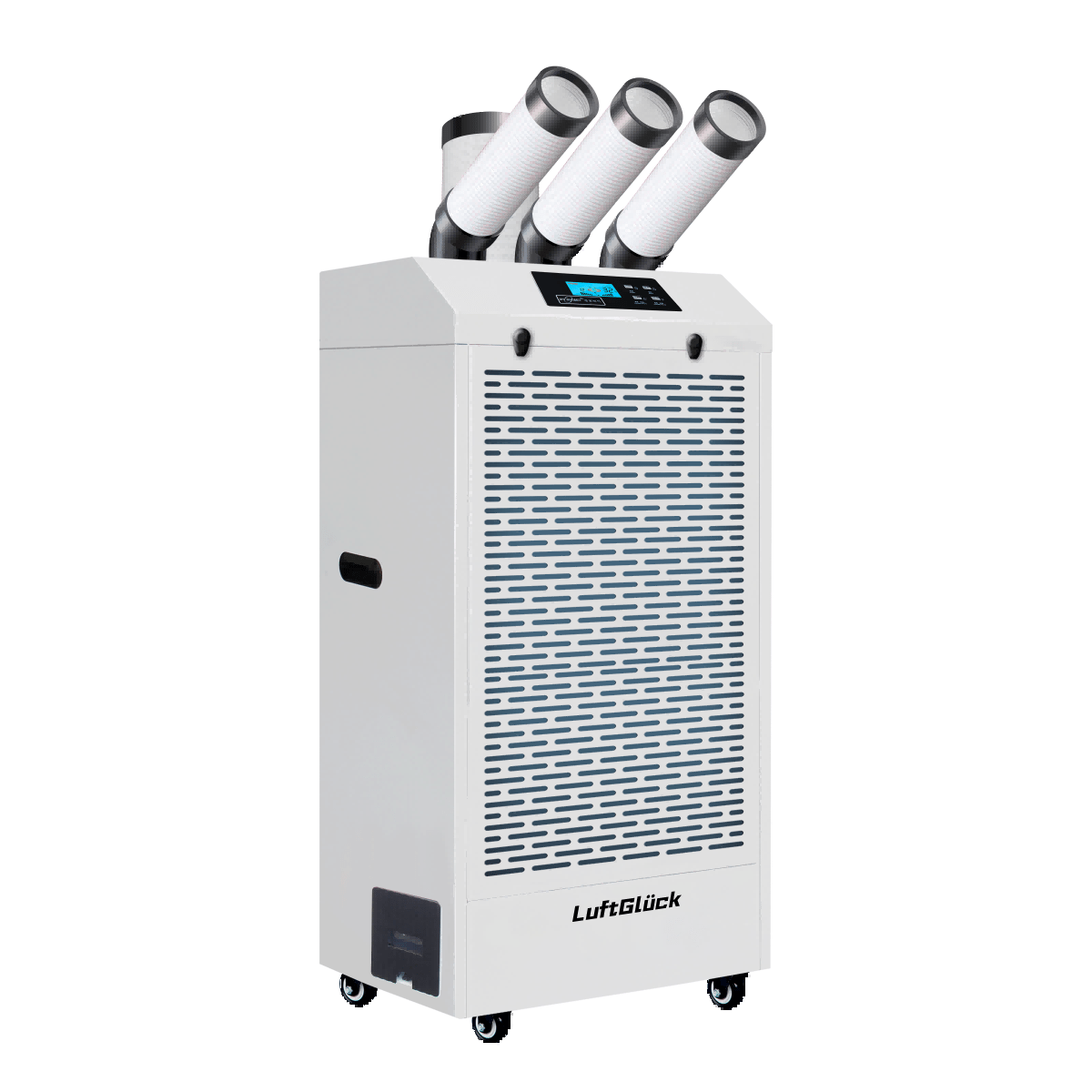
Heavy-duty caster wheels and reinforced housing materials enable safe transportation across various floor surfaces without compromising structural integrity. Professional models often include locking mechanisms and protective bumpers that prevent damage during facility relocations or storage periods.
Extended Warranty Coverage and Service Support
Commercial applications require comprehensive warranty protection that covers both parts and labor for extended periods, typically three to five years compared to one-year coverage common with residential models. This extended coverage reflects manufacturer confidence in equipment durability while providing business owners protection against unexpected repair costs.
Professional service networks ensure rapid response for maintenance and repairs, minimizing downtime that could affect business operations. Many commercial units include preventive maintenance schedules and remote diagnostic capabilities that identify potential issues before they cause system failures.
Replacement parts availability and service technician training programs ensure long-term supportability throughout the equipment lifecycle, protecting the investment value and maintaining optimal performance standards over many years of operation.
Installation Flexibility and Ventilation Options
Ductwork and Exhaust Configurations
Commercial portable cooling systems offer multiple ventilation configurations to accommodate diverse facility layouts and installation constraints. Standard exhaust options include single-hose, dual-hose, and split-system configurations, each optimized for specific applications and performance requirements.
Dual-hose systems provide superior efficiency by separating condenser air intake from the conditioned space, preventing negative pressure conditions that can compromise cooling performance. This configuration is particularly important in commercial environments where maintaining proper air balance affects overall HVAC system efficiency.
Flexible ductwork options enable installation in challenging spaces where traditional fixed systems would be impractical or cost-prohibitive. Quick-disconnect fittings and modular duct sections allow rapid deployment and reconfiguration as facility requirements change over time.
Power Requirements and Electrical Compatibility
Commercial portable air conditioners accommodate various electrical configurations including single-phase and three-phase power supplies, with voltage options ranging from 208V to 480V to match existing facility infrastructure. Higher voltage options improve energy efficiency while reducing electrical current requirements and associated wiring costs.
Professional models include comprehensive electrical protection features such as phase monitors, voltage surge protection, and ground fault interruption that protect equipment from power quality issues common in industrial environments. These safety features prevent damage and ensure reliable operation even under challenging electrical conditions.
Plug configurations and cord lengths are designed for commercial applications, featuring heavy-duty connections and extended reach capabilities that eliminate the need for temporary extension cords or electrical modifications in most installation scenarios.
Advanced Features for Professional Applications
Humidity Control and Air Quality Management
Commercial environments often require precise humidity control to protect inventory, maintain equipment operation, or meet regulatory requirements. Professional portable units incorporate enhanced dehumidification capabilities that remove excess moisture while maintaining optimal comfort levels for occupants.
Built-in air filtration systems improve indoor air quality by removing dust, pollen, and other airborne contaminants that could affect employee health or product quality. High-efficiency particulate filters and optional activated carbon elements provide comprehensive air cleaning capabilities suitable for sensitive commercial applications.
Continuous drainage options eliminate manual water removal requirements, allowing unattended operation for extended periods. Gravity drain connections and optional condensate pumps ensure reliable moisture removal even in basement installations or areas without floor drains.
Monitoring and Diagnostic Capabilities
Modern commercial portable cooling systems include comprehensive monitoring capabilities that track operational parameters, energy consumption, and maintenance requirements. Digital displays provide real-time status information while data logging features support performance analysis and optimization efforts.
Self-diagnostic systems continuously monitor critical components and alert operators to potential issues before they cause system failures. Error codes and diagnostic messages help technicians quickly identify problems and implement appropriate corrective actions, minimizing downtime and repair costs.
Remote communication options enable facility managers to monitor multiple units from central locations, receiving alerts for maintenance requirements, filter changes, or operational anomalies. This centralized monitoring capability is essential for managing cooling systems across large facilities or multiple locations.
Size and Mobility Considerations
Space Requirements and Physical Dimensions
Commercial portable air conditioners must balance cooling capacity with physical size constraints, ensuring adequate performance while fitting within available floor space. Professional models optimize internal component layout to maximize cooling output per square foot of floor area occupied.
Vertical clearance requirements affect installation options in facilities with low ceilings or overhead obstacles. Compact designs maintain full functionality while fitting under standard ceiling heights, enabling deployment in warehouses, retail spaces, and office environments with varying architectural constraints.
Weight distribution and center of gravity considerations affect transportation safety and floor loading requirements. Professional units incorporate design features that minimize tipping risks while distributing weight evenly across support surfaces to prevent floor damage.
Portability Features and Transportation
Heavy-duty caster systems enable smooth movement across various floor surfaces including carpets, tiles, and concrete without damaging flooring materials. Swivel casters and ergonomic handles facilitate single-person maneuvering even for high-capacity units weighing several hundred pounds.
Integrated lifting points and forklift slots accommodate mechanical handling equipment for safe transportation in industrial environments. These features prevent damage during installation and enable efficient repositioning as cooling requirements change throughout facility operations.
Protective features such as corner guards, recessed controls, and impact-resistant housing materials prevent damage during transport and storage. These design elements are particularly important for rental applications or facilities that frequently relocate cooling equipment.
FAQ
What cooling capacity should I choose for my commercial space
Commercial cooling capacity requirements depend on several factors including space size, ceiling height, insulation levels, occupancy, and heat-generating equipment. As a general guideline, calculate 25-30 BTU per square foot for typical office spaces, increasing to 35-40 BTU per square foot for areas with high occupancy or equipment loads. Consulting with an HVAC professional ensures accurate sizing for optimal performance and energy efficiency.
How do commercial portable units differ from residential models
Commercial portable air conditioners feature heavy-duty construction, higher cooling capacities, extended warranty coverage, and advanced control systems designed for continuous operation. They typically offer superior energy efficiency, precise temperature control, and enhanced durability compared to residential units. Commercial models also provide professional installation support and service networks essential for business applications.
What maintenance is required for commercial portable air conditioners
Regular maintenance includes monthly air filter cleaning or replacement, seasonal coil cleaning, condensate drain inspection, and annual professional service including refrigerant level checks and electrical connection inspection. Proper maintenance extends equipment life, maintains energy efficiency, and prevents unexpected failures that could disrupt business operations. Many commercial units include maintenance reminders and diagnostic features that simplify upkeep requirements.
Can commercial portable units operate in extreme temperature conditions
Quality commercial portable air conditioners are designed to operate effectively in ambient temperatures ranging from 32°F to 125°F, with some models featuring extended temperature ranges for specialized applications. Cold weather operation may require optional low-ambient kits, while high-temperature environments benefit from enhanced condenser designs and thermal protection systems. Always verify operating temperature specifications match your specific environmental conditions.