
 EN
EN
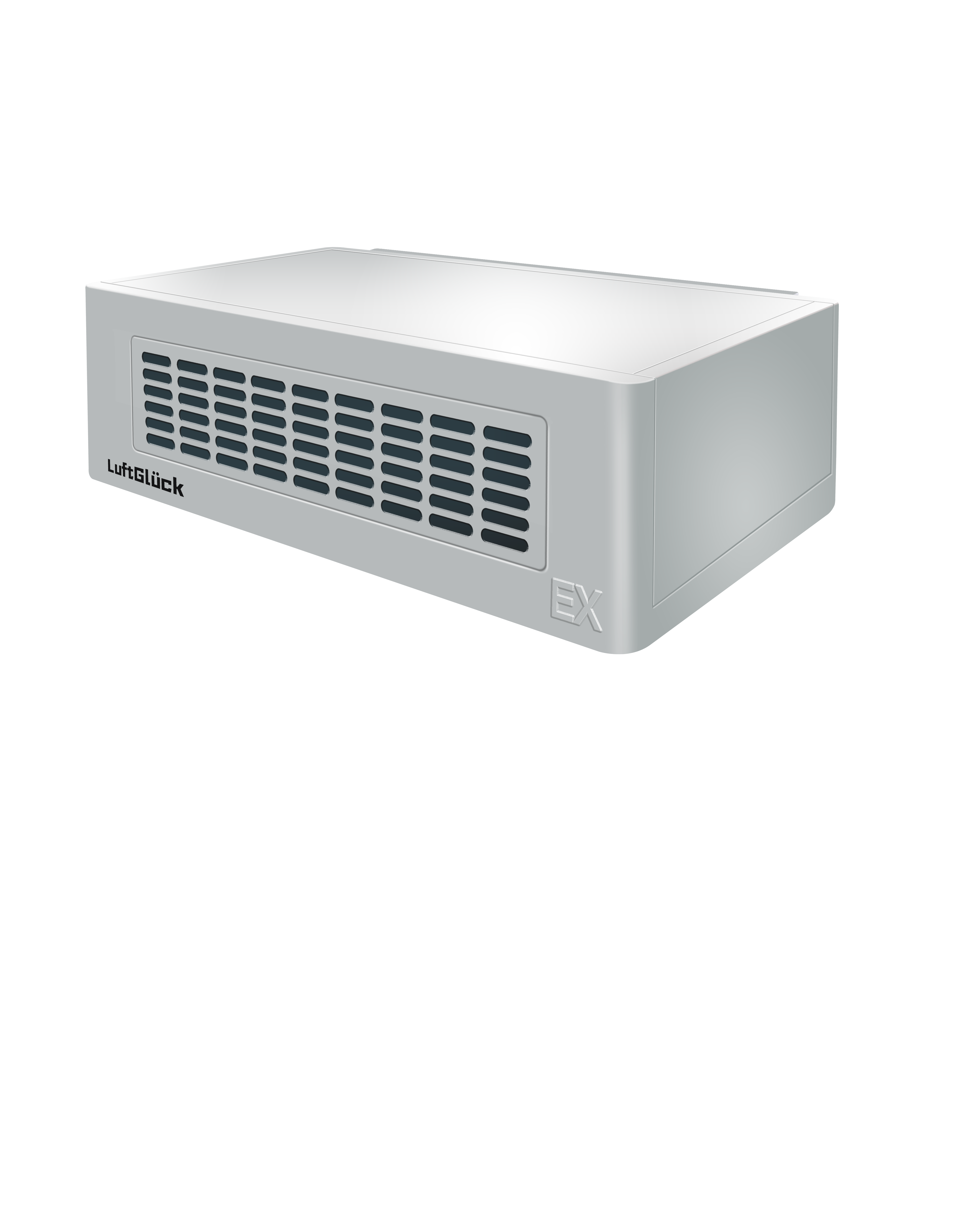
Modern supermarkets face constant challenges in maintaining the freshness and visual appeal of their produce sections. Temperature control alone is insufficient to preserve the quality of fruits and vegetables during storage and display. The solution lies in precise humidity management through advanced ultrasonic humidifiers that create optimal environmental conditions for extended produce shelf life. These sophisticated systems deliver microscopic water droplets that maintain ideal moisture levels without creating condensation or promoting bacterial growth.
The Science Behind Produce Dehydration in Retail Environments
Understanding Transpiration and Moisture Loss
Fresh produce continues to lose moisture through transpiration even after harvest, a natural process that leads to wilting, weight loss, and diminished visual appeal. Supermarket environments typically maintain low humidity levels that accelerate this moisture loss, causing produce to shrivel and lose market value within hours. The process becomes particularly problematic in refrigerated display cases where cold air circulation further reduces ambient humidity levels.
Research indicates that maintaining relative humidity between 85-95% can extend produce shelf life by up to 50% compared to standard retail conditions. However, achieving these levels without creating surface moisture requires precise control systems that traditional humidification methods cannot provide. The challenge lies in delivering adequate humidity while preventing condensation that could promote spoilage and bacterial contamination.
Environmental Factors Affecting Produce Quality
Temperature fluctuations, air circulation patterns, and lighting systems all contribute to moisture loss in retail produce displays. Fluorescent and LED lighting generate heat that increases local temperatures around displayed items, while cooling systems create air currents that strip moisture from produce surfaces. These combined factors create microclimates within display areas that can vary significantly from the general store environment.
Traditional humidification systems struggle to address these localized conditions effectively. Steam-based systems often create uneven moisture distribution and can raise temperatures, while evaporative systems may introduce contaminants or require frequent maintenance. The need for precise, localized humidity control has driven the adoption of advanced ultrasonic humidifiers in modern retail applications.
Ultrasonic Technology for Precise Humidity Control
How Ultrasonic Humidification Works
Ultrasonic humidifiers utilize high-frequency vibrations to create microscopic water droplets that evaporate instantly upon contact with air, raising humidity levels without introducing excess moisture or heat. The technology operates at frequencies above human hearing range, typically between 1.7-2.4 MHz, creating vibrations that break water molecules into particles measuring 1-5 microns in diameter. These ultra-fine droplets remain suspended in air longer than conventional water vapor, providing more effective humidity distribution.
The precision of ultrasonic systems allows for targeted humidity zones within produce displays, addressing specific requirements for different types of fruits and vegetables. Leafy greens require higher humidity levels than root vegetables, while stone fruits need different conditions than citrus varieties. Modern ultrasonic humidifiers can be programmed to maintain distinct humidity zones simultaneously, optimizing conditions for mixed produce displays.
Advantages Over Traditional Humidification Methods
Unlike steam generators or evaporative systems, ultrasonic humidifiers operate at room temperature and consume significantly less energy while maintaining precise control over output levels. The technology produces no waste heat, making it ideal for refrigerated environments where temperature stability is crucial. Additionally, the microscopic droplet size prevents surface wetting that could lead to bacterial growth or unsightly water spots on produce packaging.
The maintenance requirements for ultrasonic systems are minimal compared to traditional alternatives. Steam generators require regular descaling and component replacement, while evaporative systems need frequent pad changes and cleaning cycles. Ultrasonic humidifiers typically require only periodic cleaning of the transducer elements and water reservoir, reducing operational costs and system downtime.
Implementation Strategies for Supermarket Applications
System Design and Installation Considerations
Successful implementation of ultrasonic humidifiers in supermarket environments requires careful analysis of air circulation patterns, display case configurations, and existing HVAC systems. The placement of humidification units must account for natural air currents and customer traffic flows to ensure effective moisture distribution without creating uncomfortable conditions in shopping areas. Professional installation typically involves integrating humidity sensors and control systems that automatically adjust output based on real-time environmental conditions.
Modern supermarket designs often incorporate built-in humidification zones within produce displays, with discrete ultrasonic units positioned to provide optimal coverage while remaining invisible to customers. The systems can be integrated with existing refrigeration controls to maintain coordinated temperature and humidity management. Proper ventilation design ensures that excess humidity is managed effectively without affecting other store areas.
Maintenance and Operational Best Practices
Regular maintenance schedules for ultrasonic humidifiers focus on water quality management and transducer cleaning to ensure optimal performance and longevity. Using demineralized or reverse osmosis water prevents mineral buildup on ultrasonic elements that could reduce efficiency or create white dust deposits. Weekly cleaning of water reservoirs and monthly inspection of transducer surfaces help maintain consistent output and prevent bacterial contamination.
Staff training programs should cover proper water filling procedures, basic troubleshooting techniques, and recognition of system performance indicators. Most modern ultrasonic humidifiers include digital displays that show operating status, water levels, and maintenance alerts, making it easier for store personnel to monitor system health and schedule preventive maintenance activities.
Economic Benefits and Return on Investment
Reduced Product Loss and Waste
Implementing ultrasonic humidifiers typically reduces produce shrinkage by 30-60% depending on product types and display methods. This translates to significant cost savings for supermarkets that experience substantial losses due to wilting, weight reduction, and accelerated spoilage. The visual improvement in produce quality also supports premium pricing strategies and reduces the frequency of markdowns required to move aging inventory.
The extended shelf life achieved through proper humidity control allows supermarkets to optimize ordering cycles and reduce emergency restocking costs. Better inventory turnover rates improve cash flow and reduce waste disposal expenses, while enhanced product appearance attracts more customers and supports higher sales volumes in produce departments.
Energy Efficiency and Operational Costs
Ultrasonic humidifiers consume approximately 80% less energy than steam-based systems while delivering superior humidity control accuracy. The reduced heat output eliminates the additional cooling load that steam systems impose on refrigeration equipment, further lowering energy costs. Most installations achieve full cost recovery within 18-24 months through combined savings from reduced product loss and lower utility expenses.
The reliability and low maintenance requirements of ultrasonic systems reduce labor costs associated with system upkeep and minimize disruption to store operations. The extended equipment lifespan compared to traditional humidification methods provides long-term value and reduces capital replacement costs over time.
FAQ
What humidity levels should be maintained for different types of produce?
Leafy greens perform best at 90-95% relative humidity, while root vegetables like potatoes and onions prefer 85-90%. Stone fruits and berries require 85-90% humidity, while citrus fruits can tolerate slightly lower levels around 80-85%. Ultrasonic humidifiers can maintain these specific ranges simultaneously in different display zones.
How do ultrasonic humidifiers prevent bacterial growth compared to other systems?
Ultrasonic humidifiers create microscopic droplets that evaporate before settling on surfaces, preventing the standing water conditions that promote bacterial growth. The systems operate without heat, eliminating the warm, moist environments that traditional steam systems can create. Regular cleaning with appropriate disinfectants ensures the water reservoir remains sanitary.
Can ultrasonic humidifiers work effectively in refrigerated display cases?
Yes, ultrasonic humidifiers are particularly well-suited for refrigerated environments because they operate at ambient temperature without adding heat load to cooling systems. The technology maintains precise humidity control even in cold conditions, and the fine mist produced integrates effectively with existing air circulation patterns in display cases.
What water quality requirements exist for optimal ultrasonic humidifier performance?
Demineralized or reverse osmosis water is recommended to prevent mineral buildup on ultrasonic transducers and eliminate white dust deposits. Regular water changes and reservoir cleaning prevent bacterial contamination, while maintaining proper water levels ensures consistent ultrasonic operation and extends equipment lifespan.
Table of Contents
- The Science Behind Produce Dehydration in Retail Environments
- Ultrasonic Technology for Precise Humidity Control
- Implementation Strategies for Supermarket Applications
- Economic Benefits and Return on Investment
-
FAQ
- What humidity levels should be maintained for different types of produce?
- How do ultrasonic humidifiers prevent bacterial growth compared to other systems?
- Can ultrasonic humidifiers work effectively in refrigerated display cases?
- What water quality requirements exist for optimal ultrasonic humidifier performance?