
 EN
EN
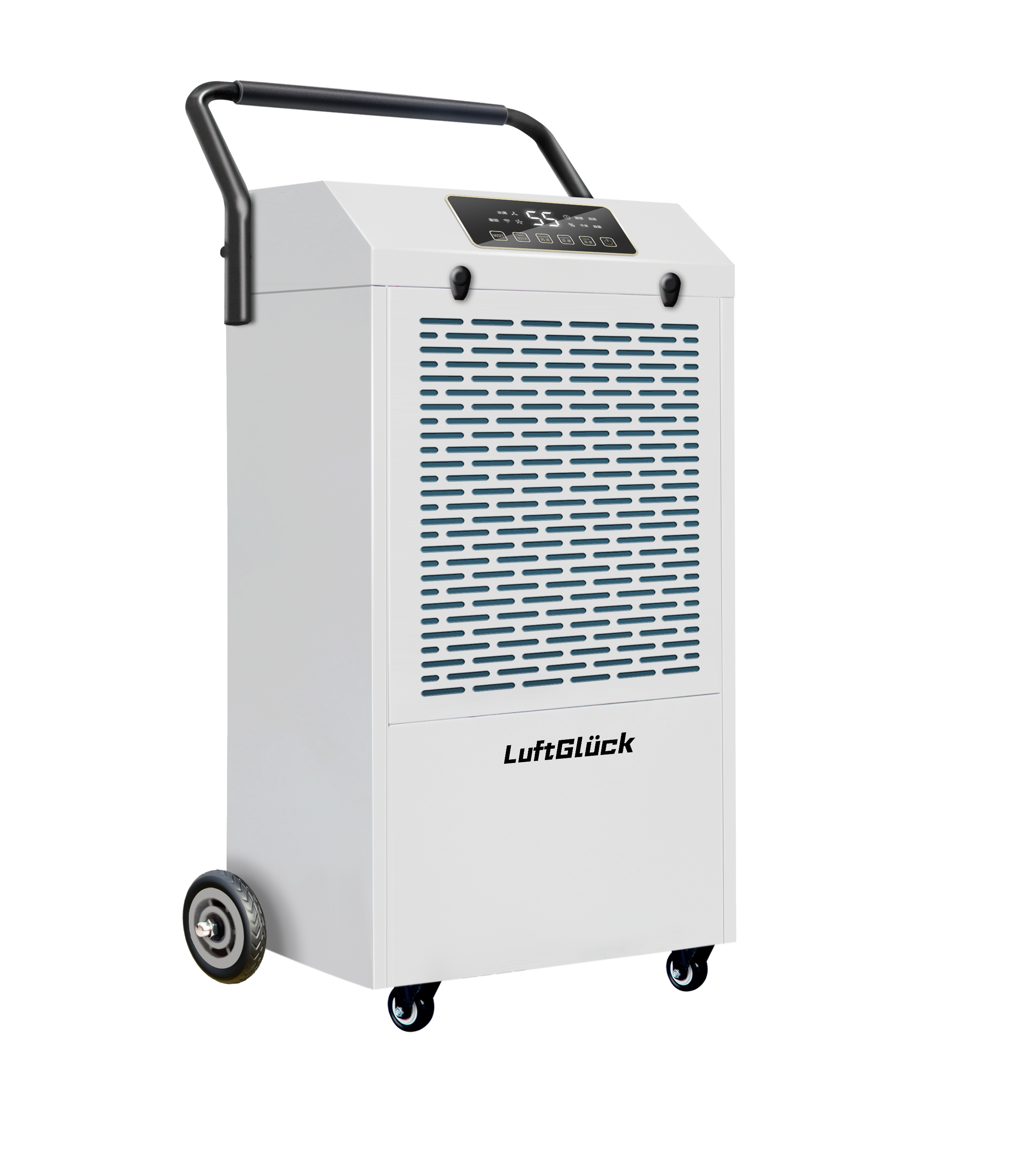
Indoor gardening has become increasingly popular among homeowners seeking to cultivate thriving plant environments within their living spaces. However, maintaining the perfect balance of humidity presents a significant challenge that can make or break your gardening success. Excessive moisture in the air creates ideal conditions for fungal diseases, root rot, and pest infestations that can devastate your carefully tended plants. Understanding how to properly control humidity levels using specialized equipment ensures your indoor garden flourishes year-round while preventing costly plant losses and maintaining healthy growing conditions.
Understanding Plant Humidity Requirements
Optimal Humidity Ranges for Different Plant Species
Different plant species have evolved to thrive in varying humidity conditions, making it essential to understand their specific environmental needs. Tropical plants typically require humidity levels between sixty and eighty percent, while desert plants prefer much lower levels ranging from thirty to fifty percent. Most common houseplants perform best in moderate humidity conditions between fifty and sixty percent, which closely mimics the natural outdoor environment in temperate climates.
Monitoring these levels becomes crucial when growing multiple plant varieties in the same space. High-humidity loving plants like ferns, orchids, and tropical foliage benefit from consistent moisture levels, while succulents and cacti require significantly drier conditions. Creating microclimates within your growing space allows you to accommodate diverse plant collections while maintaining optimal growing conditions for each species.
Signs of Excessive Humidity in Plant Environments
Recognizing the warning signs of excessive humidity helps prevent serious plant health issues before they become irreversible. Fungal growth on soil surfaces, yellowing leaves, and soft brown spots on foliage indicate moisture levels have exceeded safe parameters. Additionally, condensation on windows, walls, or growing surfaces creates perfect breeding grounds for harmful pathogens that can quickly spread throughout your plant collection.
Pest problems often escalate in overly humid environments, with spider mites, aphids, and fungus gnats thriving in these conditions. Root rot becomes a serious concern when soil remains consistently waterlogged due to poor evaporation rates. Early intervention using appropriate humidity control measures prevents these issues from compromising your entire indoor garden investment.
Benefits of Using Dehumidification Equipment
Disease Prevention and Plant Health Protection
Implementing proper humidity control significantly reduces the risk of fungal diseases that commonly affect indoor plants. Powdery mildew, black spot, and botrytis blight thrive in environments where moisture levels remain consistently high without adequate air circulation. By maintaining optimal humidity ranges, you create an environment where beneficial microorganisms can flourish while suppressing harmful pathogens that threaten plant health.
A quality dehumidifier for plants provides consistent moisture control that enables better nutrient uptake and stronger root development. Plants can focus their energy on growth and flowering rather than fighting off disease pressures. This results in more vigorous plants with improved resistance to environmental stresses and better overall productivity in your indoor growing space.
Enhanced Air Quality and Growing Environment
Controlled humidity levels contribute to better air quality throughout your growing space, benefiting both plants and human occupants. Excessive moisture often leads to musty odors and stagnant air conditions that can affect respiratory health. Proper dehumidification maintains fresh, clean air that promotes healthy plant respiration and photosynthesis processes.
Temperature regulation becomes more effective when humidity levels are properly managed, as high moisture content can make spaces feel uncomfortably warm and sticky. This improved environmental control creates more comfortable working conditions for plant care activities while ensuring optimal growing parameters for your plant collection.
Selecting the Right Dehumidification Solution
Capacity and Coverage Considerations
Choosing appropriate equipment capacity depends on several factors including room size, plant density, and existing ventilation systems. Small growing spaces under two hundred square feet typically require units with capacity ratings between twenty and thirty pints per day. Larger areas or spaces with high plant density may need equipment capable of removing fifty to seventy pints daily to maintain optimal conditions.
Consider the specific layout of your growing area when selecting equipment placement and capacity. Spaces with poor air circulation or limited ventilation require more powerful units to achieve desired humidity levels. Additionally, factor in seasonal variations and local climate conditions that may increase moisture loads during certain times of the year.
Energy Efficiency and Operating Features
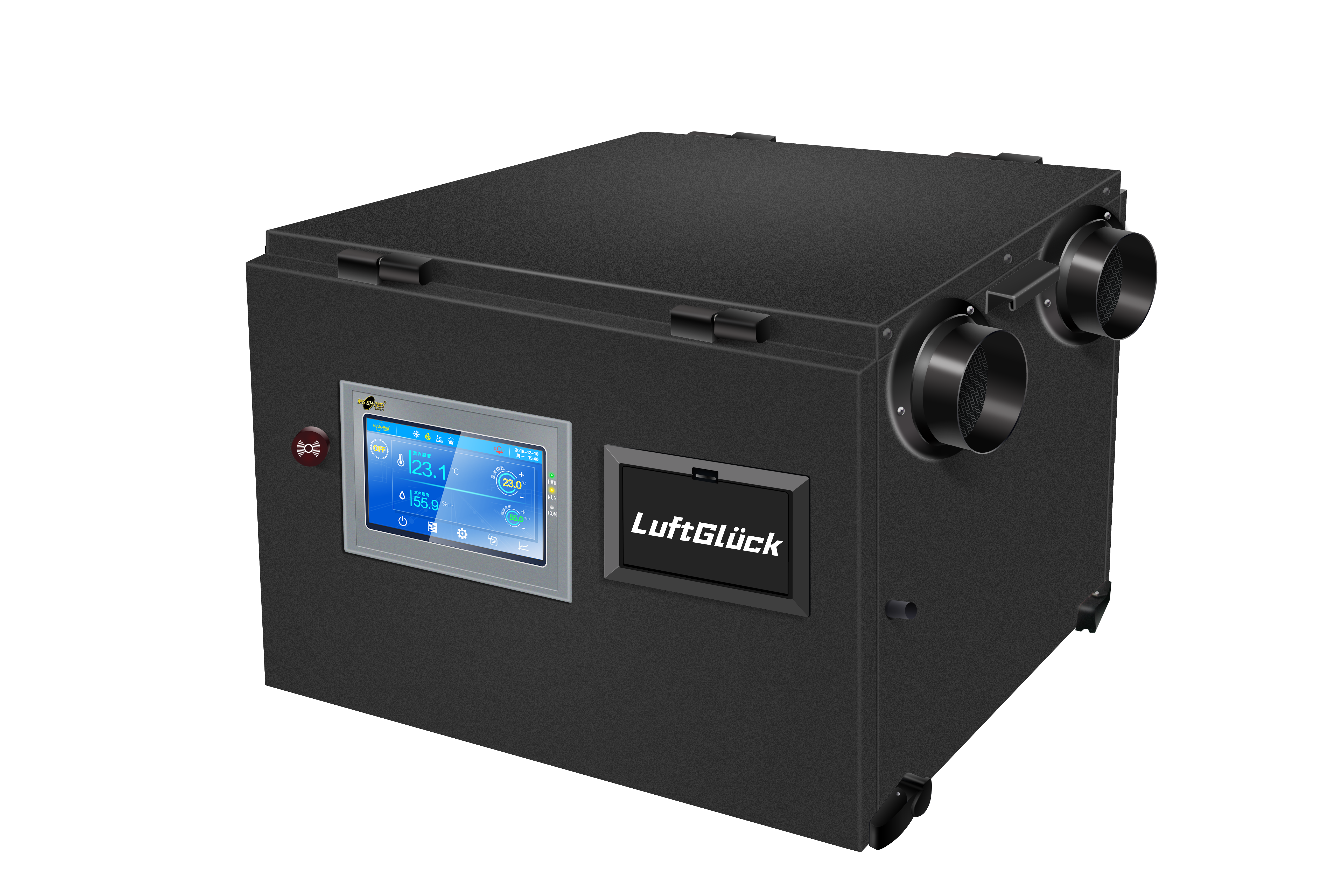
Modern humidity control equipment offers various energy-saving features that reduce operating costs while maintaining consistent performance. Look for units with programmable settings that allow automatic operation based on preset humidity levels. Built-in hygrometers provide accurate monitoring capabilities, while timer functions enable customized operation schedules that align with your plant care routines.
Noise levels become important considerations when equipment operates in living spaces or during nighttime hours. Quality units feature quiet operation modes that minimize disruption while maintaining effective moisture removal. Drainage options including continuous drain connections and auto-shutoff features provide convenience and prevent overflow issues during extended operation periods.
Installation and Placement Strategies
Optimal Positioning for Maximum Effectiveness
Strategic placement of humidity control equipment ensures maximum effectiveness while minimizing energy consumption and operational costs. Position units in central locations with good air circulation to promote even moisture distribution throughout the growing space. Avoid placing equipment directly next to plants or in corners where air movement may be restricted.
Consider proximity to electrical outlets and drainage options when selecting installation locations. Units require adequate clearance around air intake and exhaust areas to function efficiently. Maintain recommended distances from walls and obstacles as specified by manufacturer guidelines to ensure proper airflow and heat dissipation.
Integration with Existing Ventilation Systems
Coordinating humidity control equipment with existing ventilation systems creates a comprehensive environmental management approach. Exhaust fans can work in conjunction with dehumidification equipment to remove excess moisture while maintaining proper air exchange rates. This integrated approach prevents stagnant air conditions while optimizing energy efficiency.
Timing coordination between different environmental control systems prevents conflicting operations that waste energy or create unstable conditions. Programmable controls allow synchronized operation that maintains consistent growing conditions while minimizing operational costs and equipment wear.
Monitoring and Maintenance Requirements
Regular Performance Monitoring Protocols
Establishing consistent monitoring routines ensures your humidity control system continues operating at peak efficiency while protecting your plant investment. Digital hygrometers provide accurate real-time readings that help identify performance issues before they affect plant health. Record daily humidity levels and equipment runtime to track seasonal patterns and identify potential maintenance needs.
Weekly visual inspections of equipment components help detect early signs of wear or malfunction. Check water collection tanks, filters, and drainage systems for proper operation. Monitor air intake and exhaust areas for obstructions that could reduce efficiency or cause equipment strain.
Preventive Maintenance and Care Procedures
Regular maintenance extends equipment lifespan while ensuring consistent performance throughout your growing seasons. Clean or replace air filters monthly to maintain proper airflow and prevent dust buildup that reduces efficiency. Empty water collection tanks regularly and clean them with mild detergent to prevent bacterial growth and odor issues.
Annual professional servicing helps identify potential problems before they result in equipment failure or costly repairs. Technical inspections of internal components, refrigeration systems, and electrical connections ensure safe and reliable operation. Keep maintenance records to track service intervals and warranty requirements for your specific equipment model.
Advanced Environmental Control Strategies
Seasonal Adjustment Techniques
Adapting humidity control strategies to seasonal changes ensures year-round plant health while optimizing energy consumption. Winter months typically require different settings due to lower ambient humidity and increased heating system operation. Summer conditions may necessitate higher capacity operation to manage increased moisture loads from irrigation and plant transpiration.
Create seasonal operation schedules that account for changing daylight hours and plant growth cycles. Many plants experience dormant periods during winter months when they require lower humidity levels and reduced watering schedules. Adjusting equipment settings accordingly prevents overprocessing while maintaining adequate environmental control.
Integration with Smart Home Systems
Modern environmental control equipment increasingly offers smart connectivity features that enable remote monitoring and automated operation. Smartphone applications allow real-time monitoring of humidity levels and equipment status from anywhere. Automated alerts notify you of maintenance needs or abnormal conditions that require immediate attention.
Integration with home automation systems creates sophisticated environmental management capabilities that respond to changing conditions automatically. Weather-based adjustments and learning algorithms optimize operation based on historical data and seasonal patterns. These advanced features provide convenience while ensuring optimal growing conditions for your plant collection.
FAQ
What humidity level should I maintain for most indoor plants
Most common houseplants thrive in humidity levels between fifty and sixty percent, which closely mimics natural outdoor conditions in temperate climates. However, tropical species may require higher levels up to eighty percent, while desert plants prefer lower humidity around thirty to fifty percent. Monitor your specific plant varieties and adjust accordingly, as maintaining proper humidity levels prevents fungal diseases and promotes healthy growth patterns throughout the year.
How often should I run my plant dehumidifier
Operating schedules depend on several factors including room size, plant density, local climate conditions, and seasonal variations. Most systems benefit from continuous operation during high-humidity periods, particularly during summer months or in naturally humid climates. Use built-in hygrometers to monitor conditions and program automatic operation when humidity exceeds desired levels, typically running equipment until levels drop to optimal ranges for your specific plant collection.
Can excessive dehumidification harm my plants
Yes, over-dehumidification can stress plants by creating excessively dry conditions that lead to increased water loss through transpiration. Symptoms include wilting, brown leaf edges, and stunted growth as plants struggle to maintain adequate moisture levels. Set appropriate humidity targets based on your plant species and monitor conditions regularly to prevent equipment from reducing moisture below recommended minimums for healthy plant development.
What maintenance does plant dehumidification equipment require
Regular maintenance includes monthly filter cleaning or replacement, weekly water tank emptying and cleaning, and annual professional servicing of internal components. Keep air intake and exhaust areas clear of obstructions, monitor drainage systems for proper operation, and maintain detailed records of service intervals and performance metrics. Proper maintenance extends equipment lifespan while ensuring consistent environmental control for your indoor growing space.