
 EN
EN
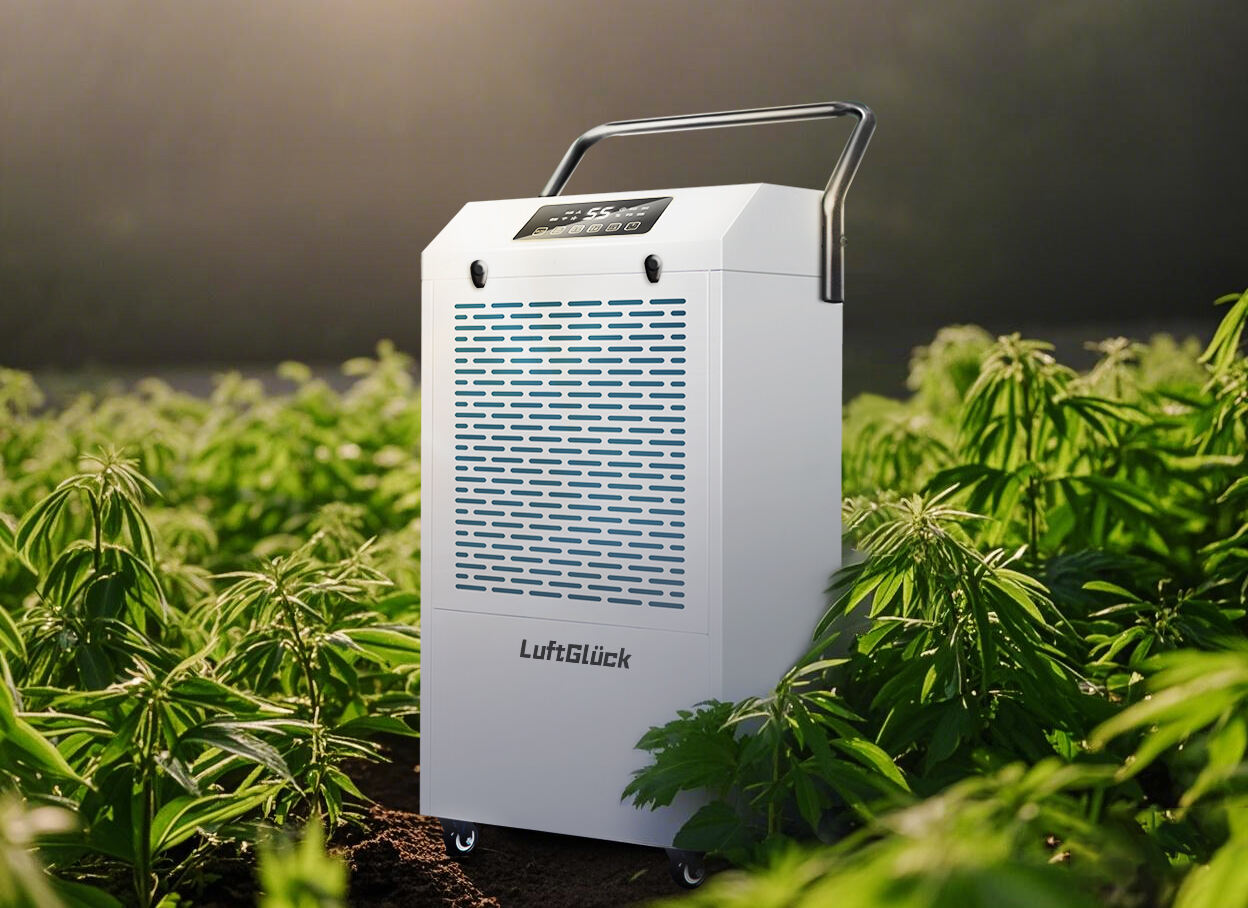
Indoor gardening has become increasingly popular among plant enthusiasts, but maintaining optimal growing conditions can be challenging. One of the most common issues faced by indoor gardeners is excessive humidity, which can lead to mold and mildew problems that threaten plant health. A dehumidifier for plants offers an effective solution to control moisture levels and create a healthier environment for your green companions. Understanding how humidity affects plant growth and the role of dehumidification can help you make informed decisions about protecting your indoor garden from harmful fungi.
Understanding Humidity and Plant Health
The Role of Moisture in Indoor Gardens
Humidity plays a crucial role in plant physiology, affecting everything from photosynthesis to nutrient uptake. While plants need adequate moisture for transpiration and cellular functions, excessive humidity creates an environment where harmful microorganisms thrive. Most indoor plants perform best when relative humidity levels remain between 40% and 60%, though specific requirements vary by species. When humidity exceeds these optimal ranges, the risk of fungal infections increases significantly, making moisture control essential for successful indoor gardening.
High humidity environments slow down the natural transpiration process, which can weaken plants and make them more susceptible to diseases. The stagnant air and excess moisture create perfect breeding grounds for mold spores and mildew, which can quickly spread throughout your plant collection. Understanding these dynamics helps explain why implementing proper humidity control measures becomes critical for maintaining healthy indoor gardens.
Common Humidity-Related Plant Problems
Excessive moisture in the air leads to several identifiable problems that can severely impact plant health. Root rot represents one of the most serious consequences, occurring when soil remains consistently wet and oxygen cannot reach the root system. This condition often develops alongside high ambient humidity, creating a compound problem that requires immediate attention. Additionally, leaf spot diseases, powdery mildew, and various fungal infections become more prevalent in overly humid conditions.
Visual symptoms of humidity-related issues include yellowing leaves, black or brown spots on foliage, musty odors emanating from soil or plant containers, and the appearance of white or gray powdery substances on plant surfaces. These problems can spread rapidly in enclosed spaces, making early intervention crucial for preventing widespread damage to your plant collection.
Mold and Mildew Prevention Strategies
Environmental Control Methods
Preventing mold and mildew requires a comprehensive approach that addresses multiple environmental factors simultaneously. Proper air circulation stands as the first line of defense, as moving air helps prevent moisture from settling on plant surfaces and soil. Strategic placement of fans can create gentle airflow throughout your growing space without causing stress to delicate plants. Temperature control also plays a vital role, as maintaining consistent temperatures between 65-75°F helps prevent condensation that contributes to fungal growth.
Spacing plants appropriately allows for better air circulation and reduces the likelihood of humidity pockets forming between dense foliage. Regular monitoring of soil moisture levels prevents overwatering, which contributes significantly to elevated humidity around plant containers. Using well-draining soil mixes and containers with adequate drainage holes further reduces moisture retention problems that can lead to fungal issues.
The Science Behind Dehumidification
Dehumidification works by removing excess water vapor from the air through various mechanical processes. Most residential dehumidifiers use refrigeration technology, where humid air passes over cold coils, causing water vapor to condense and collect in a reservoir. This process effectively reduces the relative humidity in enclosed spaces, creating conditions less favorable for mold and mildew development. Advanced models include features like automatic humidity sensors and programmable settings that maintain precise moisture levels.
The effectiveness of a dehumidifier for plants depends on proper sizing and placement within your growing area. Units that are too small for the space will struggle to maintain optimal humidity levels, while oversized units may remove too much moisture, potentially stressing plants that require moderate humidity. Understanding the capacity requirements for your specific growing environment ensures optimal performance and plant health outcomes.
Selecting the Right Dehumidifier
Capacity and Size Considerations
Choosing the appropriate dehumidifier capacity requires careful evaluation of your growing space dimensions and current humidity levels. Small units suitable for individual rooms typically handle spaces up to 500 square feet, while larger models can accommodate areas exceeding 2,000 square feet. The moisture removal rate, measured in pints per day, should align with your space's humidity load and the number of plants you're growing. Areas with many plants or poor ventilation may require higher capacity units to maintain optimal conditions.
Energy efficiency ratings become increasingly important for units that operate continuously throughout growing seasons. Look for Energy Star certified models that provide effective moisture removal while minimizing electricity consumption. Modern dehumidifiers often include programmable timers and humidity sensors that automatically adjust operation based on current conditions, reducing energy waste while maintaining consistent environmental control.
Essential Features for Plant Care
Advanced dehumidifier features can significantly enhance their effectiveness for plant care applications. Built-in hygrometers provide real-time humidity readings, allowing you to monitor conditions and adjust settings as needed. Automatic shut-off functions prevent over-dehumidification, which can stress plants accustomed to moderate humidity levels. Continuous drainage options eliminate the need for frequent reservoir emptying, particularly important in high-humidity environments or during extended growing periods.
Quiet operation becomes crucial when dehumidifiers operate near living spaces or during nighttime hours. Low-noise models use advanced compressor technology and sound-dampening materials to minimize operational noise without sacrificing performance. Some units include air filtration components that remove airborne particles and potential allergens, providing additional benefits for both plants and human occupants of the space.
Implementation and Best Practices
Optimal Placement Strategies
Strategic placement of your dehumidifier maximizes its effectiveness while ensuring uniform humidity control throughout your growing area. Position units away from direct plant contact to prevent localized over-drying, typically maintaining at least three to four feet of clearance from plant containers. Central locations within rooms provide the best coverage, allowing treated air to circulate naturally throughout the space. Avoid placing dehumidifiers near heat sources or in direct sunlight, as these conditions can affect their efficiency and accuracy of humidity sensors.
Consider the airflow patterns in your growing space when determining placement. Areas with good natural air circulation help distribute dehumidified air more effectively, while spaces with poor airflow may require multiple smaller units or supplemental fans to ensure even moisture control. Elevated placement on stable surfaces can improve air intake and prevent interference from plant containers or growing equipment.
Maintenance and Monitoring Requirements
Regular maintenance ensures optimal performance and extends the operational life of your dehumidifier for plants. Weekly cleaning of air filters prevents dust and debris from reducing efficiency, while monthly inspection of drainage systems prevents clogs that can cause overflow problems. Reservoir cleaning with mild soap solution eliminates bacteria and mold growth that can affect air quality. During periods of heavy use, more frequent maintenance may be necessary to maintain peak performance.
Continuous monitoring of humidity levels helps identify when adjustments are needed and ensures your plants remain in optimal conditions. Digital hygrometers placed at plant level provide accurate readings of the conditions your plants actually experience. Keep detailed records of humidity levels, plant health observations, and any adjustments made to dehumidifier settings to identify patterns and optimize your environmental control strategy over time.
Integration with Other Growing Systems
Compatibility with Hydroponic Systems
Hydroponic growing systems present unique humidity challenges that benefit significantly from proper dehumidification. The constant presence of nutrient solutions and active water circulation creates elevated humidity levels that can quickly lead to problems without adequate control. Dehumidifier for plants applications in hydroponic settings require careful coordination with ventilation systems and growing schedules to maintain optimal conditions without interfering with plant nutrition or root zone temperatures.
Integration timing becomes crucial in hydroponic environments, as humidity requirements may vary during different growth phases. Seedling and cloning stages often benefit from slightly higher humidity levels, while flowering phases typically require lower moisture to prevent bud rot and other flowering-specific problems. Programmable dehumidifiers with multiple humidity set points allow for automated adjustments that align with plant development cycles.
Greenhouse and Grow Room Applications
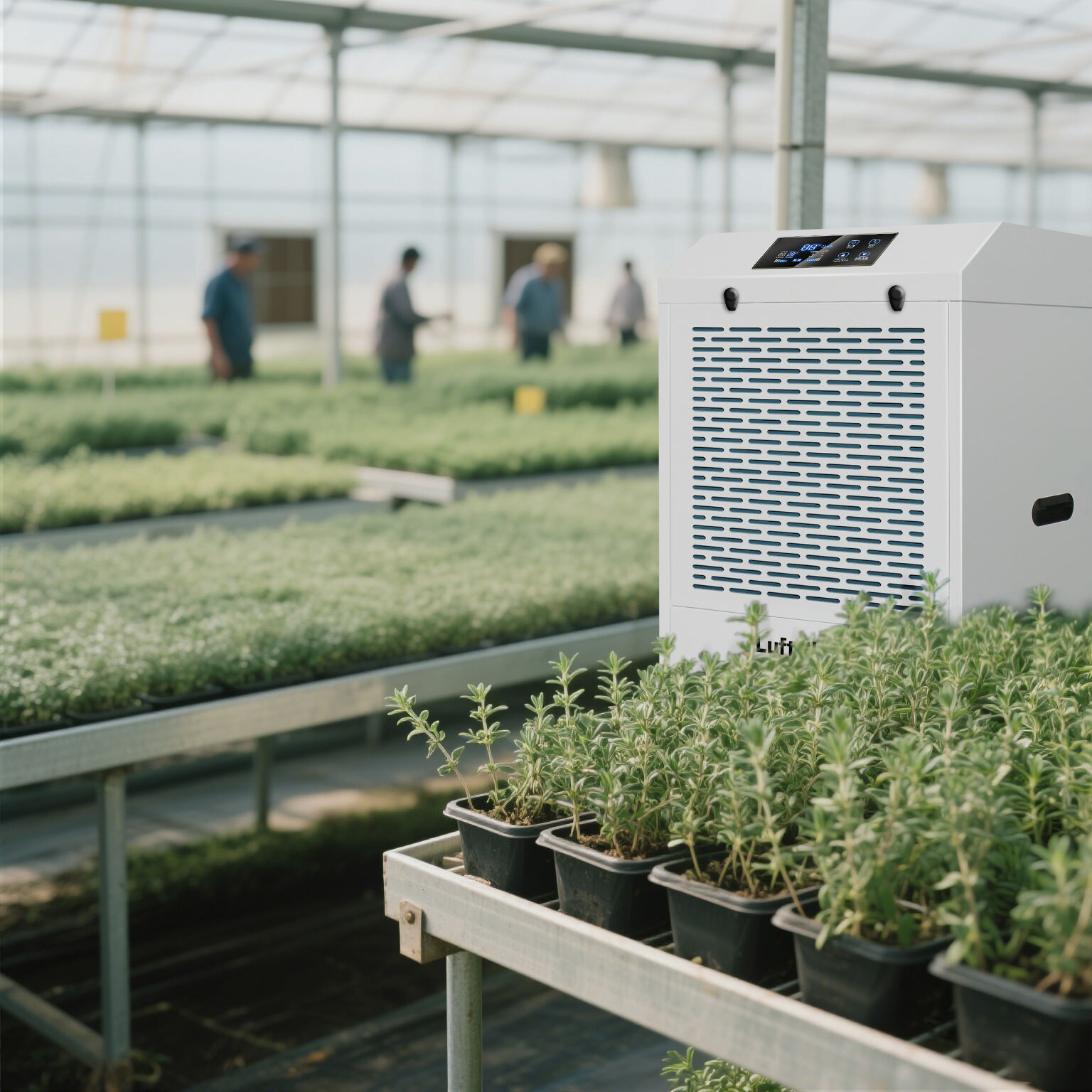
Enclosed growing environments like greenhouses and dedicated grow rooms present both opportunities and challenges for humidity control. These spaces often experience rapid humidity fluctuations due to temperature changes, plant transpiration, and watering schedules. Industrial-grade dehumidifiers designed for continuous operation provide the reliability needed for commercial or serious hobby applications where crop success depends on consistent environmental conditions.
Climate control systems that integrate dehumidification with heating, cooling, and ventilation create comprehensive environmental management solutions. These systems can respond automatically to changing conditions, maintaining optimal humidity levels while coordinating with other environmental factors. Proper integration ensures that dehumidification efforts complement rather than conflict with other climate control measures, maximizing both efficiency and plant health outcomes.
FAQ
How do I determine the right humidity level for my specific plants
Most common houseplants thrive in humidity levels between 40-60%, but requirements vary by species origin and growth stage. Tropical plants typically prefer the higher end of this range, while desert species perform better with lower humidity. Monitor your plants for signs of stress such as brown leaf tips, which may indicate low humidity, or soft, yellowing leaves that could signal excess moisture. Use a digital hygrometer to measure actual conditions at plant level, and research specific requirements for your particular plant varieties to establish appropriate target ranges for your dehumidifier settings.
Can a dehumidifier damage plants if humidity gets too low
Yes, excessive dehumidification can stress plants by creating overly dry conditions that interfere with normal physiological processes. Signs of over-dehumidification include crispy brown leaf edges, wilting despite adequate soil moisture, and slowed growth rates. Most dehumidifiers for plants include adjustable humidity controls and automatic shut-off features to prevent over-drying. Set your target humidity within the appropriate range for your plants and monitor conditions regularly to ensure the unit maintains optimal levels without removing too much moisture from the air.
What maintenance does a plant room dehumidifier require
Regular maintenance includes cleaning or replacing air filters every 2-4 weeks, emptying and cleaning the water reservoir weekly, and inspecting drainage connections monthly. Wipe down the exterior and internal surfaces periodically to prevent dust accumulation that can reduce efficiency. Check humidity sensor accuracy annually by comparing readings with a separate calibrated hygrometer. During heavy-use periods or in dusty environments, increase maintenance frequency to ensure optimal performance and prevent problems that could affect both the unit and your plants.
How long should I run a dehumidifier in my plant growing area
Operating schedules depend on your specific humidity challenges, plant requirements, and environmental conditions. Many plant growers run dehumidifiers continuously during high-humidity seasons or in naturally humid climates, while others use them only during problem periods or specific growth phases. Units with built-in humidity sensors can operate automatically, turning on when humidity exceeds set levels and shutting off when targets are reached. Monitor your plants and humidity levels to develop an operating schedule that maintains optimal conditions while minimizing energy consumption and equipment wear.