
 EN
EN
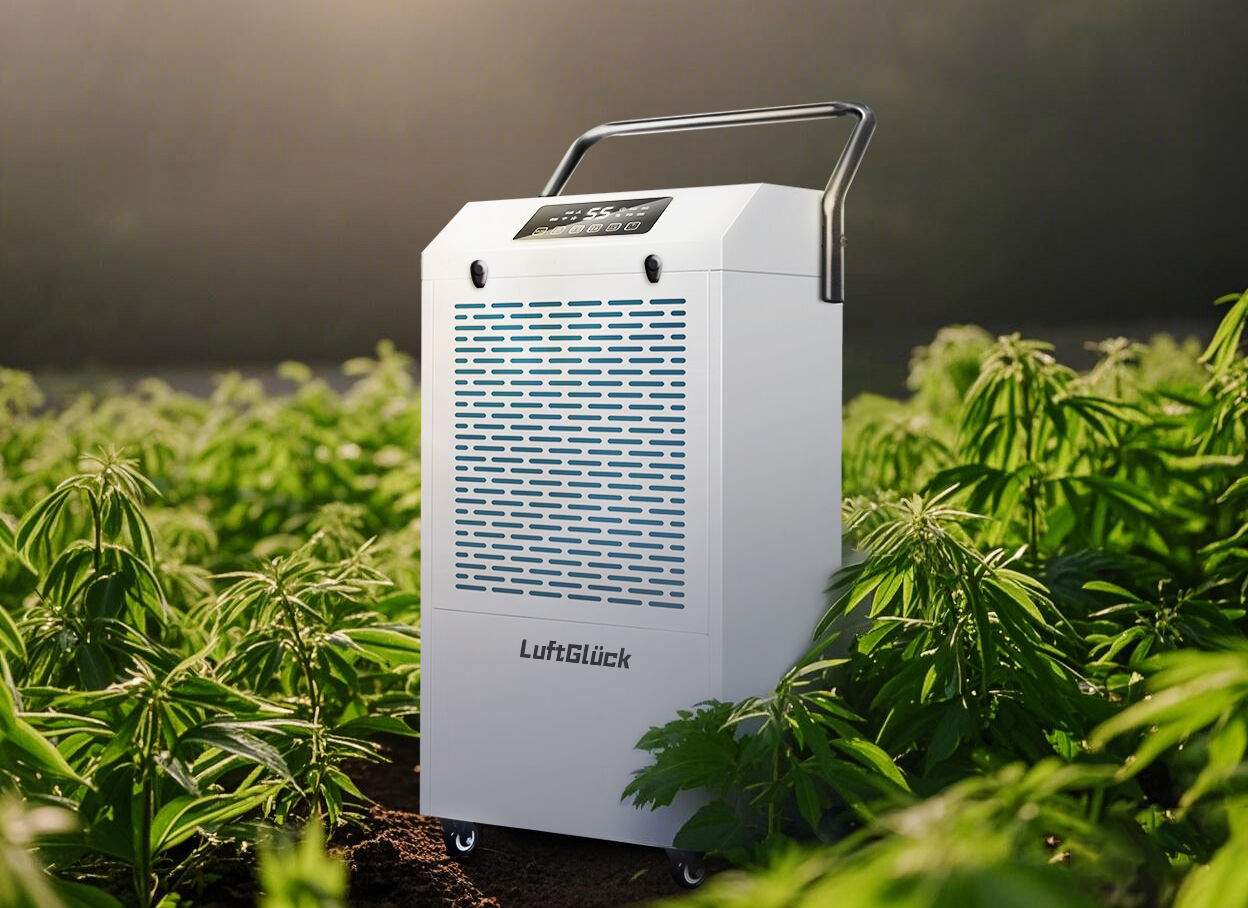
Industrial facilities face unique cooling challenges that demand robust and flexible solutions. When traditional HVAC systems fall short or prove impractical, businesses increasingly turn to portable air conditioner units to maintain optimal working conditions. These versatile cooling systems offer immediate relief in warehouses, manufacturing plants, server rooms, and temporary work sites where permanent installation is neither feasible nor cost-effective. Understanding what makes a portable air conditioner truly reliable for industrial applications requires examining key performance factors, durability features, and operational capabilities that separate professional-grade units from consumer models.
Essential Performance Characteristics
Cooling Capacity and BTU Requirements
The foundation of any reliable portable air conditioner lies in its cooling capacity, measured in British Thermal Units (BTUs) per hour. Industrial applications typically require units ranging from 14,000 to 60,000 BTUs, depending on space size, heat load, and environmental conditions. A properly sized portable air conditioner should account for equipment heat generation, occupancy levels, and external temperature fluctuations. Undersized units struggle to maintain target temperatures while oversized systems cycle inefficiently, leading to humidity problems and increased energy consumption.
Professional-grade portable air conditioner systems often feature variable speed compressors that adapt cooling output to real-time demands. This technology ensures consistent temperature control while optimizing energy usage throughout operating cycles. Industrial environments benefit from units that maintain stable performance even when ambient temperatures exceed standard comfort cooling ranges, typically up to 125°F external conditions.
Energy Efficiency Standards
Energy efficiency directly impacts operational costs and environmental sustainability in industrial cooling applications. Modern portable air conditioner units achieve Energy Efficiency Ratios (EER) between 8.0 and 12.0, with higher ratings indicating better performance per energy unit consumed. Industrial facilities operating multiple units or requiring continuous cooling benefit significantly from high-efficiency models that reduce electricity expenses over extended periods.
Advanced portable air conditioner designs incorporate inverter technology, smart thermostats, and programmable controls that minimize energy waste. These features allow facility managers to establish cooling schedules, monitor consumption patterns, and adjust settings remotely. Energy-efficient operation becomes particularly crucial in applications requiring 24/7 cooling, such as data centers or pharmaceutical storage facilities.
Construction and Durability Features
Industrial-Grade Components
Reliability in industrial environments demands robust construction that withstands harsh conditions, frequent relocations, and continuous operation. A dependable portable air conditioner features heavy-duty steel chassis, reinforced mounting points, and industrial-grade casters designed for repeated movement across various floor surfaces. Premium units utilize corrosion-resistant materials and protective coatings that maintain performance in challenging environments including chemical processing plants, automotive facilities, and outdoor construction sites.
Internal components require similar attention to durability, with hermetically sealed compressors, oversized condensers, and reinforced refrigerant lines that resist vibration and thermal stress. Quality portable air conditioner manufacturers specify components rated for extended duty cycles, often exceeding 8,000 hours annually. This enhanced durability translates to reduced maintenance requirements and longer service life compared to residential-grade alternatives.
Filtration and Air Quality Management
Industrial cooling applications often involve challenging air quality conditions requiring advanced filtration capabilities. Reliable portable air conditioner units incorporate multi-stage filtration systems including pre-filters, MERV-rated pleated filters, and optional activated carbon stages for odor control. These systems protect internal components while improving indoor air quality for workers and sensitive equipment.
Washable pre-filters extend service intervals and reduce operating costs, while easily accessible filter compartments simplify maintenance procedures. Some industrial portable air conditioner models feature filter monitoring systems that alert operators when cleaning or replacement becomes necessary, preventing performance degradation and equipment damage.
Operational Flexibility and Control Systems
Installation and Mobility Requirements
True portability extends beyond mobility to encompass quick installation and minimal infrastructure requirements. A portable air conditioner designed for industrial use features flexible ducting options, multiple exhaust configurations, and self-contained operation requiring only electrical power. Units should accommodate various installation scenarios including window mounting, wall penetrations, and ceiling discharge arrangements without extensive modifications.
Professional portable air conditioner systems often include quick-disconnect fittings, modular ductwork, and integrated lifting points that facilitate rapid deployment and relocation. This flexibility proves essential in temporary facilities, seasonal operations, and emergency cooling situations where permanent installations are impractical or unnecessary.
Advanced Control and Monitoring Features
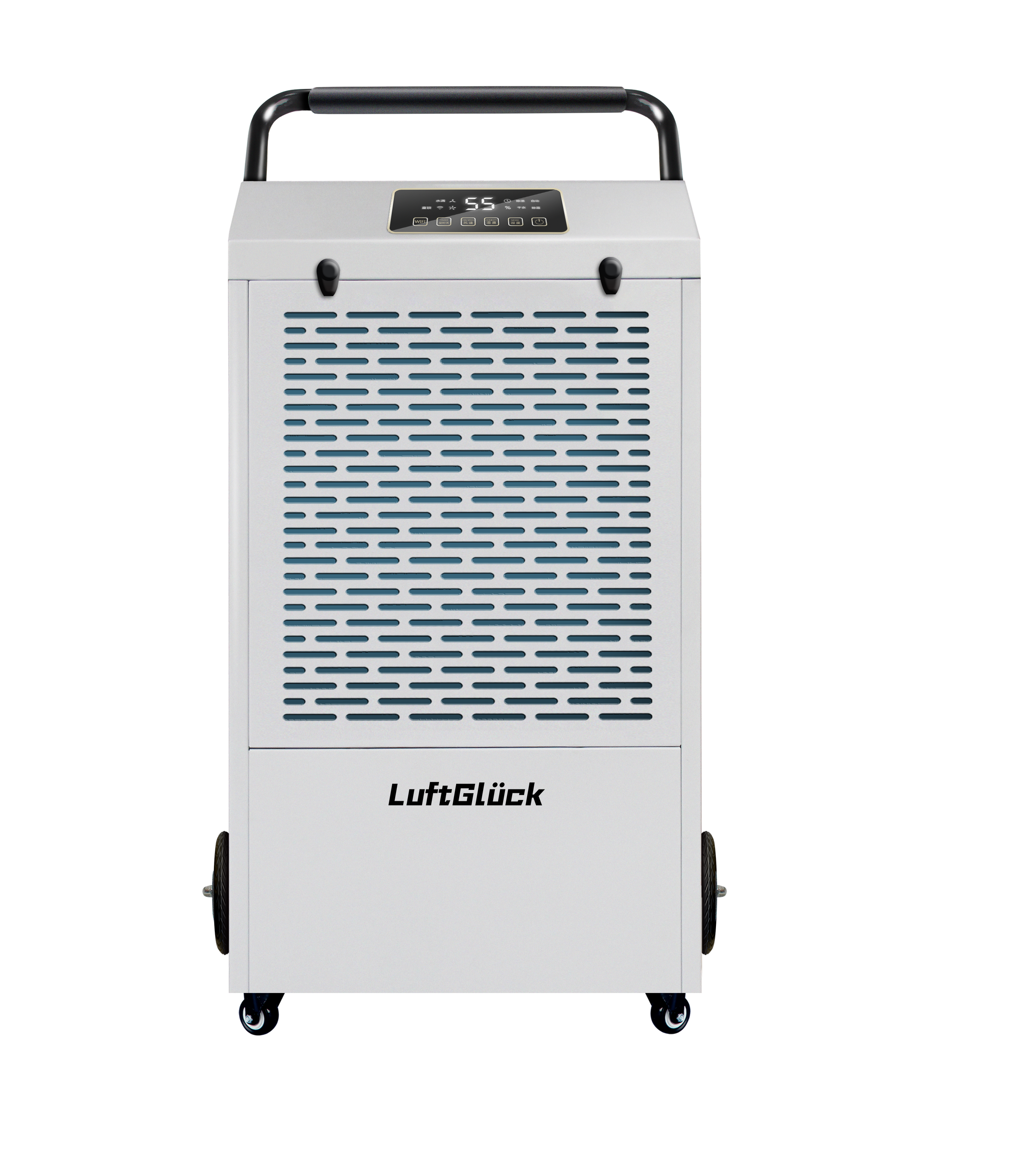
Modern industrial portable air conditioner units integrate sophisticated control systems that enable precise temperature management and remote monitoring capabilities. Digital controllers with LCD displays provide real-time feedback on operating parameters including supply air temperature, return air conditions, and system status indicators. Programmable setpoints, operating schedules, and alarm functions enhance operational efficiency while reducing manual intervention requirements.
Connectivity features such as Modbus communication, wireless monitoring, and smartphone applications allow facility managers to oversee multiple portable air conditioner units from centralized locations. These capabilities prove particularly valuable in large facilities or distributed installations where manual monitoring becomes impractical.
Maintenance and Service Considerations
Preventive Maintenance Requirements
Reliable operation of any portable air conditioner depends on consistent preventive maintenance that addresses wear components before failures occur. Industrial-grade units feature accessible service panels, tool-free filter replacement, and clearly marked maintenance points that simplify routine procedures. Comprehensive maintenance schedules typically include monthly filter cleaning, quarterly coil inspection, and annual refrigerant system checks.
Quality portable air conditioner manufacturers provide detailed maintenance documentation, training resources, and technical support that enable in-house service capabilities. This approach reduces downtime and service costs while ensuring optimal performance throughout the equipment lifecycle. Predictive maintenance features such as vibration monitoring and performance trending help identify potential issues before they impact cooling capacity.
Parts Availability and Service Support
Long-term reliability requires ongoing parts availability and qualified service support throughout the portable air conditioner service life. Established manufacturers maintain extensive parts inventories, authorized service networks, and technical support programs that ensure continued operation even as models age. This infrastructure becomes particularly important for critical cooling applications where extended downtime poses significant operational or financial risks.
Service-friendly designs incorporate modular components, standardized fasteners, and diagnostic capabilities that expedite repair procedures. Emergency service programs and expedited parts delivery options provide additional assurance for mission-critical portable air conditioner installations requiring maximum uptime.
Application-Specific Performance Factors
Environmental Operating Conditions
Industrial environments present unique challenges including extreme temperatures, humidity variations, dust contamination, and chemical exposure that affect portable air conditioner performance and longevity. Reliable units specify operating ranges that encompass these conditions while maintaining consistent cooling output. High-temperature operation capabilities, enhanced corrosion protection, and sealed electrical components ensure continued function in demanding industrial settings.
Humidity control becomes particularly critical in manufacturing processes, storage applications, and electronic equipment cooling where moisture levels directly impact product quality or equipment reliability. Advanced portable air conditioner models incorporate dedicated dehumidification modes, condensate management systems, and humidity monitoring that maintain optimal conditions regardless of external weather patterns.
Integration with Existing Systems
Effective industrial cooling often requires portable air conditioner units to complement existing HVAC infrastructure rather than operate independently. Compatible control interfaces, coordinated operation sequences, and integrated monitoring capabilities ensure seamless system integration. This approach maximizes overall efficiency while providing backup cooling capacity during maintenance periods or peak demand situations.
Flexible installation options and modular configurations allow portable air conditioner systems to adapt to changing facility requirements without extensive modifications. This adaptability proves essential in dynamic industrial environments where production changes, equipment additions, or process modifications alter cooling demands over time.
FAQ
How do I determine the appropriate BTU capacity for my industrial portable air conditioner
Calculate the required BTU capacity by considering room volume, insulation quality, heat-generating equipment, occupancy levels, and external temperature conditions. As a general guideline, industrial spaces require 25-35 BTUs per square foot, but facilities with significant heat loads may need 40-50 BTUs per square foot. Consult with cooling professionals for precise calculations based on your specific application requirements.
What maintenance intervals should I follow for optimal portable air conditioner performance
Perform filter inspection and cleaning monthly, with replacement every 3-6 months depending on environmental conditions. Schedule coil cleaning quarterly, refrigerant level checks annually, and comprehensive system inspections semi-annually. High-use industrial applications may require more frequent maintenance intervals to ensure continued reliability and efficiency.
Can portable air conditioner units operate continuously in industrial environments
Yes, industrial-grade portable air conditioner systems are designed for continuous operation with proper maintenance and appropriate sizing. Look for units with heavy-duty compressors, enhanced cooling systems, and robust construction that can handle 24/7 operation. Ensure adequate ventilation and follow manufacturer guidelines for continuous duty applications.
What safety features should I expect in an industrial portable air conditioner
Essential safety features include automatic shutdown protection for high/low pressure conditions, thermal overload protection, ground fault circuit interruption, tip-over switches, and refrigerant leak detection. Advanced units may include fire suppression compatibility, emergency stop controls, and remote monitoring alerts for critical system parameters.
Table of Contents
- Essential Performance Characteristics
- Construction and Durability Features
- Operational Flexibility and Control Systems
- Maintenance and Service Considerations
- Application-Specific Performance Factors
-
FAQ
- How do I determine the appropriate BTU capacity for my industrial portable air conditioner
- What maintenance intervals should I follow for optimal portable air conditioner performance
- Can portable air conditioner units operate continuously in industrial environments
- What safety features should I expect in an industrial portable air conditioner