
 EN
EN
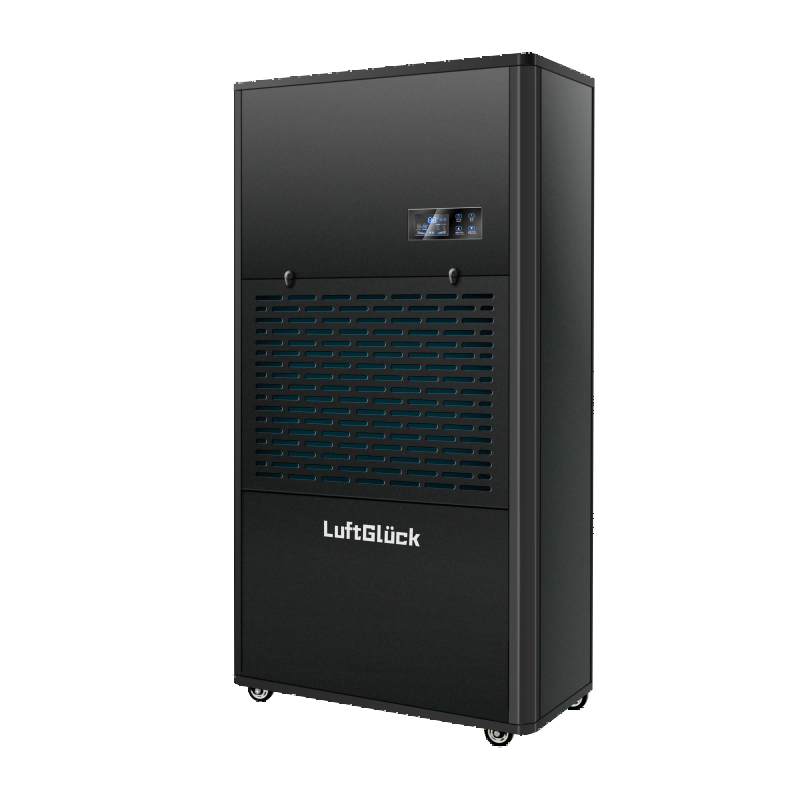
Agricultural productivity faces mounting challenges as climate variability intensifies and crop yields become increasingly vulnerable to environmental stressors. Low-moisture stress represents one of the most significant threats to modern farming operations, potentially devastating entire harvests and compromising food security worldwide. An ultrasonic humidifier emerges as a sophisticated technological solution that can effectively mitigate these moisture-related challenges while optimizing growing conditions for maximum crop performance. This advanced humidity control technology offers farmers precise environmental management capabilities that extend far beyond traditional irrigation methods.
Understanding Low-Moisture Stress in Agricultural Systems
Physiological Impact of Water Deficit on Plant Health
Low-moisture stress triggers a cascade of physiological responses in plants that can severely compromise their growth potential and overall vitality. When crops experience insufficient humidity levels, their stomatal conductance decreases dramatically, leading to reduced photosynthetic efficiency and stunted cellular development. The ultrasonic humidifier technology addresses these fundamental issues by maintaining optimal vapor pressure deficits that support healthy transpiration rates. Plants subjected to prolonged moisture stress exhibit decreased protein synthesis, altered enzyme activity, and compromised membrane integrity, all of which directly impact yield quality and quantity.
Research demonstrates that crops experiencing water deficit conditions show significant reductions in leaf area expansion, root development, and reproductive success rates. The cellular mechanisms governing water uptake become increasingly inefficient as soil moisture depletes, creating a feedback loop that exacerbates stress conditions throughout the growing season. Modern agricultural facilities utilizing ultrasonic humidifier systems report substantial improvements in plant resilience and productivity metrics compared to conventional humidity management approaches.
Economic Consequences of Inadequate Moisture Management
The financial implications of low-moisture stress extend far beyond immediate crop losses, encompassing reduced market value, increased production costs, and diminished long-term farm sustainability. Agricultural operations without proper humidity control systems often experience yield reductions ranging from 20-50% during drought conditions or in naturally arid environments. An ultrasonic humidifier investment typically pays for itself within two growing seasons through improved crop quality, reduced water waste, and enhanced harvest predictability.
Market analysis indicates that crops grown under optimal humidity conditions command premium prices due to superior appearance, extended shelf life, and enhanced nutritional content. The precision offered by ultrasonic humidifier technology enables farmers to maintain consistent quality standards regardless of external weather patterns, providing competitive advantages in volatile agricultural markets. Additionally, insurance costs decrease significantly when farms demonstrate proactive environmental management through advanced humidity control systems.
Ultrasonic Humidification Technology Fundamentals
Scientific Principles Behind Ultrasonic Moisture Generation
Ultrasonic humidifier systems operate on the principle of high-frequency vibration technology that converts liquid water into extremely fine mist particles without requiring heat generation or chemical additives. The piezoelectric transducers within these units vibrate at frequencies exceeding 1.7 MHz, creating cavitation bubbles that instantly transform water molecules into microscopic droplets measuring less than 5 microns in diameter. This process ensures rapid evaporation and uniform distribution throughout agricultural environments, providing superior moisture coverage compared to conventional sprinkler or misting systems.
The ultrasonic technology generates a cool fog that maintains ambient temperatures while significantly increasing relative humidity levels, making it ideal for temperature-sensitive crops and controlled environment agriculture. Unlike traditional humidification methods, ultrasonic systems produce negatively ionized water particles that can improve air quality and potentially enhance plant immunity against certain pathogens. The energy efficiency of these systems surpasses alternative humidity generation methods by up to 90%, making them economically viable for large-scale agricultural applications.
Advanced Control Systems and Automation Features
Modern ultrasonic humidifier installations incorporate sophisticated sensor networks and automated control algorithms that continuously monitor and adjust humidity levels based on real-time environmental conditions and crop requirements. These systems integrate seamlessly with existing greenhouse management platforms, irrigation controllers, and climate monitoring equipment to create comprehensive environmental optimization solutions. The precision control capabilities allow farmers to maintain humidity levels within narrow tolerance ranges, typically ±2% relative humidity, ensuring optimal growing conditions throughout all growth stages.
Advanced ultrasonic humidifier systems feature programmable schedules, remote monitoring capabilities, and predictive maintenance alerts that minimize operational disruption and maximize system reliability. The integration of artificial intelligence and machine learning algorithms enables these systems to adapt automatically to changing crop needs, seasonal variations, and environmental fluctuations without requiring constant manual intervention. Data logging capabilities provide valuable insights into humidity patterns, energy consumption, and crop response metrics that inform future cultivation strategies.
Crop Protection Mechanisms Through Humidity Optimization
Physiological Benefits of Controlled Moisture Environments
Optimal humidity levels maintained by ultrasonic humidifier systems create favorable conditions for essential plant physiological processes including nutrient uptake, photosynthesis, and cellular division. When relative humidity levels remain within the ideal range of 60-80% for most crops, transpiration rates stabilize, allowing plants to efficiently regulate internal water balance while maximizing carbon dioxide absorption. The consistent moisture environment reduces plant stress hormones such as abscisic acid, promoting healthier growth patterns and improved resistance to environmental fluctuations.
Research indicates that crops grown under ultrasonic humidifier controlled environments exhibit enhanced root development, increased leaf surface area, and improved flowering rates compared to those experiencing irregular humidity fluctuations. The stable moisture conditions facilitate optimal enzyme activity and protein synthesis, resulting in stronger cell walls, improved drought tolerance, and enhanced overall plant vigor. These physiological improvements translate directly into higher yields, better crop quality, and increased resistance to pest and disease pressures.
Disease Prevention and Pathogen Management
Maintaining precise humidity control through ultrasonic humidifier technology significantly reduces the incidence of moisture-related plant diseases while creating unfavorable conditions for many common agricultural pathogens. Fungal infections such as powdery mildew, botrytis, and downy mildew thrive in environments with excessive humidity fluctuations or consistently high moisture levels, conditions that properly calibrated ultrasonic systems can effectively prevent. The fine mist produced by these systems distributes evenly without creating the wet surfaces that promote fungal spore germination and bacterial proliferation.
The negative ionization effect generated by ultrasonic humidifier operations has demonstrated antimicrobial properties that can suppress certain airborne pathogens and reduce overall disease pressure in agricultural environments. Studies show that controlled humidity environments maintained by these systems result in up to 40% fewer disease incidents compared to facilities using conventional humidity management approaches. The reduced need for fungicidal treatments not only lowers production costs but also supports sustainable farming practices and organic certification requirements.
Implementation Strategies for Agricultural Applications
System Sizing and Capacity Planning
Proper ultrasonic humidifier system sizing requires comprehensive analysis of facility dimensions, air exchange rates, crop water requirements, and local climate conditions to ensure adequate moisture generation capacity throughout all seasons. Professional installation teams typically calculate humidification loads based on peak demand scenarios, accounting for ventilation losses, plant transpiration rates, and external weather influences. The modular design of modern ultrasonic systems allows for scalable installations that can expand alongside growing operations or adapt to changing crop rotations.
Capacity planning considerations must account for the specific moisture requirements of different crop varieties, growth stages, and seasonal variations in ambient humidity levels. An appropriately sized ultrasonic humidifier system should maintain design humidity levels even during extreme weather conditions while operating efficiently during normal periods. Installation experts recommend oversizing capacity by 20-30% to accommodate future expansion and ensure reliable performance during peak demand periods.
Integration with Existing Agricultural Infrastructure
Successful ultrasonic humidifier integration requires careful coordination with existing ventilation systems, irrigation networks, and climate control equipment to create synergistic environmental management solutions. The placement of humidity generation units must consider air circulation patterns, crop canopy structure, and maintenance accessibility while ensuring uniform moisture distribution throughout the growing area. Professional installation teams work closely with facility managers to develop custom integration plans that maximize system effectiveness while minimizing disruption to ongoing operations.
Modern ultrasonic humidifier systems feature standardized communication protocols that interface seamlessly with popular greenhouse management software platforms, allowing centralized monitoring and control of all environmental parameters. The integration process typically includes sensor placement optimization, control system programming, and staff training to ensure proper operation and maintenance procedures. Regular system calibration and performance monitoring ensure continued optimal performance and identify opportunities for efficiency improvements.
Energy Efficiency and Environmental Sustainability
Power Consumption Optimization
Ultrasonic humidifier technology offers exceptional energy efficiency compared to traditional steam-based or evaporative cooling systems, typically consuming 80-90% less electricity while delivering superior humidity control performance. The solid-state operation of ultrasonic transducers eliminates heating elements, pumps, and other energy-intensive components common in conventional humidification systems. This efficiency advantage becomes particularly significant in large-scale agricultural operations where humidity control represents a substantial portion of overall energy costs.
Advanced ultrasonic humidifier systems incorporate variable-speed controls, demand-based operation, and energy recovery features that further optimize power consumption based on real-time humidity requirements and facility conditions. Smart scheduling algorithms can coordinate humidification cycles with low-cost electricity periods, renewable energy availability, and peak crop demand windows to minimize operational expenses. The reduced energy footprint supports sustainability goals while improving the economic viability of controlled environment agriculture.
Water Conservation and Resource Management
The precision application capabilities of ultrasonic humidifier systems significantly reduce water waste compared to conventional irrigation and humidity control methods, making them invaluable tools for sustainable agriculture in water-scarce regions. The fine mist generation process maximizes evaporation efficiency while minimizing runoff, ensuring that virtually all applied water contributes directly to humidity control objectives. This efficiency advantage becomes particularly important as water resources become increasingly constrained and expensive.
Water quality requirements for ultrasonic humidifier operation are less stringent than many agricultural applications, allowing the use of treated wastewater, rainwater, or other non-potable sources for humidity generation. The closed-loop operation of these systems prevents contamination and allows for recycling of unused water, further enhancing resource conservation efforts. Regular monitoring and filtration systems ensure optimal performance while protecting equipment from mineral buildup and contamination.
Return on Investment and Economic Benefits
Yield Improvements and Quality Enhancement
Agricultural operations implementing ultrasonic humidifier systems typically experience yield increases ranging from 15-40% depending on crop type, previous humidity management practices, and local climate conditions. The consistent environmental control provided by these systems eliminates moisture stress periods that can significantly impact crop development and final harvest quantities. Quality improvements often exceed yield gains, with crops showing enhanced color, texture, nutritional content, and post-harvest shelf life that command premium market prices.
Case studies from commercial greenhouse operations demonstrate that ultrasonic humidifier installations pay for themselves through improved crop performance within 18-24 months of implementation. The technology particularly benefits high-value crops such as leafy greens, herbs, flowers, and specialty vegetables where quality premiums justify the initial investment costs. Long-term benefits include reduced crop insurance costs, improved customer satisfaction, and enhanced market competitiveness through consistent product quality.
Operational Cost Reductions
Beyond direct yield improvements, ultrasonic humidifier systems deliver substantial operational cost savings through reduced water consumption, lower energy usage, and decreased labor requirements for manual humidity management tasks. The automated operation and precise control capabilities eliminate the need for frequent manual adjustments and monitoring that characterize conventional humidity control approaches. Maintenance costs remain minimal due to the simple mechanical design and lack of complex moving parts or heating elements.
The disease prevention benefits of proper humidity control translate into significant savings on fungicides, pesticides, and other crop protection products while supporting organic and sustainable farming certifications that access premium markets. Reduced crop losses due to environmental stress or pathogen pressure improve overall profitability and cash flow predictability. Insurance providers often offer reduced premiums for facilities with advanced environmental control systems that demonstrate proactive risk management.
FAQ
How much water does an ultrasonic humidifier consume compared to traditional irrigation methods?
Ultrasonic humidifier systems typically consume 60-80% less water than conventional spray or drip irrigation systems while providing superior humidity control. The precise mist generation eliminates runoff and maximizes evaporation efficiency, ensuring that virtually all water contributes to humidity objectives. Most agricultural installations use 2-4 gallons per hour per 1000 square feet of growing area, depending on crop requirements and environmental conditions.
What maintenance requirements do ultrasonic humidifier systems have in agricultural settings?
Routine maintenance for ultrasonic humidifier systems includes weekly cleaning of transducer surfaces, monthly water quality testing, and quarterly system calibration checks. The simple mechanical design requires minimal maintenance compared to traditional humidification equipment, with most tasks completed by farm staff without specialized technicians. Annual professional inspections ensure optimal performance and identify potential issues before they affect crop production.
Can ultrasonic humidifiers work effectively in large greenhouse or tunnel operations?
Modern ultrasonic humidifier systems are specifically designed for large-scale agricultural applications and can effectively manage humidity in facilities exceeding 100,000 square feet. Multiple units work together through centralized control systems to provide uniform humidity distribution throughout expansive growing areas. The modular design allows for scalable installations that can expand with growing operations while maintaining precise environmental control.
Do ultrasonic humidifiers affect plant growth differently than natural humidity conditions?
Ultrasonic humidifier systems create more stable and predictable humidity conditions than natural environments, often resulting in superior plant growth and development. The consistent moisture levels eliminate stress periods that can occur with natural humidity fluctuations, while the fine mist particles provide optimal conditions for stomatal function and transpiration. Many crops grown under ultrasonic humidity control show improved vigor, faster growth rates, and higher quality characteristics compared to field-grown alternatives.
Table of Contents
- Understanding Low-Moisture Stress in Agricultural Systems
- Ultrasonic Humidification Technology Fundamentals
- Crop Protection Mechanisms Through Humidity Optimization
- Implementation Strategies for Agricultural Applications
- Energy Efficiency and Environmental Sustainability
- Return on Investment and Economic Benefits
-
FAQ
- How much water does an ultrasonic humidifier consume compared to traditional irrigation methods?
- What maintenance requirements do ultrasonic humidifier systems have in agricultural settings?
- Can ultrasonic humidifiers work effectively in large greenhouse or tunnel operations?
- Do ultrasonic humidifiers affect plant growth differently than natural humidity conditions?