
 EN
EN
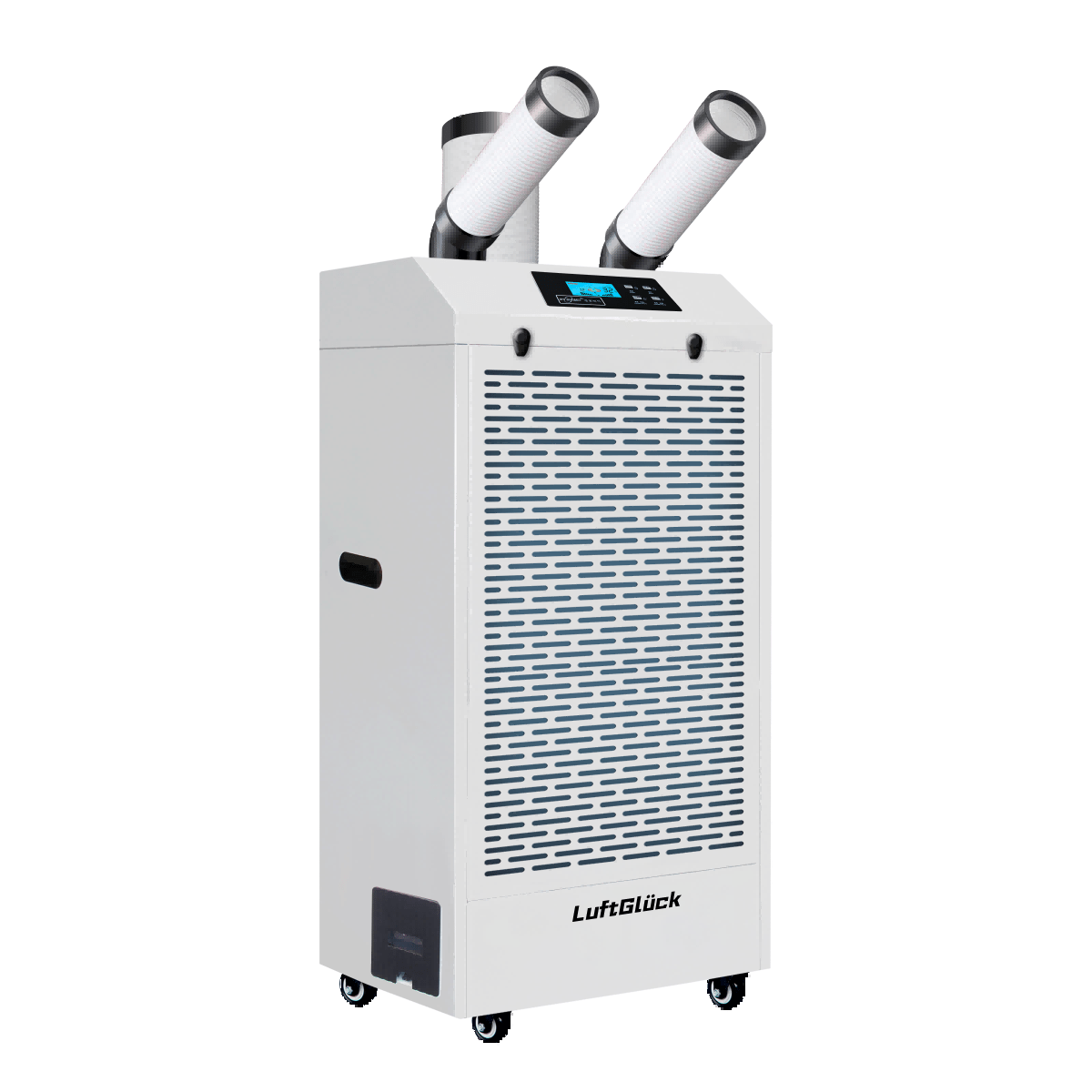
Commercial facilities across industries are increasingly recognizing the value of flexible cooling solutions that can adapt to changing operational needs. Unlike traditional fixed HVAC systems, a portable air conditioner offers unmatched versatility for businesses that require targeted temperature control in specific areas or temporary cooling solutions. These mobile cooling units provide immediate relief without the need for extensive installation processes, making them ideal for warehouses, retail spaces, construction sites, and event venues where cooling requirements may shift frequently.
The commercial landscape demands cooling solutions that can respond quickly to operational changes, seasonal fluctuations, and emergency situations. Modern businesses operate in dynamic environments where a portable air conditioner becomes an essential tool for maintaining optimal working conditions while preserving equipment functionality. This flexibility translates directly into operational efficiency and cost savings, as companies can deploy cooling resources precisely where and when they are needed most.
Operational Advantages in Commercial Environments
Rapid Deployment and Installation
Commercial operations benefit significantly from the quick deployment capabilities of a portable air conditioner. Unlike permanent HVAC installations that require weeks of planning, permitting, and construction work, these units can be operational within minutes of arrival. This rapid response capability proves invaluable during equipment failures, unexpected heat waves, or urgent cooling needs in critical areas.
The plug-and-play nature of modern portable cooling systems eliminates the need for specialized installation teams or extensive modifications to existing infrastructure. Businesses can redirect cooling resources to different areas throughout the day, supporting various operational workflows without disrupting ongoing activities. This immediacy ensures that production schedules, employee comfort, and equipment protection remain uncompromised during temperature-related challenges.
Cost-Effective Cooling Solutions
Financial considerations play a crucial role in commercial cooling decisions, and a portable air conditioner offers compelling economic advantages over traditional systems. The initial investment is significantly lower than permanent HVAC installations, while the absence of ductwork, electrical modifications, and structural changes reduces upfront costs substantially. These savings allow businesses to allocate resources more effectively across other operational priorities.
Maintenance costs remain predictable and manageable, as portable units typically require less complex servicing compared to centralized systems. The ability to cool specific zones on demand prevents energy waste associated with conditioning entire buildings when only certain areas require temperature control. This targeted approach to cooling translates into measurable reductions in monthly utility expenses, particularly for businesses operating in large facilities with varying occupancy patterns.
Flexibility Across Industry Applications
Warehouse and Distribution Centers
Distribution centers and warehouses face unique cooling challenges due to their vast spaces, varying inventory levels, and seasonal workforce fluctuations. A portable air conditioner provides the flexibility to create comfortable working conditions in specific zones without the expense of cooling entire facilities. These units can be strategically positioned near packaging areas, loading docks, or temperature-sensitive inventory sections as operational needs dictate.
During peak seasons, additional portable units can supplement existing cooling systems to maintain optimal temperatures in high-activity areas. The mobility of these systems allows facility managers to adapt cooling strategies based on workflow patterns, ensuring that employees remain productive while protecting valuable inventory from temperature-related damage. This adaptability proves especially valuable in facilities that experience significant seasonal variations in activity levels.
Retail and Commercial Spaces
Retail environments benefit from the targeted cooling capabilities that a portable air conditioner provides, particularly in areas where traditional HVAC systems may be insufficient or impractical. Pop-up stores, temporary retail locations, and seasonal businesses rely on these flexible cooling solutions to create comfortable shopping environments without long-term infrastructure commitments.
Commercial spaces hosting events, trade shows, or temporary exhibitions find portable cooling essential for maintaining comfortable conditions regardless of external weather conditions. The ability to position cooling units strategically throughout a space ensures consistent temperature control while accommodating changing layout requirements. This flexibility supports various business models that require adaptable environmental control solutions.
Technical Features Supporting Commercial Applications
Advanced Cooling Technology
Modern commercial-grade portable air conditioning systems incorporate sophisticated cooling technologies that deliver reliable performance in demanding environments. Variable speed compressors adjust cooling output automatically based on ambient conditions, ensuring efficient operation while maintaining consistent temperatures. These technological advances enable a portable air conditioner to match the performance standards required for commercial applications.
Energy efficiency ratings for commercial portable units have improved significantly, with many models featuring programmable thermostats, timer functions, and remote monitoring capabilities. These features allow facility managers to optimize cooling schedules based on occupancy patterns and operational requirements. Smart connectivity options enable remote management and monitoring, providing valuable data on energy consumption and system performance.
Durability and Reliability Features
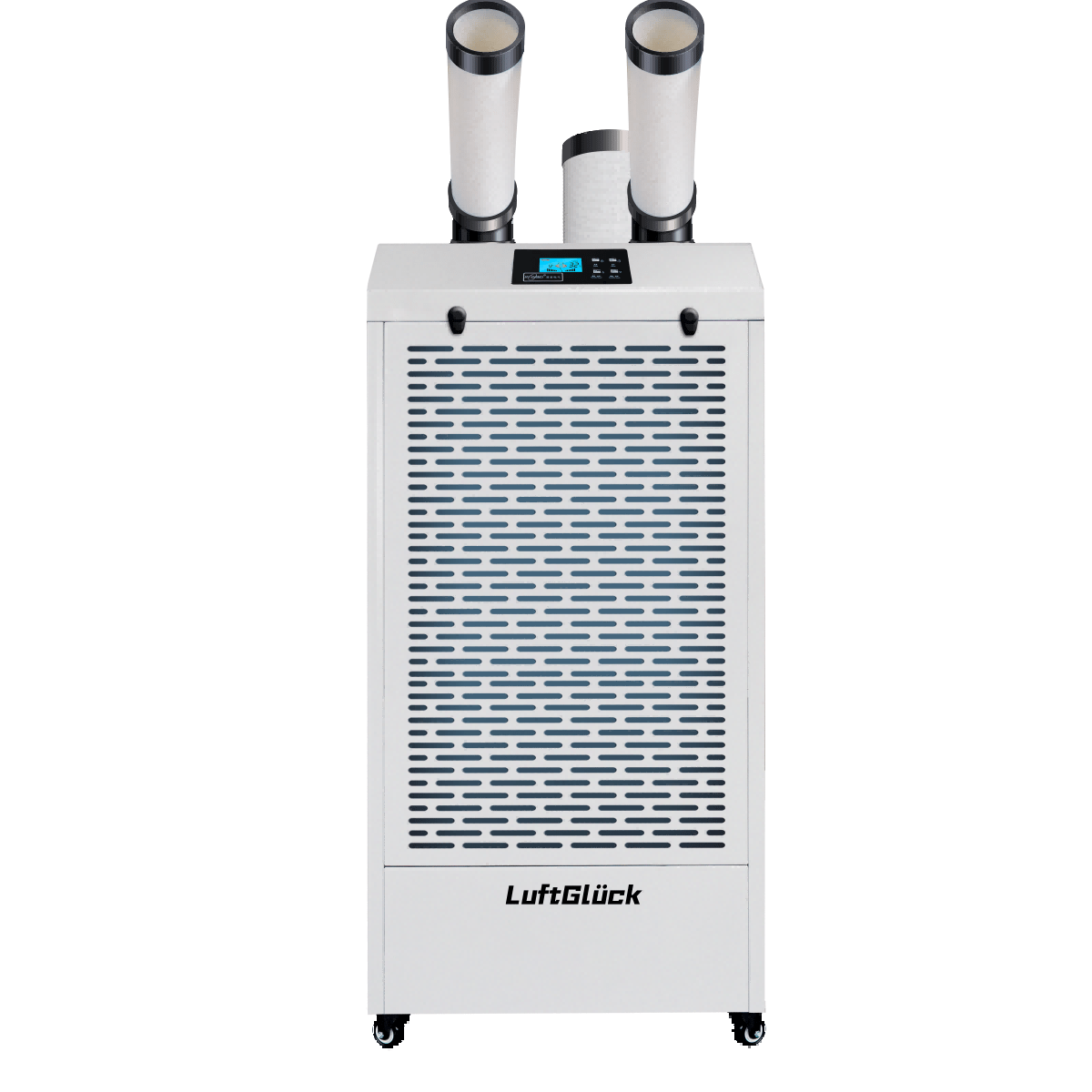
Commercial environments demand robust equipment that can withstand continuous operation and challenging conditions. Industrial-grade portable air conditioners feature reinforced components, heavy-duty wheels, and protective housing designed to endure the rigors of commercial use. These durability enhancements ensure consistent performance even in high-traffic areas or outdoor applications where dust, moisture, and temperature extremes may be present.
Reliability becomes paramount in commercial settings where equipment failures can disrupt operations and affect productivity. Quality portable cooling systems incorporate redundant safety systems, overload protection, and diagnostic capabilities that prevent unexpected downtime. Regular maintenance requirements remain minimal, allowing businesses to focus on core operations while maintaining optimal environmental conditions.
Strategic Implementation Considerations
Capacity Planning and Sizing
Proper sizing of a portable air conditioner for commercial applications requires careful consideration of space dimensions, heat load factors, and occupancy patterns. Commercial facilities must account for equipment heat generation, lighting systems, and human occupancy when determining cooling requirements. Professional load calculations ensure that selected units provide adequate cooling capacity without excessive energy consumption.
Modular cooling approaches allow businesses to scale cooling capacity by deploying multiple units as needed rather than investing in oversized single systems. This strategy provides redundancy benefits while maintaining operational flexibility. Seasonal adjustments become straightforward when facilities can add or remove portable units based on changing cooling demands throughout the year.
Integration with Existing Systems
Commercial facilities often need to integrate portable cooling solutions with existing HVAC systems to create comprehensive climate control strategies. A portable air conditioner can supplement permanent systems during peak demand periods or provide backup cooling when primary systems require maintenance. This integration approach maximizes cooling efficiency while maintaining redundancy for critical applications.
Zone-based cooling strategies combine the flexibility of portable units with the efficiency of centralized systems, creating optimized environmental control throughout commercial spaces. Facility managers can fine-tune cooling distribution based on real-time requirements, ensuring that energy resources are utilized efficiently while maintaining comfortable conditions in all operational areas.
Long-term Benefits for Commercial Operations
Scalability and Future Planning
The scalable nature of portable cooling solutions aligns perfectly with growing businesses that need flexible infrastructure investments. As commercial operations expand, additional portable air conditioner units can be acquired incrementally rather than requiring major HVAC system overhauls. This approach reduces capital expenditure spikes while ensuring that cooling capacity grows alongside business needs.
Future facility relocations or layout changes become less disruptive when cooling infrastructure consists of portable units that can be easily relocated and reconfigured. This mobility preserves investment value while providing operational continuity during transitions. Businesses maintaining multiple locations can share portable cooling resources as seasonal demands shift between facilities.
Environmental Impact and Sustainability
Environmental considerations increasingly influence commercial equipment decisions, and modern portable air conditioners offer improved sustainability profiles compared to older cooling technologies. Energy-efficient models reduce overall power consumption while providing comparable cooling performance to traditional systems. This efficiency translates into lower carbon footprints and reduced environmental impact for conscious businesses.
The targeted cooling approach enabled by portable systems prevents energy waste associated with conditioning unused spaces, supporting corporate sustainability initiatives. Refrigerant technologies in contemporary units comply with environmental regulations while providing effective cooling performance. These environmental benefits align with corporate responsibility goals while delivering operational advantages.
FAQ
What size portable air conditioner do I need for my commercial space
Commercial portable air conditioner sizing depends on square footage, ceiling height, heat-generating equipment, and occupancy levels. Generally, calculate 20-25 BTU per square foot for basic cooling, then add capacity for equipment heat loads and high-traffic areas. Professional load calculations provide the most accurate sizing recommendations for optimal performance and energy efficiency.
Can portable air conditioners handle continuous commercial operation
Yes, commercial-grade portable air conditioners are designed for continuous operation in demanding environments. These units feature robust components, enhanced cooling systems, and durability features that support 24/7 operation when properly maintained. Regular filter cleaning and periodic maintenance ensure reliable performance throughout extended operating periods.
How do portable units compare to permanent HVAC systems for commercial use
Portable air conditioners offer superior flexibility and lower upfront costs compared to permanent systems, making them ideal for temporary needs, supplemental cooling, or businesses requiring adaptable solutions. While permanent systems may provide greater efficiency for whole-building cooling, portable units excel in targeted applications and situations requiring frequent reconfiguration or relocation capabilities.
What maintenance requirements do commercial portable air conditioners have
Commercial portable air conditioner maintenance typically includes regular filter cleaning or replacement, condensate drain cleaning, and periodic coil inspection. Most units feature accessible components that allow straightforward maintenance without specialized tools. Establishing routine maintenance schedules ensures optimal performance, energy efficiency, and extended equipment lifespan in commercial applications.