
 EN
EN
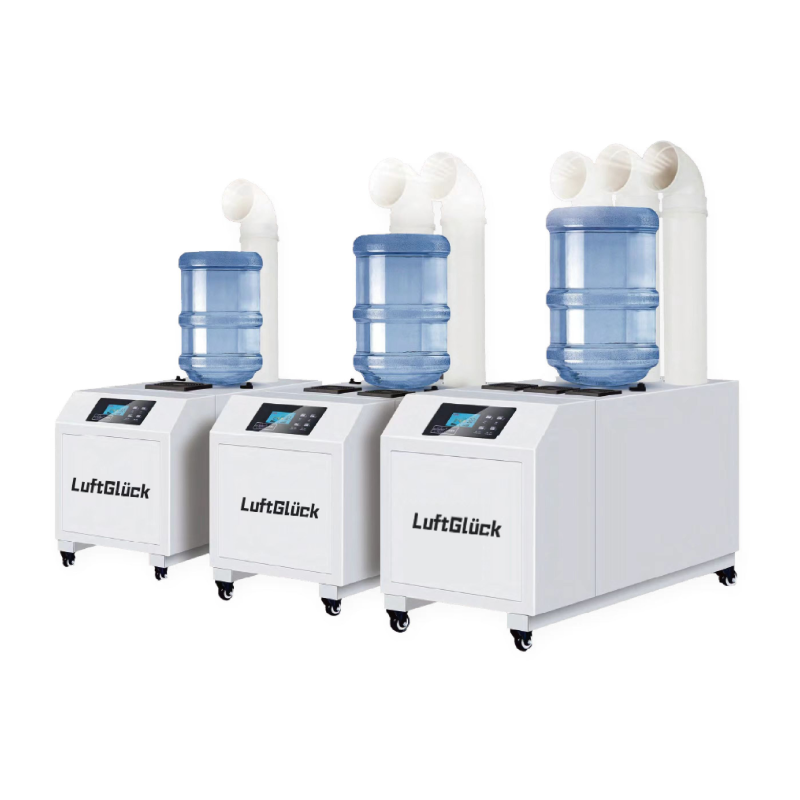
Fresh produce faces constant challenges during storage and transportation, with moisture loss being one of the primary factors leading to quality degradation and shortened shelf life. Commercial food operations increasingly rely on advanced moisture control technologies to maintain optimal conditions for fruits, vegetables, and other perishable goods. An ultrasonic humidifier represents a sophisticated solution that addresses these critical environmental control needs through precise humidity management and innovative vapor generation technology.
Modern food preservation strategies have evolved significantly beyond traditional refrigeration methods, incorporating advanced atmospheric control systems that maintain specific humidity levels crucial for extending produce freshness. The science behind moisture management in commercial food storage reveals complex interactions between humidity, temperature, and cellular structure preservation. Understanding these relationships enables food industry professionals to implement more effective preservation protocols that maximize both quality retention and economic returns.
The impact of proper humidity control extends throughout the entire fresh produce supply chain, from initial harvest storage through retail display environments. Each stage of this journey presents unique challenges that require tailored humidity solutions to prevent moisture loss, maintain cellular integrity, and preserve the visual appeal that consumers associate with freshness and quality.
Scientific Foundation of Humidity Control in Produce Preservation
Cellular Water Balance and Transpiration Effects
Fresh produce continues metabolic processes after harvest, with cellular respiration and transpiration occurring at rates influenced by environmental humidity levels. When surrounding air lacks adequate moisture content, produce undergoes accelerated water loss through natural transpiration processes, leading to wilting, weight reduction, and textural changes that diminish marketability. An ultrasonic humidifier creates fine water droplets that maintain optimal vapor pressure around stored produce, reducing the driving force behind excessive transpiration rates.
The relationship between ambient humidity and cellular turgor pressure directly affects the structural integrity of fruits and vegetables. Maintaining proper moisture levels helps preserve cell wall strength and prevents the collapse of internal structures that contribute to firmness and crispness. Research demonstrates that controlled humidity environments can extend the marketable life of leafy greens by up to forty percent compared to standard storage conditions.
Enzymatic Activity and Quality Degradation
Enzymatic reactions responsible for produce deterioration accelerate under low humidity conditions, as cellular stress triggers protective mechanisms that alter flavor compounds, nutritional content, and visual appearance. Optimal humidity levels maintained by precision equipment help regulate these enzymatic processes, slowing the breakdown of chlorophyll, preventing premature ripening, and preserving the natural antioxidant compounds that contribute to both nutritional value and shelf stability.
The interaction between moisture content and enzymatic activity varies significantly among different produce types, requiring customized humidity management approaches for optimal preservation results. Vegetables with high surface-to-volume ratios, such as leafy greens and herbs, benefit dramatically from consistent humidity maintenance, while root vegetables and thick-skinned fruits require different moisture management strategies to prevent both dehydration and excessive moisture accumulation.
Ultrasonic Technology Applications in Commercial Food Storage
Vapor Generation Mechanisms and Distribution
Ultrasonic technology generates extremely fine water droplets through high-frequency vibration, creating a uniform mist that distributes evenly throughout storage environments without causing water pooling or surface condensation on produce. This precise vapor generation method allows for accurate humidity control while minimizing the risk of bacterial growth or fungal development that can occur with conventional humidification systems that produce larger water droplets.
The particle size produced by an ultrasonic humidifier typically ranges from one to five microns, allowing for rapid evaporation and atmospheric integration without creating wet surfaces that could promote microbial growth. This characteristic makes ultrasonic systems particularly suitable for sensitive produce storage applications where surface moisture must be carefully controlled to prevent quality issues.
Energy Efficiency and Operational Benefits
Modern ultrasonic humidification systems operate with significantly lower energy consumption compared to traditional steam-based or evaporative humidification methods, making them economically attractive for large-scale commercial operations. The electrical energy required to generate ultrasonic vibrations is substantially less than that needed for heating water to steam, resulting in operational cost savings that accumulate significantly over extended operation periods.
Integration with automated control systems allows ultrasonic humidifier installations to respond precisely to changing environmental conditions, adjusting output levels based on real-time humidity measurements and produce storage requirements. This responsive capability ensures optimal conditions are maintained while minimizing energy waste and reducing operational oversight requirements in busy commercial facilities.
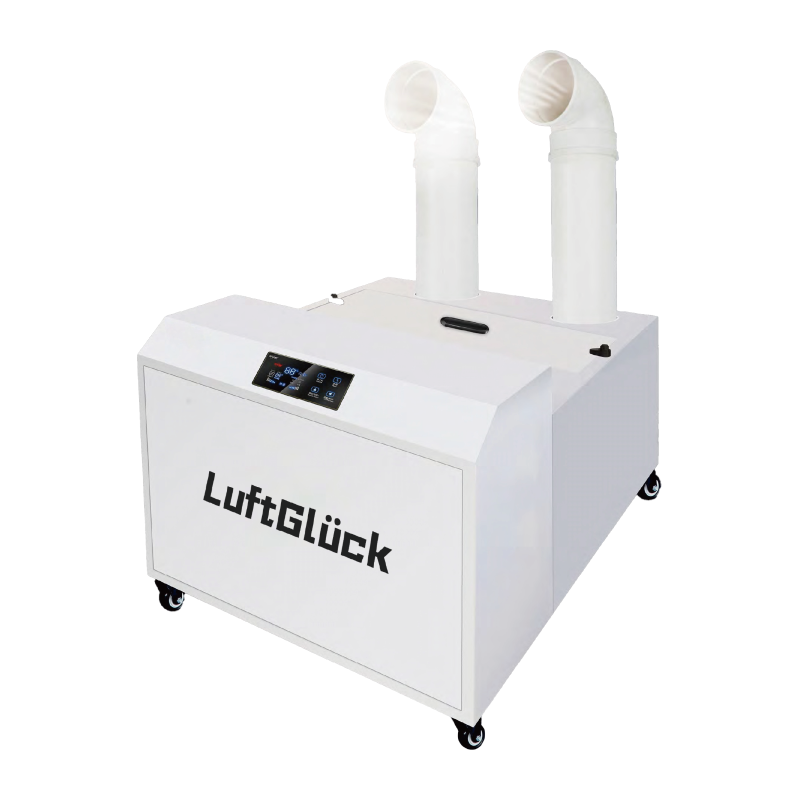
Implementation Strategies for Different Produce Categories
Leafy Greens and Delicate Vegetables
Leafy vegetables require particularly careful humidity management due to their high surface area and rapid transpiration rates that can lead to dramatic quality loss within hours under suboptimal conditions. An ultrasonic humidifier system designed for leafy green storage typically maintains humidity levels between ninety and ninety-five percent while ensuring adequate air circulation to prevent stagnant conditions that could encourage bacterial development.
The delicate nature of lettuce, spinach, and similar vegetables makes them excellent indicators of humidity system performance, as even minor variations in moisture levels become visible through wilting, browning, or textural changes within short timeframes. Successful implementation requires precise sensor placement and responsive control systems that can maintain stable conditions despite temperature fluctuations and loading variations in storage facilities.
Root Vegetables and Tubers
Root vegetables present different humidity management challenges due to their natural protective barriers and longer storage life expectations compared to leafy produce. An ultrasonic humidifier system serving root vegetable storage typically operates at slightly lower humidity levels, usually between eighty-five and ninety percent, to prevent surface moisture accumulation while still providing adequate atmospheric moisture to prevent dehydration and sprouting.
The storage duration for root vegetables often extends weeks or months, making consistent humidity control crucial for preventing weight loss, sprouting, and the development of storage disorders that can affect entire batches. Proper system design considerations include air circulation patterns, temperature stratification control, and integration with existing refrigeration systems to create optimal storage environments.
Economic Impact and Return on Investment Analysis
Reduction in Product Loss and Waste
Commercial produce operations typically experience significant financial losses due to moisture-related quality degradation, with industry studies indicating that proper humidity control can reduce product waste by twenty to thirty percent across various produce categories. The economic benefits of implementing an ultrasonic humidifier system extend beyond simple loss prevention, encompassing improved product appearance, extended selling windows, and enhanced customer satisfaction leading to increased sales volumes.
Weight retention represents another substantial economic benefit, as fresh produce is typically sold by weight and natural moisture loss directly impacts revenue generation. Maintaining optimal humidity levels helps preserve product weight throughout storage and display periods, contributing to improved profitability margins that often justify system installation costs within the first year of operation.
Labor and Operational Efficiency Gains
Automated humidity control systems reduce the labor requirements associated with manual moisture management and product rotation procedures traditionally needed to maintain produce quality. Staff can focus on other value-added activities while ultrasonic humidifier systems automatically maintain optimal environmental conditions, improving overall operational efficiency and reducing labor costs associated with produce management activities.
The reliability and low maintenance requirements of modern ultrasonic systems contribute to operational efficiency by minimizing downtime and service interruptions that can compromise product quality. Predictable maintenance schedules and durable component designs help facility managers plan maintenance activities without disrupting critical storage operations or risking product loss due to equipment failures.
System Integration and Facility Design Considerations
HVAC Coordination and Air Circulation Patterns
Successful ultrasonic humidifier installation requires careful coordination with existing heating, ventilation, and air conditioning systems to ensure proper vapor distribution and prevent the formation of humidity gradients that could create inconsistent storage conditions. Air circulation patterns must be designed to distribute humidified air evenly throughout storage spaces while preventing stagnant zones where moisture could accumulate and create microclimatic problems.
Temperature control systems must work in harmony with humidity management equipment to maintain stable environmental conditions that support optimal produce preservation. The interaction between temperature and humidity affects both the performance of ultrasonic systems and the storage requirements of different produce types, requiring integrated control strategies that consider both parameters simultaneously.
Monitoring and Control System Integration
Advanced monitoring systems provide real-time data on humidity levels, temperature variations, and system performance metrics that enable proactive management of storage conditions and early detection of potential problems. Integration with facility management systems allows remote monitoring and control capabilities that support efficient operation of multiple storage zones with different environmental requirements.
Data logging and trend analysis capabilities help operators optimize system performance over time, identifying patterns and opportunities for further efficiency improvements. Historical data collection supports quality assurance documentation and helps demonstrate compliance with food safety standards that increasingly emphasize environmental control and traceability throughout the supply chain.
Maintenance Requirements and Long-term Performance
Component Durability and Service Intervals
Modern ultrasonic humidifier systems feature robust construction and durable components designed for continuous operation in demanding commercial environments. Transducer elements, which generate the ultrasonic vibrations essential for vapor production, typically provide thousands of hours of reliable operation before requiring replacement, contributing to low total cost of ownership over extended service periods.
Routine maintenance requirements primarily involve cleaning procedures to prevent mineral buildup and ensure optimal vapor generation efficiency. The frequency of maintenance activities depends on water quality, operating conditions, and system utilization levels, but generally requires less frequent attention than conventional humidification systems that involve heating elements or evaporative media requiring regular replacement.
Water Quality Management and Filtration
Water quality significantly impacts the performance and longevity of ultrasonic humidifier systems, with mineral content affecting both vapor generation efficiency and maintenance requirements. Proper water treatment and filtration systems help prevent scale buildup on transducer surfaces and reduce the frequency of cleaning procedures required to maintain optimal system performance.
Investment in appropriate water treatment equipment typically provides long-term cost benefits through extended component life, reduced maintenance requirements, and consistent vapor generation performance. The relationship between water quality and system performance makes water treatment an essential consideration in system design and specification development for commercial installations.
FAQ
What humidity levels are optimal for different types of fresh produce
Optimal humidity levels vary significantly among produce types, with leafy greens typically requiring ninety to ninety-five percent relative humidity, while root vegetables perform best at eighty-five to ninety percent humidity levels. Fruits generally benefit from humidity ranges between eighty and ninety percent, depending on their natural moisture content and storage duration requirements. An ultrasonic humidifier system can be precisely controlled to maintain these specific levels for different storage zones within the same facility.
How quickly can ultrasonic systems respond to humidity changes
Ultrasonic humidifier systems provide rapid response capabilities, typically achieving target humidity levels within minutes of activation due to their efficient vapor generation mechanism and fine droplet size distribution. This quick response time allows for precise environmental control that can accommodate changing conditions such as door openings, product loading, or temperature fluctuations that might affect humidity levels in storage areas.
What are the power consumption requirements for commercial ultrasonic systems
Power consumption for commercial ultrasonic humidifier installations varies based on system capacity and operating conditions, but typically ranges from fifty to several hundred watts per unit depending on the coverage area and humidity output requirements. These systems generally consume significantly less energy than steam-based alternatives, with actual consumption varying based on ambient conditions, target humidity levels, and facility air circulation characteristics.
Can ultrasonic systems operate effectively in refrigerated environments
Modern ultrasonic humidifier systems are specifically designed to operate effectively in refrigerated storage environments common in produce handling facilities. Cold temperature operation requires specialized components and control algorithms to maintain consistent vapor generation and prevent ice formation, but properly designed systems can maintain optimal humidity levels even in near-freezing conditions typical of fresh produce storage applications.
Table of Contents
- Scientific Foundation of Humidity Control in Produce Preservation
- Ultrasonic Technology Applications in Commercial Food Storage
- Implementation Strategies for Different Produce Categories
- Economic Impact and Return on Investment Analysis
- System Integration and Facility Design Considerations
- Maintenance Requirements and Long-term Performance
- FAQ