
 EN
EN
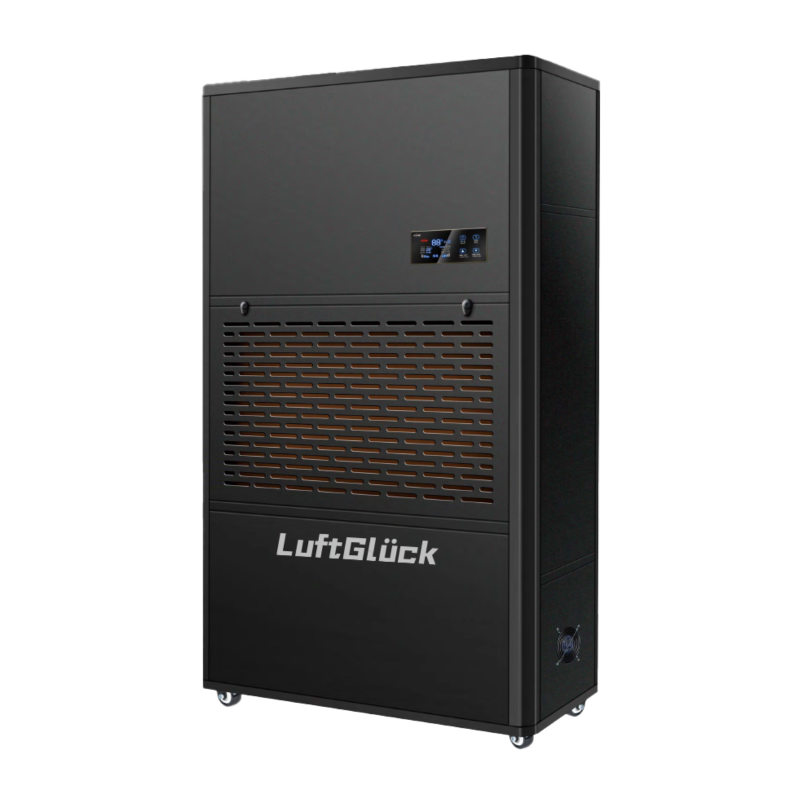
Greenhouse farming represents a cornerstone of modern agricultural productivity, enabling year-round cultivation and optimized growing conditions. However, maintaining the delicate balance of environmental factors within these controlled environments presents unique challenges, particularly when it comes to moisture management. Excessive humidity creates the perfect breeding ground for fungal pathogens, bacterial infections, and other plant diseases that can devastate entire crops. A plant disease control dehumidifier serves as a critical line of defense against these moisture-related threats, ensuring optimal growing conditions while protecting valuable harvests from costly disease outbreaks.
The relationship between humidity levels and plant health extends far beyond simple comfort considerations. When moisture levels exceed optimal ranges, typically above 70-80% relative humidity depending on the crop, greenhouse environments become susceptible to a cascade of problems. These high-moisture conditions promote the development and spread of powdery mildew, gray mold, downy mildew, and various bacterial blights that can quickly compromise plant vitality and reduce yields significantly. Understanding this fundamental connection between environmental control and plant health underscores why professional greenhouse operators increasingly rely on specialized dehumidification systems.
Modern greenhouse operations demand precise environmental control to maximize productivity and minimize losses. The integration of a plant disease control dehumidifier into comprehensive climate management systems represents a proactive approach to maintaining optimal growing conditions. These specialized units work continuously to extract excess moisture from the air, maintaining relative humidity levels within the narrow ranges that promote healthy plant growth while inhibiting pathogen development. This targeted approach to moisture management has become indispensable for commercial greenhouse operations seeking to protect their investments and ensure consistent harvest quality.
Understanding Plant Disease Dynamics in Greenhouse Environments
The Science Behind Humidity and Pathogen Development
Pathogen development in greenhouse environments follows predictable patterns directly related to moisture availability and air circulation. Fungal spores require specific humidity thresholds to germinate and establish infections, with most common greenhouse pathogens thriving in conditions above 75% relative humidity. When these moisture levels persist for extended periods, particularly during nighttime hours when temperatures drop and condensation forms, disease pressure intensifies dramatically. A plant disease control dehumidifier interrupts this cycle by maintaining consistent moisture levels that fall below critical thresholds for pathogen activation.
The relationship between leaf wetness duration and disease development represents another critical factor in greenhouse disease management. Many fungal pathogens require continuous leaf wetness for 6-12 hours to complete their infection cycles successfully. By reducing ambient humidity and preventing condensation formation on plant surfaces, specialized dehumidification systems effectively break this infection cycle. This preventive approach proves far more effective and economical than reactive treatments with fungicides or other chemical interventions after diseases have already established themselves within the growing environment.
Temperature fluctuations combined with high humidity create particularly challenging conditions for plant health management. During typical greenhouse operations, daytime heating followed by nighttime cooling often results in condensation formation on plant surfaces and greenhouse structures. This moisture provides ideal conditions for spore germination and infection establishment. Strategic deployment of plant disease control dehumidifier systems helps maintain stable moisture levels throughout daily temperature cycles, reducing the formation of conducive conditions for disease development.
Common Diseases Prevented Through Humidity Control
Powdery mildew represents one of the most prevalent and economically damaging diseases in greenhouse operations worldwide. This fungal pathogen thrives in conditions of high humidity combined with poor air circulation, forming characteristic white powdery growth on leaf surfaces that reduces photosynthetic capacity and compromises plant vigor. Effective humidity control through specialized dehumidification systems significantly reduces powdery mildew incidence by maintaining moisture levels below the 70% threshold typically required for spore germination and mycelial growth.
Gray mold, caused by Botrytis cinerea, poses another significant threat to greenhouse crops, particularly during periods of high humidity and limited air movement. This aggressive pathogen can rapidly spread through plant tissues, causing stem rot, leaf blight, and fruit decay that results in substantial yield losses. The implementation of plant disease control dehumidifier technology creates environmental conditions that inhibit gray mold development while promoting healthy plant growth. By maintaining relative humidity levels between 50-65%, greenhouse operators can effectively suppress gray mold while supporting optimal plant physiological processes.
Downy mildew and various bacterial diseases also respond dramatically to improved humidity management within greenhouse environments. These pathogens typically require high moisture levels and extended periods of leaf wetness to establish successful infections. Consistent humidity control through professional dehumidification systems creates an inhospitable environment for these disease-causing organisms while supporting the natural defense mechanisms of healthy plants. This integrated approach to disease prevention demonstrates the value of environmental modification as a primary tool for sustainable greenhouse production.
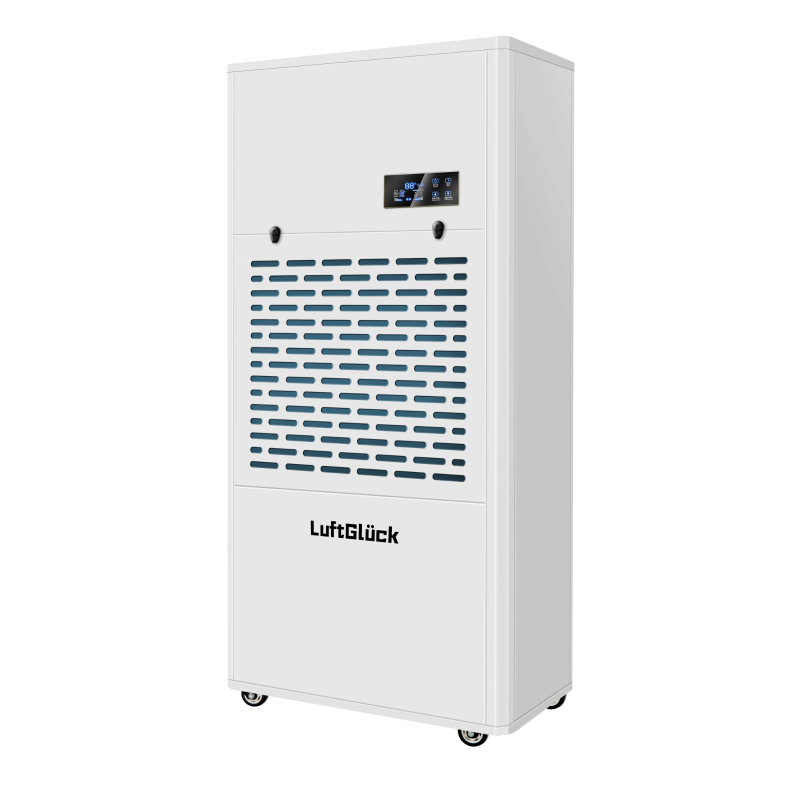
Technical Specifications and Performance Characteristics
Capacity Requirements for Different Greenhouse Sizes
Determining appropriate capacity requirements for greenhouse dehumidification systems involves careful analysis of multiple environmental factors including greenhouse volume, ventilation rates, crop transpiration levels, and external climate conditions. Small commercial greenhouses ranging from 1,000 to 5,000 square feet typically require plant disease control dehumidifier units with capacities between 50-150 pints per day, depending on crop density and local humidity conditions. These calculations must account for peak moisture loads during periods of high plant transpiration and minimal ventilation.
Medium-scale greenhouse operations covering 5,000 to 20,000 square feet demand more sophisticated dehumidification solutions with capacities ranging from 200-500 pints per daily moisture removal. These installations often benefit from multiple unit configurations that provide redundancy and allow for zone-specific humidity control. The strategic placement of plant disease control dehumidifier systems throughout larger facilities ensures uniform moisture management and prevents the development of microclimates that could harbor disease-causing organisms.
Large commercial greenhouse complexes exceeding 20,000 square feet require industrial-grade dehumidification systems capable of removing 500+ pints of moisture daily. These comprehensive installations typically integrate multiple units with centralized control systems that monitor and adjust humidity levels automatically based on real-time environmental conditions. The scalability of modern dehumidification technology allows these large operations to maintain precise environmental control across vast growing areas while optimizing energy efficiency and operational costs.
Energy Efficiency and Operational Cost Considerations
Modern plant disease control dehumidifier systems incorporate advanced technologies that maximize moisture removal efficiency while minimizing energy consumption. Variable-speed compressors, smart defrost cycles, and heat recovery systems contribute to operational efficiency that can reduce energy costs by 20-30% compared to traditional dehumidification methods. These efficiency improvements translate directly to reduced operational expenses while maintaining superior humidity control performance.
The integration of programmable controls and environmental sensors allows greenhouse operators to optimize dehumidifier operation based on actual conditions rather than fixed schedules. This intelligent approach to moisture management ensures that systems operate only when necessary, further reducing energy consumption while maintaining optimal growing conditions. Many modern units feature remote monitoring capabilities that enable operators to track performance and adjust settings from mobile devices, improving both convenience and efficiency.
Long-term operational cost analysis demonstrates that investing in high-quality plant disease control dehumidifier systems provides substantial returns through reduced crop losses, decreased pesticide applications, and improved harvest quality. While initial equipment costs may seem significant, the prevention of a single major disease outbreak often justifies the entire investment. Additionally, improved environmental control typically results in faster crop cycles and higher yields, further enhancing the economic benefits of professional dehumidification systems.
Installation and Integration Strategies
Optimal Placement for Maximum Effectiveness
Strategic placement of dehumidification equipment within greenhouse environments requires careful consideration of air circulation patterns, crop layout, and structural constraints. Central positioning typically provides the most uniform moisture control, but specific greenhouse configurations may benefit from distributed placement strategies. The key principle involves ensuring adequate air movement around the plant disease control dehumidifier intake and discharge points to maximize moisture extraction efficiency while promoting healthy air circulation throughout the growing area.
Vertical placement considerations play a crucial role in dehumidifier effectiveness, as warm, moist air naturally rises within greenhouse structures. Installing units at heights that intercept these moisture-laden air masses before condensation occurs on plant surfaces or structural components improves overall system performance. However, placement must also account for maintenance accessibility and protection from irrigation systems or other sources of direct moisture exposure that could compromise equipment longevity.
Integration with existing greenhouse infrastructure requires coordination with heating, cooling, and ventilation systems to ensure optimal performance across all environmental control components. Modern plant disease control dehumidifier systems often feature multiple mounting options and flexible ducting connections that accommodate various greenhouse designs and operational requirements. Professional installation services can evaluate specific facility needs and recommend placement strategies that maximize effectiveness while minimizing installation complexity.
Integration with Existing Climate Control Systems
Successful integration of dehumidification systems with existing greenhouse climate control infrastructure requires careful coordination of multiple environmental parameters. Modern greenhouse management systems typically control temperature, humidity, CO2 levels, and air circulation through integrated platforms that optimize growing conditions while minimizing energy consumption. Adding plant disease control dehumidifier capability to these systems enhances overall environmental precision while providing additional layers of disease prevention.
Communication protocols between different system components ensure coordinated operation that prevents conflicting environmental adjustments. For example, dehumidification systems must coordinate with ventilation controls to avoid simultaneously introducing outdoor moisture while attempting to reduce indoor humidity levels. Advanced control systems automatically manage these interactions, optimizing overall system performance while reducing the operational complexity for greenhouse managers.
The integration process often reveals opportunities to improve overall greenhouse efficiency through better coordination of environmental control systems. Many operators discover that adding professional dehumidification capability allows them to reduce ventilation rates during certain conditions, improving temperature stability and CO2 retention while maintaining optimal humidity levels. This integrated approach to environmental management represents the future of precision greenhouse operations, where multiple systems work together seamlessly to create ideal growing conditions.
Maintenance and Long-term Performance
Routine Maintenance Requirements
Maintaining optimal performance from plant disease control dehumidifier systems requires adherence to regular maintenance schedules that address both mechanical components and environmental factors unique to greenhouse operations. Weekly inspections should include checking air filter conditions, verifying proper drainage function, and monitoring refrigerant levels to ensure consistent moisture removal capacity. The greenhouse environment, with its high humidity and potential exposure to fertilizers and pesticides, can accelerate component wear and requires more frequent attention than standard commercial applications.
Monthly maintenance procedures typically involve more detailed inspections of electrical connections, fan motor operation, and heat exchanger cleanliness. The presence of plant matter, dust, and agricultural chemicals in greenhouse environments can accumulate on system components, reducing efficiency and potentially causing premature component failure. Regular cleaning of intake grilles, evaporator coils, and condensate drainage systems prevents these accumulations from compromising system performance and extends equipment service life significantly.
Seasonal maintenance requirements include comprehensive system inspections, refrigerant pressure testing, and replacement of consumable components such as filters and belts. These more extensive maintenance procedures should coincide with crop rotation periods when greenhouse operations allow for temporary system shutdowns. Professional service technicians familiar with agricultural applications can identify potential issues before they impact crop production, ensuring that plant disease control dehumidifier systems remain reliable throughout critical growing periods.
Troubleshooting Common Issues
Common performance issues with greenhouse dehumidification systems often relate to environmental factors specific to agricultural applications. Reduced moisture removal capacity may indicate clogged air filters, dirty evaporator coils, or improper refrigerant levels caused by system leaks. These issues typically develop gradually and may go unnoticed until humidity levels begin rising above optimal ranges. Regular monitoring of system performance parameters helps identify developing problems before they compromise crop health.
Electrical issues in greenhouse environments frequently result from high humidity exposure and corrosive agricultural chemicals that can affect control systems and motor components. Symptoms may include intermittent operation, failure to start, or irregular cycling patterns that indicate control system malfunctions. Environmental protection measures, including proper equipment enclosures and regular inspection of electrical connections, help prevent these issues while ensuring safe operation in demanding greenhouse conditions.
Drainage problems represent another common concern for plant disease control dehumidifier systems operating in greenhouse environments. Condensate drainage systems may become clogged with debris, algae growth, or mineral deposits that prevent proper moisture disposal. These blockages can cause water backup, reduced dehumidification capacity, and potential equipment damage. Implementing proper drainage system design with accessible cleanout points and regular maintenance protocols prevents these issues while ensuring reliable long-term operation.
Economic Benefits and Return on Investment
Cost-Benefit Analysis for Greenhouse Operations
Comprehensive cost-benefit analysis for plant disease control dehumidifier systems demonstrates compelling returns on investment through multiple pathways including reduced crop losses, decreased chemical inputs, and improved harvest quality. Disease-related crop losses in greenhouse operations can easily exceed 20-30% of potential yields during high-humidity periods, representing significant revenue losses that dwarf equipment investment costs. Professional dehumidification systems typically reduce disease pressure by 80-90%, translating to substantial improvements in overall crop productivity and profitability.
Chemical cost reductions represent another significant economic benefit from improved environmental control. Greenhouse operations relying primarily on fungicide applications for disease management often spend thousands of dollars annually on chemical treatments while dealing with resistance development and application timing challenges. Plant disease control dehumidifier systems reduce the need for chemical interventions by creating environmental conditions that naturally suppress pathogen development, resulting in lower input costs and reduced chemical residue concerns for fresh market crops.
Quality improvements achieved through better environmental control often command premium pricing in competitive markets. Crops grown under optimal humidity conditions typically exhibit superior color, texture, shelf life, and overall appearance compared to those produced under variable or suboptimal conditions. These quality improvements can justify premium pricing that further enhances the economic returns from dehumidification system investments, particularly for high-value crops destined for premium market segments.
Long-term Value Creation Through Disease Prevention
Long-term value creation through systematic disease prevention extends beyond immediate crop protection to include benefits such as reduced soil pathogen loads, improved crop rotation flexibility, and enhanced overall greenhouse productivity. Consistent humidity control prevents the establishment of persistent pathogen populations that can continue causing problems across multiple growing seasons. This long-term approach to disease management creates compounding benefits that increase over time as pathogen pressure decreases and crop health improves.
Market reputation and customer relationships benefit significantly from consistent crop quality achieved through professional environmental control. Greenhouse operations known for reliable, high-quality produce often develop premium customer relationships that provide pricing advantages and marketing stability. These relationship benefits, enabled by consistent environmental control including plant disease control dehumidifier systems, create sustainable competitive advantages that extend far beyond simple crop protection benefits.
Insurance and risk management considerations also favor investments in comprehensive environmental control systems. Many agricultural insurance policies recognize the reduced risk associated with professional disease prevention systems, potentially offering premium discounts for operations employing systematic environmental control measures. Additionally, the reduced variability in crop outcomes helps greenhouse operations better predict revenues and manage cash flow, contributing to overall business stability and growth potential.
FAQ
What size plant disease control dehumidifier do I need for my greenhouse
Determining the appropriate size depends on several factors including greenhouse square footage, crop type, local climate conditions, and existing ventilation capacity. As a general guideline, plan for 10-15 pints of daily moisture removal capacity per 1,000 square feet of greenhouse space, with adjustments for high-transpiration crops or particularly humid climates. Professional assessment of your specific conditions will provide the most accurate sizing recommendations to ensure optimal performance and energy efficiency.
How much energy does a greenhouse dehumidifier consume
Modern plant disease control dehumidifier systems typically consume 300-800 watts per hour depending on capacity and efficiency ratings. Energy consumption varies based on ambient conditions, system load, and operational settings. High-efficiency models with variable-speed compressors and smart controls can reduce energy usage by 20-30% compared to standard units. Most greenhouse operations find that energy costs are easily offset by improved crop yields and reduced disease management expenses.
Can dehumidification systems work alongside existing greenhouse ventilation
Yes, plant disease control dehumidifier systems are designed to work effectively with existing greenhouse ventilation systems. In fact, proper integration enhances overall environmental control by providing humidity management during periods when outdoor conditions make ventilation less effective. Modern control systems can coordinate dehumidifier operation with ventilation fans and heating systems to optimize energy efficiency while maintaining ideal growing conditions throughout varying weather conditions.
What maintenance schedule should I follow for optimal performance
Recommended maintenance includes weekly filter inspections, monthly coil cleaning and electrical connection checks, and seasonal comprehensive system servicing. Greenhouse environments require more frequent maintenance than typical commercial applications due to dust, plant matter, and chemical exposure. Following manufacturer maintenance guidelines and working with experienced service technicians familiar with agricultural applications ensures reliable long-term performance and maximizes your investment in plant disease control dehumidifier technology.