
 EN
EN
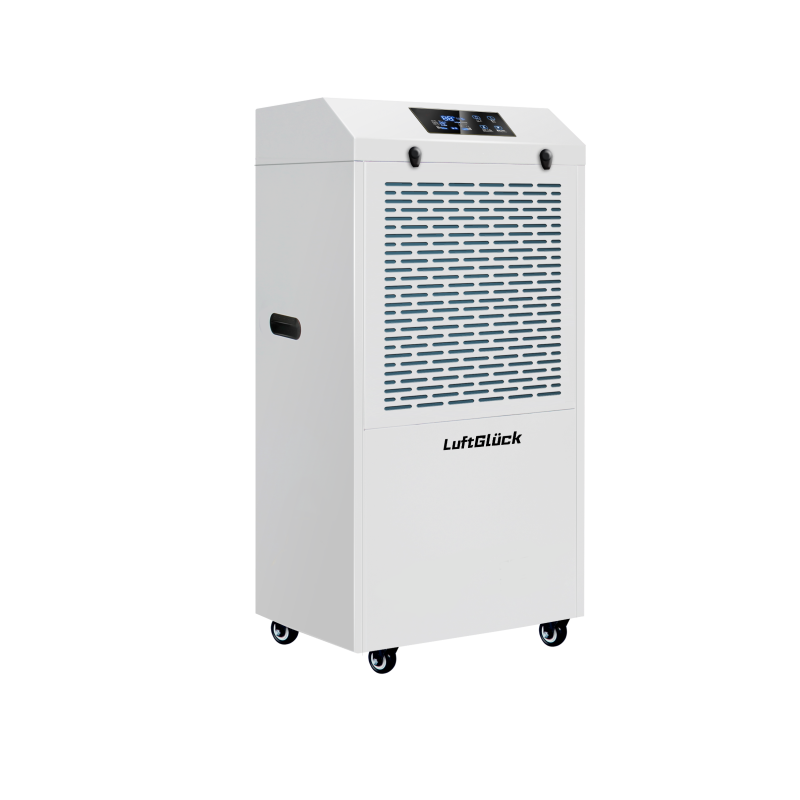
Plant diseases caused by excessive moisture and humidity pose significant threats to agricultural operations, greenhouse facilities, and indoor growing environments. A plant disease control dehumidifier serves as a critical tool in maintaining optimal environmental conditions that prevent the development and spread of harmful pathogens. By effectively managing humidity levels, these specialized devices create inhospitable conditions for mold, fungal infections, and bacterial growth that can devastate plant populations and reduce crop yields.
Modern agricultural practices increasingly rely on precise environmental control to maximize productivity and minimize losses from plant diseases. The implementation of advanced moisture management systems has become essential for commercial growers, research facilities, and specialized cultivation environments. Understanding how humidity control directly impacts plant health enables growers to make informed decisions about equipment selection and operational strategies.
Understanding the Science Behind Humidity and Plant Disease Development
Optimal Humidity Ranges for Disease Prevention
Research demonstrates that most plant pathogens require specific humidity conditions to germinate, reproduce, and spread effectively. A properly configured plant disease control dehumidifier maintains humidity levels between 45-55% relative humidity, which significantly reduces the viability of common fungal spores and bacterial colonies. This controlled environment prevents the formation of water films on plant surfaces, eliminating the moisture barrier that many pathogens require for successful infection.
Different plant species exhibit varying tolerance levels to humidity fluctuations, making customized moisture control essential for diverse growing operations. Professional-grade dehumidification systems provide precise control mechanisms that allow operators to adjust humidity levels based on specific crop requirements and seasonal variations. The ability to maintain consistent environmental conditions directly correlates with reduced disease pressure and improved plant vigor.
Pathogen Lifecycle Disruption Through Moisture Management
Many plant diseases follow predictable lifecycle patterns that depend heavily on environmental moisture availability. By implementing strategic humidity control, a plant disease control dehumidifier interrupts critical stages of pathogen development, preventing successful reproduction and transmission. This intervention approach proves particularly effective against powdery mildew, botrytis, and various bacterial blight conditions that thrive in high-humidity environments.
The timing of moisture control interventions plays a crucial role in disease prevention effectiveness. Advanced dehumidification systems equipped with automated controls can respond rapidly to humidity spikes, maintaining optimal conditions even during weather fluctuations or irrigation cycles. This responsive capability ensures continuous protection against opportunistic pathogens that exploit temporary environmental changes.
Advanced Dehumidification Technologies for Plant Disease Control
Refrigerant-Based Systems for Large-Scale Operations
Commercial refrigerant dehumidifiers represent the most common technology employed in large-scale plant disease control applications. These systems utilize refrigeration cycles to condense moisture from ambient air, achieving significant humidity reduction while maintaining energy efficiency. The robust construction and high-capacity operation of refrigerant-based units make them ideal for greenhouse facilities, warehouse growing operations, and processing environments where consistent moisture control is paramount.
Modern refrigerant systems incorporate intelligent control algorithms that optimize performance based on real-time environmental conditions. These advanced features enable automatic adjustment of dehumidification rates, ensuring optimal energy consumption while maintaining precise humidity targets. The integration of variable-speed compressors and advanced heat exchange technologies further enhances the effectiveness of plant disease control dehumidifier installations.
Desiccant Technology for Specialized Applications
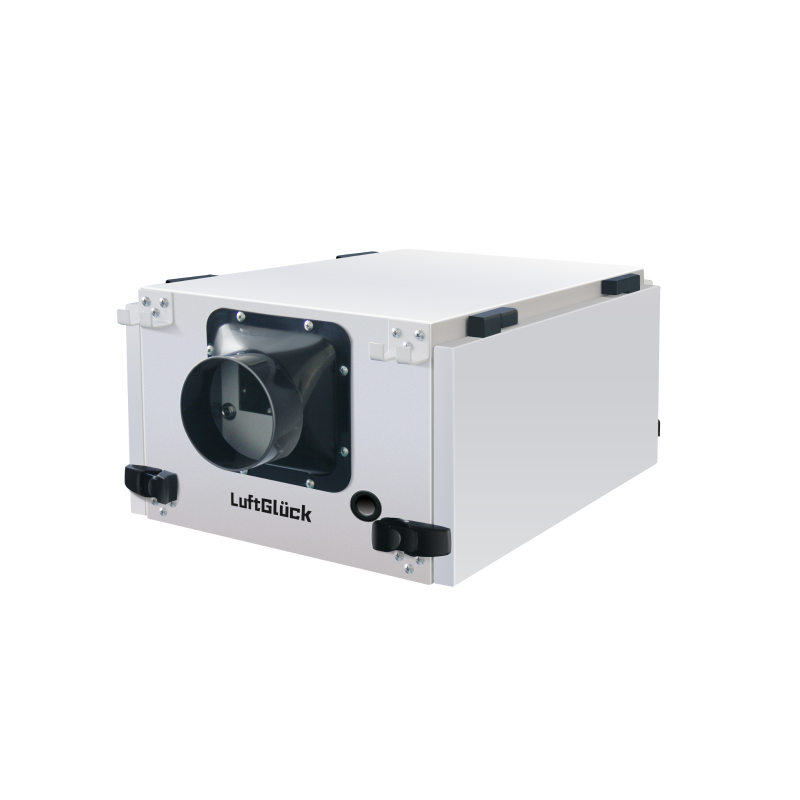
Desiccant-based dehumidification systems offer unique advantages for specialized plant disease control applications, particularly in environments requiring extremely low humidity levels or operating at lower temperatures. These systems utilize hygroscopic materials to absorb moisture directly from the air, providing superior performance in challenging conditions where traditional refrigerant systems may struggle to achieve target humidity levels.
The regenerative capabilities of desiccant systems enable continuous operation without performance degradation, making them particularly valuable for critical applications such as seed storage, pharmaceutical plant cultivation, and research facilities. A plant disease control dehumidifier utilizing desiccant technology can maintain consistent performance across wide temperature ranges, ensuring reliable protection against humidity-related plant diseases regardless of external conditions.
Implementation Strategies for Maximum Disease Control Effectiveness
System Sizing and Capacity Planning
Proper sizing of plant disease control dehumidifier systems requires comprehensive analysis of facility characteristics, including volume, air exchange rates, moisture load sources, and target humidity specifications. Undersized systems fail to achieve adequate moisture removal, while oversized units may cycle inefficiently or create excessive air movement that can stress plants. Professional assessment ensures optimal equipment selection that balances performance requirements with operational costs.
Seasonal variations in external humidity and temperature significantly impact dehumidification requirements, necessitating capacity calculations based on peak load conditions. Advanced modeling techniques consider factors such as plant transpiration rates, irrigation schedules, and ventilation patterns to determine appropriate equipment specifications. This comprehensive approach ensures reliable plant disease control dehumidifier performance throughout varying environmental conditions.
Integration with Environmental Control Systems
Modern plant disease control strategies benefit significantly from integrated environmental management systems that coordinate dehumidification with heating, cooling, and ventilation operations. Centralized control platforms enable operators to optimize overall facility climate while maintaining precise humidity targets for disease prevention. This integrated approach improves energy efficiency while enhancing the effectiveness of plant disease control measures.
Smart sensor networks provide real-time monitoring of humidity levels throughout facility zones, enabling responsive adjustments to dehumidification operations. These systems can detect localized humidity variations and automatically redistribute conditioning capacity to maintain uniform conditions. The ability to prevent humidity hotspots significantly reduces the risk of isolated disease outbreaks that could spread throughout the facility.
Maintenance and Operational Best Practices
Preventive Maintenance Protocols
Regular maintenance of plant disease control dehumidifier systems ensures consistent performance and longevity while preventing equipment failures that could compromise disease control efforts. Comprehensive maintenance schedules include filter replacement, coil cleaning, refrigerant level checks, and calibration of control systems. These routine procedures maintain optimal efficiency while identifying potential issues before they impact plant health.
Seasonal maintenance protocols address specific challenges associated with varying environmental conditions and operational demands. Pre-season inspections and tune-ups prepare systems for peak load periods, while post-season maintenance addresses wear patterns and component degradation. Professional maintenance programs often include performance monitoring and trending analysis to optimize system operation and predict future maintenance needs.
Monitoring and Performance Optimization
Continuous monitoring of plant disease control dehumidifier performance enables operators to identify optimization opportunities and ensure consistent disease prevention effectiveness. Data logging systems track humidity levels, energy consumption, and system cycling patterns to provide insights into operational efficiency and environmental control quality. This information supports decision-making regarding system adjustments and maintenance scheduling.
Advanced monitoring platforms incorporate predictive analytics to anticipate potential issues and recommend proactive interventions. These systems can detect gradual performance degradation, unusual operating patterns, or environmental changes that may impact disease control effectiveness. Early identification of concerns enables corrective actions before plant health is compromised.
Economic Benefits of Professional Plant Disease Control
Crop Loss Prevention and Yield Optimization
The implementation of effective plant disease control dehumidifier systems delivers substantial economic benefits through reduced crop losses and improved yield consistency. Disease outbreaks can devastate entire growing operations, resulting in complete crop failures and significant financial losses. Professional humidity control systems provide insurance against these catastrophic events while enabling growers to achieve more predictable production outcomes.
Long-term economic analysis demonstrates that the cost of professional dehumidification equipment is typically recovered within one to two growing seasons through improved yields and reduced treatment costs. The ability to maintain optimal growing conditions throughout the production cycle enables plants to achieve their full genetic potential, maximizing the return on investment in seeds, nutrients, and labor.
Reduced Chemical Treatment Requirements
Effective environmental control through plant disease control dehumidifier systems significantly reduces the need for chemical fungicides and bactericides, lowering operational costs while improving product quality. Many markets increasingly demand reduced chemical residue levels, making environmental control strategies attractive alternatives to traditional chemical treatments. This approach aligns with sustainable production practices while maintaining effective disease management.
The reduction in chemical treatments also minimizes the risk of pathogen resistance development, preserving the effectiveness of available control products for emergency situations. Integrated pest management programs increasingly emphasize environmental control as a foundational strategy that reduces reliance on reactive chemical applications. This proactive approach improves long-term sustainability while reducing regulatory compliance concerns.
FAQ
What humidity level should be maintained for optimal plant disease control?
Most plant disease control dehumidifier systems should maintain relative humidity between 45-55% for optimal pathogen suppression. This range prevents the formation of surface moisture films that enable fungal spore germination while avoiding excessively dry conditions that may stress plants. Specific targets may vary based on plant species, growth stage, and external environmental conditions.
How much energy does a plant disease control dehumidifier consume?
Energy consumption varies significantly based on system size, technology type, and operating conditions. Modern plant disease control dehumidifier units typically consume between 0.5-2.0 kW per pound of moisture removed per hour. Energy-efficient models with variable-speed operation and intelligent controls can reduce consumption by 20-40% compared to basic fixed-speed units while maintaining superior humidity control performance.
Can dehumidification systems work effectively in all climates?
Plant disease control dehumidifier effectiveness depends on ambient conditions and system design. Refrigerant-based systems perform optimally in moderate to warm climates but may struggle in very cold conditions. Desiccant systems provide consistent performance across wider temperature ranges, making them suitable for challenging climates or facilities with significant temperature variations throughout the year.
What maintenance is required for plant disease control dehumidifiers?
Regular maintenance includes monthly filter changes, quarterly coil cleaning, annual refrigerant level checks, and calibration verification. Professional service should be performed seasonally to ensure optimal performance and identify potential issues. A comprehensive maintenance program for plant disease control dehumidifier systems typically costs 10-15% of the initial equipment investment annually but prevents costly failures and maintains peak efficiency.
Table of Contents
- Understanding the Science Behind Humidity and Plant Disease Development
- Advanced Dehumidification Technologies for Plant Disease Control
- Implementation Strategies for Maximum Disease Control Effectiveness
- Maintenance and Operational Best Practices
- Economic Benefits of Professional Plant Disease Control
- FAQ