
 EN
EN
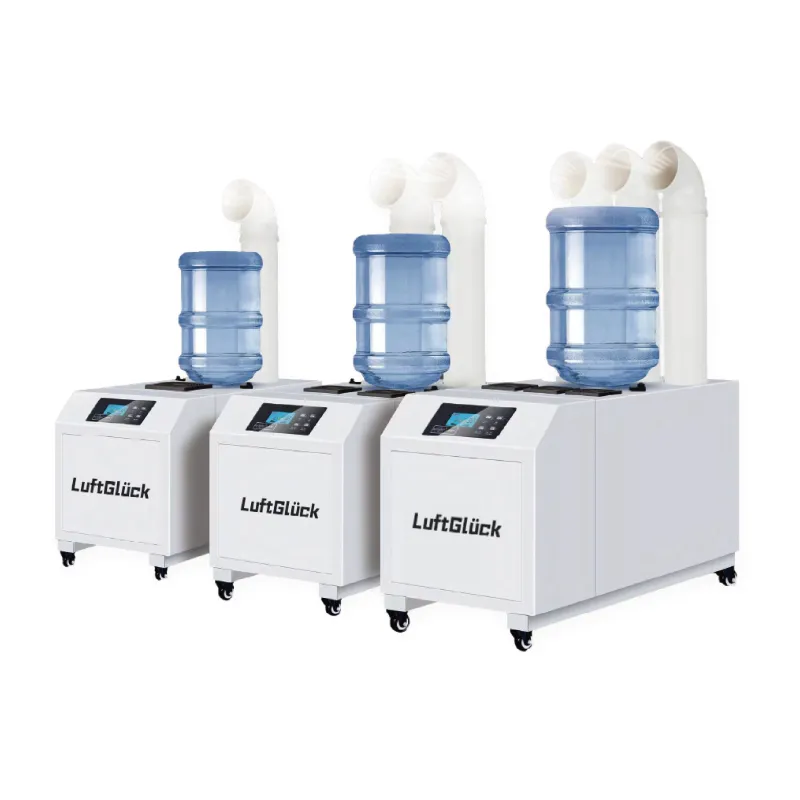
Supermarket produce sections face a constant challenge: maintaining optimal freshness while preventing product deterioration that leads to significant financial losses. Fresh fruits and vegetables lose moisture rapidly in typical retail environments, causing wilting, shrinkage, and accelerated spoilage that directly impacts both customer satisfaction and profit margins. The solution lies in precise humidity control through advanced ultrasonic humidifier technology specifically designed for commercial food retail applications.
Modern supermarkets invest heavily in refrigeration systems but often overlook the critical role of humidity management in preserving product quality and extending shelf life. An ultrasonic humidifier provides precise moisture control that can reduce produce shrinkage by up to 15%, minimize spoilage rates, and maintain the visual appeal that drives customer purchasing decisions. Understanding why this technology is essential for supermarket operations requires examining the specific challenges of produce preservation and the measurable benefits of controlled humidity environments.
The Science Behind Produce Deterioration in Retail Environments
Moisture Loss Mechanisms in Fresh Produce
Fresh fruits and vegetables contain 80-95% water content, making them highly susceptible to dehydration in low-humidity environments. When relative humidity drops below optimal levels, produce begins transpiring moisture at accelerated rates through natural pores and cut surfaces. This moisture loss causes cellular structure breakdown, leading to wilting, texture changes, and reduced nutritional value that customers immediately notice.
The rate of moisture loss varies significantly among different produce types, with leafy greens losing moisture fastest, followed by soft fruits and root vegetables. An ultrasonic humidifier addresses these varying needs by maintaining consistent humidity levels that slow transpiration rates across all produce categories. This controlled environment preserves cellular integrity and maintains the crisp textures and vibrant colors that signal freshness to consumers.
Temperature fluctuations compound moisture loss problems, as warmer air holds more moisture, creating higher vapor pressure deficits that accelerate dehydration. Refrigerated display cases often create microclimates with varying humidity levels depending on location and air circulation patterns. Strategic placement of ultrasonic humidification systems helps normalize these conditions and create uniformly favorable environments for produce preservation.
Economic Impact of Improper Humidity Control
Supermarkets typically experience 2-5% shrinkage in produce departments due to quality deterioration, translating to thousands of dollars in losses monthly for average-sized stores. This shrinkage occurs not only from products becoming unsaleable but also from the need to discount items showing early signs of deterioration. An ultrasonic humidifier system can reduce these losses by maintaining optimal humidity levels that extend saleable life by 1-3 days for most produce items.
Labor costs associated with frequent product rotation and removal of deteriorated items add additional financial burden to inadequate humidity control. Staff must constantly monitor displays, remove wilted items, and rotate stock to maintain presentation standards. Proper humidification reduces the frequency of these interventions, allowing staff to focus on customer service and other value-added activities that improve overall store performance.
Customer perception of produce quality directly influences purchasing decisions and store loyalty. Research indicates that 73% of shoppers form quality impressions within the first few seconds of viewing produce displays. Maintaining optimal humidity with an ultrasonic humidifier ensures products maintain their visual appeal throughout the display period, supporting premium pricing and increased sales volume.
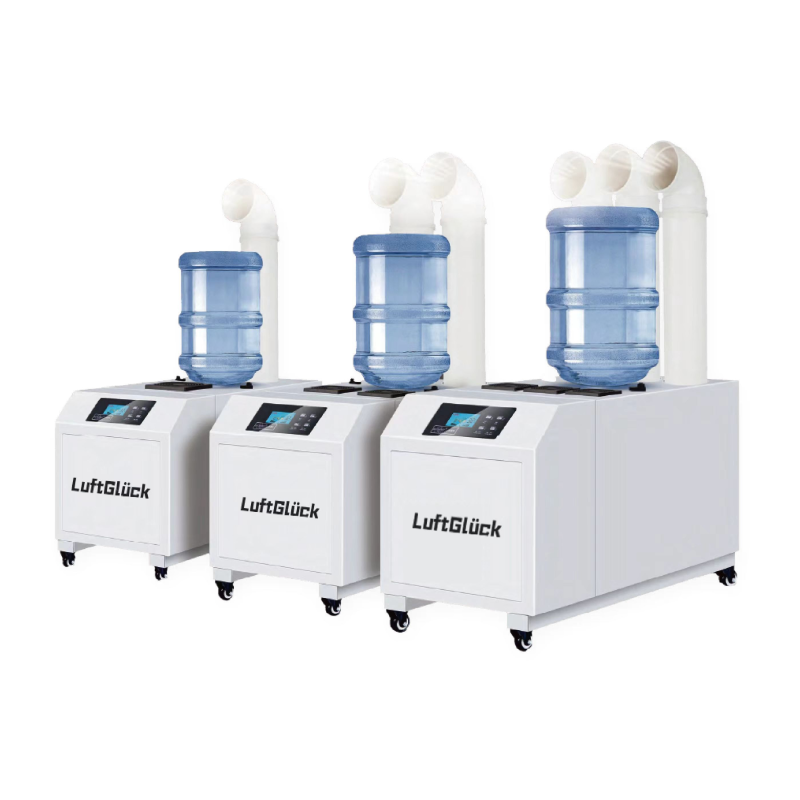
Ultrasonic Humidifier Technology Advantages for Commercial Applications
Precision Humidity Control Capabilities
Ultrasonic humidifiers generate fine water droplets through high-frequency vibrations, creating uniform humidity distribution without the temperature fluctuations associated with steam-based systems. This precision allows supermarkets to maintain relative humidity levels between 85-95% in produce areas while avoiding condensation that promotes bacterial growth. The technology responds rapidly to humidity changes, automatically adjusting output to maintain optimal conditions.
Unlike traditional spray systems that can create uneven moisture distribution and potential food safety concerns, an ultrasonic humidifier produces microscopic water particles that disperse evenly throughout the display area. This uniform coverage ensures all products receive consistent humidity exposure, preventing the dry spots that often occur in corner displays or areas with high air circulation.
The ability to integrate with existing HVAC and refrigeration systems makes ultrasonic technology particularly suitable for retrofit installations in established supermarkets. Advanced control systems can monitor multiple zones independently, adjusting humidity levels based on specific produce requirements and customer traffic patterns that affect environmental conditions.
Energy Efficiency and Operational Cost Benefits
Modern ultrasonic humidifiers consume significantly less energy than traditional humidification methods, typically using 80% less electricity than steam-based systems. This efficiency translates to lower operational costs and reduced environmental impact, aligning with sustainability initiatives that many supermarket chains have adopted. The technology also eliminates the need for heating elements, reducing overall energy consumption and heat load on refrigeration systems.
Water consumption efficiency represents another operational advantage, as an ultrasonic humidifier converts nearly 100% of input water to usable humidity without waste from drainage or overflow. This efficiency reduces water costs and eliminates disposal concerns associated with other humidification technologies. Many systems also feature water recycling capabilities that further enhance resource utilization.
Maintenance requirements for ultrasonic systems are minimal compared to alternatives, typically requiring only periodic cleaning and occasional transducer replacement. This simplicity reduces maintenance labor costs and minimizes system downtime that could compromise produce quality. The absence of heating elements or complex mechanical components further enhances reliability and reduces total cost of ownership.
Implementation Strategies for Maximum Effectiveness
Zone-Based Humidity Management
Effective supermarket humidity control requires understanding the distinct needs of different produce categories and implementing zone-specific solutions. Leafy greens require higher humidity levels (90-95%) compared to root vegetables (85-90%), necessitating separate control zones or adjustable systems. An ultrasonic humidifier system can accommodate these variations through programmable controls that maintain optimal conditions for each product category.
Display case design and air circulation patterns significantly influence humidity distribution and effectiveness. Open-top displays require different humidification strategies compared to enclosed cases, as air exchange rates vary considerably between configurations. Proper system sizing and placement ensure adequate coverage while avoiding over-humidification that could create condensation problems or promote microbial growth.
Integration with existing refrigeration systems requires careful coordination to prevent conflicts between cooling and humidification functions. Advanced control systems can synchronize operations to maintain both temperature and humidity within optimal ranges, preventing the competing effects that often occur when systems operate independently. This coordination maximizes the benefits of both technologies while minimizing energy consumption.
Staff Training and System Management
Successful implementation of an ultrasonic humidifier system requires comprehensive staff training on proper operation, monitoring, and maintenance procedures. Team members must understand optimal humidity ranges for different produce types and recognize signs of system malfunction that could compromise product quality. Regular training updates ensure consistent system management across all shifts and staff changes.
Monitoring protocols should include regular humidity measurements, visual quality assessments, and documentation of any system adjustments or maintenance activities. Digital monitoring systems can provide real-time alerts for humidity excursions or equipment malfunctions, enabling rapid response to maintain optimal conditions. This proactive approach prevents quality problems and maximizes the return on humidification investment.
Integration with inventory management systems can optimize humidity control based on product turnover rates and seasonal demand patterns. Products with longer display times benefit from more precise humidity control, while high-turnover items may require different management strategies. This data-driven approach ensures resources are allocated effectively to maximize product quality and minimize waste.
Health and Safety Considerations
Food Safety and Microbial Control
Proper humidity control must balance produce preservation with food safety requirements, as excessive moisture can promote bacterial and fungal growth. An ultrasonic humidifier system with precise controls maintains humidity levels that preserve quality without creating conditions favorable to pathogen development. Regular monitoring ensures humidity remains within the safe zone that maximizes freshness while minimizing contamination risks.
Water quality in humidification systems directly affects both produce safety and system performance. Using filtered or treated water prevents mineral buildup and reduces the risk of introducing contaminants into the produce environment. Many ultrasonic systems include built-in filtration or can be integrated with existing water treatment systems to ensure consistently safe operation.
Cleaning and sanitization protocols for humidification equipment must align with food safety standards and regulatory requirements. Ultrasonic systems typically require less aggressive cleaning procedures than other technologies, reducing chemical usage and minimizing potential contamination sources. Regular maintenance schedules should include thorough sanitization to prevent biofilm formation and ensure continued safe operation.
Customer and Staff Comfort
Optimal humidity levels benefit not only produce quality but also customer and staff comfort in the store environment. Proper humidification reduces airborne dust and static electricity while maintaining comfortable conditions for extended shopping periods. An ultrasonic humidifier operates quietly without creating the noise disturbances associated with some commercial humidification systems.
Respiratory comfort improvements from proper humidity control can reduce staff sick days and improve customer satisfaction, particularly for individuals with asthma or other respiratory sensitivities. Maintaining humidity levels between 40-60% in customer areas provides optimal comfort while supporting the higher humidity requirements in produce display zones.
Air quality enhancements from ultrasonic humidification include reduced airborne particles and improved overall environmental conditions. The technology does not introduce chemicals or byproducts into the air stream, maintaining clean conditions that support both product quality and human health. This clean operation aligns with consumer expectations for healthy shopping environments.
Return on Investment Analysis
Quantifiable Financial Benefits
Installing an ultrasonic humidifier system typically pays for itself within 12-18 months through reduced shrinkage and improved product quality that supports premium pricing. Conservative estimates suggest 10-15% reduction in produce losses, which for a medium-sized supermarket translates to $15,000-30,000 annual savings. Additional benefits include reduced labor costs for product maintenance and improved customer satisfaction that drives increased sales.
Energy savings from efficient ultrasonic technology contribute additional operational cost reductions compared to alternative humidification methods. Lower maintenance requirements and extended equipment life further enhance the financial benefits over the system's operational lifespan. Many installations achieve payback periods shorter than projected due to these combined savings effects.
Market differentiation through superior produce quality can justify premium pricing and attract customers from competitors. Studies indicate that supermarkets with consistently high-quality produce displays experience 8-12% higher sales in fresh categories. This competitive advantage often proves more valuable than direct cost savings from reduced shrinkage alone.
Long-Term Strategic Value
Investment in advanced humidity control technology positions supermarkets for future regulatory requirements and consumer expectations regarding food quality and sustainability. An ultrasonic humidifier system supports corporate sustainability goals through reduced food waste and energy efficiency. These initiatives increasingly influence consumer choice and corporate evaluation criteria.
Technology integration capabilities ensure humidification systems remain relevant as retail environments evolve toward greater automation and digital integration. Advanced control systems can interface with inventory management, customer analytics, and building automation systems to optimize performance based on real-time operational data.
Brand reputation benefits from demonstrating commitment to product quality and environmental responsibility often exceed direct financial returns. Ultrasonic humidifier systems support these reputation goals while delivering measurable operational improvements that enhance overall business performance.
FAQ
What humidity levels should supermarkets maintain for different types of produce?
Most leafy greens require 90-95% relative humidity, while root vegetables and firm fruits perform best at 85-90% humidity. Delicate items like berries need 90-95% humidity with careful air circulation to prevent condensation. An ultrasonic humidifier system can maintain these specific ranges through programmable controls that adjust automatically based on the produce types in each display area.
How often does an ultrasonic humidifier require maintenance in commercial applications?
Routine maintenance typically involves weekly cleaning of water reservoirs and monthly inspection of transducers and control systems. Complete system sanitization should occur monthly or according to local health department requirements. Most commercial ultrasonic humidifier systems include automated cleaning cycles and diagnostic monitoring that alerts staff to maintenance needs, minimizing unexpected downtime.
Can ultrasonic humidification systems work with existing refrigeration equipment?
Yes, ultrasonic humidifier systems integrate effectively with existing refrigeration infrastructure through coordinated controls that balance temperature and humidity requirements. Professional installation ensures proper placement and system sizing to complement cooling systems without creating conflicts. Many installations retrofit existing displays without major modifications to refrigeration equipment.
What are the power requirements for commercial ultrasonic humidifiers in supermarkets?
Commercial ultrasonic humidifier systems typically consume 50-200 watts per unit depending on coverage area and output requirements. Most installations use standard 120V or 240V electrical connections available in commercial buildings. Total power consumption is generally 70-80% lower than steam-based humidification systems while providing superior humidity control and distribution uniformity.
Table of Contents
- The Science Behind Produce Deterioration in Retail Environments
- Ultrasonic Humidifier Technology Advantages for Commercial Applications
- Implementation Strategies for Maximum Effectiveness
- Health and Safety Considerations
- Return on Investment Analysis
-
FAQ
- What humidity levels should supermarkets maintain for different types of produce?
- How often does an ultrasonic humidifier require maintenance in commercial applications?
- Can ultrasonic humidification systems work with existing refrigeration equipment?
- What are the power requirements for commercial ultrasonic humidifiers in supermarkets?