
 EN
EN
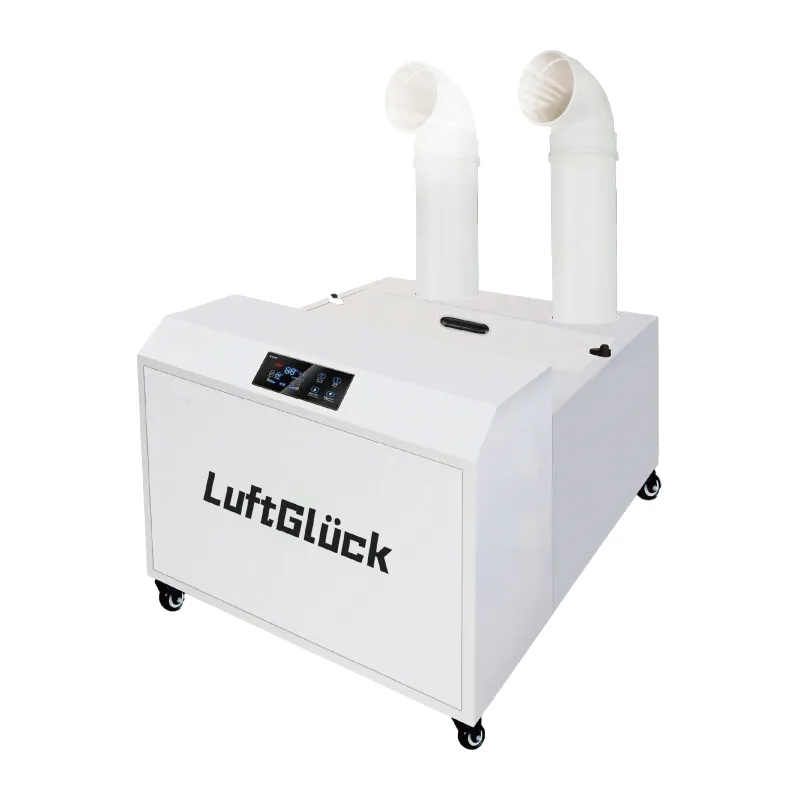
Temperature-sensitive goods face unique challenges during storage, transport, and retail display, where maintaining precise environmental conditions becomes critical for product integrity. From fresh produce and pharmaceuticals to sensitive electronics and textiles, these products require carefully controlled humidity levels to prevent deterioration, spoilage, or damage. An ultrasonic humidifier offers advanced moisture control technology that addresses these challenges by providing precise, consistent humidity regulation without introducing heat or chemical contaminants that could compromise temperature-sensitive materials.
The protective benefits of ultrasonic humidifier technology extend beyond basic moisture addition, delivering sophisticated environmental control that preserves product quality, extends shelf life, and reduces financial losses associated with humidity-related damage. By generating ultra-fine water droplets through high-frequency vibrations, this technology creates optimal microclimates that support temperature-sensitive goods throughout their lifecycle, from initial processing and packaging to final consumer delivery.
Preservation Mechanisms for Temperature-Sensitive Products
Cellular Moisture Retention in Organic Materials
Temperature-sensitive organic products, particularly fresh produce and floral arrangements, rely on cellular moisture balance to maintain structural integrity and nutritional value. When ambient humidity drops below optimal levels, these products experience accelerated moisture loss through transpiration, leading to wilting, weight reduction, and quality degradation. An ultrasonic humidifier counteracts this moisture loss by maintaining surrounding air humidity levels that reduce the vapor pressure differential between product surfaces and the environment.
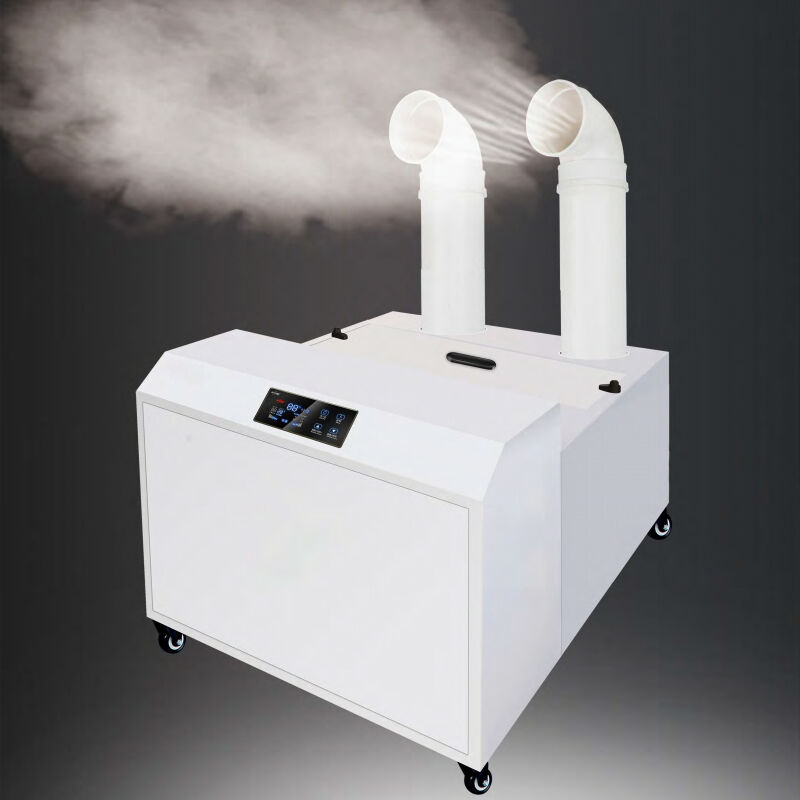
The ultra-fine mist produced by ultrasonic technology creates a protective moisture envelope around temperature-sensitive goods without creating surface condensation that could promote bacterial or fungal growth. This precise moisture delivery mechanism helps maintain the natural cellular turgor pressure in fruits, vegetables, and cut flowers, preserving their appearance, texture, and nutritional content during extended storage periods.
Research demonstrates that maintaining optimal humidity levels through ultrasonic humidifier systems can extend the marketable life of temperature-sensitive produce by up to forty percent, directly translating to reduced waste and improved profitability for retailers and distributors handling these delicate products.
Protection Against Environmental Stress Factors
Temperature-sensitive goods often face multiple environmental stressors simultaneously, including temperature fluctuations, air circulation variations, and humidity changes that can compound damage effects. An ultrasonic humidifier addresses the humidity component of this stress matrix by providing consistent moisture levels that buffer against other environmental variables and reduce overall stress on sensitive products.
The consistent moisture output from ultrasonic technology helps stabilize the microenvironment around temperature-sensitive goods, creating conditions that support natural protective mechanisms within organic materials and prevent stress-induced deterioration in manufactured products. This environmental stabilization proves particularly valuable during seasonal transitions or in facilities with variable climate control capabilities.
By maintaining optimal humidity levels, an ultrasonic humidifier reduces the cumulative impact of environmental stressors, allowing temperature-sensitive products to maintain their quality characteristics even when exposed to less-than-ideal temperature or airflow conditions during storage or transport operations.
Quality Maintenance Across Different Product Categories
Fresh Produce and Agricultural Products
Fresh produce represents one of the most challenging categories for humidity management, as different fruits and vegetables require specific moisture levels to maintain peak quality and prevent premature aging. An ultrasonic humidifier provides the precise control needed to accommodate these varying requirements, allowing storage facilities to create customized humidity zones for different product types while maintaining energy efficiency.
Leafy greens, for example, require higher humidity levels to prevent rapid moisture loss that leads to wilting and reduced nutritional value, while root vegetables need moderate humidity to prevent sprouting or surface deterioration. The adjustable output capabilities of ultrasonic humidifier systems enable facility managers to fine-tune moisture levels for specific storage areas, optimizing conditions for each product category.
The cold mist generated by ultrasonic technology proves particularly beneficial for temperature-sensitive produce because it adds necessary moisture without introducing heat that could accelerate ripening or promote spoilage. This temperature-neutral humidification approach supports the controlled atmosphere storage strategies used by commercial produce distributors to maximize shelf life and maintain product quality.
Pharmaceutical and Medical Products
Pharmaceutical products and medical devices often contain moisture-sensitive compounds or materials that require precise humidity control to maintain potency and sterility. Many medications, particularly those in powder or tablet form, can degrade when exposed to excessive moisture or become unstable in overly dry conditions. An ultrasonic humidifier provides the consistent, contaminant-free moisture control necessary to maintain pharmaceutical product integrity.
The pure water vapor produced by ultrasonic technology eliminates concerns about introducing airborne contaminants or chemical residues that could compromise pharmaceutical products or medical device sterility. This clean humidification approach aligns with the strict environmental controls required in pharmaceutical storage and manufacturing facilities.
Medical products such as bandages, surgical supplies, and diagnostic materials also benefit from controlled humidity levels that prevent static electricity buildup, material brittleness, and packaging degradation. The precise moisture control provided by ultrasonic humidifier systems helps maintain these products within their specified environmental parameters throughout storage and distribution cycles.
Operational Advantages in Commercial Environments
Energy Efficiency and Cost Management
Commercial facilities handling temperature-sensitive goods face significant energy costs related to maintaining optimal storage conditions, making efficiency considerations crucial for operational sustainability. An ultrasonic humidifier operates with minimal energy consumption compared to traditional steam-based humidification systems, reducing operational costs while maintaining precise environmental control.
The electrical efficiency of ultrasonic technology stems from its direct water-to-vapor conversion process, which eliminates the energy requirements for heating water to produce steam. This efficiency advantage becomes particularly significant in large-scale storage facilities where continuous humidification requirements can represent substantial operational expenses.
Additionally, the precise control capabilities of ultrasonic humidifier systems prevent over-humidification waste and reduce the energy loads on dehumidification equipment, creating balanced HVAC operations that optimize overall facility energy consumption while maintaining ideal conditions for temperature-sensitive goods.
Maintenance Requirements and System Reliability
Reliable operation proves essential for facilities managing temperature-sensitive goods, as equipment failures can result in significant product losses and financial impacts. An ultrasonic humidifier offers simplified maintenance requirements compared to complex steam generation systems, with fewer mechanical components and reduced potential failure points that could compromise environmental controls.
The solid-state design of ultrasonic transducers provides long-term reliability with minimal moving parts, reducing maintenance intervals and operational disruptions. Regular cleaning and water quality management represent the primary maintenance requirements, making these systems well-suited for continuous operation in commercial environments.
Predictive maintenance capabilities integrated into modern ultrasonic humidifier systems allow facility managers to monitor performance parameters and schedule maintenance activities before equipment issues affect environmental conditions, ensuring consistent protection for valuable temperature-sensitive inventory.
Integration with Climate Control Systems
Automated Environmental Management
Modern commercial facilities require integrated environmental control systems that can respond automatically to changing conditions and maintain optimal parameters for temperature-sensitive goods. An ultrasonic humidifier integrates seamlessly with building automation systems, allowing coordinated control of humidity, temperature, and air circulation to create stable microclimates for sensitive products.
The rapid response capabilities of ultrasonic technology enable real-time adjustments to humidity levels based on sensor feedback, occupancy changes, or external weather conditions. This responsive control helps maintain consistent conditions even during operational disruptions or environmental challenges that could otherwise compromise product quality.
Integration with monitoring systems allows facility managers to track humidity levels, system performance, and energy consumption through centralized dashboards, providing the data visibility needed to optimize operations and ensure continuous protection for temperature-sensitive inventory.
Zonal Humidity Control Implementation
Different areas within storage and retail facilities often require distinct humidity levels to accommodate various temperature-sensitive products or operational requirements. Multiple ultrasonic humidifier units can be deployed strategically throughout a facility to create customized humidity zones that address specific product needs without compromising overall system efficiency.
This zonal approach allows facilities to optimize conditions for mixed inventory, such as maintaining higher humidity in produce sections while providing moderate humidity in pharmaceutical storage areas. The precise control capabilities of ultrasonic humidifier technology support these complex environmental requirements without cross-contamination concerns or system interference.
Advanced control systems can coordinate multiple ultrasonic humidifier units to maintain zone-specific humidity targets while optimizing overall system performance and energy consumption, creating an efficient and effective environmental management solution for complex commercial operations.
Economic Impact and Return on Investment
Product Loss Prevention and Waste Reduction
The financial benefits of implementing ultrasonic humidifier systems extend beyond operational cost savings to include substantial reductions in product losses and waste disposal expenses. Temperature-sensitive goods that deteriorate due to improper humidity conditions represent direct financial losses that accumulate significantly over time, particularly in high-volume commercial operations.
Proper humidity control through ultrasonic technology can reduce spoilage rates for perishable goods by twenty to thirty percent, translating to substantial cost savings for retailers, distributors, and storage facility operators. These savings often justify the initial investment in humidification equipment within the first year of operation.
Extended shelf life for temperature-sensitive products also enables more flexible inventory management, reduced emergency restocking costs, and improved customer satisfaction through consistently high-quality products. These operational benefits contribute to improved profit margins and competitive advantages in quality-sensitive markets.
Insurance and Liability Considerations
Commercial facilities handling temperature-sensitive goods face potential liability issues related to product quality failures, contamination incidents, or environmental control failures that could impact customer health or satisfaction. Implementing comprehensive environmental controls, including an ultrasonic humidifier system, demonstrates due diligence in protecting stored products and may influence insurance premiums and coverage terms.
Documentation of consistent environmental controls through automated monitoring systems provides valuable evidence of proper handling procedures in case of quality disputes or insurance claims. This documentation capability supports risk management strategies and protects businesses from potential liability issues related to product deterioration.
The reliability and precision of ultrasonic humidifier technology contribute to overall risk reduction strategies, helping facilities maintain consistent quality standards that protect both products and business reputation in competitive markets where quality reliability represents a significant competitive advantage.
FAQ
What makes ultrasonic humidifiers more suitable for temperature-sensitive goods than other humidification methods?
Ultrasonic humidifiers generate cool mist without adding heat to the environment, making them ideal for temperature-sensitive goods that could be damaged by thermal variations. The ultra-fine water droplets produced create optimal humidity levels without surface condensation or contamination risks, while the precise control capabilities allow customization for specific product requirements and storage conditions.
How quickly can an ultrasonic humidifier respond to humidity changes in storage environments?
Ultrasonic humidifiers can adjust moisture output almost instantaneously when connected to automated control systems, typically responding to sensor feedback within seconds. This rapid response capability prevents humidity fluctuations that could stress temperature-sensitive products, maintaining stable environmental conditions even during doorway openings, equipment cycling, or external weather changes that affect facility conditions.
What maintenance requirements should be expected for ultrasonic humidifiers in commercial applications?
Regular cleaning of the water reservoir and ultrasonic transducers represents the primary maintenance requirement, typically performed weekly or bi-weekly depending on water quality and usage intensity. Water quality management through filtration or treatment systems helps prevent mineral buildup and extends equipment life, while periodic replacement of consumable components like filters ensures optimal performance and prevents contamination in sensitive storage environments.
Can ultrasonic humidifiers handle the humidity requirements of large commercial storage facilities?
Commercial-grade ultrasonic humidifiers are designed to handle large volume requirements through high-capacity units or multiple coordinated systems that can maintain consistent humidity levels across extensive storage areas. These systems can be scaled to accommodate facilities ranging from small cold storage rooms to large warehouse operations, with automated controls ensuring uniform moisture distribution and optimal conditions for temperature-sensitive goods throughout the entire space.
Table of Contents
- Preservation Mechanisms for Temperature-Sensitive Products
- Quality Maintenance Across Different Product Categories
- Operational Advantages in Commercial Environments
- Integration with Climate Control Systems
- Economic Impact and Return on Investment
-
FAQ
- What makes ultrasonic humidifiers more suitable for temperature-sensitive goods than other humidification methods?
- How quickly can an ultrasonic humidifier respond to humidity changes in storage environments?
- What maintenance requirements should be expected for ultrasonic humidifiers in commercial applications?
- Can ultrasonic humidifiers handle the humidity requirements of large commercial storage facilities?