
 EN
EN
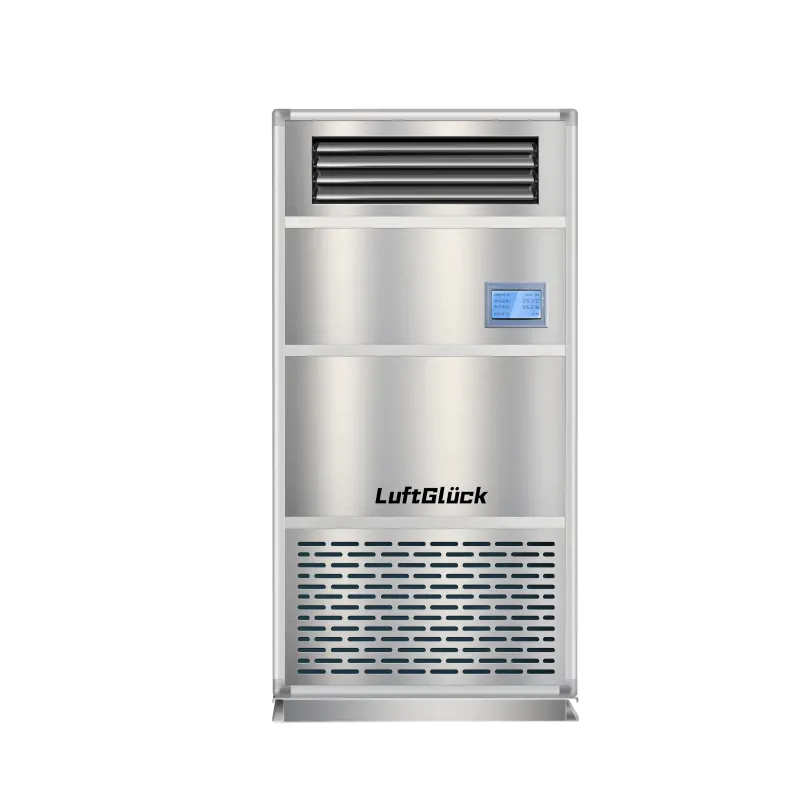
Achieving consistent and accurate performance in a constant temperature dehumidifier requires systematic attention to multiple operational factors that directly impact its efficiency and reliability. Industrial facilities and controlled environments depend on precise humidity control to maintain product quality, protect sensitive equipment, and ensure optimal working conditions. Understanding the critical elements that influence performance enables operators to implement effective strategies for maintaining peak operational standards.
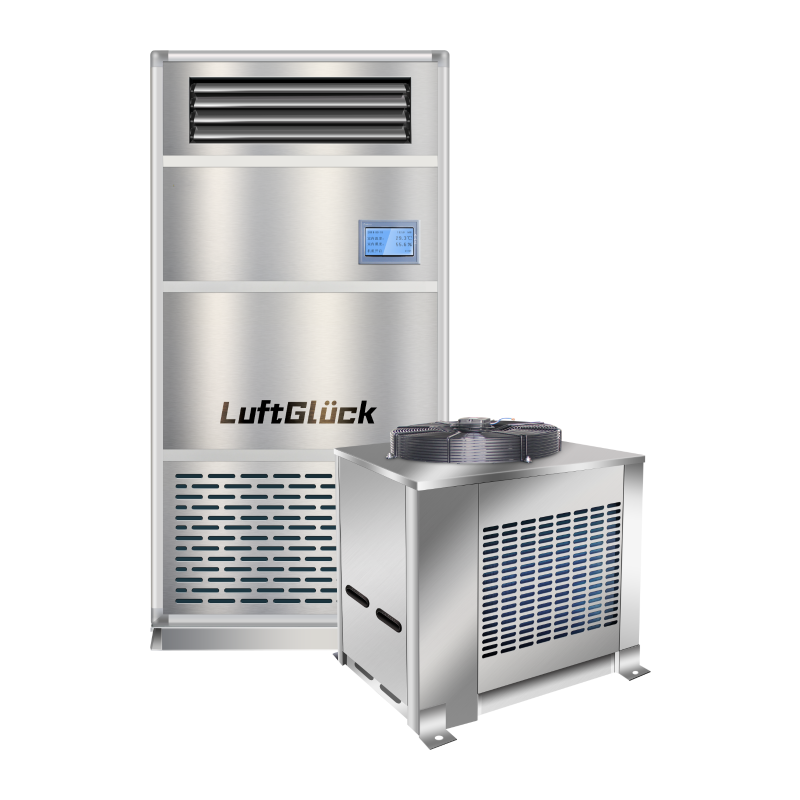
Performance accuracy in a constant temperature dehumidifier stems from proper calibration, regular maintenance protocols, and careful attention to environmental variables that can affect operational precision. The key lies in establishing comprehensive monitoring systems and implementing preventive measures that address potential sources of performance degradation before they compromise system effectiveness.
System Calibration and Control Accuracy
Sensor Calibration Procedures
Accurate performance begins with properly calibrated humidity and temperature sensors within your constant temperature dehumidifier system. These sensors serve as the primary feedback mechanism that governs automated control responses. Regular calibration against certified reference standards ensures that readings remain within acceptable tolerance ranges, typically plus or minus 2% relative humidity and 0.5 degrees Celsius for industrial applications.
Professional calibration should occur at least annually, with more frequent checks in critical applications or harsh operating environments. During calibration, verify sensor response across the full operating range, checking linearity and stability at multiple setpoints. Document all calibration results and maintain traceability to national standards to ensure compliance with quality management requirements.
Environmental factors can cause sensor drift over time, particularly exposure to chemical vapors, dust accumulation, or temperature cycling. Implementing a sensor validation protocol helps identify drift patterns and establishes predictive maintenance schedules that prevent accuracy degradation in your constant temperature dehumidifier operation.
Control Loop Optimization
The control algorithm governing your constant temperature dehumidifier determines how quickly and accurately the system responds to changing conditions. Proportional-integral-derivative controllers require proper tuning to balance response speed with stability. Aggressive tuning may cause oscillations around setpoints, while conservative settings result in slow recovery from disturbances.
Optimize control parameters based on your specific application requirements and load characteristics. Critical environments may require tighter control bands with faster response times, while less sensitive applications can tolerate wider deadbands that reduce energy consumption and mechanical wear. Regular monitoring of control performance helps identify when retuning becomes necessary due to system aging or changed operating conditions.
Advanced control strategies such as adaptive algorithms or predictive control can further enhance accuracy by anticipating load changes and adjusting operation proactively. These approaches prove particularly valuable in applications with predictable daily or seasonal variation patterns that affect constant temperature dehumidifier performance requirements.
Preventive Maintenance and Component Care
Heat Exchanger Maintenance
Heat exchanger efficiency directly impacts the performance accuracy of your constant temperature dehumidifier by affecting both moisture removal capacity and temperature control precision. Fouling on heat transfer surfaces reduces efficiency and causes the system to operate outside design parameters. Regular cleaning schedules based on operating conditions help maintain optimal heat transfer coefficients.
Inspect heat exchanger surfaces monthly for signs of corrosion, scale buildup, or biological growth that can impair performance. Clean coils using approved cleaning agents that remove contaminants without damaging surface treatments or causing material compatibility issues. Pay particular attention to fin spacing and tube surfaces where deposits commonly accumulate and restrict airflow.
Water quality significantly affects heat exchanger longevity in constant temperature dehumidifier applications. Implement appropriate water treatment measures including filtration, chemical treatment, and regular water testing to prevent scale formation and corrosion that compromise system accuracy over time.
Airflow System Integrity
Maintaining proper airflow patterns ensures uniform processing conditions throughout your constant temperature dehumidifier and prevents localized variations that affect overall performance accuracy. Inspect ductwork for leaks, obstructions, or damage that can alter flow distribution and create pressure imbalances within the system.
Fan performance degrades over time due to bearing wear, belt tension changes, and blade fouling. Regular inspection and maintenance of air handling components prevents gradual performance decline that may not be immediately apparent but affects long-term accuracy. Monitor fan curves and power consumption to identify developing issues before they impact system performance.
Filter maintenance plays a critical role in preserving airflow integrity and protecting internal components from contamination. Establish filter change schedules based on pressure drop monitoring rather than arbitrary time intervals, ensuring optimal protection while minimizing unnecessary maintenance costs in your constant temperature dehumidifier operation.
Environmental Factors and Load Management
Installation Environment Considerations
The installation environment significantly influences the accuracy potential of your constant temperature dehumidifier system. Ambient temperature variations, air currents, and thermal radiation from nearby equipment can create measurement errors and control instabilities. Position sensors away from heat sources, direct airflow, and areas subject to rapid temperature changes that could cause false readings.
Electrical interference from nearby motors, variable frequency drives, or communication equipment can affect sensor signals and control system operation. Implement proper shielding and grounding practices to minimize electromagnetic interference that could compromise measurement accuracy. Use appropriate cable routing and separation distances to prevent signal corruption.
Vibration from building systems or nearby equipment can affect mechanical components and instrumentation within your constant temperature dehumidifier. Proper mounting and isolation help preserve long-term accuracy by preventing premature wear and maintaining precise component alignment throughout the system lifecycle.
Load Variation Management
Understanding and managing load variations helps maintain consistent performance accuracy in your constant temperature dehumidifier application. Sudden changes in occupancy, process loads, or external weather conditions can overwhelm system capacity or cause control instabilities if not properly anticipated and managed.
Implement load monitoring strategies that track key indicators such as space humidity levels, infiltration rates, and internal moisture generation. This data helps operators understand normal variation patterns and identify abnormal conditions that may require operational adjustments to maintain target performance levels.
Develop operating procedures for handling known load variations such as door openings, process startups, or equipment cleaning activities. Pre-planned responses help minimize the impact of these disturbances on overall system accuracy and reduce recovery time to normal operating conditions.
Performance Monitoring and Validation
Continuous Monitoring Systems
Implementing comprehensive monitoring systems provides real-time visibility into constant temperature dehumidifier performance and enables early detection of accuracy degradation. Modern building automation systems can log key performance indicators and generate alerts when operational parameters exceed established limits, allowing prompt corrective action.
Key monitoring points include inlet and outlet conditions, energy consumption, run times, and control response characteristics. Trending this data over time reveals performance patterns and helps identify gradual changes that might indicate developing maintenance needs or system optimization opportunities.
Establish performance baselines during initial commissioning and after major maintenance activities. Regular comparison against these baselines provides objective evidence of system accuracy and helps justify maintenance investments or operational improvements for your constant temperature dehumidifier system.
Validation Protocols
Regular validation confirms that your constant temperature dehumidifier continues to meet specified performance requirements under actual operating conditions. Validation testing should include both steady-state performance and dynamic response characteristics to ensure the system handles both normal and upset conditions appropriately.
Independent measurement using calibrated portable instruments provides verification of installed sensor accuracy and overall system performance. Conduct validation testing at multiple points within the controlled space to confirm uniform conditions and identify any areas of concern that might require attention.
Document all validation results and maintain records that demonstrate ongoing performance compliance. This documentation proves valuable for regulatory audits, insurance requirements, and troubleshooting future performance issues in your constant temperature dehumidifier installation.
FAQ
How often should I calibrate the sensors in my constant temperature dehumidifier?
Calibrate humidity and temperature sensors annually for most applications, with more frequent calibration every six months in critical environments or harsh conditions. High-precision applications may require quarterly calibration to maintain required accuracy levels.
What are the most common causes of performance degradation in constant temperature dehumidifiers?
The most common causes include sensor drift, heat exchanger fouling, filter blockage, refrigerant leaks, and control system parameter drift. Regular preventive maintenance addressing these issues helps maintain optimal performance accuracy over time.
How can I tell if my constant temperature dehumidifier is operating accurately?
Monitor key performance indicators including energy consumption patterns, cycle times, temperature and humidity stability, and compare current performance against baseline measurements taken during commissioning or after major maintenance activities.
What environmental factors most significantly affect constant temperature dehumidifier accuracy?
Ambient temperature variations, air infiltration, thermal radiation from nearby equipment, electromagnetic interference, and vibration are the primary environmental factors that can compromise measurement accuracy and control stability in constant temperature dehumidifier systems.
Table of Contents
- System Calibration and Control Accuracy
- Preventive Maintenance and Component Care
- Environmental Factors and Load Management
- Performance Monitoring and Validation
-
FAQ
- How often should I calibrate the sensors in my constant temperature dehumidifier?
- What are the most common causes of performance degradation in constant temperature dehumidifiers?
- How can I tell if my constant temperature dehumidifier is operating accurately?
- What environmental factors most significantly affect constant temperature dehumidifier accuracy?