
 EN
EN
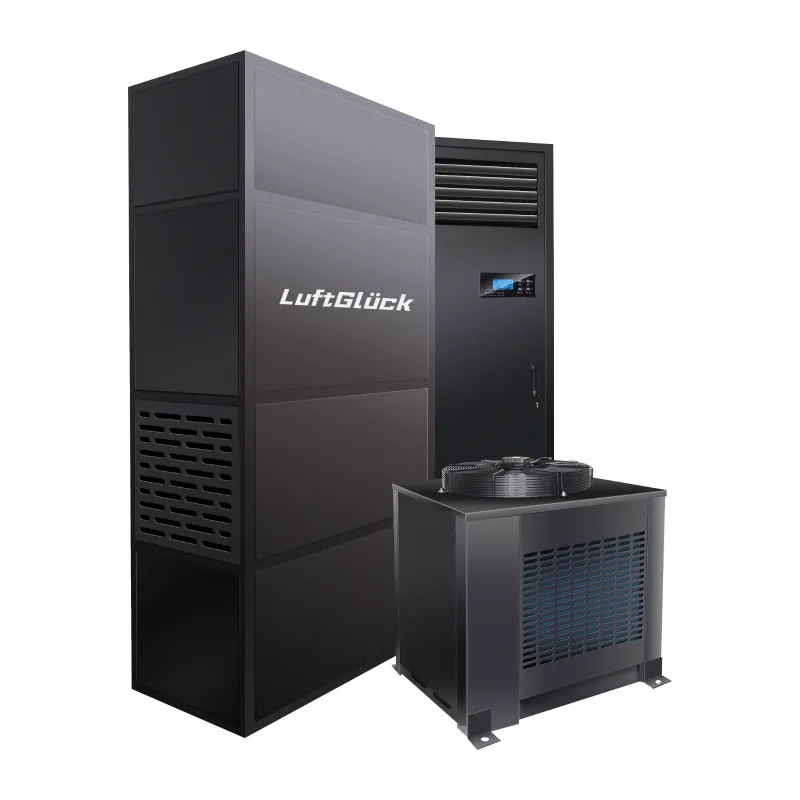
Moisture-related damage represents one of the most persistent and costly challenges facing industrial facilities, commercial buildings, and specialized storage environments. When humidity levels exceed optimal ranges, the consequences extend far beyond simple condensation issues, leading to equipment corrosion, product degradation, structural deterioration, and compromised indoor air quality. Understanding how a constant temperature dehumidifier addresses these challenges requires examining the precise mechanisms through which controlled humidity and temperature work together to prevent moisture damage.
The fundamental advantage of a constant temperature dehumidifier lies in its dual-function capability to maintain both humidity and temperature within precise parameters simultaneously. This integrated approach prevents the temperature fluctuations that often accompany traditional dehumidification processes, which can actually exacerbate moisture problems by creating condensation zones and thermal stress on materials. By maintaining stable environmental conditions, these systems address the root causes of moisture damage while preventing the secondary issues that arise from temperature variability.
Moisture Damage Prevention Through Precise Environmental Control
Elimination of Condensation Formation
The primary mechanism through which a constant temperature dehumidifier prevents moisture damage involves the elimination of condensation formation on surfaces and within materials. When air temperatures fluctuate while humidity remains uncontrolled, water vapor condenses on cooler surfaces, creating the perfect conditions for corrosion, mold growth, and material degradation. A constant temperature dehumidifier maintains both temperature and humidity at levels that keep the dew point well below surface temperatures, preventing condensation from occurring.
This condensation prevention is particularly critical in environments containing sensitive equipment, electronics, or materials that react adversely to moisture exposure. By maintaining consistent environmental conditions, the constant temperature dehumidifier ensures that surfaces remain dry, preventing the onset of corrosive processes that begin within minutes of moisture contact. The precision control also prevents the formation of microcondensation, which can occur in microscopic surface irregularities and cause gradual but significant damage over time.
Stabilization of Material Moisture Content
Many materials, including wood, paper, textiles, and certain composites, naturally absorb and release moisture based on ambient humidity levels. When humidity fluctuates, these materials undergo repeated expansion and contraction cycles that weaken their structural integrity and reduce their lifespan. A constant temperature dehumidifier maintains stable humidity levels that allow materials to reach equilibrium moisture content and remain there, preventing the stress cycles that lead to cracking, warping, and deterioration.
The temperature stability provided by these systems is equally important for material preservation. Temperature fluctuations cause thermal expansion and contraction, which compounds the stress effects of moisture changes. By controlling both parameters simultaneously, a constant temperature dehumidifier creates an environment where materials experience minimal stress, significantly extending their useful life and maintaining their performance characteristics.
Protection of Equipment and Infrastructure Systems
Prevention of Corrosion and Oxidation
Metal components in industrial and commercial environments face constant threat from moisture-induced corrosion, which occurs when humidity levels create conditions favorable for oxidation reactions. A constant temperature dehumidifier prevents corrosion by maintaining relative humidity below the critical threshold where metal surfaces begin to accumulate the thin moisture films necessary for corrosive electrochemical reactions to occur.
The consistent temperature control provided by these systems prevents the formation of thermal gradients that can accelerate corrosion in certain areas. Temperature differences create varying humidity microclimates within the same space, leading to preferential corrosion in cooler zones where moisture tends to concentrate. By maintaining uniform temperature distribution alongside humidity control, a constant temperature dehumidifier ensures comprehensive corrosion prevention throughout the protected environment.
Electrical System Protection
Electrical equipment and systems are particularly vulnerable to moisture damage, with even small amounts of humidity causing insulation breakdown, short circuits, and component failure. A constant temperature dehumidifier protects electrical systems by maintaining environmental conditions that prevent moisture accumulation on circuit boards, within electrical enclosures, and around sensitive components.
The temperature stability is crucial for electrical protection because temperature variations can cause condensation within electrical enclosures even when ambient humidity appears acceptable. Internal condensation occurs when warm, humid air encounters cooler surfaces inside electrical equipment, creating moisture deposits that can cause immediate failure or long-term degradation. Constant temperature dehumidifier systems prevent these internal condensation events by maintaining stable temperatures that eliminate thermal gradients within equipment.
Industrial Application Benefits and Damage Mitigation
Manufacturing Environment Protection
In manufacturing environments, moisture-related damage extends beyond equipment to affect product quality, process reliability, and operational efficiency. A constant temperature dehumidifier prevents manufacturing defects caused by humidity fluctuations, such as adhesive curing problems, coating irregularities, and dimensional instability in precision components. The controlled environment ensures consistent product quality by eliminating moisture-related variables that can compromise manufacturing processes.
The economic benefits of implementing constant temperature dehumidifier systems in manufacturing become evident through reduced waste, improved yield rates, and decreased quality control rejections. These systems prevent the moisture-related conditions that cause batch failures, product recalls, and customer complaints, providing substantial returns on investment through improved operational reliability and product consistency.
Storage and Preservation Applications
Storage facilities face unique challenges in preventing moisture damage to valuable goods, documents, and materials during extended preservation periods. A constant temperature dehumidifier creates optimal storage conditions that prevent mold growth, pest infestation, and material degradation that commonly occur in uncontrolled environments. The precise environmental control is essential for maintaining the value and integrity of stored items over time.
Long-term storage applications particularly benefit from the consistent performance of constant temperature dehumidifier systems. Unlike standard humidity control methods that may allow periodic fluctuations, these systems maintain stable conditions that prevent the cumulative damage effects that occur over months or years of storage. This consistency is crucial for preserving archives, artwork, pharmaceuticals, and other valuable materials that require strict environmental control.
Energy Efficiency and Operational Advantages
Integrated System Efficiency
The integrated design of a constant temperature dehumidifier provides significant energy efficiency advantages compared to separate humidity and temperature control systems. By combining both functions in a single unit, these systems optimize energy usage through coordinated operation that eliminates the inefficiencies of independent systems working against each other. This integration results in lower operational costs while providing superior environmental control.
The energy efficiency of constant temperature dehumidifier systems translates directly into reduced operational costs for moisture damage prevention. Traditional approaches that rely on separate heating, cooling, and dehumidification systems often work in opposition, consuming excessive energy while failing to provide adequate protection. The integrated approach optimizes performance while minimizing energy consumption, making comprehensive environmental control economically viable for a wider range of applications.
Maintenance and Reliability Benefits
Constant temperature dehumidifier systems typically require less maintenance than separate environmental control systems because their integrated design reduces the number of components subject to wear and failure. The coordinated operation prevents the stress and wear that occur when separate systems cycle on and off independently, leading to longer service intervals and reduced maintenance costs.
The reliability advantages of these systems extend to the protection they provide against moisture damage. Consistent performance prevents the equipment failures and environmental excursions that can lead to costly damage events. By maintaining stable conditions continuously, constant temperature dehumidifier systems provide insurance against the significant costs associated with moisture-related failures and their consequences.
FAQ
What makes a constant temperature dehumidifier more effective than standard dehumidifiers for damage prevention?
A constant temperature dehumidifier provides superior damage prevention because it controls both humidity and temperature simultaneously, preventing the thermal fluctuations that can cause condensation and thermal stress even when humidity levels appear acceptable. This integrated approach eliminates the temperature variations that create localized moisture problems and ensures comprehensive environmental control that standard dehumidifiers cannot achieve.
How does temperature stability contribute to moisture damage prevention?
Temperature stability prevents moisture damage by eliminating thermal gradients that cause condensation, reducing thermal stress on materials, and maintaining consistent dew point conditions throughout the protected space. When temperatures fluctuate, they create varying humidity conditions that can cause moisture problems even when average humidity levels are controlled, making temperature stability essential for effective moisture damage prevention.
What types of environments benefit most from constant temperature dehumidifier protection?
Environments that benefit most from constant temperature dehumidifier protection include manufacturing facilities with precision processes, storage areas containing valuable or sensitive materials, electrical equipment rooms, laboratories with sensitive instruments, and any space where moisture-related damage would result in significant costs or operational disruption. These systems are particularly valuable where both humidity and temperature control are critical for preventing damage.
How quickly can a constant temperature dehumidifier prevent moisture damage in a new installation?
A properly sized constant temperature dehumidifier typically establishes protective environmental conditions within 24 to 48 hours of installation, depending on the initial conditions and space characteristics. However, the full protective benefits develop over several weeks as materials reach equilibrium moisture content and thermal stability is fully established throughout the protected environment, providing increasingly effective damage prevention over time.
Table of Contents
- Moisture Damage Prevention Through Precise Environmental Control
- Protection of Equipment and Infrastructure Systems
- Industrial Application Benefits and Damage Mitigation
- Energy Efficiency and Operational Advantages
-
FAQ
- What makes a constant temperature dehumidifier more effective than standard dehumidifiers for damage prevention?
- How does temperature stability contribute to moisture damage prevention?
- What types of environments benefit most from constant temperature dehumidifier protection?
- How quickly can a constant temperature dehumidifier prevent moisture damage in a new installation?