
 EN
EN
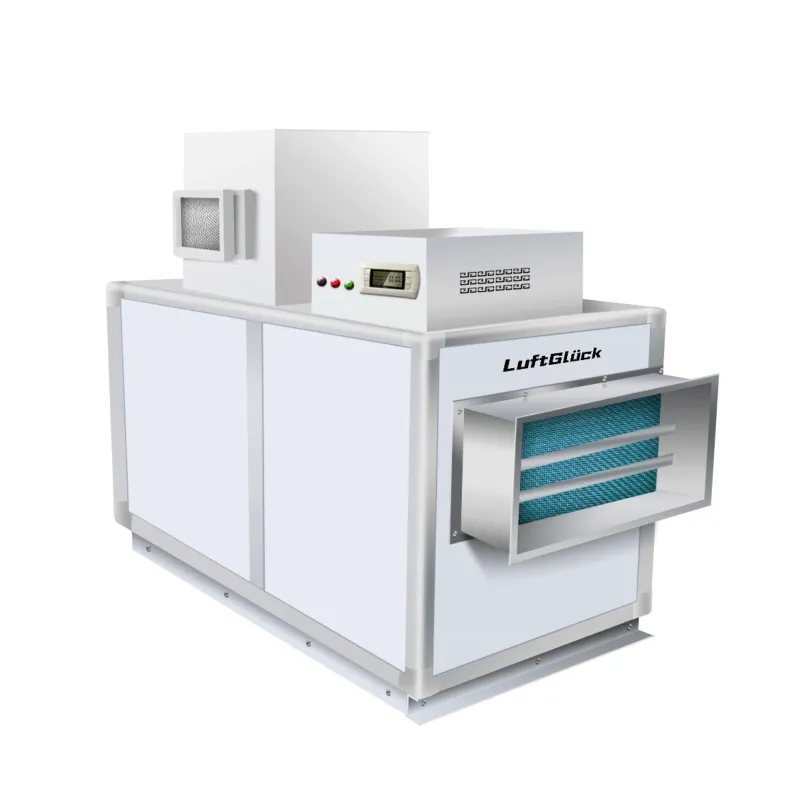
Budget-conscious facility managers and homeowners often wonder whether a cheap rotary dehumidifier can effectively address their moisture control needs without compromising performance. While premium dehumidification systems offer advanced features and enhanced durability, affordable rotary dehumidifiers provide a practical entry point for basic moisture management applications. These cost-effective solutions deliver essential humidity control capabilities that make them particularly suitable for smaller spaces, temporary installations, and situations where immediate moisture control is needed without significant capital investment.
The practical value of a cheap rotary dehumidifier lies in its ability to provide fundamental moisture extraction capabilities at an accessible price point. Unlike complex industrial systems that require substantial upfront investment and specialized maintenance, these affordable units offer straightforward operation and acceptable performance for many common applications. Understanding when and why these budget-friendly options make sense requires examining their specific advantages, limitations, and ideal use scenarios within the broader context of moisture control strategy.
Cost-Effectiveness Benefits of Budget Rotary Dehumidifiers
Lower Initial Investment Requirements
The primary advantage of a cheap rotary dehumidifier is the significantly reduced barrier to entry for moisture control projects. Small businesses, residential applications, and temporary installations can implement humidity management solutions without committing substantial financial resources upfront. This lower initial cost allows organizations to address moisture problems promptly rather than delaying treatment while budgeting for premium equipment. The immediate availability of moisture control often outweighs the potential long-term benefits of more expensive systems, particularly when dealing with urgent humidity issues that could cause property damage or health concerns.
Budget rotary dehumidifiers enable multiple unit deployment strategies that distribute risk and provide redundancy. Rather than purchasing a single high-capacity expensive unit, users can install several affordable dehumidifiers across different zones or areas. This approach offers operational flexibility and ensures that moisture control continues even if one unit requires maintenance or replacement. The distributed system concept works particularly well for applications where humidity levels vary across different spaces or where localized control is more important than centralized processing.
Simplified Maintenance and Service Economics
The maintenance profile of a cheap rotary dehumidifier typically involves straightforward procedures that can be performed without specialized technical expertise or expensive service contracts. Basic cleaning, filter replacement, and routine inspection tasks can be handled by facility staff or homeowners, reducing ongoing operational costs. This simplicity in maintenance requirements makes budget rotary dehumidifiers particularly attractive for applications where complex service protocols would be impractical or cost-prohibitive.
When repairs become necessary, the lower component costs and simplified construction of affordable rotary dehumidifiers often make replacement more economical than extensive repair work. This replacement economics model works well for applications where continuous operation is less critical than cost control. Users can maintain backup units or simply replace failed equipment quickly without significant financial impact, making the overall cost of ownership predictable and manageable over time.
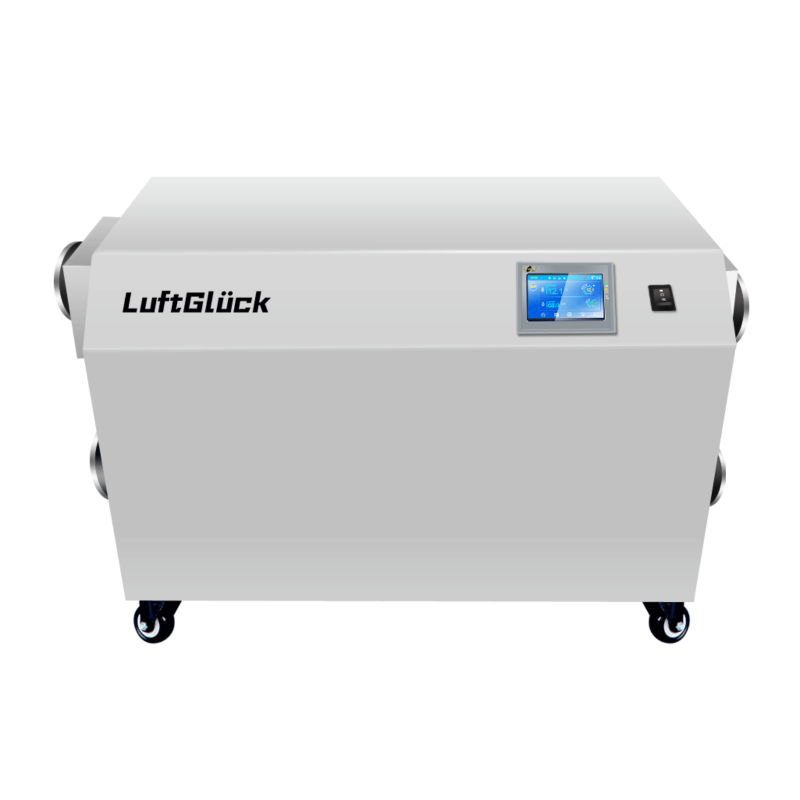
Performance Characteristics and Application Suitability
Adequate Moisture Extraction for Basic Needs
A well-designed cheap rotary dehumidifier can provide sufficient moisture removal capacity for many common applications, despite operating at lower efficiency levels than premium alternatives. These units typically handle moderate humidity loads effectively, making them suitable for residential basements, small commercial spaces, storage areas, and temporary moisture control situations. The key is matching the dehumidifier's capacity to the specific moisture load and environmental conditions rather than assuming all applications require high-performance equipment.
The rotary wheel technology used in these affordable units provides consistent moisture extraction across varying temperature and humidity conditions. While the moisture removal rates may be lower than those achieved by premium equipment, the continuous operation capability ensures steady progress toward target humidity levels. This reliability in basic performance makes cheap rotary dehumidifier systems practical for applications where gradual humidity reduction is acceptable and immediate dramatic changes are not required.
Energy Efficiency Considerations
Modern cheap rotary dehumidifier designs incorporate basic energy efficiency features that help control operating costs while maintaining reasonable performance levels. These units often include variable speed controls, automatic cycling capabilities, and improved insulation that reduces energy consumption compared to older budget models. While they may not achieve the peak efficiency ratings of premium equipment, the energy consumption remains within acceptable ranges for most applications, particularly when operating costs are viewed in the context of the lower initial investment.
The energy efficiency of budget rotary dehumidifiers becomes more favorable when considering part-load operation scenarios. Many moisture control applications do not require continuous full-capacity operation, allowing these units to cycle on and off as needed to maintain target humidity levels. This operational pattern helps optimize energy consumption and extends equipment life while providing adequate moisture control for the specific application requirements.
Strategic Applications for Budget-Friendly Moisture Control
Temporary and Seasonal Installation Needs
Temporary construction sites, seasonal storage facilities, and short-term moisture control projects represent ideal applications for cheap rotary dehumidifier systems. These situations require effective humidity management for limited durations, making the lower upfront cost more important than long-term durability or premium performance features. The ability to quickly deploy and relocate these affordable units provides operational flexibility that supports changing project requirements and varying moisture control needs.
Seasonal applications such as summer cottage preparation, winter equipment storage, or agricultural drying operations benefit from the practical approach that budget rotary dehumidifiers offer. Users can implement moisture control during critical periods without committing to year-round operation expenses or premium equipment investments. This seasonal deployment strategy allows for cost-effective humidity management that adapts to changing environmental conditions and usage patterns throughout the year.
Small-Scale Commercial and Residential Applications
Small retail spaces, office areas, residential basements, and workshop environments often have moisture control requirements that align well with the capabilities of a cheap rotary dehumidifier. These applications typically involve moderate moisture loads, accessible installation locations, and relatively simple operational requirements that do not justify premium equipment investments. The straightforward operation and maintenance characteristics make these units practical for users who want effective moisture control without complex system management responsibilities.
Home-based businesses, small manufacturing operations, and specialized storage applications can achieve satisfactory moisture control results using budget-friendly rotary dehumidifiers. The key is selecting units with appropriate capacity for the specific space and moisture load while understanding that performance expectations should align with the equipment investment level. These applications benefit from the immediate moisture control capability and reasonable operating costs that affordable dehumidifiers provide.
Decision Factors for Budget Dehumidifier Selection
Capacity Matching and Performance Expectations
Selecting an appropriate cheap rotary dehumidifier requires careful consideration of the specific moisture load, space volume, and target humidity levels for the application. Budget equipment works best when properly sized for the intended application rather than being oversized or undersized relative to the moisture control requirements. Understanding the limitations and capabilities of affordable units helps ensure realistic performance expectations and satisfactory results from the moisture control investment.
Environmental conditions such as temperature ranges, air circulation patterns, and moisture sources significantly influence the effectiveness of budget rotary dehumidifiers. Applications with stable operating conditions, moderate moisture loads, and adequate ventilation typically achieve better results than challenging environments with extreme conditions or highly variable moisture inputs. Proper application assessment ensures that the chosen cheap rotary dehumidifier can deliver acceptable performance within its design limitations.
Long-Term Cost Analysis and Replacement Planning
The practical value of a cheap rotary dehumidifier extends beyond the initial purchase price to include considerations of operating costs, maintenance requirements, and expected service life. Budget equipment may require more frequent replacement than premium alternatives, but the lower replacement cost often makes this approach economically favorable for many applications. Developing a realistic understanding of total cost of ownership helps users make informed decisions about when budget options provide better value than premium alternatives.
Planning for eventual replacement or upgrade opportunities allows users to maximize the value from their initial budget dehumidifier investment while preparing for future moisture control needs. This strategic approach recognizes that affordable equipment serves as an effective interim solution that can be upgraded or expanded as requirements change or budgets allow. The flexibility to start with budget equipment and evolve the moisture control system over time provides a practical path for managing both immediate needs and long-term objectives.
FAQ
How long can I expect a cheap rotary dehumidifier to last with regular use?
A budget rotary dehumidifier typically provides 3-5 years of reliable service with proper maintenance and appropriate application conditions. The actual lifespan depends on operating hours, environmental conditions, and maintenance quality. While premium units may last longer, the lower replacement cost of budget models often makes periodic replacement economically practical for many applications.
Can a cheap rotary dehumidifier handle high-humidity environments effectively?
Budget rotary dehumidifiers can manage moderate to high humidity levels but may require longer operating times to achieve target conditions compared to premium equipment. They work best in applications where gradual humidity reduction is acceptable and immediate dramatic changes are not critical. For extremely high moisture loads or rapid response requirements, multiple units or premium equipment may be more appropriate.
What maintenance is required for a budget rotary dehumidifier to ensure reliable operation?
Regular maintenance for a cheap rotary dehumidifier includes cleaning or replacing air filters monthly, checking and cleaning the rotary wheel quarterly, and inspecting electrical connections annually. These basic maintenance tasks can typically be performed by users without specialized tools or expertise, helping control operating costs while ensuring reliable moisture control performance.
Are there specific applications where a cheap rotary dehumidifier would not be suitable?
Budget rotary dehumidifiers are not ideal for critical applications requiring precise humidity control, continuous operation without downtime, or extremely demanding environmental conditions. Applications such as pharmaceutical manufacturing, sensitive electronics storage, or mission-critical data centers typically require premium equipment with advanced controls and redundancy features that budget models cannot provide.
Table of Contents
- Cost-Effectiveness Benefits of Budget Rotary Dehumidifiers
- Performance Characteristics and Application Suitability
- Strategic Applications for Budget-Friendly Moisture Control
- Decision Factors for Budget Dehumidifier Selection
-
FAQ
- How long can I expect a cheap rotary dehumidifier to last with regular use?
- Can a cheap rotary dehumidifier handle high-humidity environments effectively?
- What maintenance is required for a budget rotary dehumidifier to ensure reliable operation?
- Are there specific applications where a cheap rotary dehumidifier would not be suitable?