
 EN
EN
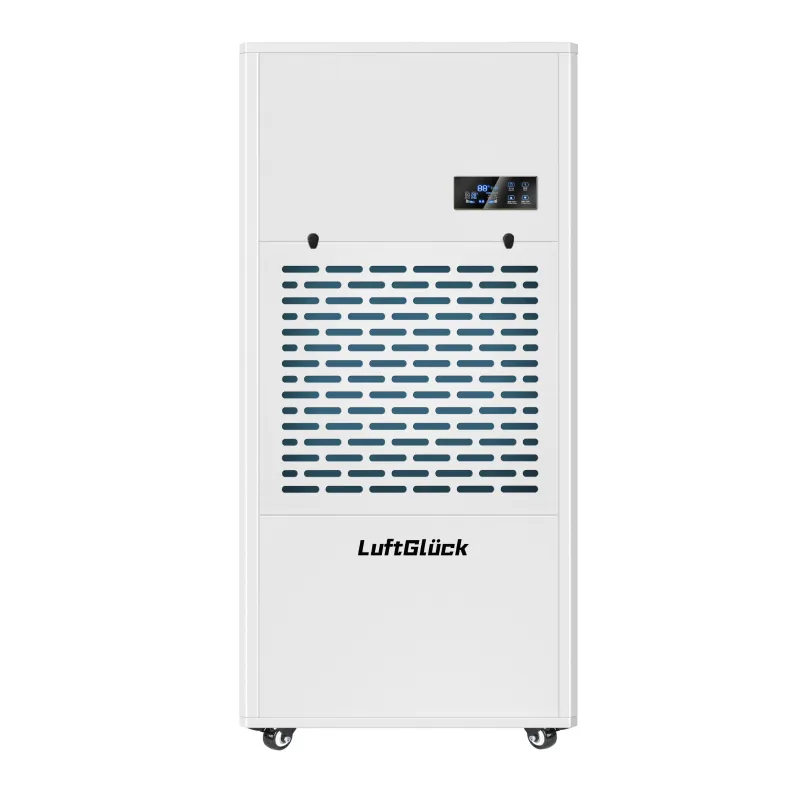
Winter brings more than just freezing air and shorter days. It also introduces a persistent humidity problem that many building owners, facility managers, and industrial operators overlook. A low temperature dehumidifier is specifically engineered to operate efficiently in cold environments where standard dehumidifiers simply stop working. Understanding why this equipment matters during winter months can protect your assets, preserve air quality, and prevent costly structural damage.
A low temperature dehumidifier is not a seasonal luxury. In cold storage facilities, warehouses, garages, crawl spaces, and industrial buildings, winter humidity accumulates silently. When temperatures drop below 15°C or even below freezing, conventional refrigerant dehumidifiers lose their effectiveness entirely. A low temperature dehumidifier is built to handle exactly these conditions, making it an essential tool for year-round moisture management in challenging climates.
Why Standard Dehumidifiers Fail in Cold Conditions
The Refrigerant Coil Problem
Standard refrigerant dehumidifiers work by passing moist air over a cold coil to condense moisture. This process depends on a meaningful temperature differential between the coil and the ambient air. When room temperatures fall below 15°C, the coil surface begins to frost over rather than collecting liquid water. A low temperature dehumidifier is designed with a defrost mechanism and a compressor system capable of handling lower ambient temperatures. Without this design, a standard unit simply ices up and stops removing moisture altogether.
This limitation is not a minor inconvenience. In cold climates or during winter months, a dehumidifier that cannot operate below 15°C is essentially useless for the months when humidity problems are most persistent. Facilities relying on conventional units often find their equipment shut down precisely when moisture control is most critical. A low temperature dehumidifier solves this problem by maintaining active dehumidification even when temperatures drop significantly.
Desiccant Technology in Low Temperature Operation
Many low temperature dehumidifier models use desiccant technology rather than or in addition to traditional refrigerant coils. Desiccant dehumidifiers draw moist air through a rotating wheel impregnated with moisture-absorbing material. This process does not depend on temperature differentials, making the low temperature dehumidifier equally effective in both cold and moderate environments. The absorbed moisture is then expelled through a regeneration process using warm air, keeping the desiccant material continuously active.
Practical Reasons to Use a Low Temperature Dehumidifier in Winter
Protecting Structures and Equipment
Excess winter humidity damages insulation, promotes mold growth, causes wood to warp, and accelerates metal corrosion. A low temperature dehumidifier actively removes airborne moisture before it condenses on cold surfaces. This is especially important in unheated or partially heated spaces such as storage rooms, garages, basements, and server rooms located in cold zones. Using a low temperature dehumidifier consistently during winter reduces the risk of moisture-related structural damage that accumulates gradually but becomes costly over time.
Industrial facilities storing raw materials, equipment, or finished goods face particular risks during winter. Moisture intrusion degrades product quality and creates safety hazards. A low temperature dehumidifier maintains the controlled environment needed to keep inventory and machinery in optimal condition throughout the colder months. Facilities that invest in a low temperature dehumidifier typically report fewer maintenance incidents and lower long-term repair costs linked to corrosion and moisture damage.
Maintaining Air Quality and Health Standards
Mold spores and dust mites thrive in humid environments regardless of the season. In winter, tightly sealed buildings trap moisture indoors, creating ideal conditions for biological contaminants to grow. A low temperature dehumidifier reduces indoor relative humidity to safe levels, typically between 40% and 60%, which inhibits mold growth and reduces allergen concentrations. For facilities with occupants such as offices, schools, or care facilities, maintaining air quality through a low temperature dehumidifier is both a health and a compliance concern.
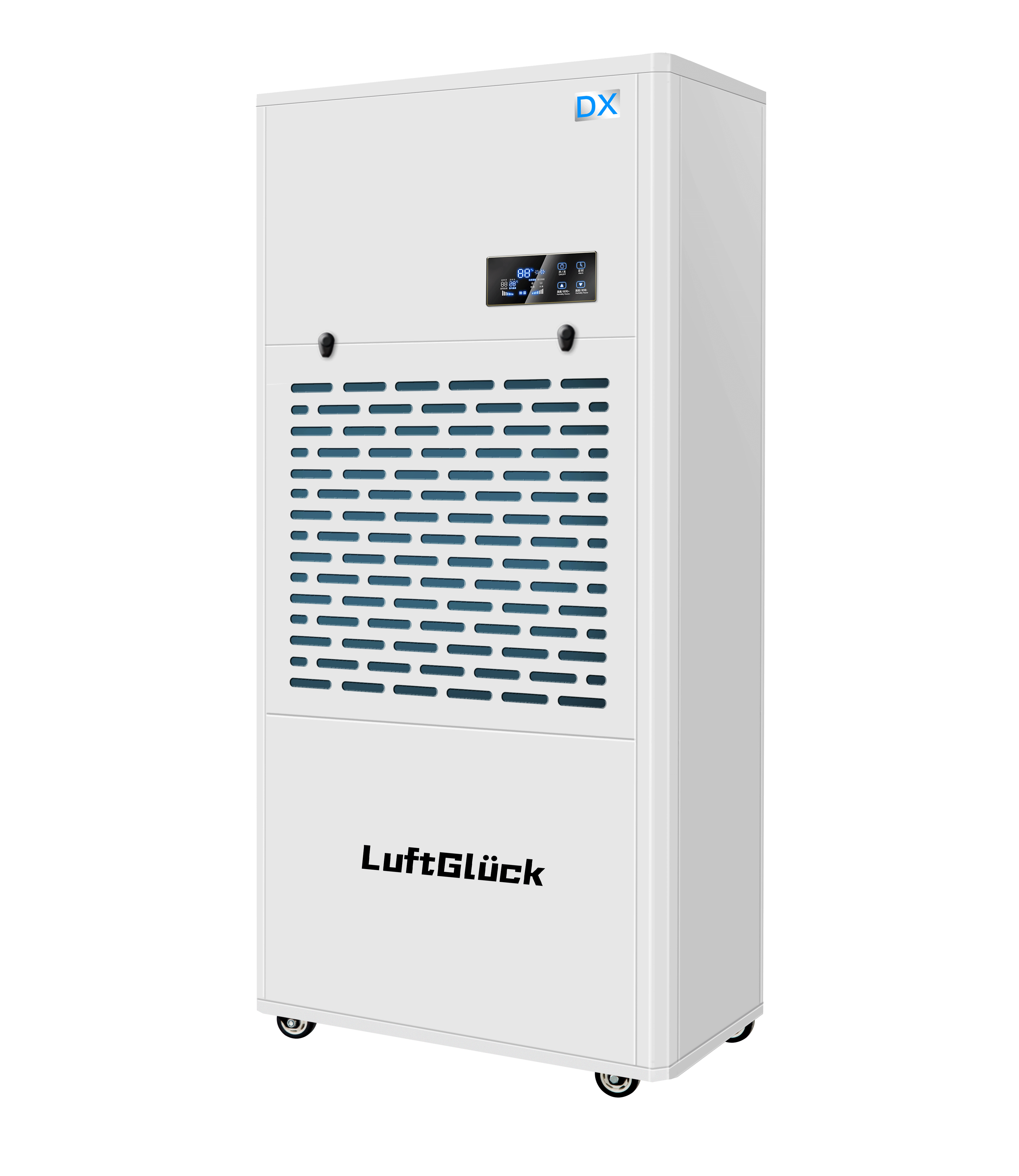
A low temperature dehumidifier also supports HVAC efficiency. When humidity levels are too high, heating systems must work harder to achieve comfortable air temperatures. By removing excess moisture, a low temperature dehumidifier reduces the perceived chill associated with damp air, allowing heating systems to maintain comfort levels with less energy input. This makes the low temperature dehumidifier not only a moisture management tool but also an energy efficiency asset during winter.
Selecting the Right Low Temperature Dehumidifier for Winter Use
Key Performance Criteria
When choosing a low temperature dehumidifier for winter humidity control, the operating temperature range is the first factor to evaluate. Confirm that the low temperature dehumidifier is rated for operation at or below the minimum temperature your space is likely to reach. Extraction capacity, measured in liters per day, should be matched to the volume of the space and the typical moisture load. A low temperature dehumidifier that is undersized will run continuously without achieving target humidity levels, while an oversized unit may cycle inefficiently.
Energy efficiency ratings matter significantly in a winter application where the low temperature dehumidifier may operate for extended periods. Look for units with intelligent humidity sensors and automatic control features. A low temperature dehumidifier with a built-in humidistat will activate and deactivate based on actual humidity readings rather than running on a fixed schedule. This reduces energy consumption and extends the operational life of the equipment. Drainage options are also important since continuous drainage prevents the need to manually empty collection tanks during long winter runs of the low temperature dehumidifier.
Application Suitability
Not all low temperature dehumidifier models are suitable for every winter environment. Industrial-grade low temperature dehumidifier units are built for harsh, large-volume spaces with heavy moisture loads. Residential or light commercial models of the low temperature dehumidifier are appropriate for smaller enclosed spaces. Matching the low temperature dehumidifier specification to the application ensures reliable performance and avoids premature wear from operating outside the intended use case.
FAQ
What temperature range can a low temperature dehumidifier handle?
A low temperature dehumidifier is typically rated for operation in environments ranging from around 1°C to 35°C, depending on the model and technology used. Desiccant-based low temperature dehumidifier units often perform effectively at temperatures even below freezing, making them the preferred choice for cold storage or outdoor-adjacent spaces during winter.
How does a low temperature dehumidifier differ from a standard dehumidifier?
A standard dehumidifier relies on refrigerant coil condensation and stops functioning reliably below 15°C. A low temperature dehumidifier incorporates specialized compressors, defrost cycles, or desiccant wheels that allow it to extract moisture continuously at low ambient temperatures. This design difference makes the low temperature dehumidifier the correct choice for cold-weather humidity control.
Is a low temperature dehumidifier energy-efficient in winter use?
A low temperature dehumidifier with an integrated humidistat and energy-efficient motor operates only when humidity exceeds the target threshold, reducing overall power consumption. Compared to running heating systems harder to offset damp air, a low temperature dehumidifier often provides a more cost-effective approach to winter comfort and moisture management. Selecting an appropriately sized unit further maximizes energy efficiency.