
 EN
EN
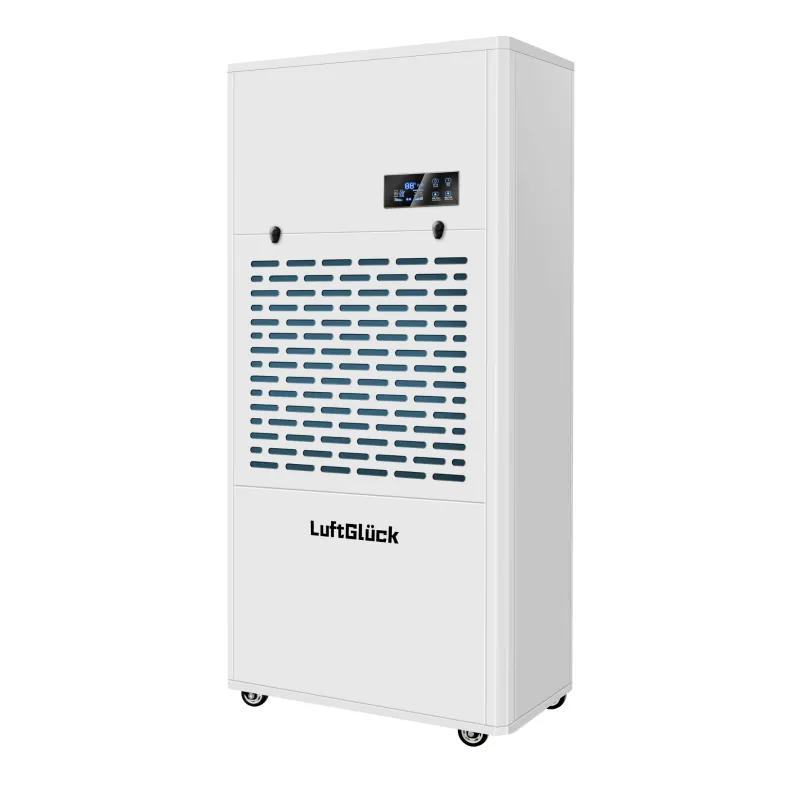
When managing moisture in refrigerated or near-freezing environments, a standard dehumidifier simply does not perform. Coils freeze over, efficiency collapses, and humidity remains uncontrolled. A low temperature dehumidifier is engineered specifically to overcome these limitations, operating reliably where conventional units fail. Understanding how this technology works is essential for any facility that stores perishables, pharmaceuticals, or cold-processed goods.
A low temperature dehumidifier uses advanced refrigerant blends and compressor designs that remain functional in ambient temperatures as low as 1°C or even below freezing. This specialized engineering allows the low temperature dehumidifier to extract moisture continuously without icing issues that plague standard models. Facilities relying on precise humidity control in cold rooms gain measurable benefits from deploying the right low temperature dehumidifier for their specific temperature range and moisture load.
The Core Mechanics of a Low Temperature Dehumidifier
How Refrigerant Technology Enables Cold Room Operation
A conventional dehumidifier operates by passing humid air across a cold evaporator coil, condensing water vapor into liquid. However, when ambient temperatures drop below roughly 15°C, that evaporator coil quickly freezes, blocking airflow and stopping moisture removal entirely. A low temperature dehumidifier solves this by using specially formulated low-temperature refrigerants and hot-gas defrost cycles that prevent ice buildup on the coil surface. The low temperature dehumidifier maintains a careful balance between condensation efficiency and coil temperature management. This engineering makes the low temperature dehumidifier capable of consistent moisture extraction even in cold rooms operating between 1°C and 10°C.
Defrost Cycle Design in a Low Temperature Dehumidifier
The defrost mechanism is a defining feature of any quality low temperature dehumidifier. When sensors detect the onset of frost accumulation, the low temperature dehumidifier briefly redirects hot refrigerant gas back through the evaporator coil to melt ice without significantly warming the room. This hot-gas defrost cycle in the low temperature dehumidifier is far more energy-efficient than electric resistance defrost used in older systems. Because the defrost event is short and targeted, the low temperature dehumidifier minimizes temperature fluctuation inside the cold room, preserving product quality while restoring full dehumidification capacity within minutes.
Why Cold Rooms Need Dedicated Moisture Control
The Humidity Problem in Cold Storage Environments
Cold rooms frequently experience condensation and elevated relative humidity because warm, moist air infiltrates through door openings, loading operations, and building envelope gaps. Without a low temperature dehumidifier, that moisture condenses on walls, floors, shelving, and product packaging. Persistent humidity in cold storage accelerates microbial growth, corrodes metal fixtures, causes frost damage to sensitive goods, and increases the load on refrigeration compressors. A properly sized low temperature dehumidifier removes excess water vapor before it can condense, keeping relative humidity within the range required for product safety and regulatory compliance. The low temperature dehumidifier effectively acts as a first line of defense against moisture-related losses.
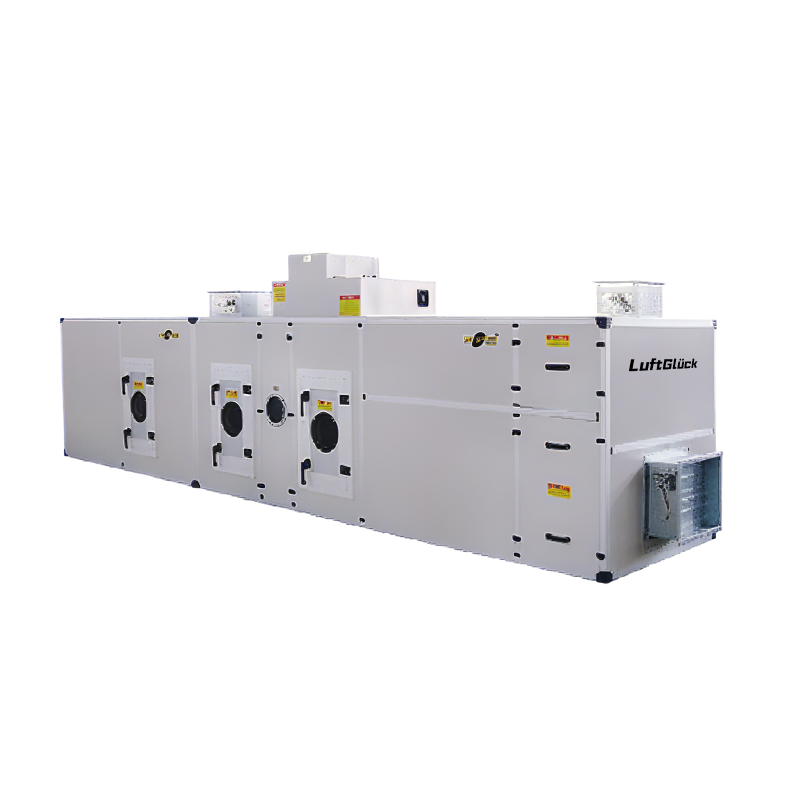
Energy and Operational Benefits of Using a Low Temperature Dehumidifier
Excess humidity forces refrigeration systems to work harder, because moist air holds more thermal energy than dry air. By deploying a low temperature dehumidifier, facility managers reduce the latent heat load on the refrigeration plant, resulting in measurable energy savings. The low temperature dehumidifier also reduces defrost frequency on refrigeration evaporators, extending equipment service life. Over a full operating year, a low temperature dehumidifier can deliver significant reductions in both energy consumption and maintenance expenditure. These operational gains make investing in a dedicated low temperature dehumidifier a sound decision for any cold storage business focused on total cost of ownership.
Selecting the Right Low Temperature Dehumidifier for Your Cold Room
Key Sizing and Specification Factors
Choosing the correct low temperature dehumidifier requires evaluating the room volume, the rate of moisture infiltration, the target relative humidity level, and the minimum operating temperature. An undersized low temperature dehumidifier will struggle to maintain setpoints during peak loading periods, while an oversized low temperature dehumidifier wastes capital and may cycle too frequently, reducing efficiency. Manufacturers of the low temperature dehumidifier typically provide moisture removal capacity ratings at specific temperature and humidity conditions, so it is important to match those ratings to your actual cold room operating parameters. Consulting the technical data sheet of the low temperature dehumidifier ensures you select a unit rated for your exact temperature range.
Installation and Placement of a Low Temperature Dehumidifier
Placement of the low temperature dehumidifier inside the cold room directly affects performance. Positioning the low temperature dehumidifier near the primary moisture entry points, such as door zones or loading areas, allows it to intercept humid infiltration air before it spreads through the space. Airflow from the low temperature dehumidifier should circulate freely across the room to prevent stagnant humid pockets. The condensate drainage line of the low temperature dehumidifier must be routed to a suitable drain and should be insulated or heat-traced to prevent freezing. Proper installation of the low temperature dehumidifier ensures the unit operates at rated efficiency throughout the cold season and avoids preventable service calls caused by drainage or airflow issues.
FAQ
What temperature range can a low temperature dehumidifier handle?
A quality low temperature dehumidifier is designed to operate in ambient temperatures typically ranging from 1°C to 18°C, with some specialized models rated for sub-zero conditions. The low temperature dehumidifier achieves this through purpose-built refrigerant circuits and automatic defrost systems that maintain coil function at low ambient temperatures.
How often does a low temperature dehumidifier need maintenance in a cold room?
Most low temperature dehumidifier units require routine inspection every three to six months, including checking the air filter, verifying defrost cycle operation, inspecting the condensate drain, and confirming refrigerant charge. A well-maintained low temperature dehumidifier in a cold storage facility typically delivers reliable performance for many years with minimal unplanned downtime.
Can a low temperature dehumidifier also help reduce refrigeration energy costs?
Yes. By removing excess moisture from the air, the low temperature dehumidifier reduces the latent heat load carried by the refrigeration system. When the low temperature dehumidifier keeps relative humidity at optimal levels, refrigeration compressors cycle less aggressively, which lowers electricity consumption and reduces wear on refrigeration components over time.