
 EN
EN
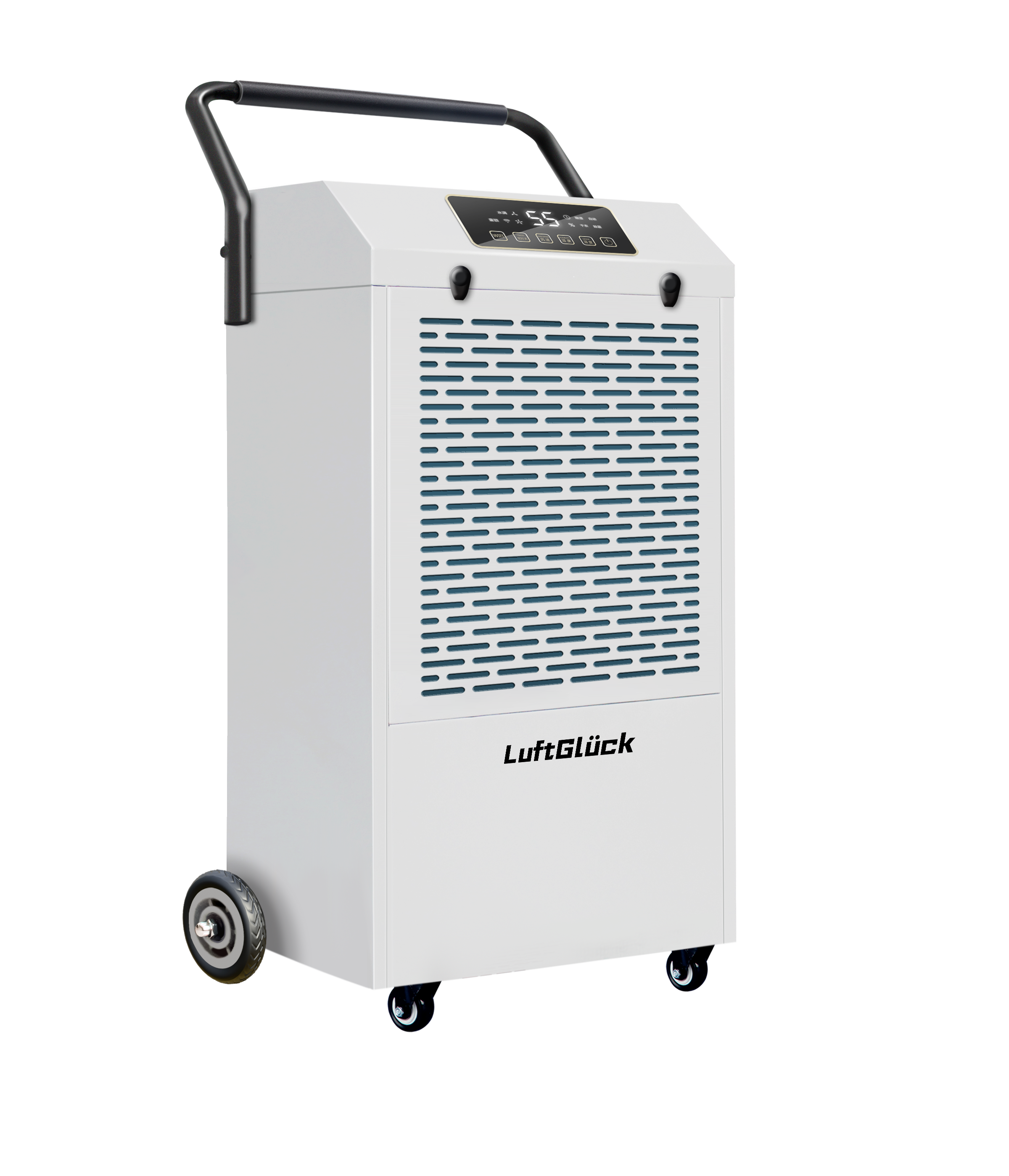
When moisture accumulates beneath dense plant canopies, mildew becomes one of the most damaging and persistent threats a grower can face. A dehumidifier for plants is specifically designed to pull excess humidity from the air, creating conditions that actively resist fungal growth. Understanding how a dehumidifier for plants works in canopy-heavy environments helps growers make smarter decisions about protecting their crops.
Yes, a dehumidifier for plants can significantly reduce mildew risk around dense plant canopies. However, the effectiveness of a dehumidifier for plants depends on placement, capacity, and how well it integrates with the overall growing environment. This article explains exactly why a dehumidifier for plants matters in canopy-heavy spaces and how to get the most from it.
Why Dense Plant Canopies Create High Mildew Risk
Trapped Humidity Beneath the Canopy
Dense plant canopies create a microclimate where airflow is restricted and moisture cannot escape efficiently. As plants transpire, water vapor accumulates in the lower and middle zones of the canopy. Without a dehumidifier for plants actively removing this moisture, relative humidity in these zones can climb far beyond safe levels. A dehumidifier for plants targets exactly this trapped vapor, pulling it out before it settles on leaves and stems. Growers who rely solely on ventilation fans often find that a dehumidifier for plants is the missing element when mildew persists despite good airflow.
How Mildew Establishes Itself in Canopy Zones
Powdery mildew and other fungal pathogens thrive when surface humidity is consistently above sixty percent. Dense foliage creates shaded, still pockets where moisture lingers longest. A dehumidifier for plants lowers the ambient humidity throughout the growing space, reducing the likelihood that leaf surfaces stay wet long enough for spore germination. When a dehumidifier for plants runs consistently, it disrupts the moisture cycle that mildew depends on to establish and spread. This is why a dehumidifier for plants is considered a preventive tool, not just a reactive one.
How a Dehumidifier for Plants Works in Grow Spaces
The Moisture Removal Mechanism
A dehumidifier for plants draws humid air across refrigerated coils, where water vapor condenses into liquid and drains away. The dry air is then returned to the growing environment. This cycle repeats continuously, keeping relative humidity at a grower-defined setpoint. A well-sized dehumidifier for plants can handle the moisture load from transpiration in a densely planted space without overworking. When a dehumidifier for plants is matched correctly to room volume and plant density, it maintains stable humidity with minimal energy waste. The best results come when a dehumidifier for plants operates alongside adequate air circulation.
Integrating a Dehumidifier for Plants with Canopy Airflow
A dehumidifier for plants works best when positioned to draw air from the most humid zones in the growing space. In canopy-heavy rooms, placing a dehumidifier for plants at canopy level or slightly below improves its ability to capture moisture where it concentrates most. Pairing a dehumidifier for plants with oscillating fans helps distribute drier air throughout the canopy layers. Without circulation, even a well-sized dehumidifier for plants may leave humid pockets in the densest parts of the foliage. Growers should treat a dehumidifier for plants as part of a humidity management system rather than a standalone fix.
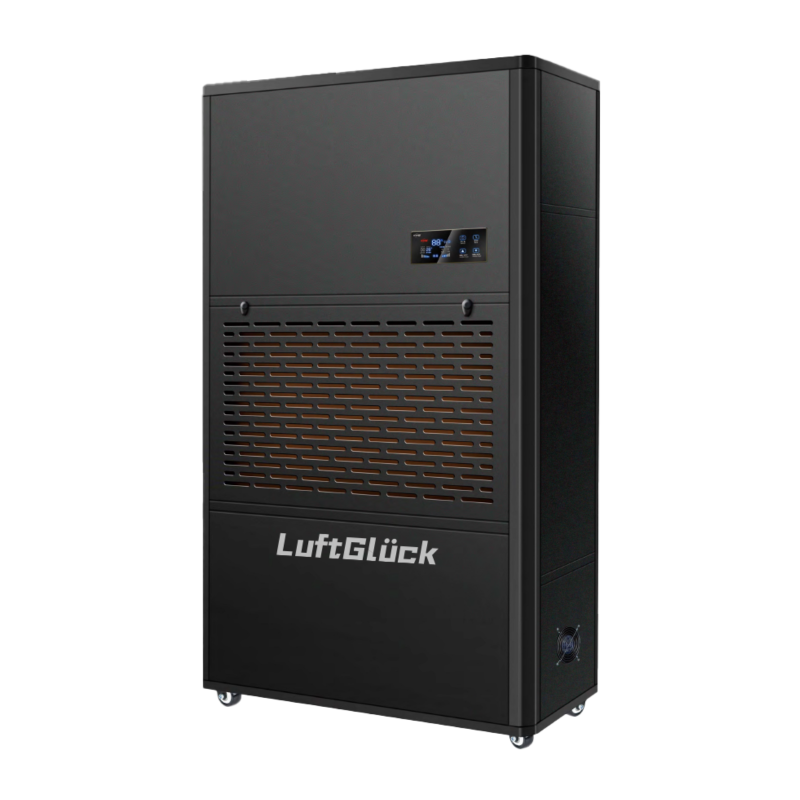
Choosing the Right Dehumidifier for Plants in Dense Growing Environments
Capacity and Coverage Considerations
Selecting the correct dehumidifier for plants requires calculating the total moisture load from transpiration, irrigation, and ambient sources. A dehumidifier for plants rated for a larger area than needed provides a buffer during peak humidity periods, such as flowering stages when transpiration increases. Undersizing a dehumidifier for plants in a dense canopy environment is a common mistake that leads to persistent humidity problems. A dehumidifier for plants with a continuous drain option removes the need for manual emptying, which is critical in commercial or large grow operations. Reviewing the pints-per-day rating of a dehumidifier for plants against the plant count and room size gives a reliable starting point.
Settings and Monitoring for Mildew Prevention
A dehumidifier for plants with a built-in hygrostat allows growers to set a target humidity level and let the unit cycle automatically. For most plants, a dehumidifier for plants should maintain relative humidity between forty-five and fifty-five percent during the day and slightly lower at night. Monitoring canopy-level humidity separately from room-level humidity helps identify whether a dehumidifier for plants is reaching the zones where mildew risk is highest. Using a secondary hygrometer inside the canopy gives growers accurate data to fine-tune a dehumidifier for plants settings. Regular monitoring ensures a dehumidifier for plants continues to perform at the level the crop requires.
FAQ
Can a dehumidifier for plants eliminate mildew entirely?
A dehumidifier for plants can dramatically reduce mildew risk but cannot guarantee complete elimination on its own. Mildew management requires combining a dehumidifier for plants with good canopy pruning, proper airflow, and sanitation practices. When a dehumidifier for plants keeps humidity consistently below the threshold for fungal development, mildew incidence drops significantly.
Where should a dehumidifier for plants be placed in a grow room?
A dehumidifier for plants should be positioned where it can draw air from the most humid zones, typically at or just below canopy height. In large rooms, more than one dehumidifier for plants unit may be needed to cover all areas evenly. Avoid placing a dehumidifier for plants in corners where airflow is blocked, as this reduces its efficiency.
How often should a dehumidifier for plants be serviced?
A dehumidifier for plants should have its filters cleaned every two to four weeks in high-humidity grow environments. Coils in a dehumidifier for plants should be inspected seasonally for dust buildup that can reduce performance. Keeping a dehumidifier for plants well-maintained ensures consistent humidity control and extends the unit's operational lifespan.