
 EN
EN
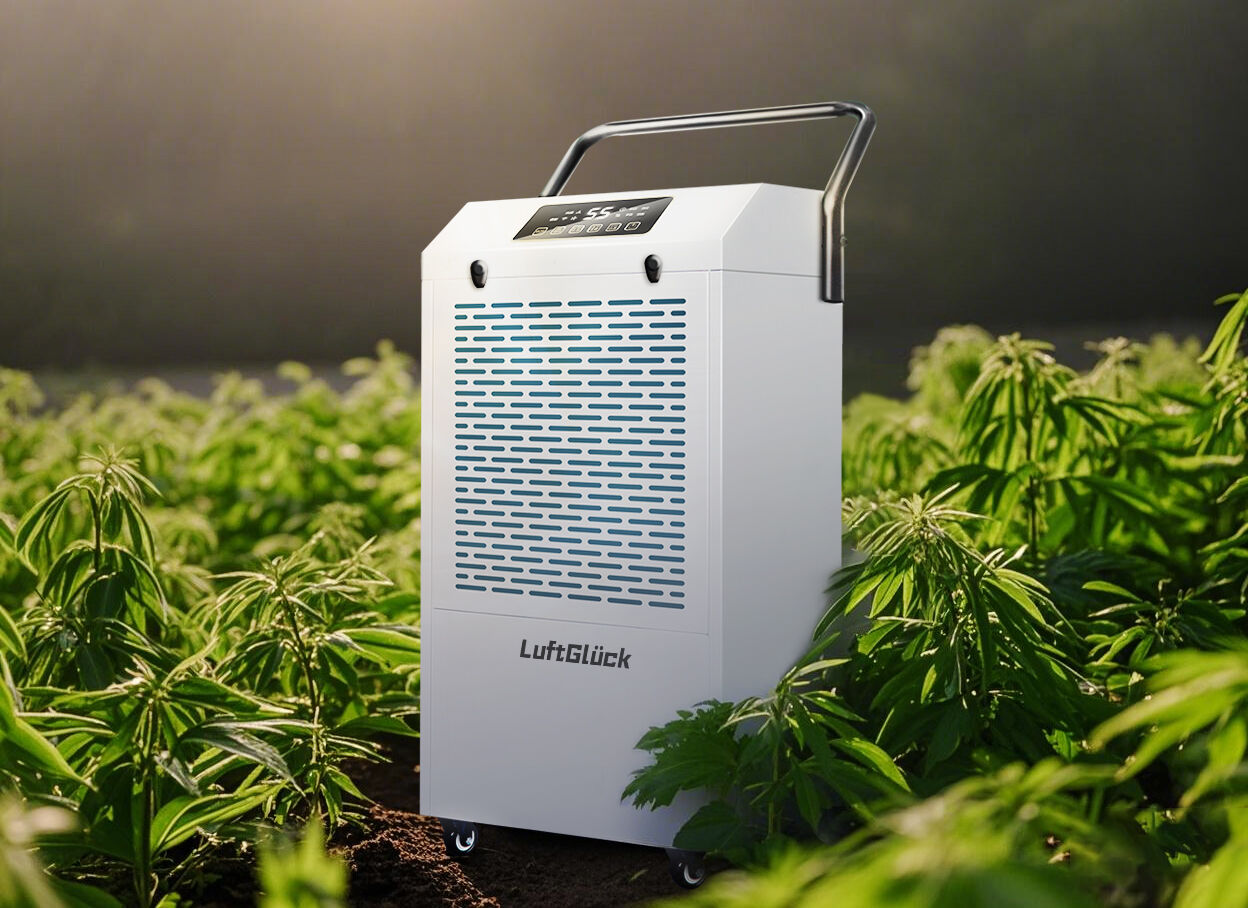
Mold is one of the most destructive threats in any indoor grow room, and humidity is its greatest ally. A dehumidifier for plants is the most direct tool growers use to remove excess moisture from the air before mold spores ever get the chance to establish. When relative humidity climbs above safe thresholds, fungal growth accelerates rapidly, threatening crops, structures, and the entire growing environment. Understanding how a dehumidifier for plants interrupts that cycle is essential for anyone managing a serious indoor growing operation.
A dehumidifier for plants works by continuously drawing humid air through a refrigerated coil system, condensing moisture into water, and returning drier air back into the grow space. This mechanical process keeps relative humidity within the precise range that plants need for healthy development without creating the damp conditions that mold requires. Growers who invest in a quality dehumidifier for plants consistently report fewer disease outbreaks, stronger yields, and reduced losses from fungal infections. The logic is simple: eliminate excess moisture, and mold loses its primary resource for survival.
Why Humidity Control Matters in Indoor Grow Rooms
The Link Between Humidity and Mold Growth
Mold spores are present in virtually every growing environment, but they only become active when moisture levels rise above critical thresholds. A dehumidifier for plants removes the airborne water vapor that allows those spores to germinate and spread. Without a reliable dehumidifier for plants in place, even a brief spike in humidity can trigger a mold outbreak that spreads across an entire room within days. For indoor growers, this is not a theoretical risk — it is a common and costly reality that proper humidity management is designed to prevent.
Different stages of plant growth require different humidity ranges. Seedlings and clones typically thrive at higher humidity levels, while flowering plants benefit from drier conditions to prevent botrytis and other moisture-related diseases. A dehumidifier for plants that offers adjustable setpoints allows growers to shift humidity targets as crops progress through their lifecycle. This flexibility makes the dehumidifier for plants not just a mold-prevention device but a precision growing tool that actively supports plant health at every stage.
The Cost of Ignoring Humidity in a Grow Room
When growers underestimate the importance of a dehumidifier for plants, the financial consequences can be severe. A single mold outbreak in a mid-sized indoor grow room can destroy weeks of growth and require extensive remediation. Beyond crop loss, persistent high humidity damages walls, insulation, and electrical equipment over time. A dehumidifier for plants represents a relatively modest investment compared to the recurring costs of mold damage, pesticide treatments, and lost harvests. For commercial operations in particular, running a dehumidifier for plants around the clock is simply part of responsible crop management.
How a Dehumidifier for Plants Prevents Mold Specifically
Maintaining the Right Vapor Pressure Deficit
Vapor pressure deficit, commonly called VPD, describes the difference between the moisture currently in the air and the maximum moisture the air could hold at a given temperature. A dehumidifier for plants helps maintain an optimal VPD by keeping relative humidity from climbing too high relative to ambient temperature. When VPD is properly managed, plants transpire efficiently without creating excessive moisture in the canopy zone where mold is most likely to form. Growers who use a dehumidifier for plants alongside accurate temperature sensors can dial in VPD targets that simultaneously maximize plant productivity and minimize disease risk.
A dehumidifier for plants also reduces the likelihood of condensation forming on leaf surfaces, pots, walls, and equipment. Surface condensation is a direct invitation for mold colonies to establish themselves. By keeping the air consistently dry, a dehumidifier for plants removes the surface moisture that fungal spores need to germinate. This is especially critical during lights-off periods when temperatures drop and relative humidity tends to rise sharply in a closed grow room environment.
Airflow Integration and Dehumidifier Placement
A dehumidifier for plants works most effectively when it is positioned to interact with active airflow in the grow space. Placing a dehumidifier for plants at canopy level or above the plant zone allows it to capture the warm, moist air that plants release through transpiration before it accumulates in pockets of high humidity. Combining a dehumidifier for plants with circulation fans ensures that humid air from all corners of the room reaches the unit rather than stagnating in dead zones. Dead air zones are a common source of localized mold outbreaks that a dehumidifier for plants positioned poorly may fail to address.
Choosing the Right Dehumidifier for Plants in Your Grow Room
Matching Capacity to Room Size and Plant Load
Not every dehumidifier for plants is sized appropriately for every grow room. Capacity is measured in pints or liters of water removed per day, and selecting a dehumidifier for plants that is undersized for the room means it will run continuously without achieving the target humidity level. Growers should calculate total moisture load based on room volume, number of plants, lighting heat output, and fresh air exchange rate before selecting a dehumidifier for plants. An oversized unit will cycle on and off too frequently, while an undersized dehumidifier for plants will never bring humidity under control.
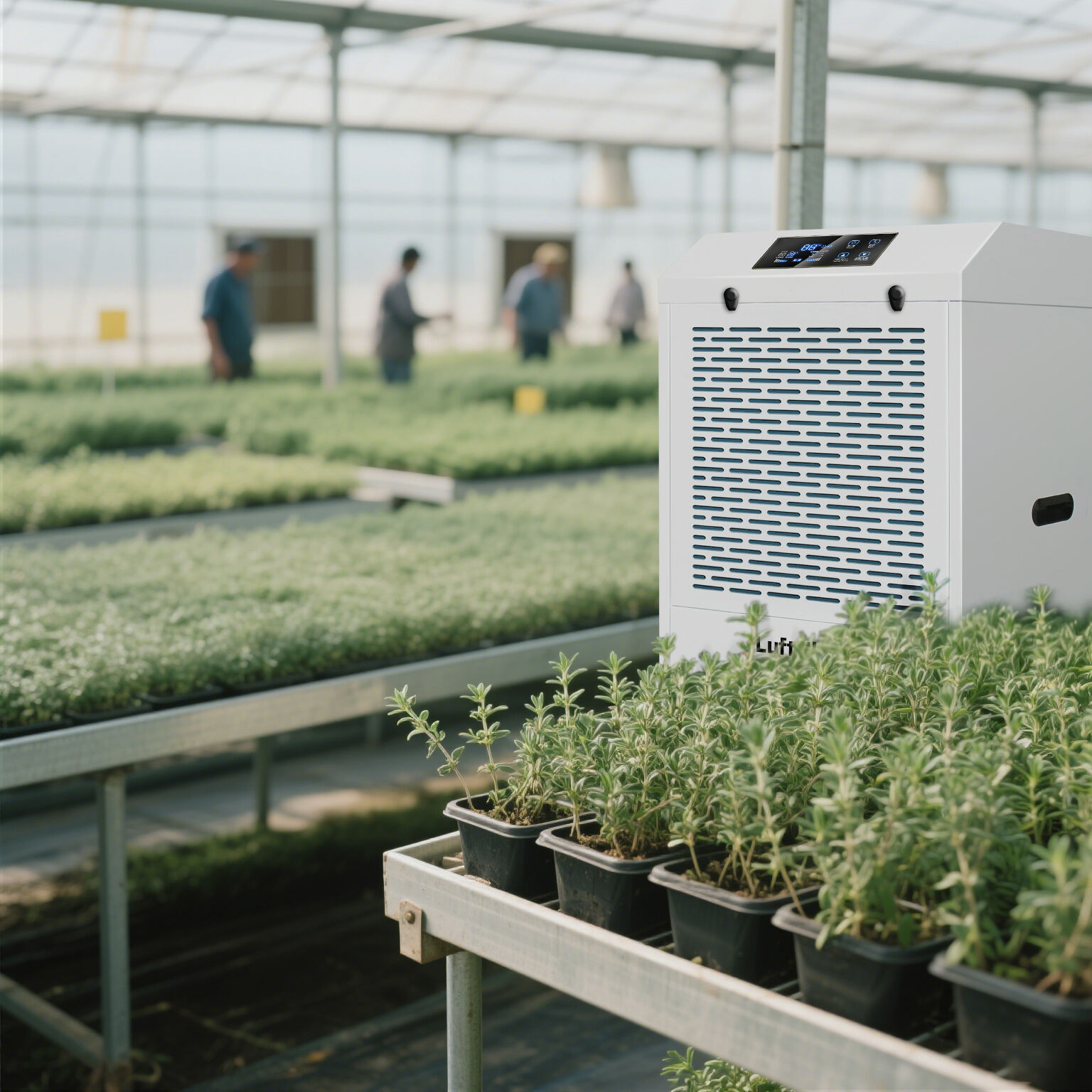
For commercial indoor farms and precision greenhouses, a dehumidifier for plants with integrated climate control logic offers the most reliable humidity management. These systems allow a dehumidifier for plants to respond automatically to real-time humidity readings, adjusting output to match changing conditions throughout the day. Integration between a dehumidifier for plants and a broader climate control system eliminates the guesswork of manual adjustment and ensures that humidity stays within the target range regardless of seasonal changes, plant density shifts, or irrigation schedules.
Long-Term Reliability and Monitoring
A dehumidifier for plants that lacks reliable monitoring features may silently drift out of optimal range without growers noticing until mold has already appeared. Selecting a dehumidifier for plants with data logging, alert notifications, and remote monitoring capabilities gives growers the visibility they need to act before problems escalate. Regular maintenance of a dehumidifier for plants — including filter cleaning, coil inspection, and drain line checks — ensures consistent performance over time. Treating a dehumidifier for plants as a critical piece of growing infrastructure, rather than a set-and-forget appliance, is the mindset that separates successful growers from those who repeatedly face humidity-related crop losses.
FAQ
What humidity level should a dehumidifier for plants maintain to prevent mold?
A dehumidifier for plants is typically set to maintain relative humidity between 40% and 60% depending on the growth stage. During flowering, keeping humidity below 50% with a dehumidifier for plants significantly reduces the risk of botrytis and powdery mildew. The exact target depends on room temperature, so pairing a dehumidifier for plants with a precise thermometer gives the most accurate control.
Can a dehumidifier for plants work alongside an air conditioning system?
Yes, a dehumidifier for plants and an air conditioning unit serve complementary roles. Air conditioning primarily manages temperature, while a dehumidifier for plants specifically targets moisture removal. In many grow rooms, both systems are necessary because cooling alone does not remove enough humidity to prevent mold. Running a dehumidifier for plants in combination with climate control creates the stable environment that indoor crops require.
How often should a dehumidifier for plants be serviced to stay effective?
A dehumidifier for plants should be inspected and cleaned at least once per month in an active grow room. Filters on a dehumidifier for plants should be checked weekly in dusty or pollen-heavy environments. Coils and drainage systems on a dehumidifier for plants need periodic deep cleaning to maintain full moisture removal capacity. Staying on a consistent maintenance schedule ensures the dehumidifier for plants continues to protect the grow room reliably season after season.