
 EN
EN
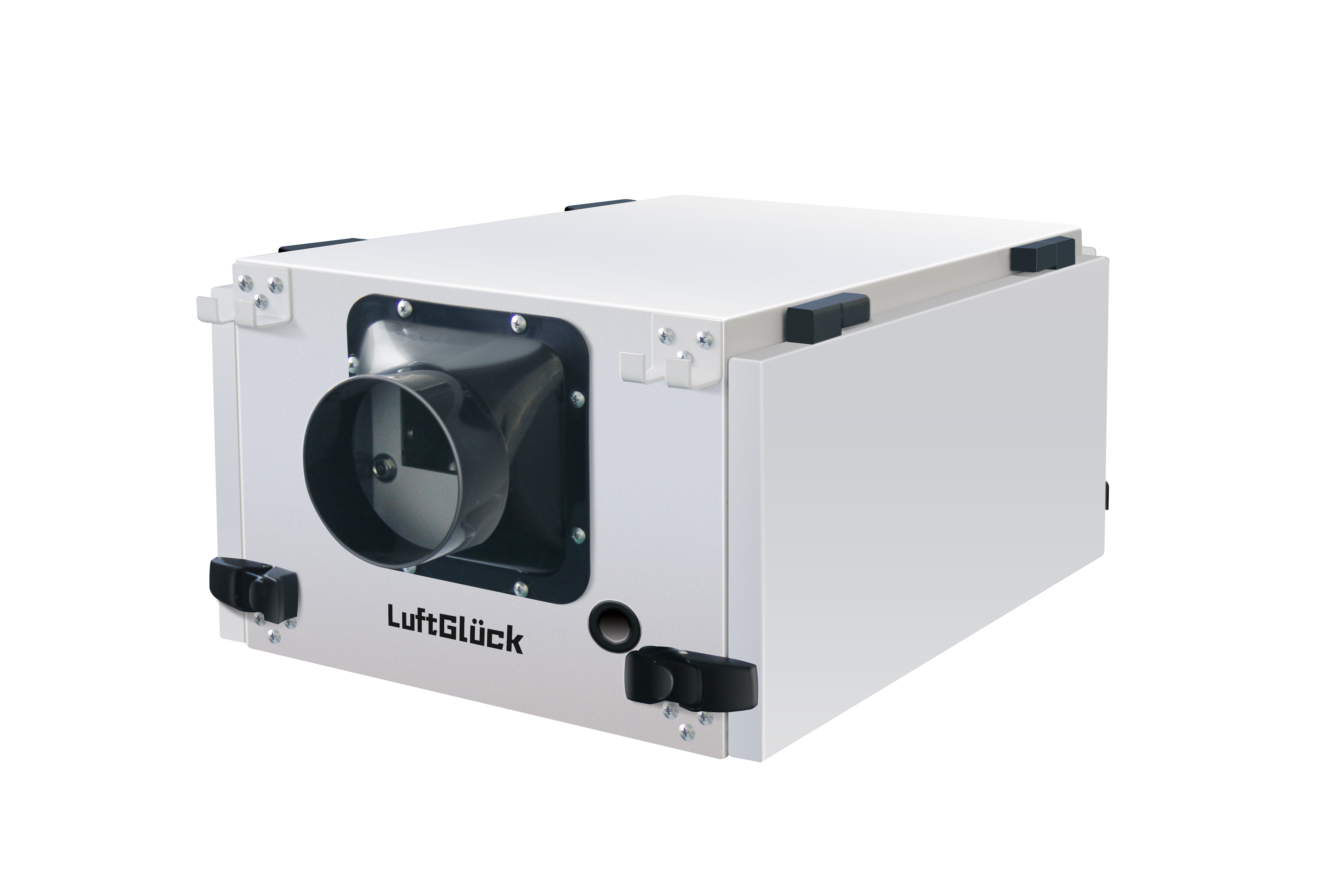
Choosing the right dehumidifier for plants in a greenhouse is one of the most impactful decisions a grower can make. Excess moisture in the air leads to mold, mildew, root rot, and reduced crop yields. Getting the sizing right from the start ensures that your dehumidifier for plants works efficiently without wasting energy or leaving critical humidity problems unaddressed.
Many growers underestimate how much moisture a greenhouse generates on a daily basis. Transpiration from plant leaves, irrigation runoff, and condensation all contribute to rising humidity. A properly sized dehumidifier for plants accounts for all these moisture sources and matches the actual demand of the growing environment. This guide walks through exactly how to size a dehumidifier for plants so your greenhouse stays in the ideal humidity range year-round.
Understanding Moisture Load in a Greenhouse
Why Moisture Load Determines Dehumidifier for Plants Capacity
Before selecting a dehumidifier for plants, growers must calculate the total moisture load in their greenhouse. Moisture load refers to the total volume of water vapor that needs to be removed from the air over a given time period, typically measured in pints or liters per day. Every dehumidifier for plants is rated by its moisture removal capacity, so understanding your specific load is the foundation of correct sizing. Without this calculation, even a high-quality dehumidifier for plants may be undersized or oversized for the actual environment.
The primary contributors to moisture load include plant transpiration, open water surfaces such as irrigation channels or reservoirs, and any water applied directly to growing media. A dehumidifier for plants must handle all of these sources simultaneously. In a dense growing environment, transpiration alone can add significant amounts of water vapor per hour, making it essential to measure or estimate plant density when sizing your dehumidifier for plants.
Calculating Greenhouse Volume and Humidity Targets
After estimating moisture load, growers need to measure the total air volume of the greenhouse. Multiply the floor area by the internal ceiling height to get cubic feet or cubic meters. A dehumidifier for plants must circulate and process enough air to keep relative humidity within the target range, usually between 50% and 70% depending on the crop. Knowing the air volume helps confirm that the dehumidifier for plants you select has adequate airflow capacity in addition to moisture removal capacity. Both metrics matter for effective humidity control.
Key Sizing Factors for a Dehumidifier for Plants
Plant Species and Growth Stage
Different plant species release moisture at different rates, and this directly affects how you size a dehumidifier for plants. Leafy greens and tropical plants transpire heavily, requiring a dehumidifier for plants with higher capacity. Succulents and cacti transpire minimally and demand far less moisture removal. Growth stage also matters — seedlings and young plants produce less moisture than mature plants in full vegetative or flowering stages. Growers should always size their dehumidifier for plants based on peak transpiration conditions, not average conditions, to avoid humidity spikes during critical growth phases.
Greenhouse Insulation, Ventilation, and Climate
A dehumidifier for plants in a tightly sealed, well-insulated greenhouse faces a very different challenge than one installed in a structure with high air exchange. When outside air enters frequently, the dehumidifier for plants must compensate for incoming humidity as well as internally generated moisture. In humid climates or during rainy seasons, ambient moisture infiltration increases the effective load on any dehumidifier for plants significantly. Growers should factor in local climate data and seasonal variation when sizing to ensure the dehumidifier for plants remains effective throughout the year, not just under ideal conditions.
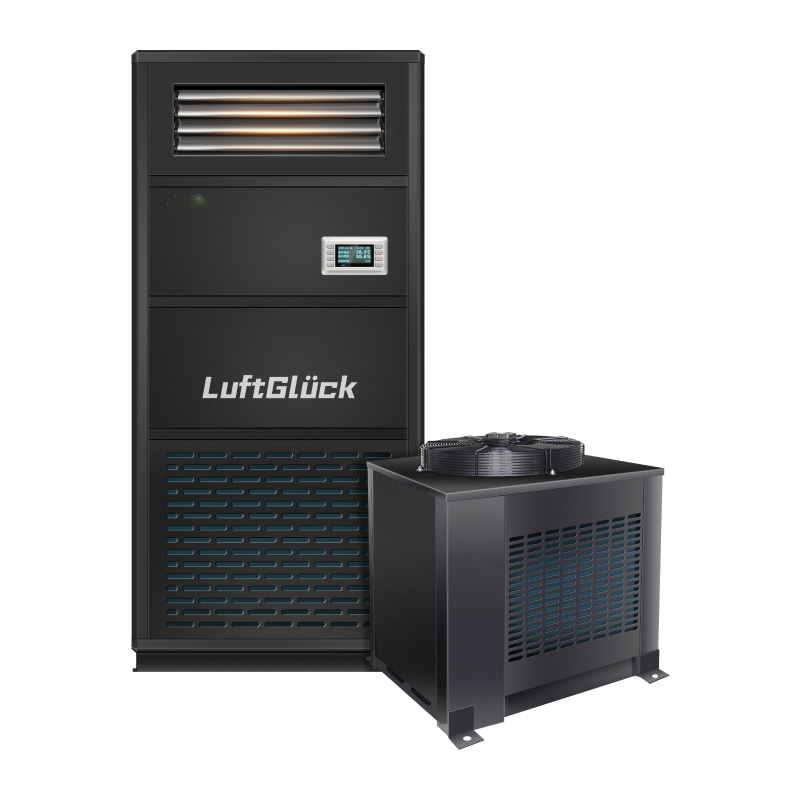
Ventilation strategy also plays a direct role. Greenhouses that rely heavily on passive ventilation during summer months may temporarily reduce the workload of a dehumidifier for plants, but controlled environments that run sealed during winter will place maximum demand on the unit. A smart approach is to size the dehumidifier for plants for the worst-case scenario so performance never falls short when plants are most vulnerable to humidity stress.
Practical Sizing Methods and Equipment Selection
Using Moisture Removal Ratings and Safety Margins
Every dehumidifier for plants comes with a rated moisture removal capacity, typically expressed in pints per day or liters per day at a standardized temperature and humidity. When applying this rating to a greenhouse, growers must remember that real-world conditions may differ from laboratory test conditions. Always apply a safety margin of at least 20% to 30% when choosing a dehumidifier for plants. This means if your calculated moisture load is 100 liters per day, select a dehumidifier for plants rated for at least 120 to 130 liters per day. This buffer ensures that the dehumidifier for plants can maintain target humidity even during peak load periods or when conditions shift unexpectedly.
Precision Climate Control Systems for Greenhouses
Modern greenhouse operations increasingly pair a dehumidifier for plants with intelligent climate control systems that monitor temperature, humidity, and CO2 levels simultaneously. These integrated systems allow a dehumidifier for plants to operate based on real-time sensor data rather than fixed schedules, improving both efficiency and crop outcomes. When selecting a dehumidifier for plants for a professional growing environment, look for units that offer programmable setpoints, remote monitoring, and compatibility with greenhouse automation systems. A dehumidifier for plants with precision sensing and automatic adjustment eliminates manual guesswork and protects plants around the clock. This level of control is especially valuable in multi-zone greenhouses where conditions vary significantly between sections.
FAQ
What happens if a dehumidifier for plants is undersized for the greenhouse?
An undersized dehumidifier for plants will struggle to maintain target humidity levels, especially during high transpiration periods. This leads to persistently elevated moisture, which encourages mold, botrytis, and other humidity-related plant diseases. Growers may notice leaf spotting, stem rot, or poor fruit set as a direct result. Always size a dehumidifier for plants with sufficient capacity and a safety margin to avoid these outcomes.
How often should growers recalculate sizing for their dehumidifier for plants?
Growers should reassess their dehumidifier for plants sizing whenever they change crops, expand growing area, alter irrigation methods, or modify greenhouse insulation. Major seasonal shifts, particularly moving from summer ventilation to sealed winter operation, also warrant a review. A dehumidifier for plants that was correctly sized for one crop rotation may be inadequate for the next if plant density or species changes significantly.
Can one dehumidifier for plants cover an entire large greenhouse?
In larger greenhouses, a single dehumidifier for plants may not provide uniform humidity control across the entire space. Air distribution becomes a limiting factor, and moisture can accumulate in zones far from the unit. For large facilities, growers should consider multiple dehumidifier for plants units positioned strategically, or opt for centralized HVAC systems with integrated dehumidification. Proper airflow mapping ensures the dehumidifier for plants coverage matches the actual greenhouse layout.