
 EN
EN
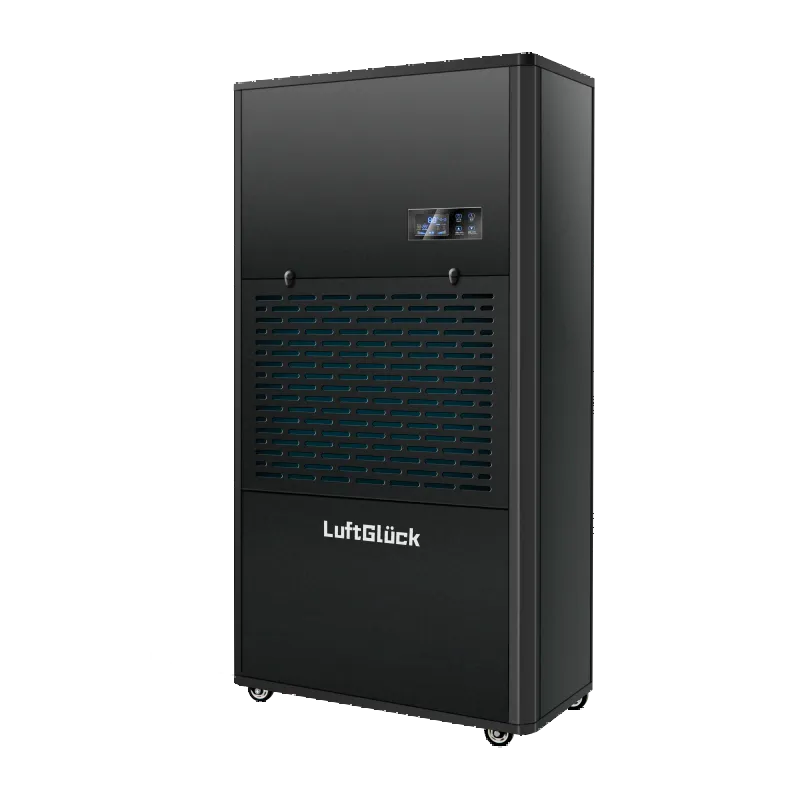
Understanding how a portable air conditioner manages indoor humidity is essential for anyone seeking relief from oppressive, muggy conditions. These versatile cooling units do more than simply lower the temperature—they actively extract moisture from the air, transforming sticky, uncomfortable environments into refreshing spaces where productivity and relaxation thrive. The mechanism behind this dual-action performance combines refrigeration principles with condensation dynamics, making the portable air conditioner an indispensable tool for homes, offices, and temporary setups where traditional HVAC systems prove impractical or cost-prohibitive.
The relationship between temperature reduction and humidity control is deeply intertwined within the operational cycle of a portable air conditioner. As warm, moisture-laden air passes over the unit's evaporator coils, the refrigerant inside these coils absorbs heat energy, causing the air temperature to drop below its dew point. This critical threshold triggers condensation, converting water vapor into liquid form that collects in an internal reservoir or drains through an exhaust hose. The result is air that feels noticeably lighter and more breathable, addressing the primary discomfort factor in humid climates where sweat evaporation slows and perceived temperature soars well above actual readings.
The Science Behind Moisture Removal in Cooling Systems
Refrigeration Cycle and Condensation Process
The core function of a portable air conditioner relies on a closed-loop refrigeration cycle that continuously moves heat from indoor spaces to the outdoors. Refrigerant fluid circulates through the system, alternating between liquid and gaseous states as it absorbs and releases thermal energy. When warm indoor air contacts the cold evaporator coils, two simultaneous processes occur: heat transfer cools the air, while the temperature drop below the dew point forces water vapor to condense into droplets. This condensed moisture either accumulates in a removable tank that requires periodic emptying or exits through a continuous drainage system, depending on the unit's design specifications.
The efficiency of this moisture extraction directly correlates with ambient humidity levels and the temperature differential between incoming air and refrigerant. In environments where relative humidity exceeds seventy percent, a properly sized portable air conditioner can remove several pints of water daily, significantly reducing the muggy sensation that makes moderate temperatures feel unbearably warm. The condensation rate varies with room size, insulation quality, and external weather conditions, requiring users to monitor collection reservoirs in non-draining models to prevent overflow and operational interruptions.
Dew Point Dynamics and Comfort Perception
Understanding dew point rather than relative humidity alone provides clearer insight into why a portable air conditioner improves comfort so effectively. Dew point represents the temperature at which air becomes saturated and can no longer hold additional moisture, making it a more reliable comfort indicator than percentage-based humidity readings. When a portable air conditioner lowers both temperature and dew point simultaneously, occupants experience relief from the oppressive heaviness characteristic of tropical and subtropical climates. A dew point reduction from seventy degrees Fahrenheit to sixty degrees can transform a barely tolerable environment into one that feels refreshingly comfortable.
The human body's cooling mechanism depends entirely on sweat evaporation, a process severely hampered when surrounding air already contains abundant moisture. By extracting humidity while cooling, a portable air conditioner restores the body's natural temperature regulation capacity. This dual-action benefit explains why these units often feel more effective than their BTU ratings might suggest—the comfort improvement stems not solely from temperature reduction but from the comprehensive environmental transformation that addresses both heat and moisture simultaneously.
Operational Mechanisms That Drive Dehumidification
Evaporator Coil Temperature and Surface Area
The evaporator coil serves as the primary site where moisture removal occurs within a portable air conditioner. These coils maintain temperatures well below ambient air levels, typically ranging from forty to fifty degrees Fahrenheit during active cooling cycles. As room air flows across this cold surface, water vapor immediately condenses, much like droplets forming on a glass of ice water on a humid summer day. The total surface area of these coils determines condensation capacity—larger coil systems process greater air volumes and extract proportionally more moisture per hour of operation.
Manufacturing quality significantly impacts dehumidification performance, with well-engineered portable air conditioner models featuring optimized coil geometry that maximizes contact between air and refrigerated surfaces. Fin spacing, tube diameter, and airflow velocity all influence condensation efficiency. Units designed for high-humidity environments often incorporate enhanced coil designs with additional rows or increased depth, allowing them to handle moisture loads that would overwhelm standard cooling-focused models. Regular maintenance, including filter cleaning and coil inspection, preserves this critical function by preventing dust accumulation that insulates surfaces and reduces condensation rates.
Airflow Patterns and Moisture Extraction Efficiency
The internal fan system of a portable air conditioner determines how effectively humid air reaches condensation surfaces. Multi-speed fans allow users to balance cooling intensity with noise levels, though higher airflow rates generally improve dehumidification by exposing more moisture-laden air to evaporator coils per unit time. Strategic placement within a room affects performance—positioning the unit where natural air currents assist circulation enhances whole-room humidity reduction compared to corner placement where dead zones develop and moisture pockets persist.
Some advanced portable air conditioner designs incorporate oscillating louvers or directional vents that distribute conditioned air more uniformly throughout the space. This thoughtful air distribution prevents localized cold spots while ensuring comprehensive humidity management across the entire room volume. In larger spaces or open-plan layouts, supplementary fans can work synergistically with the portable air conditioner to promote mixing and prevent stratification, where cool, dry air settles near the floor while warm, humid conditions persist at ceiling level.
Practical Benefits of Combined Cooling and Humidity Control
Health and Indoor Air Quality Improvements
Excessive indoor humidity creates ideal conditions for biological contaminants including mold spores, dust mites, and bacteria that thrive in moisture-rich environments. By maintaining relative humidity between thirty and fifty percent, a portable air conditioner inhibits microbial growth that triggers allergies, respiratory irritation, and unpleasant odors. This protective effect extends to furnishings, textiles, and building materials, preventing the musty smells and degradation associated with persistent dampness. Households with asthma sufferers or individuals sensitive to airborne allergens often report dramatic symptom reduction when portable air conditioner use maintains optimal humidity levels during critical seasonal periods.
The moisture control function also protects valuable possessions from humidity damage. Electronics, musical instruments, books, and artwork all deteriorate when exposed to sustained high humidity, developing corrosion, warping, or mildew that diminishes value and functionality. A portable air conditioner provides targeted protection for specific rooms housing vulnerable items without requiring whole-house dehumidification systems that consume considerably more energy and demand permanent installation. This focused approach proves particularly valuable in rental properties, temporary living situations, or rooms with intermittent occupancy where permanent climate control infrastructure remains unavailable or economically unjustified.
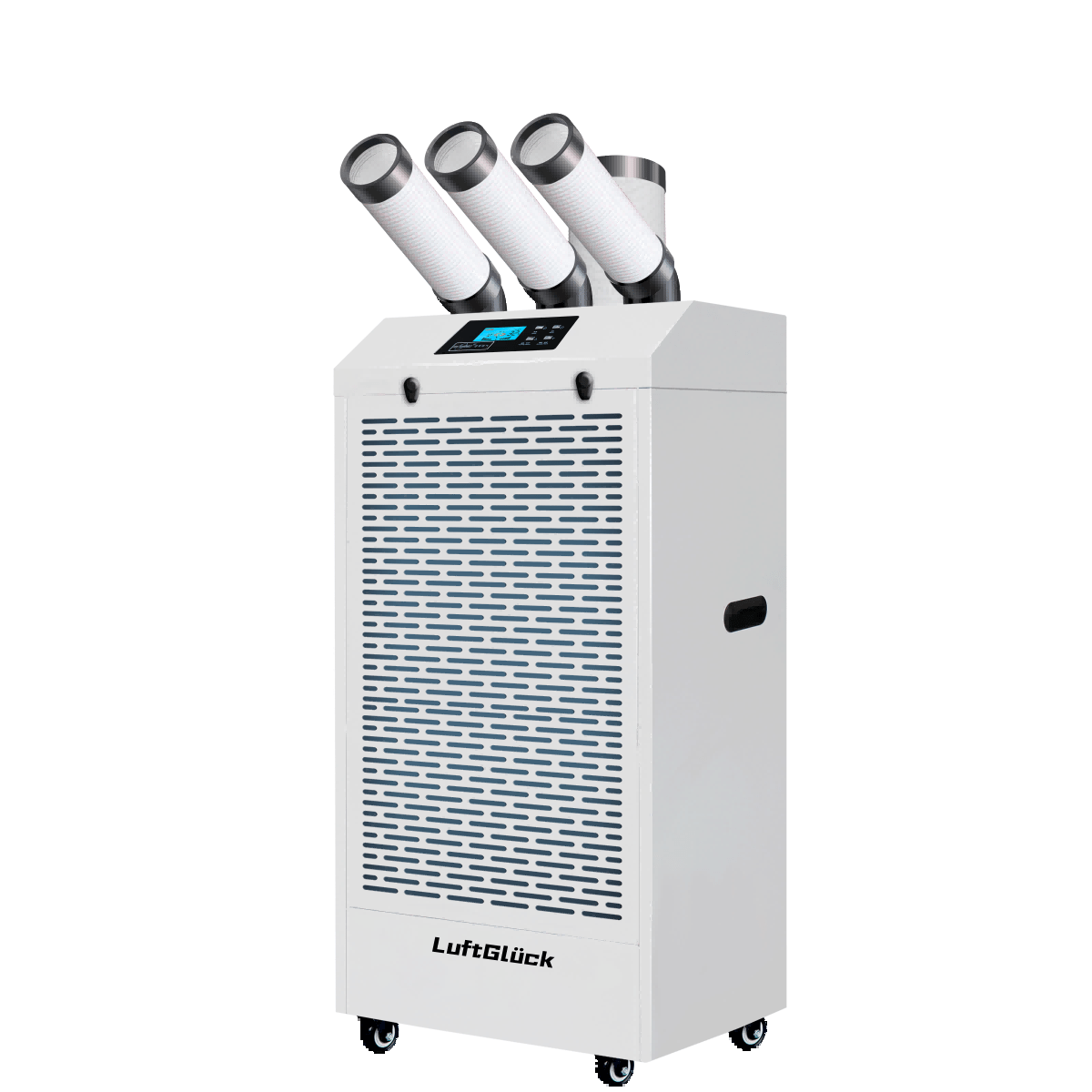
Energy Efficiency and Operational Economics
Modern portable air conditioner technology has evolved substantially, with contemporary models featuring improved energy efficiency ratings that reduce operational costs while maintaining effective humidity management. The ability to cool and dehumidify a single occupied room rather than conditioning an entire residence offers significant economic advantages, particularly in homes where family members gather primarily in common areas during peak heat hours. Variable-speed compressors and smart thermostats further optimize energy consumption by adjusting output to match real-time conditions rather than cycling continuously between full-power operation and complete shutdown.
The dehumidification benefit itself contributes to energy savings through enhanced perceived cooling. When a portable air conditioner reduces indoor humidity, occupants feel comfortable at higher thermostat settings compared to humid conditions requiring lower temperatures for equivalent comfort. This relationship allows users to set the unit several degrees warmer while maintaining satisfaction, directly reducing compressor runtime and electrical consumption. Over a typical cooling season, this efficiency multiplier can translate to measurable reductions in utility bills, partially offsetting the initial equipment investment while delivering superior environmental conditions.
Application Scenarios and Selection Considerations
Matching Unit Capacity to Room Requirements
Selecting an appropriately sized portable air conditioner requires careful assessment of both cooling load and humidity management needs. While BTU ratings indicate thermal capacity, dehumidification specifications measured in pints per day reveal moisture removal capability—a critical factor often overlooked during purchase decisions. Undersized units run continuously without achieving target conditions, while oversized models cycle too frequently, limiting runtime needed for effective moisture extraction. Climate zone significantly influences sizing requirements, with humid coastal or tropical locations demanding enhanced dehumidification capacity compared to arid inland regions where temperature control dominates.
Room characteristics including square footage, ceiling height, insulation quality, window orientation, and occupancy patterns all affect portable air conditioner performance. Spaces with large windows receiving direct sunlight impose greater cooling demands, while poor insulation allows treated air to escape and humid outdoor air to infiltrate, degrading efficiency. Accurate load calculation considers these variables alongside local climate data to identify optimal equipment specifications. Many manufacturers provide online calculators or sizing guides, though consultation with HVAC professionals ensures precise matching between equipment capabilities and application requirements, particularly for challenging installations or extreme environmental conditions.
Installation Flexibility and Mobility Advantages
The defining characteristic of a portable air conditioner—its mobility—provides unique advantages for managing humidity across multiple spaces or adapting to changing living arrangements. Unlike window units requiring seasonal installation and removal or central systems demanding ductwork and permanent infrastructure, portable models move effortlessly between rooms, following occupants to deliver comfort where needed most. This flexibility proves invaluable for renters, frequent movers, or homeowners addressing temporary situations like renovation projects displacing occupants to alternate spaces within the residence.
Setup simplicity represents another compelling advantage, with most portable air conditioner installations requiring only a nearby electrical outlet and a window or wall opening for the exhaust hose. This minimal infrastructure requirement enables immediate humidity relief without contractor involvement, permit applications, or structural modifications that complicate traditional cooling system installations. The reversibility of portable setups appeals to property managers and tenants alike, allowing climate control improvements without permanent alterations that might violate lease agreements or require restoration upon move-out.
Maintenance Practices for Sustained Dehumidification Performance
Filter Care and Airflow Preservation
Regular filter maintenance stands as the single most important task for preserving portable air conditioner efficiency and moisture removal capacity. Dust, lint, and airborne particles accumulate rapidly on intake filters, restricting airflow and reducing the volume of humid air reaching evaporator coils. Most manufacturers recommend biweekly filter inspection during peak usage periods, with cleaning or replacement as conditions dictate. Washable filters offer economic and environmental advantages, requiring only removal, rinsing with mild detergent, thorough drying, and reinstallation to restore optimal airflow characteristics.
Neglecting filter maintenance initiates a cascade of performance degradations affecting both cooling and dehumidification functions. Restricted airflow forces the compressor to work harder, increasing energy consumption while delivering diminished results. The evaporator coils may ice over when airflow becomes severely limited, completely halting operation until defrosting occurs. Beyond efficiency concerns, dirty filters circulate allergens and odors throughout conditioned spaces, negating the air quality benefits that proper portable air conditioner operation provides. Establishing a maintenance calendar with reminder notifications helps ensure consistent filter care that preserves equipment performance and longevity.
Drainage System Management and Condensate Handling
Proper condensate management prevents water damage and maintains continuous dehumidification capability in portable air conditioner systems. Units equipped with internal collection tanks require monitoring to prevent overflow, with full-tank indicators alerting users when emptying becomes necessary. High-humidity environments may necessitate multiple daily empties during peak conditions, making continuous drain configurations preferable for users seeking hands-off operation. Gravity drain kits route condensate to nearby sinks or floor drains through flexible tubing, eliminating manual intervention while ensuring uninterrupted moisture removal.
Some portable air conditioner models incorporate self-evaporation technology that uses exhaust heat to evaporate collected condensate, discharging it as vapor through the exhaust hose alongside warm air. This innovative approach eliminates drainage concerns entirely in moderate humidity conditions, though extremely humid environments may still produce condensate volumes exceeding evaporation capacity. Users should verify their specific model's condensate management system and follow manufacturer guidelines for optimal configuration, whether that involves regular tank emptying, continuous drain setup, or reliance on self-evaporation features appropriate to local climate conditions.
FAQ
How much moisture can a portable air conditioner remove daily?
Moisture removal capacity varies significantly based on unit size and design, with typical portable air conditioner models extracting between thirty and seventy pints of water per day under standard testing conditions. Actual performance depends on ambient humidity levels, room temperature, and operational settings. In extremely humid environments, even high-capacity units may struggle to achieve target moisture levels in oversized spaces, while properly matched equipment in moderate climates often exceeds rated specifications. Checking dehumidification ratings alongside cooling capacity ensures the selected portable air conditioner addresses both temperature and humidity concerns effectively.
Can a portable air conditioner replace a dedicated dehumidifier?
A portable air conditioner can effectively replace a standalone dehumidifier when cooling is simultaneously desired, making it an efficient dual-purpose solution during warm seasons. However, dedicated dehumidifiers often prove more economical for moisture control during cooler periods when additional cooling would create uncomfortable temperatures. Some portable air conditioner models offer dehumidification-only modes that run the fan and compressor without active cooling, providing year-round humidity management flexibility. Evaluating seasonal needs and climate patterns helps determine whether a single portable air conditioner meets all requirements or whether supplementary dehumidification equipment remains beneficial.
Why does my portable air conditioner produce less cooling in very humid weather?
High humidity reduces portable air conditioner efficiency because the unit must allocate significant energy to condensing moisture from incoming air before meaningful temperature reduction occurs. The phase change from water vapor to liquid requires substantial energy input, effectively diverting compressor capacity from pure temperature reduction. Additionally, humid air feels warmer than dry air at identical temperatures due to impaired evaporative cooling from skin surfaces, creating perception that the portable air conditioner performs inadequately even when operating within design specifications. Undersized units become particularly challenged in humid conditions, underscoring the importance of proper capacity selection based on comprehensive load calculations rather than square footage alone.
What maintenance prevents humidity-related portable air conditioner problems?
Preventing humidity-related issues requires consistent filter cleaning, regular condensate drainage system inspection, and periodic professional servicing to verify refrigerant charge and coil condition. Ensuring adequate clearance around air intake and exhaust vents maintains proper airflow critical for moisture extraction. Users should also inspect door and window seals to minimize humid outdoor air infiltration that overwhelms portable air conditioner capacity. Annual professional maintenance identifies developing problems before they escalate, preserving both cooling efficiency and dehumidification performance throughout the equipment's operational lifespan while preventing costly repairs resulting from neglected maintenance needs.