
 EN
EN
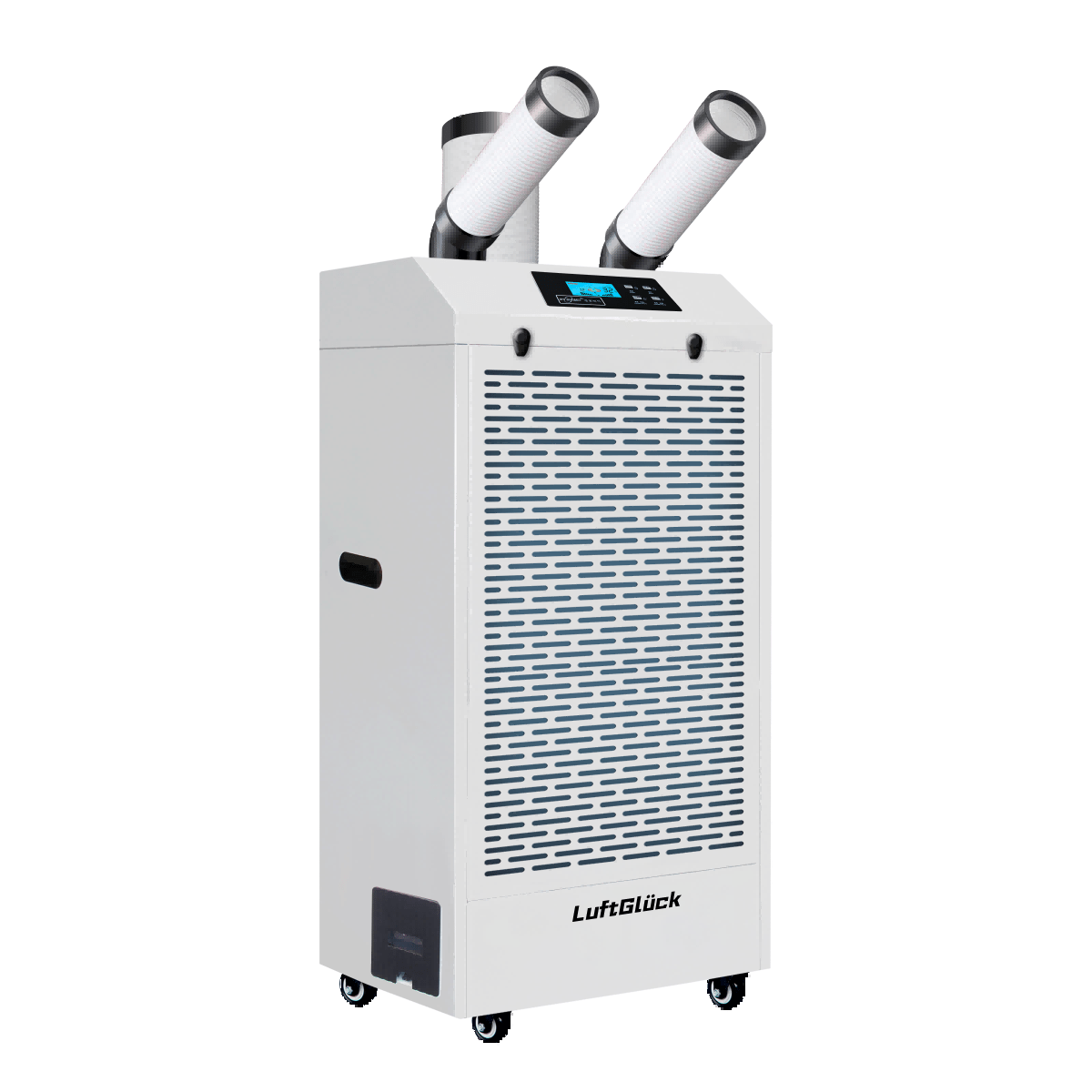
Seasonal temperature fluctuations challenge businesses and facility managers who need flexible, cost-effective climate control solutions. As summer heat intensifies or unexpected warm periods emerge during transitional seasons, maintaining comfortable indoor environments becomes critical for productivity, equipment protection, and customer satisfaction. A portable air conditioner offers a practical answer to these seasonal cooling demands, providing targeted temperature management without the commitment and expense of permanent HVAC modifications. Unlike fixed cooling systems, these mobile units adapt to changing space requirements, support temporary operations, and deliver immediate relief where traditional infrastructure falls short.
Understanding how a portable air conditioner supports seasonal cooling demands requires examining the specific mechanisms, deployment strategies, and operational advantages these systems provide throughout varying thermal conditions. From warehouses experiencing summer inventory surges to retail spaces needing supplemental cooling during peak shopping seasons, these versatile units bridge the gap between insufficient permanent cooling capacity and the prohibitive costs of system expansion. This comprehensive exploration reveals the technical capabilities, strategic implementation approaches, and practical benefits that make portable cooling equipment an essential component of seasonal climate management strategies across industrial, commercial, and specialized application environments.
Operational Mechanisms Supporting Variable Seasonal Loads
Rapid Deployment Capabilities for Immediate Temperature Response
The fundamental advantage of a portable air conditioner in addressing seasonal cooling demands lies in its immediate deployment capability. When temperatures rise unexpectedly or during planned warm seasons, facility managers face pressure to establish comfortable conditions quickly. Traditional HVAC installations require weeks of planning, permitting, and construction work, making them impractical for seasonal needs. Portable units eliminate these delays through plug-and-play functionality that delivers cooling within minutes of positioning and power connection. This rapid response capability proves particularly valuable when weather patterns deviate from historical norms or when business operations create sudden heat load increases.
The mobility inherent in these systems allows operators to relocate cooling capacity as seasonal demands shift across different facility zones. Manufacturing operations may generate concentrated heat in specific production areas during high-output summer months, while the same spaces require minimal cooling during cooler seasons. A portable air conditioner moves effortlessly between locations, following thermal loads rather than remaining fixed in permanent positions. This flexibility maximizes equipment utilization across the entire seasonal cycle, ensuring cooling resources deploy where conditions warrant intervention rather than sitting idle in spaces with adequate ambient temperatures.
Scalable Capacity Matching Thermal Load Variations
Seasonal cooling demands rarely remain constant, fluctuating with outdoor temperature changes, occupancy patterns, and operational intensity variations. Fixed HVAC systems typically size for peak load conditions, resulting in overcapacity during moderate periods and energy inefficiency. Portable cooling units support a scalable approach where facility managers deploy equipment quantities matching actual thermal requirements at any given time. During early summer or late season periods with moderate heat, a single unit might suffice for supplemental cooling. As temperatures peak during mid-summer, additional portable air conditioner units join the cooling strategy, creating a right-sized capacity that aligns with real-time demands.
This modular capacity approach extends beyond simple quantity adjustments to include strategic positioning optimization. Different facility zones experience varying heat gain patterns as seasons progress and solar angles change. South-facing spaces may require intensive cooling during summer afternoons, while north-facing areas remain comfortable. East and west orientations create morning and evening thermal challenges respectively. Portable equipment repositions throughout the day and across seasonal cycles, concentrating cooling output where solar gain, equipment operation, or occupancy creates the greatest thermal stress. This dynamic capacity allocation achieves superior comfort outcomes compared to static systems distributing cooling uniformly regardless of localized demand variations.
Energy Efficiency Through Targeted Application
Seasonal cooling efficiency improves dramatically when a portable air conditioner focuses cooling energy exclusively on occupied or thermally critical zones rather than conditioning entire facilities. Many commercial and industrial spaces contain areas requiring temperature control only during specific seasons or operational periods. Warehouses may need cooling in shipping areas during summer loading operations but not throughout entire storage volumes. Retail backrooms require climate control during inventory processing seasons but not year-round. Portable units deliver cooling precisely where and when needed, eliminating the energy waste associated with cooling unoccupied or thermally stable spaces.
The on-demand operation characteristic of portable cooling equipment further enhances seasonal energy efficiency. Rather than maintaining continuous operation throughout warm months regardless of actual thermal conditions, these units activate only when temperature thresholds require intervention. Cooler mornings, evenings, or cloudy periods during shoulder seasons often provide adequate natural cooling, allowing portable systems to remain idle and consume zero energy. This responsive operation pattern reduces overall seasonal energy consumption compared to central systems maintaining constant operation schedules. The cumulative energy savings across variable seasonal conditions often exceed fifty percent compared to continuously operating fixed infrastructure serving the same spaces.
Strategic Implementation Across Seasonal Cycles
Pre-Season Planning and Equipment Staging
Effective seasonal cooling support begins with anticipatory planning that positions a portable air conditioner resources ahead of thermal demand emergence. Facilities experiencing predictable seasonal patterns benefit from pre-positioning equipment in storage locations accessible for rapid deployment when conditions warrant. This proactive approach eliminates procurement delays and ensures cooling availability coincides with the onset of warm weather rather than lagging behind temperature increases. Maintenance activities including filter cleaning, refrigerant verification, and electrical system testing occur during off-season periods, guaranteeing equipment readiness when seasonal demands materialize.
Pre-season planning also encompasses capacity assessment that matches equipment quantities and specifications to anticipated thermal loads. Historical temperature data, planned operational intensity changes, and facility modification impacts inform equipment requirements. A distribution center planning a summer inventory expansion understands increased cooling demands will accompany higher product volumes and personnel counts. Securing adequate portable air conditioner capacity before peak season arrives prevents equipment shortages during critical operational periods. This forward-looking approach treats seasonal cooling as a planned infrastructure component rather than an emergency response to uncomfortable conditions.
Integration with Existing HVAC Infrastructure
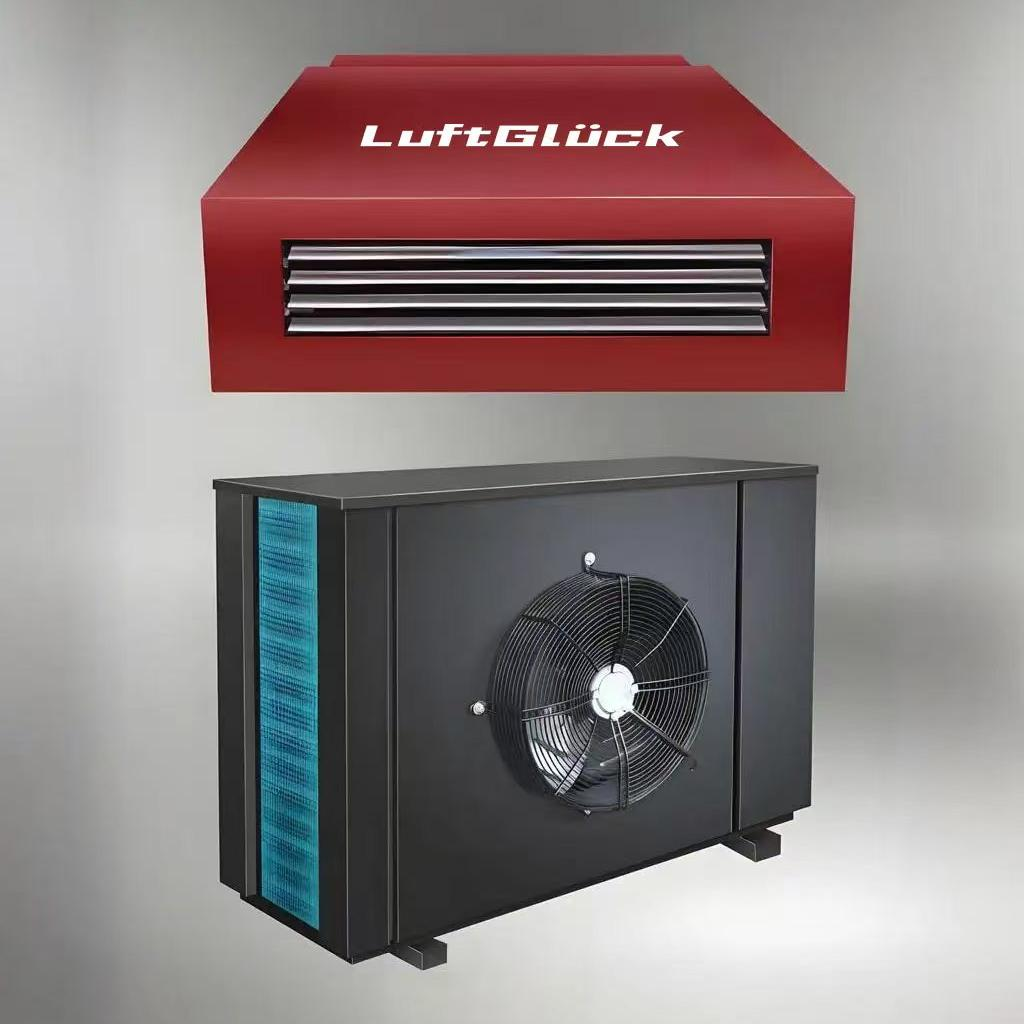
Portable cooling units function most effectively when deployed as supplemental capacity augmenting existing climate control systems rather than operating in isolation. Central HVAC infrastructure typically handles baseline cooling loads efficiently, but seasonal peaks or localized hot spots exceed design capacity. A portable air conditioner addresses these specific shortfalls without requiring permanent system expansion. This integrated approach maintains overall facility comfort through the primary HVAC system while deploying portable capacity strategically to eliminate problem areas that would otherwise compromise entire zone temperatures.
Coordination between portable and permanent cooling systems requires understanding airflow patterns, pressure relationships, and temperature distribution dynamics. Portable units positioned near return air intakes for central systems can create negative interactions reducing overall efficiency. Conversely, strategic placement that directs portable unit discharge air into high-heat areas while avoiding central system interference optimizes total cooling performance. Facility managers monitoring both system types adjust portable unit locations and settings to complement rather than compete with permanent infrastructure, achieving superior seasonal cooling outcomes through coordinated operation rather than independent parallel systems.
Transition Period Management
The shoulder seasons bracketing summer present unique cooling challenges where thermal demands fluctuate daily or even hourly. Spring and autumn periods feature warm afternoons requiring cooling intervention but cool mornings and evenings needing no climate control. A portable air conditioner excels during these transitional periods through flexible operation that responds to real-time conditions rather than fixed seasonal schedules. Equipment deploys during warm days and stores during comfortable periods, providing cooling support only when thermal conditions justify energy expenditure. This responsive approach prevents both the discomfort of inadequate cooling and the waste of unnecessary operation.
Transition period management also addresses the unpredictability inherent in seasonal weather patterns. Unexpected warm spells during typically mild months create temporary cooling demands that permanent systems sized for summer peak loads may not justify activating fully. Late season heat waves after central systems shut down for autumn create similar challenges. Portable equipment bridges these gaps, providing thermal relief during atypical weather events without requiring full seasonal system activation. This capability proves particularly valuable in regions experiencing increasing climate variability where historical seasonal patterns no longer reliably predict cooling requirements.
Application Scenarios Demonstrating Seasonal Support
Commercial Retail Environment Management
Retail operations experience pronounced seasonal cooling demands driven by customer traffic variations, extended operating hours, and merchandise-specific temperature requirements. Summer shopping periods generate heat loads far exceeding winter levels as increased customer counts, door openings, and longer daylight hours elevate internal temperatures. A portable air conditioner supplements permanent HVAC systems during these peak periods, maintaining comfortable shopping environments that encourage customer dwell time and purchase behavior. Strategic positioning near entry areas counters hot air infiltration while units in merchandise zones protect temperature-sensitive inventory from heat damage.
The flexibility of portable cooling equipment supports retail operational variations including seasonal store expansions, promotional events, and temporary pop-up locations. Summer sidewalk sales, outdoor demonstration areas, and temporary checkout stations all generate cooling demands beyond permanent system coverage. Portable units extend comfortable climate control to these temporary spaces without permanent infrastructure modifications. Similarly, retail stockrooms processing seasonal inventory influxes benefit from supplemental cooling during receiving and merchandising activities, then return portable equipment to storage during lower-volume periods. This adaptive capacity management aligns cooling resources with actual seasonal operational patterns.
Industrial Manufacturing Support
Manufacturing environments face seasonal cooling challenges compounded by process heat generation, equipment operation variations, and production schedule intensification during warmer months. Many production processes generate substantial thermal output that, when combined with elevated ambient summer temperatures, creates uncomfortable and potentially unsafe working conditions. A portable air conditioner provides targeted cooling in high-heat work zones where permanent HVAC systems cannot adequately address localized thermal concentrations. Welding stations, heat treatment areas, and equipment operation zones benefit from focused cooling that maintains operator comfort and protects temperature-sensitive components.
Seasonal production variations common in manufacturing sectors create fluctuating cooling demands that portable equipment addresses efficiently. Agricultural processing facilities experience peak operations during harvest seasons, food manufacturers intensify production during holiday periods, and consumer goods producers ramp output ahead of summer selling seasons. These operational surges generate corresponding thermal loads requiring supplemental cooling support. Rather than oversizing permanent HVAC infrastructure for seasonal peaks while accepting inefficiency during normal production periods, facilities deploy portable air conditioner capacity matching actual thermal requirements across the production cycle. This approach optimizes both comfort outcomes and operational costs throughout varying seasonal demands.
Event and Hospitality Applications
Hospitality venues and event spaces encounter extreme seasonal cooling demand variations as outdoor temperatures and event scheduling patterns shift throughout the year. Summer weddings, conferences, and outdoor events create concentrated cooling requirements during specific periods while winter months generate minimal demand. Permanent HVAC infrastructure sized for summer peak loads operates inefficiently during shoulder seasons and sits largely idle during winter. A portable air conditioner enables right-sized cooling capacity deployment matching actual seasonal event schedules and attendance levels. Multiple units support large summer gatherings while single units suffice for smaller spring and autumn events, optimizing equipment utilization across the entire seasonal cycle.
The mobility of portable cooling systems proves especially valuable for venues hosting events in multiple spaces throughout facilities. Summer garden receptions, outdoor ceremony areas, and open-air dining spaces all require cooling support unavailable from interior permanent systems. Portable units relocate between these diverse spaces as event schedules dictate, providing comfortable environments regardless of location. This flexibility eliminates the prohibitive cost of installing permanent cooling infrastructure in every potential event space while ensuring guest comfort across all seasonal programming. Post-event, equipment returns to storage until subsequent cooling demands emerge, maintaining asset value without consuming energy during idle periods.
Operational Best Practices for Seasonal Effectiveness
Maintenance Protocols Ensuring Readiness
Consistent maintenance practices determine whether a portable air conditioner delivers reliable seasonal cooling support or fails during critical demand periods. Pre-season inspection routines verify refrigerant charge levels, electrical connection integrity, airflow component cleanliness, and control system functionality. Filters require cleaning or replacement before seasonal deployment to ensure adequate airflow and cooling efficiency. Condensate management systems need verification to prevent water accumulation issues during high-humidity operation periods. These preparatory maintenance activities identify and resolve potential problems before equipment enters active service, preventing mid-season failures that leave facilities without adequate cooling capacity.
Ongoing maintenance during active seasonal operation sustains performance levels and extends equipment service life. Regular filter inspections during peak usage periods prevent airflow restrictions that reduce cooling capacity and increase energy consumption. Condensate drain monitoring ensures proper moisture removal without overflow issues that could damage flooring or create slip hazards. Periodic temperature output verification confirms units maintain design cooling capacity rather than gradually declining due to refrigerant loss or component degradation. These in-season maintenance practices preserve the cooling effectiveness that justifies portable air conditioner deployment as seasonal support infrastructure. Post-season cleaning and protected storage prepares equipment for subsequent deployment cycles, maintaining asset value across multiple years of seasonal service.
Positioning Optimization for Maximum Impact
Equipment placement significantly influences how effectively a portable air conditioner addresses seasonal cooling demands. Optimal positioning considers heat source locations, airflow patterns, occupancy zones, and electrical power availability. Units positioned near heat-generating equipment or sun-exposed areas provide the greatest thermal impact by addressing primary heat gain sources. Conversely, placement in already cool locations wastes cooling capacity on spaces not requiring intervention. Strategic positioning concentrates cooling output where thermal stress is greatest, maximizing comfort improvement per unit of cooling capacity deployed.
Airflow optimization ensures cooled air reaches occupied zones rather than escaping through open doors, rising to unused ceiling spaces, or circulating in unoccupied areas. Portable air conditioner discharge positioning should direct airflow across work areas, customer zones, or heat-sensitive equipment rather than toward walls or corners where cooling benefits dissipate. Barriers, partitions, or temporary enclosures help contain cooled air within target zones, improving cooling effectiveness without increasing equipment capacity. Periodic repositioning as space usage patterns change throughout seasonal cycles maintains optimal cooling delivery aligned with evolving thermal demands. This active management approach treats portable equipment as dynamic infrastructure requiring regular adjustment rather than set-and-forget installations.
Capacity Right-Sizing for Efficiency
Matching portable air conditioner capacity to actual seasonal thermal loads prevents both inadequate cooling from undersized equipment and energy waste from oversized units. Capacity assessment considers space volume, occupancy levels, equipment heat generation, building insulation characteristics, and outdoor temperature conditions. A unit delivering excessive capacity for actual thermal loads cycles frequently between operation and standby modes, reducing efficiency and increasing wear. Conversely, undersized equipment runs continuously without achieving target temperatures, failing to provide adequate seasonal cooling support while consuming maximum energy. Proper capacity selection balances cooling delivery with actual demand characteristics.
Seasonal demand variations often warrant deploying different capacity equipment as thermal loads change. Early and late season periods with moderate temperatures may require smaller portable air conditioner units providing proportional cooling for lower thermal stress conditions. Peak summer periods justify larger capacity equipment or multiple units addressing maximum seasonal demands. This variable capacity approach maintains appropriate cooling delivery throughout the seasonal cycle without fixed commitment to either undersized equipment inadequate for peak demands or oversized capacity wasteful during moderate periods. Facilities maintaining diverse equipment inventories optimize seasonal cooling support by matching specific units to particular demand profiles throughout the thermal cycle.
FAQ
What capacity portable air conditioner does a typical commercial space need for seasonal cooling?
Capacity requirements vary significantly based on space volume, insulation quality, occupancy levels, and equipment heat generation. As a general guideline, commercial spaces need approximately 20 to 25 BTU per square foot for adequate seasonal cooling. A 500-square-foot retail area would require roughly 10,000 to 12,500 BTU capacity. Spaces with high ceilings, poor insulation, significant window areas, or heat-generating equipment need higher capacity ratios, potentially reaching 30 to 35 BTU per square foot. Conducting a proper heat load calculation considering all thermal factors ensures appropriate capacity selection that delivers effective seasonal cooling without oversizing.
How does seasonal humidity affect portable air conditioner performance?
High humidity during summer months impacts cooling performance by reducing the temperature differential equipment can achieve and increasing condensate removal requirements. Humid conditions force portable units to dedicate significant cooling capacity to moisture removal rather than temperature reduction, potentially decreasing sensible cooling output by fifteen to twenty-five percent compared to dry conditions. Proper condensate management becomes critical during humid seasonal periods to prevent water accumulation and maintain continuous operation. Spaces with high humidity levels may require larger capacity equipment or supplemental dehumidification to achieve comfortable conditions during peak summer humidity periods.
Can portable air conditioners operate continuously throughout entire summer seasons?
Quality portable air conditioner units designed for commercial applications support continuous operation throughout extended seasonal periods when properly maintained. Residential-grade equipment typically has duty cycle limitations unsuitable for continuous commercial use. Industrial and commercial-grade portable units feature enhanced compressor designs, robust electrical components, and superior heat exchangers enabling sustained operation across entire summer seasons. Regular maintenance including filter cleaning, condensate system monitoring, and airflow verification ensures reliable continuous performance. Even commercial-grade equipment benefits from periodic rest cycles when thermal conditions permit, extending component service life while maintaining adequate seasonal cooling support.
What power requirements do seasonal cooling applications demand from portable equipment?
Most commercial portable air conditioner units require standard 208-230V electrical service with dedicated circuits providing adequate amperage for compressor startup and continuous operation. Typical units draw between 10 and 15 amps during operation, necessitating 15 to 20-amp circuit protection. Larger capacity equipment may require 20 to 30-amp circuits. Facilities should verify electrical infrastructure can support portable cooling equipment before seasonal deployment, ensuring adequate circuit capacity exists in areas where units will operate. Voltage stability and proper grounding prove essential for reliable seasonal performance, as electrical inconsistencies cause compressor failures and control system malfunctions that interrupt cooling during critical demand periods.
Table of Contents
- Operational Mechanisms Supporting Variable Seasonal Loads
- Strategic Implementation Across Seasonal Cycles
- Application Scenarios Demonstrating Seasonal Support
- Operational Best Practices for Seasonal Effectiveness
-
FAQ
- What capacity portable air conditioner does a typical commercial space need for seasonal cooling?
- How does seasonal humidity affect portable air conditioner performance?
- Can portable air conditioners operate continuously throughout entire summer seasons?
- What power requirements do seasonal cooling applications demand from portable equipment?