
 EN
EN
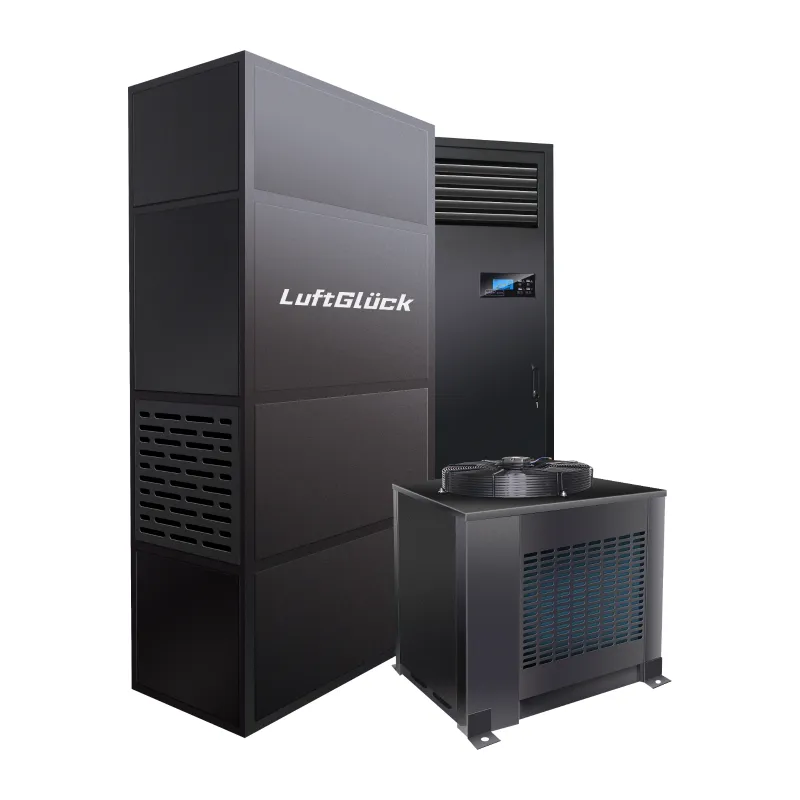
Selecting the right portable air conditioner for your home or workspace requires careful consideration of multiple technical and practical factors that directly impact cooling performance, energy efficiency, and user satisfaction. Unlike traditional fixed HVAC systems, a portable air conditioner offers flexibility and convenience, but not all units deliver the same level of cooling capacity, noise control, or operational efficiency. Understanding which features genuinely matter helps buyers avoid overspending on unnecessary specifications while ensuring they invest in a unit that meets their specific environmental conditions and comfort requirements.
The decision to purchase a portable air conditioner should be guided by a clear understanding of room size compatibility, BTU rating accuracy, energy consumption patterns, drainage mechanisms, noise output, and portability design. Many buyers focus solely on cooling power, overlooking critical aspects such as dehumidification capability, air filtration quality, programmable controls, and ease of installation. This article examines the most important features that differentiate high-performing portable air conditioner models from substandard options, providing practical guidance for residential users, small office managers, and facility professionals who need reliable climate control without permanent installation commitments.
Cooling Capacity and BTU Rating
Understanding BTU Requirements for Different Room Sizes
The British Thermal Unit rating of a portable air conditioner serves as the primary indicator of its cooling capacity, representing the amount of heat the unit can remove from a space per hour. For rooms between 150 and 250 square feet, a unit rated between 7,000 and 9,000 BTU typically provides adequate cooling, while spaces ranging from 300 to 400 square feet require models in the 10,000 to 12,000 BTU range. Oversizing leads to short cycling, inadequate dehumidification, and inefficient energy use, whereas undersizing results in continuous operation without achieving desired temperature levels. Room characteristics such as ceiling height, insulation quality, window exposure, and heat-generating equipment must be factored into BTU calculations to ensure optimal performance.
ASHRAE vs SACC Rating Standards
Modern portable air conditioner units are now evaluated using the Seasonally Adjusted Cooling Capacity standard established by the Department of Energy, which provides a more realistic performance measurement than traditional ASHRAE ratings. The SACC metric accounts for heat infiltration through exhaust hoses and real-world installation conditions, typically resulting in ratings 20 to 30 percent lower than manufacturer-stated ASHRAE figures. Buyers should prioritize SACC values when comparing models to ensure they select a unit with genuine cooling capacity appropriate for their intended space. This standardized measurement helps eliminate misleading marketing claims and enables more accurate side-by-side comparisons across different brands and product lines.
Climate Zone Considerations
Geographic location and local humidity levels significantly influence the effective performance of a portable air conditioner, particularly in regions with high ambient temperatures exceeding 95 degrees Fahrenheit. Units operating in hot, humid climates work harder to remove both sensible and latent heat, reducing their effective cooling capacity and increasing energy consumption. Dual-hose configurations perform better in extreme conditions by drawing intake air from outside rather than depleting conditioned indoor air, maintaining more consistent cooling output throughout peak summer months. Understanding the relationship between outdoor temperature, indoor load, and unit capacity helps buyers select appropriately rated equipment that maintains comfort without constant maximum-power operation.
Energy Efficiency and Operating Cost
EER and CEER Performance Metrics
The Energy Efficiency Ratio of a portable air conditioner indicates how many BTUs of cooling are produced per watt of electricity consumed, with higher values representing more efficient operation and lower ongoing costs. The Combined Energy Efficiency Ratio incorporates standby power consumption and provides a more comprehensive assessment of total energy use across various operating modes. Modern high-efficiency portable air conditioner models achieve CEER ratings above 9.0, translating to annual energy savings of 30 to 40 percent compared to older units rated below 7.5. For users operating their cooling equipment extensively during summer months, selecting an energy-efficient model can recover the initial price premium within two to three cooling seasons through reduced electricity bills.
Variable Speed Compressor Technology
Advanced portable air conditioner units equipped with inverter-driven variable speed compressors modulate cooling output to match thermal load requirements rather than cycling on and off at fixed capacity. This technology maintains more stable indoor temperatures, reduces humidity fluctuations, decreases noise during low-demand periods, and significantly improves overall energy efficiency compared to traditional single-speed designs. Variable speed operation eliminates the energy waste associated with frequent compressor starts and stops, which represent the most power-intensive moments of the cooling cycle. The incremental cost of inverter technology typically ranges from 15 to 25 percent above comparable fixed-speed models but delivers measurable comfort improvements and operational savings throughout the unit's service life.
Programmable Timer and Smart Controls
Integrated programmable timers allow users to schedule a portable air conditioner to operate only during occupied hours or to pre-cool spaces before arrival, minimizing unnecessary runtime and associated energy consumption. Advanced models feature Wi-Fi connectivity and smartphone app integration, enabling remote monitoring, temperature adjustment, and usage tracking from any location. Smart control capabilities facilitate more sophisticated energy management strategies, such as integration with time-of-use electricity pricing to shift cooling loads away from peak rate periods. These features provide both convenience and cost optimization, particularly valuable for users with variable occupancy patterns or those seeking to minimize their environmental footprint without sacrificing thermal comfort.
Drainage System Design and Maintenance
Self-Evaporating vs Manual Drainage
The condensate management system of a portable air conditioner directly affects user convenience and maintenance requirements throughout the cooling season. Self-evaporating designs use waste heat from the condenser to vaporize collected moisture and expel it through the exhaust hose, eliminating the need for manual drainage in most operating conditions. Manual drainage models require periodic emptying of internal collection tanks, typically every 8 to 12 hours depending on humidity levels and unit capacity. Some hybrid systems combine partial evaporation with overflow tank backup, providing convenience during moderate conditions while preventing shutdown during periods of extreme humidity when evaporation alone cannot manage condensate volume.
Continuous Drain Connection Options
For users operating a portable air conditioner in consistently humid environments or basement applications, continuous drain capability becomes essential to prevent frequent manual intervention. Units equipped with gravity drain ports allow connection of standard garden hoses to direct condensate to floor drains, utility sinks, or outdoor discharge points. This feature proves particularly valuable in commercial settings, data centers, server rooms, and residential basements where ambient humidity remains elevated and condensate production exceeds typical evaporation rates. The availability of multiple drainage options provides operational flexibility and ensures uninterrupted cooling performance regardless of environmental conditions or installation locations.
Tank Full Indicator and Auto-Shutoff
Reliable portable air conditioner models incorporate tank full detection systems that automatically shut down compressor operation before overflow occurs, protecting floors and furnishings from water damage. Visual indicators, audible alarms, or both alert users when drainage is required, preventing unexpected cooling interruptions during critical periods. The capacity of internal collection tanks varies significantly across models, ranging from less than one pint to over two gallons, directly affecting the frequency of required maintenance. Users should evaluate their tolerance for drainage tasks and select units with appropriate tank capacity or self-evaporating technology that aligns with their maintenance preferences and typical operating conditions.
Noise Level and Acoustic Performance
Decibel Ratings and Operational Noise
The sound output of a portable air conditioner significantly impacts user comfort, particularly in bedroom, office, or living space applications where excessive noise interferes with sleep, concentration, or conversation. Manufacturer specifications typically list noise levels in decibels measured at a standard distance, with quality units producing between 45 and 52 dB during normal operation, comparable to moderate rainfall or quiet office environments. Budget models often exceed 60 dB, approaching the loudness of ordinary conversation and potentially causing disturbance during nighttime use. The compressor, fan motor, and airflow through the exhaust system all contribute to overall acoustic output, with dual-hose designs sometimes producing lower indoor noise by isolating condenser airflow from living spaces.
Sleep Mode and Night Operation
Advanced portable air conditioner models feature dedicated sleep modes that reduce fan speed, dim display panels, and implement gradual temperature adjustments to maintain comfort without disturbing rest. These specialized operating programs typically decrease noise output by 3 to 5 decibels compared to standard cooling modes while implementing algorithms that account for reduced metabolic heat production during sleep. Some units incorporate motion sensors or occupancy detection to automatically activate quiet operation when the space is occupied and return to normal mode when unoccupied. For bedroom applications, sleep mode functionality represents a critical feature that distinguishes premium models from basic alternatives, directly affecting user satisfaction and willingness to operate the unit during nighttime hours.
Vibration Isolation and Placement Considerations
The mechanical vibration transmitted through a portable air conditioner chassis to the floor surface can amplify perceived noise and create disturbances throughout multi-story structures. Quality units incorporate rubber isolation feet, dampened compressor mounts, and balanced fan assemblies to minimize vibration transmission and associated acoustic resonance. Placement on solid, level surfaces rather than hollow floors, proximity to furniture that can act as sounding boards, and distance from walls all influence the subjective noise experience independent of the unit's inherent sound output. Users sensitive to operational noise should evaluate actual sound performance in conditions similar to their intended installation environment rather than relying solely on manufacturer specifications, which are measured under controlled laboratory conditions.
Installation Flexibility and Portability Features
Window Kit Compatibility and Venting Options
The exhaust venting system of a portable air conditioner determines installation feasibility across different window types, building configurations, and seasonal use scenarios. Standard window kits accommodate sliding windows between 20 and 60 inches in width, while specialized adapters enable installation in casement windows, sliding glass doors, drop ceilings, and through-wall applications. The diameter and length of exhaust hoses affect both installation flexibility and cooling efficiency, with shorter, larger-diameter hoses minimizing back pressure and heat infiltration. Dual-hose configurations require two window penetrations but deliver superior performance by separating intake and exhaust airflows, eliminating the negative pressure conditions that reduce single-hose efficiency.
Caster Design and Maneuverability
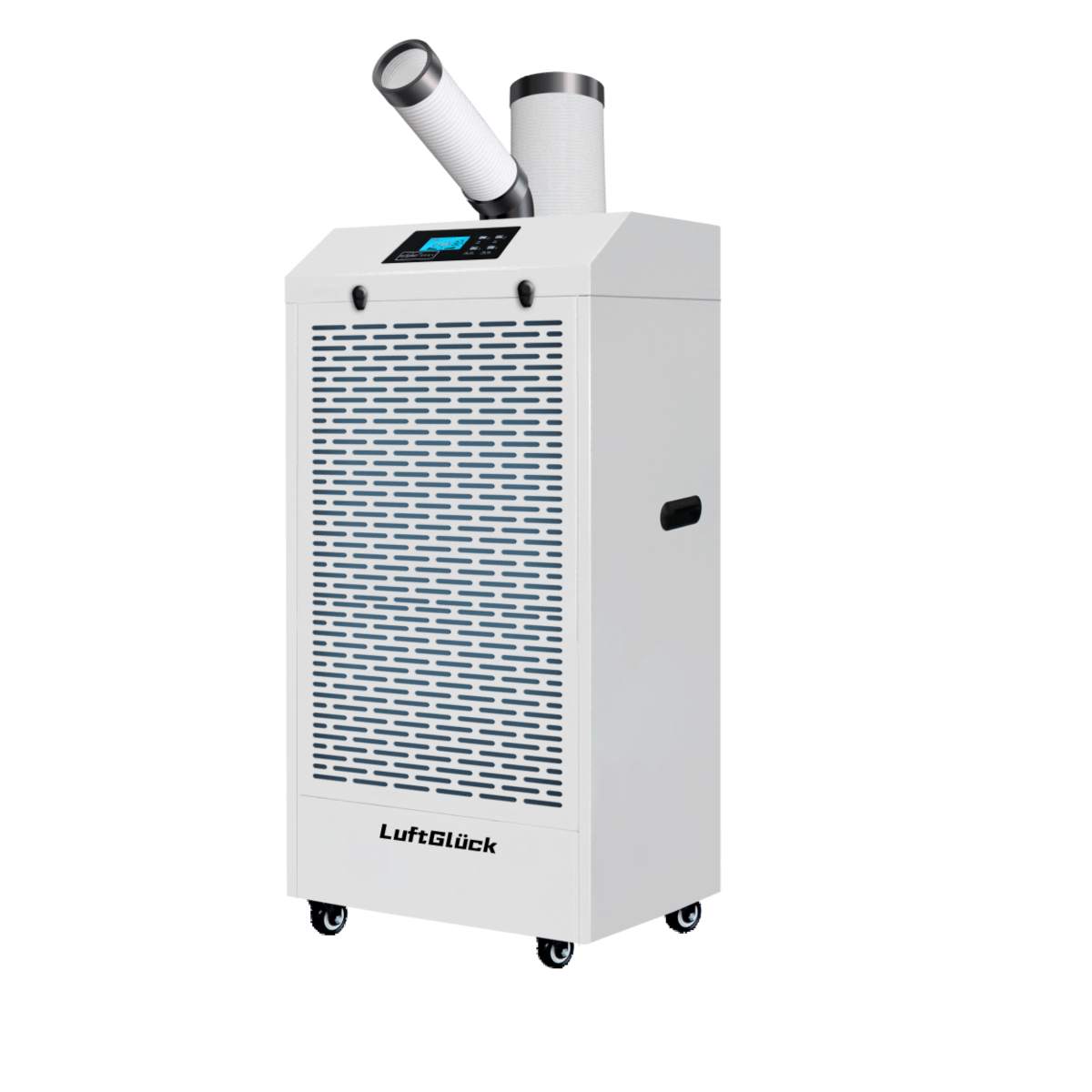
True portability requires more than compact dimensions; a portable air conditioner must incorporate robust casters, integrated handles, and balanced weight distribution to enable safe relocation between rooms without excessive physical effort. Quality units feature large-diameter wheels that navigate carpet transitions, doorway thresholds, and uneven surfaces without binding or tipping. Recessed or side-mounted handles positioned at comfortable grip heights facilitate controlled movement and prevent strain during repositioning. Weight considerations become particularly important for users who plan frequent relocation, with lighter models in the 50 to 60 pound range offering better mobility than heavier units exceeding 80 pounds, though lighter weight sometimes correlates with reduced build quality or cooling capacity.
Power Requirements and Electrical Compatibility
Standard residential electrical circuits rated at 15 amperes and 120 volts typically support portable air conditioner models up to approximately 12,000 BTU capacity without requiring dedicated wiring or circuit upgrades. Higher-capacity units may require 20-ampere circuits or 240-volt power, limiting installation locations to spaces with appropriate electrical infrastructure. The inclusion of three-prong grounded plugs and LCDI safety technology protects against electrical hazards and ensures code compliance in most jurisdictions. Users should verify that their intended installation location provides adequate electrical capacity and proper grounding before purchasing higher-output models to avoid nuisance circuit breaker trips, voltage drops that reduce cooling performance, or the need for costly electrical system modifications.
Air Quality and Supplementary Functions
Integrated Filtration Systems
Beyond temperature control, many portable air conditioner units incorporate air filtration components that capture dust, pollen, pet dander, and other airborne particles during normal cooling operation. Washable mesh pre-filters protect internal components from large debris accumulation while activated carbon filters reduce odors and volatile organic compounds. Higher-end models feature HEPA-grade filtration capable of capturing particles as small as 0.3 microns, providing meaningful air quality improvements for allergy sufferers or users in urban environments with elevated outdoor pollution levels. Filter maintenance requirements vary significantly, with washable permanent filters offering lower ongoing costs but requiring regular cleaning, while replaceable filters ensure consistent performance but add to operational expenses.
Dehumidification Capacity and Control
The ability of a portable air conditioner to remove excess moisture from indoor air contributes substantially to perceived comfort, particularly in humid climates where latent heat represents a significant portion of total cooling load. Quality units remove between 50 and 100 pints of moisture per day while operating in cooling mode, with some models offering dedicated dehumidification-only operation for shoulder seasons when full cooling is unnecessary. Independent humidity control allows users to maintain optimal indoor relative humidity levels between 40 and 50 percent, which inhibits mold growth, reduces dust mite populations, and improves overall indoor air quality. The dehumidification performance of single-hose portable air conditioner designs may be compromised by the negative pressure they create, which can draw humid outdoor air into the conditioned space through building envelope leaks.
Fan-Only and Ventilation Modes
Multi-mode operation extends the utility of a portable air conditioner beyond peak cooling season, enabling year-round use as a supplementary ventilation device or air circulation system. Fan-only modes provide air movement without compressor operation, consuming minimal electricity while improving perceived comfort through enhanced evaporative cooling from skin surfaces. Some advanced models incorporate fresh air intake capabilities that introduce filtered outdoor air when ambient conditions are favorable, reducing reliance on mechanical cooling while maintaining indoor air quality. These supplementary functions increase the practical value of the investment by providing comfort benefits and energy savings during moderate weather conditions when full air conditioning capacity exceeds actual requirements.
FAQ
How do I determine the correct BTU rating for my specific room?
Calculate the square footage of your room by multiplying length by width, then apply the general guideline of 20 BTU per square foot as a baseline. Adjust this figure upward by 10 percent for rooms with high ceilings above 8 feet, add 4,000 BTU for kitchens due to heat-generating appliances, and increase capacity by 10 percent for spaces with substantial sun exposure. For rooms with multiple occupants or significant electronic equipment, add approximately 600 BTU per person beyond two occupants and account for heat output from computers, televisions, and other devices. These adjustments ensure your portable air conditioner maintains comfortable temperatures without excessive runtime or inadequate cooling performance during peak demand periods.
What maintenance tasks are required to keep a portable air conditioner operating efficiently?
Regular maintenance for a portable air conditioner includes cleaning or replacing air filters every two weeks during periods of heavy use, inspecting and cleaning exhaust hoses annually to remove accumulated lint and debris, and ensuring drainage systems function properly to prevent water accumulation. At the beginning of each cooling season, inspect the window installation kit for proper seal and weather stripping integrity, clean the exterior cabinet and air intake grilles, and verify that caster wheels rotate freely for easy movement. For units with washable filters, thorough rinsing with clean water and complete drying before reinstallation prevents mold growth and maintains optimal airflow. Professional servicing every two to three years helps identify refrigerant leaks, compressor issues, or electrical problems before they result in complete system failure.
Can a portable air conditioner effectively cool multiple rooms or open floor plans?
A portable air conditioner works most effectively in the single room where it is installed, with cooling capacity diminishing rapidly in adjacent spaces due to doorway restrictions, air mixing with unconditioned areas, and increased thermal load. Open floor plans without interior doors may allow some cooling distribution, but the unit must be sized for the entire open area rather than individual room dimensions to achieve satisfactory performance. For multi-room cooling, either multiple portable air conditioner units or a central HVAC system provides more reliable and efficient climate control than attempting to cool distant spaces with a single portable unit. Strategic placement near central locations and use of fans to promote air circulation can extend effective cooling range somewhat, but fundamental thermodynamic principles limit the practical cooling area for any portable air conditioner to the immediate space where heat extraction occurs.
Are dual-hose portable air conditioners worth the additional cost compared to single-hose models?
Dual-hose portable air conditioner designs deliver measurably superior performance by drawing condenser cooling air from outside rather than depleting conditioned indoor air, eliminating the negative pressure that reduces single-hose efficiency by 20 to 30 percent. This configuration maintains more consistent indoor temperatures, reduces infiltration of hot outdoor air through building envelope leaks, and provides faster initial cooldown when first activated. The additional cost for dual-hose models typically ranges from 100 to 200 dollars above comparable single-hose units, an investment that recovers through improved energy efficiency and cooling effectiveness over two to three seasons of regular use. For users in hot climates, larger spaces, or applications requiring reliable performance, dual-hose technology represents a worthwhile upgrade that addresses fundamental inefficiencies inherent in single-hose portable air conditioner designs.
Table of Contents
- Cooling Capacity and BTU Rating
- Energy Efficiency and Operating Cost
- Drainage System Design and Maintenance
- Noise Level and Acoustic Performance
- Installation Flexibility and Portability Features
- Air Quality and Supplementary Functions
-
FAQ
- How do I determine the correct BTU rating for my specific room?
- What maintenance tasks are required to keep a portable air conditioner operating efficiently?
- Can a portable air conditioner effectively cool multiple rooms or open floor plans?
- Are dual-hose portable air conditioners worth the additional cost compared to single-hose models?