
 EN
EN
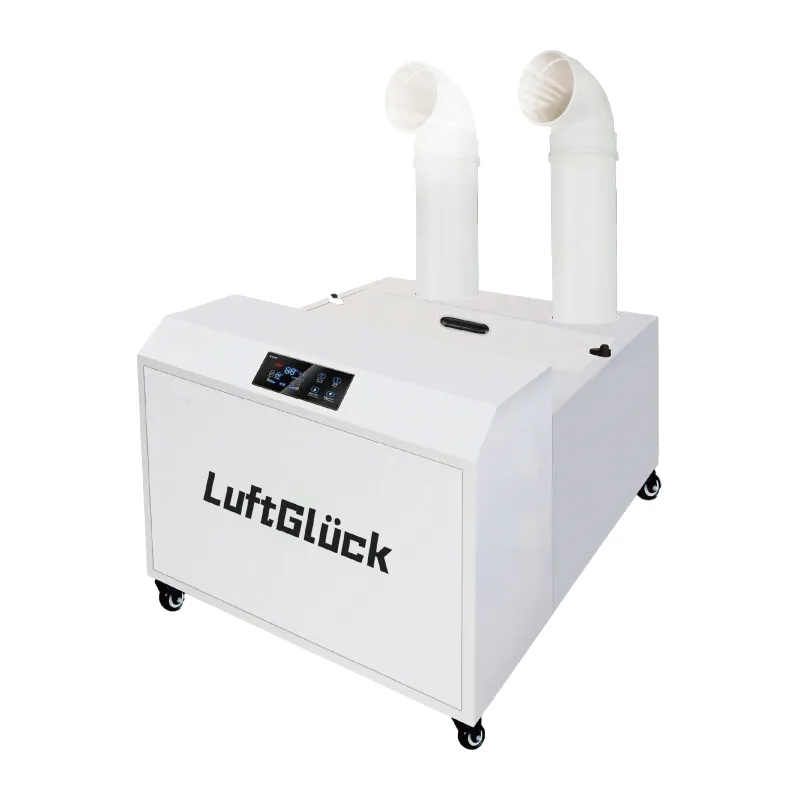
Cold-chain logistics centers face a constant challenge that directly impacts product quality, operational efficiency, and profitability: maintaining precise humidity levels throughout temperature-controlled environments. As perishable goods move through refrigerated warehouses, distribution centers, and transit facilities, even minor fluctuations in moisture content can trigger spoilage, weight loss, packaging damage, and compromised freshness. The question of why these facilities overwhelmingly choose ultrasonic humidifier systems over traditional humidification technologies isn't simply about preference—it's about addressing specific operational demands that define success in cold-chain management. Understanding the technical, economic, and practical reasons behind this choice reveals how ultrasonic humidification has become the industry standard for protecting high-value temperature-sensitive inventory.
The preference for ultrasonic humidifier technology in cold-chain facilities stems from a convergence of factors that align perfectly with the unique requirements of refrigerated storage and distribution. Unlike conventional humidification methods that introduce heat, consume excessive energy, or create uneven moisture distribution, an ultrasonic humidifier operates through high-frequency vibration that transforms water into an ultra-fine mist without thermal input. This fundamental operational difference addresses critical concerns about temperature stability, energy consumption, microbial control, and maintenance demands that plague alternative systems. For logistics managers responsible for millions of dollars in perishable inventory, the decision to implement ultrasonic humidification represents a strategic investment in product preservation, operational efficiency, and long-term cost control that directly impacts bottom-line performance.
The Critical Role of Humidity Control in Cold-Chain Operations
Why Moisture Management Defines Product Quality
Cold-chain logistics centers exist to preserve product integrity through controlled temperature environments, yet temperature alone cannot prevent quality degradation. Refrigerated air inherently holds less moisture than ambient air, creating a constant vapor pressure differential that draws moisture from stored products into the surrounding atmosphere. This phenomenon, known as transpiration in fresh produce and moisture migration in packaged goods, leads to weight loss, texture changes, wilting, and accelerated aging that diminish both visual appeal and nutritional value. An ultrasonic humidifier counteracts this moisture deficit by replenishing the air with fine water particles that maintain relative humidity levels between sixty and ninety-five percent, depending on product requirements. Without adequate humidification, facilities experience shrinkage losses that can exceed three to five percent of total product weight, representing significant financial impact when managing high-volume operations.
The relationship between humidity control and cold-chain performance extends beyond simple moisture retention. Optimal humidity levels create a microclimate that slows respiration rates in fresh produce, reduces freezer burn in frozen goods, prevents packaging materials from becoming brittle, and minimizes static electricity that can damage sensitive electronic components in pharmaceutical cold-chain applications. An ultrasonic humidifier system delivers these benefits without introducing the temperature fluctuations that compromise the fundamental purpose of refrigerated storage. Traditional steam injection systems add heat that forces cooling equipment to work harder, while evaporative systems struggle to achieve target humidity levels in low-temperature environments. The ability of ultrasonic technology to maintain precise humidity without thermal interference explains why cold-chain operators view it as essential infrastructure rather than optional enhancement.
Understanding the Economic Impact of Moisture Loss
Financial considerations drive every operational decision in cold-chain logistics, and moisture loss represents a direct, measurable cost that affects profitability across multiple dimensions. When fresh produce loses weight through dehydration, facilities pay transportation costs for water that evaporates before reaching customers, effectively shipping air at refrigerated rates. The installation of an ultrasonic humidifier system reduces this shrinkage, preserving product weight that translates directly to revenue protection. Industry studies demonstrate that proper humidity control can reduce weight loss from three percent down to less than one percent, generating substantial financial returns on humidification investments. For a facility handling ten million pounds of produce annually, a two percent reduction in shrinkage equates to two hundred thousand pounds of product saved, representing hundreds of thousands of dollars in recovered revenue.
Beyond direct weight preservation, an ultrasonic humidifier contributes to cost savings through extended shelf life, reduced product rejection rates, enhanced visual quality that supports premium pricing, and decreased claims from customers receiving substandard goods. When products maintain optimal moisture content throughout the cold chain, they arrive at retail locations with better appearance, longer remaining shelf life, and higher consumer acceptance. This quality advantage strengthens customer relationships, reduces returns, and supports contract renewals that depend on consistent delivery of specification-grade products. The economic justification for ultrasonic humidification extends throughout the entire value chain, from reduced shrinkage at the warehouse level to improved market performance at the retail endpoint, creating compounding financial benefits that far exceed the initial equipment investment.
Why Ultrasonic Technology Outperforms Alternative Humidification Methods
The Technical Advantages of Ultrasonic Atomization
The operational principle of an ultrasonic humidifier provides inherent advantages that align precisely with cold-chain requirements. High-frequency vibration—typically operating at frequencies above one megahertz—breaks water molecules into particles measuring one to five microns in diameter, creating a fog-like mist that disperses evenly throughout refrigerated spaces. This ultra-fine particle size allows the mist to remain suspended in air currents longer than larger droplets, ensuring thorough distribution without creating wet surfaces or condensation puddles that promote microbial growth. The lack of heat generation during atomization preserves temperature stability, eliminating the energy waste and temperature cycling that occur when steam-based systems inject hot moisture into cold environments. For cold-chain operators managing tight temperature tolerances, this isothermal humidification represents a fundamental operational advantage that protects product integrity while minimizing cooling system load.
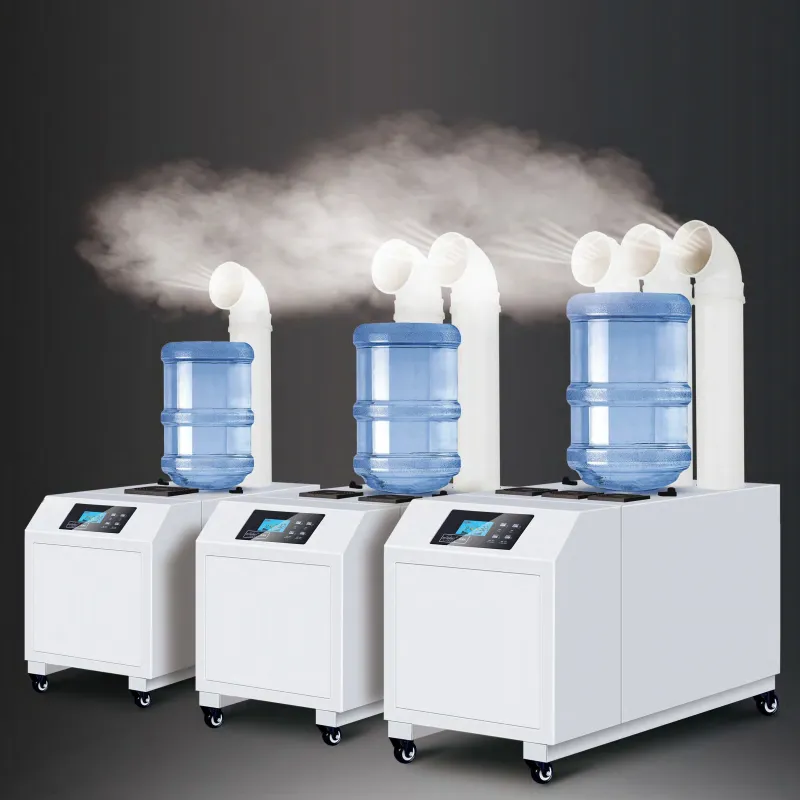
The energy efficiency of ultrasonic humidifier technology delivers substantial operational cost savings compared to alternative humidification methods. Steam generation systems require significant energy input to boil water, consuming approximately three thousand BTUs per pound of moisture produced, while ultrasonic systems use only the electricity needed to power the transducer and circulation fan. This efficiency difference translates to energy consumption reductions of seventy to eighty percent, generating ongoing operational savings that compound over the system's operational lifetime. In large cold-chain facilities that require continuous humidification across tens of thousands of square feet, these energy savings represent tens of thousands of dollars annually. The combination of low energy consumption, minimal maintenance requirements, and precise humidity control makes ultrasonic technology the most cost-effective long-term solution for cold-chain humidification needs.
Addressing Microbial Control and Hygiene Standards
Food safety and hygiene standards impose strict requirements on equipment used in cold-chain facilities, and an ultrasonic humidifier offers distinct advantages in maintaining sanitary conditions. The fine mist particles produced through ultrasonic atomization evaporate quickly upon contact with products and surfaces, minimizing standing water that could harbor bacterial growth. Many industrial ultrasonic humidifier systems incorporate antimicrobial materials, UV sterilization components, or silver-ion technology that actively inhibit bacterial proliferation within the water reservoir and distribution system. This built-in contamination control reduces the risk of introducing pathogens into the storage environment, a critical consideration when handling fresh produce, meat, seafood, and other high-risk perishables. The ability to deliver clean, controlled moisture without creating conditions favorable to microbial amplification makes ultrasonic systems compatible with HACCP protocols, organic certification requirements, and food safety audits that govern cold-chain operations.
Maintenance requirements for an ultrasonic humidifier system support rather than complicate hygiene compliance efforts. Unlike evaporative systems that require regular media replacement or steam systems with complex boiler maintenance schedules, ultrasonic units feature simplified cleaning protocols that minimize contamination risk. Transducer cartridges typically require descaling or replacement on predictable intervals based on water quality and operating hours, while reservoir cleaning follows straightforward procedures that can be integrated into routine facility sanitation schedules. The reduced complexity of maintenance tasks decreases the likelihood of improper servicing that could compromise hygiene standards, while the enclosed design of modern ultrasonic humidifier systems prevents external contamination from entering the humidification pathway. These design characteristics make ultrasonic technology the preferred choice for facilities operating under stringent food safety regulations that demand both effective humidity control and uncompromising sanitary standards.
Installation Flexibility and Integration with Cold-Chain Infrastructure
Adapting to Diverse Facility Layouts and Operational Patterns
Cold-chain logistics centers vary dramatically in size, configuration, product mix, and operational workflow, requiring humidification solutions that accommodate diverse installation requirements. An ultrasonic humidifier system offers exceptional flexibility in deployment options, from centralized units serving entire warehouses through duct distribution to localized zone-specific installations targeting particular storage areas with unique humidity requirements. Modular system designs allow facilities to scale humidification capacity incrementally as operations expand, avoiding the oversizing waste common with fixed-capacity systems. This scalability proves particularly valuable for third-party logistics providers serving multiple clients with varying product specifications, enabling customized humidity control across different storage zones within the same facility. The compact footprint of ultrasonic humidifier units facilitates installation in space-constrained environments where larger steam generation or evaporative systems would prove impractical.
Integration with existing building management systems represents another practical advantage that makes ultrasonic humidifier technology attractive to cold-chain operators. Modern industrial units feature digital controls, sensor integration, and communication protocols compatible with standard facility automation platforms. This connectivity enables centralized monitoring, automated setpoint adjustments based on product type or environmental conditions, and data logging that supports quality assurance documentation. Operators can remotely adjust humidity targets when different products enter storage, receive alerts when conditions drift outside acceptable parameters, and generate reports demonstrating compliance with customer specifications or regulatory requirements. The ability of an ultrasonic humidifier system to function as an integrated component of sophisticated facility management infrastructure rather than a standalone appliance enhances operational control and supports the data-driven decision-making that defines modern cold-chain management.
Addressing Water Quality Considerations and Treatment Requirements
Water quality significantly impacts the performance and maintenance requirements of any humidification system, and ultrasonic humidifier technology addresses this challenge through various design approaches and treatment options. While ultrasonic systems require cleaner water than evaporative systems—which can tolerate higher mineral content—the availability of affordable water treatment solutions makes this requirement manageable in most operational contexts. Reverse osmosis filtration, demineralization cartridges, or deionization systems can reduce mineral content to levels that minimize scale formation on transducers and prevent white dust accumulation from mineral deposits. Many facilities implement simple inline filtration that adequately conditions municipal water supplies at minimal ongoing cost. The predictable relationship between water quality and maintenance intervals allows operators to optimize treatment investment based on local water characteristics and operational economics.
The sensitivity of an ultrasonic humidifier to water quality actually provides operational advantages in cold-chain applications by encouraging attention to water purity that benefits overall facility hygiene. Facilities that invest in water treatment for humidification often discover additional benefits including reduced mineral buildup on cooling coils, cleaner facility surfaces, and decreased maintenance across multiple systems. The use of purified water in humidification eliminates concerns about introducing contaminants, minerals, or undesirable substances into the storage environment, supporting both product quality and food safety objectives. While some operators initially perceive water treatment as an inconvenience, the practical reality demonstrates that modest investment in basic filtration delivers reliable long-term performance while maintaining the hygiene standards essential to cold-chain operations. This approach contrasts favorably with steam systems that introduce boiler chemicals or evaporative systems that can harbor biological contamination in wetted media.
Operational Reliability and Long-Term Performance in Demanding Environments
Durability Under Continuous Operation and Temperature Extremes
Cold-chain facilities operate continuously throughout the year, creating demanding service conditions that test equipment durability and reliability. An ultrasonic humidifier designed for industrial applications incorporates robust construction, commercial-grade components, and engineering features that withstand the thermal stress, moisture exposure, and continuous duty cycles characteristic of refrigerated environments. Unlike residential or light commercial units that fail prematurely under constant operation, industrial ultrasonic systems feature reinforced transducers rated for thousands of operating hours, corrosion-resistant materials that withstand humid conditions, and thermal management systems that maintain component longevity despite temperature variations. This durability translates to predictable service life, reduced unexpected downtime, and lower total cost of ownership compared to less robust alternatives that require frequent replacement or repair.
The reliability advantage of ultrasonic humidifier technology becomes particularly evident when comparing service records across different humidification approaches. Steam generation systems suffer from scale buildup, heating element failures, and complex control valve problems that generate frequent service calls. Evaporative systems experience media degradation, biological contamination, and fan motor issues that compromise performance and require ongoing attention. An ultrasonic humidifier, by contrast, features fewer moving parts, simpler operational principles, and components that fail predictably based on operating hours rather than randomly. This reliability profile enables proactive maintenance scheduling that prevents disruptions during critical operational periods, while the simplicity of component replacement minimizes downtime when service becomes necessary. For cold-chain operators managing twenty-four-hour operations where equipment failure can jeopardize product quality and customer commitments, the proven reliability of industrial ultrasonic systems provides essential operational security.
Supporting Sustainable Operations and Environmental Responsibility
Sustainability considerations increasingly influence equipment selection decisions as cold-chain operators respond to customer expectations, regulatory pressures, and corporate environmental commitments. An ultrasonic humidifier aligns with sustainability objectives through multiple mechanisms that reduce environmental impact. The dramatic energy efficiency advantage over steam generation directly decreases carbon emissions associated with electricity consumption, particularly significant in facilities powered by fossil fuel generation. Water efficiency represents another sustainability benefit, as ultrasonic systems deliver moisture to the air with minimal waste compared to evaporative approaches that discharge unused water or steam systems that lose heat and moisture through condensate drainage. The absence of chemical treatments required by some alternative systems eliminates concerns about chemical disposal and potential environmental contamination, simplifying compliance with environmental regulations.
The contribution of an ultrasonic humidifier to overall facility sustainability extends beyond direct equipment performance to enable broader environmental initiatives. By preserving product quality and reducing shrinkage, effective humidification decreases food waste—a significant source of greenhouse gas emissions when decomposing organic matter releases methane in landfills. The extended shelf life and improved product quality supported by proper humidity control means more food reaches consumers and less ends up discarded, creating positive environmental impact throughout the supply chain. For cold-chain operators pursuing sustainability certifications, documenting carbon reduction efforts, or responding to customer environmental inquiries, the implementation of energy-efficient ultrasonic humidifier systems provides tangible evidence of environmental commitment that supports corporate responsibility goals and competitive differentiation in increasingly sustainability-conscious markets.
FAQ
What humidity levels should cold-chain facilities maintain with an ultrasonic humidifier?
Target humidity levels vary by product type, with leafy greens requiring ninety to ninety-five percent relative humidity, most fruits and vegetables performing best at eighty-five to ninety percent, and meat products typically maintained at seventy-five to eighty-five percent. An ultrasonic humidifier system allows precise control across these ranges, with many facilities implementing zone-specific humidity targets based on stored product requirements. Temperature also influences ideal humidity levels, as colder temperatures require higher relative humidity percentages to prevent moisture loss at equivalent vapor pressure deficits. Proper humidity monitoring through calibrated sensors ensures that ultrasonic humidifier output maintains conditions within the optimal range for specific products throughout seasonal temperature variations and changing facility loads.
How does an ultrasonic humidifier impact cooling system performance in refrigerated facilities?
Unlike steam injection systems that add significant heat load requiring increased cooling capacity, an ultrasonic humidifier introduces moisture at ambient temperature, minimizing additional cooling demand. The fine mist produced through ultrasonic atomization actually provides slight evaporative cooling as particles transition from liquid to vapor phase, potentially reducing overall cooling load. This thermal neutrality allows refrigeration systems to maintain stable temperatures without compensating for humidification-induced heat gain, improving energy efficiency and temperature control precision. Facilities replacing steam systems with ultrasonic technology typically observe decreased cooling system runtime and reduced energy consumption beyond the direct savings from lower humidification energy use, creating compounding efficiency benefits throughout the facility's environmental control infrastructure.
What maintenance schedule should operators follow for industrial ultrasonic humidifier systems?
Maintenance requirements for an ultrasonic humidifier depend primarily on operating hours and water quality, with typical service intervals ranging from monthly inspections to quarterly component servicing. Daily operational checks should verify proper mist output and confirm humidity setpoints are being maintained, while weekly cleaning of water reservoirs prevents biological growth and maintains hygiene standards. Transducer descaling or replacement typically occurs every three to six months based on water hardness and operating hours, with facilities using properly treated water extending intervals toward the longer end of this range. Annual comprehensive servicing should include inspection of electrical connections, replacement of water distribution components showing wear, and recalibration of humidity sensors to maintain accurate control. Facilities that implement consistent preventive maintenance schedules experience significantly longer equipment life and fewer unexpected failures compared to those operating on reactive repair-only approaches.
Can an ultrasonic humidifier function effectively in blast freezer or ultra-low temperature environments?
Standard ultrasonic humidifier systems perform optimally in temperature ranges above freezing, typically from thirty-five to fifty degrees Fahrenheit common in refrigerated storage. In blast freezer applications with temperatures below zero degrees Fahrenheit, specialized ultrasonic systems with heated mist discharge and insulated distribution lines can deliver moisture, though achieving target humidity levels becomes increasingly challenging as temperature decreases. Alternative approaches include positioning an ultrasonic humidifier in pre-cooling zones where products enter the cold chain or in packaging areas adjacent to frozen storage where humidity control prevents condensation and packaging damage. For ultra-low temperature pharmaceutical or biological storage applications, humidity control strategies typically focus on preventing moisture intrusion rather than active humidification, as extremely cold air holds minimal moisture regardless of relative humidity percentage. Consultation with humidification specialists helps determine appropriate system specifications and realistic performance expectations for extreme temperature applications.
Table of Contents
- The Critical Role of Humidity Control in Cold-Chain Operations
- Why Ultrasonic Technology Outperforms Alternative Humidification Methods
- Installation Flexibility and Integration with Cold-Chain Infrastructure
- Operational Reliability and Long-Term Performance in Demanding Environments
-
FAQ
- What humidity levels should cold-chain facilities maintain with an ultrasonic humidifier?
- How does an ultrasonic humidifier impact cooling system performance in refrigerated facilities?
- What maintenance schedule should operators follow for industrial ultrasonic humidifier systems?
- Can an ultrasonic humidifier function effectively in blast freezer or ultra-low temperature environments?