
 EN
EN
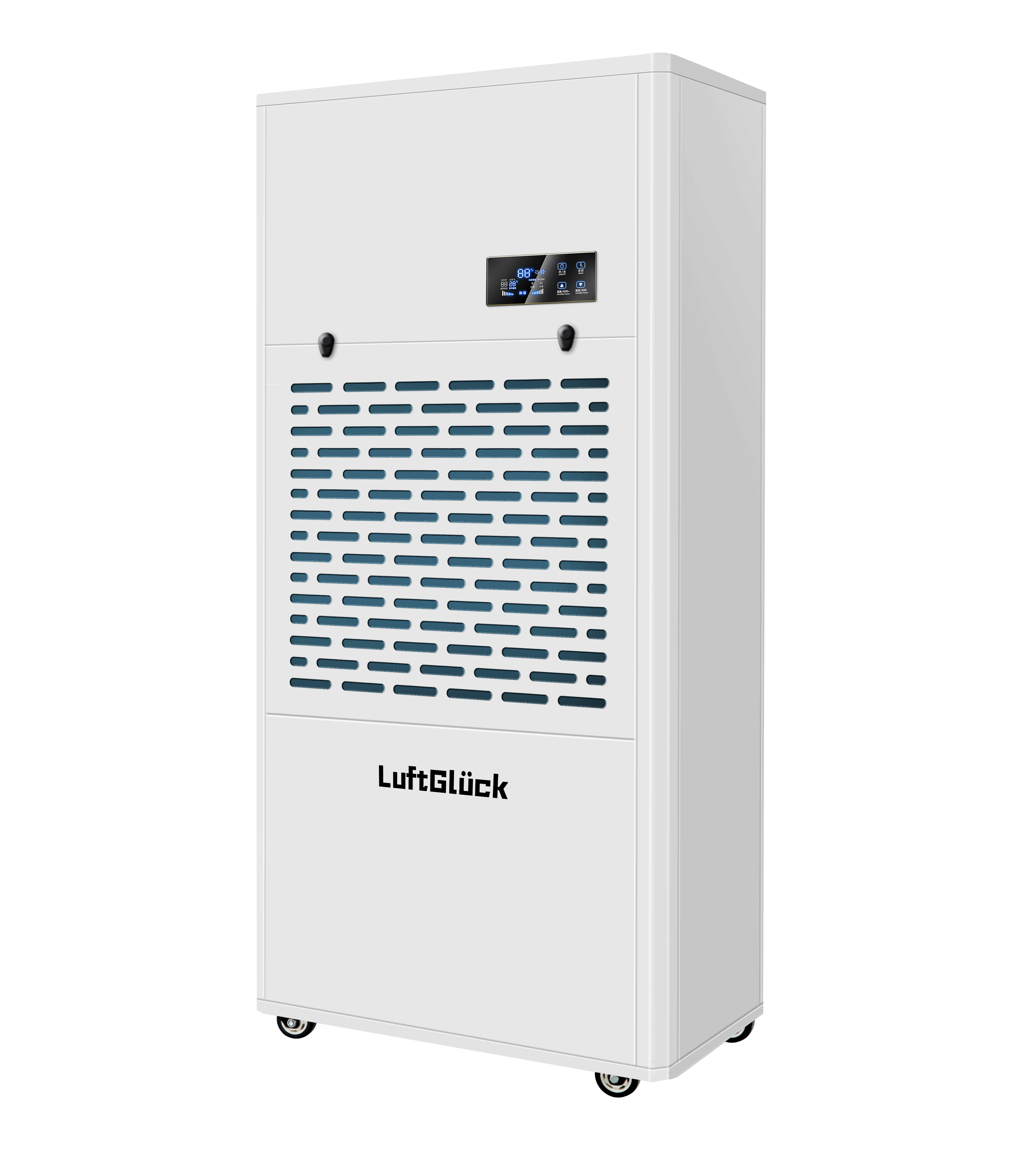
Indoor gardening has become increasingly popular as more people recognize the benefits of cultivating plants within their living and working spaces. However, maintaining optimal growing conditions indoors presents unique challenges, particularly when it comes to managing humidity levels and air circulation. A dehumidifier for plants serves as an essential tool in creating the ideal microenvironment that promotes healthy plant growth while preventing common issues associated with excessive moisture. Understanding how these specialized devices work and their impact on air circulation can help indoor gardeners achieve better results and maintain thriving plant collections.
Understanding the Science Behind Plant Humidity Requirements
Optimal Humidity Levels for Different Plant Species
Different plant species have varying humidity requirements that directly influence their growth patterns and overall health. Tropical plants typically thrive in environments with 60-80% relative humidity, while succulents and cacti prefer much lower levels around 30-40%. A dehumidifier for plants allows precise control over these conditions, enabling gardeners to create specialized zones for different plant types. When humidity levels exceed the optimal range, plants may experience reduced transpiration rates, which can lead to poor nutrient uptake and stunted growth.
The relationship between humidity and plant physiology extends beyond simple moisture levels in the air. Plants regulate their internal water balance through stomatal control, and excessive humidity can cause these microscopic pores to remain closed longer than necessary. This phenomenon reduces the plant's ability to exchange gases efficiently, potentially limiting photosynthesis and overall metabolic processes. By implementing a dehumidifier for plants, gardeners can maintain consistency in environmental conditions that support optimal stomatal function.
Impact of Excess Humidity on Plant Health
High humidity environments create favorable conditions for various plant diseases, particularly fungal infections that can devastate indoor gardens. Powdery mildew, botrytis, and other moisture-loving pathogens thrive when relative humidity consistently exceeds 70%. These diseases often begin on leaf surfaces where water vapor condenses, creating micro-environments that support pathogen development. A properly configured dehumidifier for plants helps maintain humidity levels below the threshold where these diseases typically establish themselves.
Root rot represents another significant concern in high-humidity environments, as excessive moisture in both air and soil creates anaerobic conditions that promote harmful bacterial growth. When air circulation is poor and humidity remains elevated, the soil surface may remain wet for extended periods, creating perfect conditions for root pathogens. The strategic use of a dehumidifier for plants not only reduces airborne moisture but also helps create air movement that assists in soil moisture management and root zone health.
Mechanisms of Air Circulation Enhancement
Creating Pressure Differentials
Modern dehumidifier for plants systems operate by creating subtle pressure differentials that naturally encourage air movement throughout growing spaces. As these devices extract moisture from the air, they create localized areas of slightly lower humidity that draw moisture-laden air from surrounding areas. This process establishes gentle air currents that circulate around plant foliage, preventing stagnant air pockets that can harbor disease-causing organisms. The continuous movement of air also helps maintain more uniform temperature distribution throughout the growing environment.
The intake and exhaust functions of a dehumidifier for plants work together to create a circulation pattern that extends beyond the immediate vicinity of the device. As humid air is drawn into the unit, processed air is expelled, creating a convection effect that encourages broader air movement. This circulation helps prevent the formation of microclimates around individual plants where humidity might otherwise accumulate to problematic levels. The result is a more dynamic growing environment that better mimics natural outdoor conditions where air is constantly in motion.
Promoting Transpiration Efficiency
Enhanced air circulation from a dehumidifier for plants directly supports more efficient transpiration processes in plant leaves. When air moves consistently around foliage, it carries away moisture that plants release through their stomata, creating a humidity gradient that encourages continued water uptake from the roots. This process is essential for nutrient transport within the plant, as minerals dissolved in soil water are carried throughout the plant structure during transpiration. Without adequate air movement, this vital process can become sluggish, leading to nutrient deficiencies even in well-fertilized growing media.
The boundary layer of still air that naturally forms around leaf surfaces can become a limiting factor in plant health when air circulation is inadequate. A dehumidifier for plants helps disrupt these boundary layers by maintaining gentle but consistent air movement, allowing plants to regulate their internal water balance more effectively. This improved regulation leads to better overall plant vigor, more robust growth rates, and increased resistance to environmental stresses that might otherwise compromise plant health.
Strategic Placement and Installation Considerations
Positioning for Maximum Effectiveness
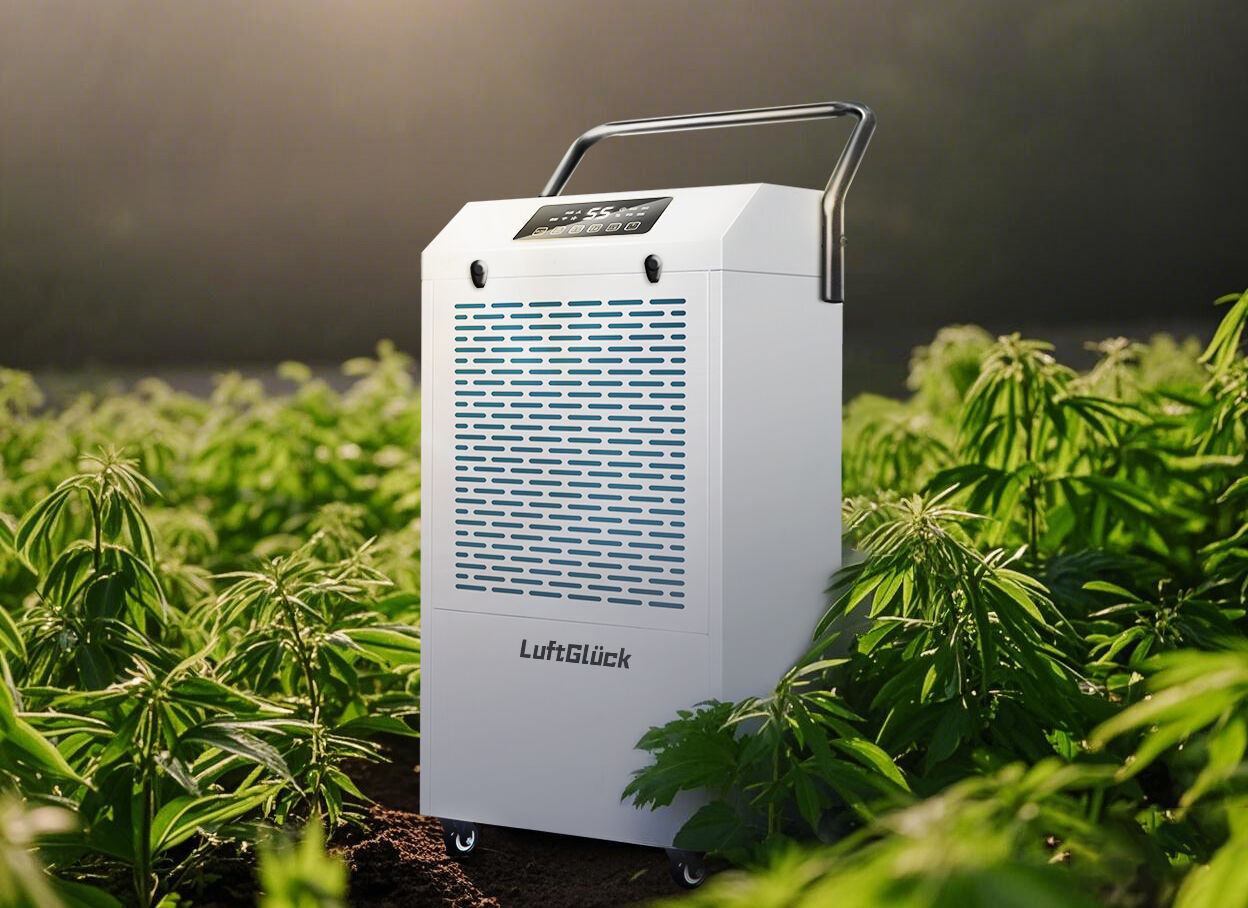
The placement of a dehumidifier for plants requires careful consideration of room layout, plant arrangement, and natural air flow patterns within the growing space. Optimal positioning typically involves placing the unit where it can draw humid air from the densest plant areas while directing processed air toward areas where circulation is naturally limited. Corner placements often work well because they allow the device to create circulation patterns that sweep across multiple plant zones before returning to the intake area.
Height considerations play a crucial role in maximizing the effectiveness of a dehumidifier for plants, as warm, humid air naturally rises while cooler, drier air settles toward ground level. Positioning the unit at mid-level height, roughly at the same level as the majority of plant foliage, allows for optimal air processing and circulation. This placement strategy ensures that the device addresses humidity issues where they most commonly occur while creating air movement patterns that benefit the greatest number of plants in the growing space.
Integration with Existing Ventilation Systems
When incorporating a dehumidifier for plants into spaces with existing ventilation systems, careful coordination is essential to avoid conflicting air flow patterns that might reduce overall effectiveness. The device should complement rather than compete with existing air movement, working together to create comprehensive circulation throughout the growing area. This integration often requires adjusting the positioning or operation schedules of both systems to achieve optimal synergy.
Natural ventilation sources such as windows, doors, and passive air vents should be considered when planning dehumidifier placement and operation. A dehumidifier for plants can work more efficiently when it has access to some fresh air input, but excessive outside air infiltration can overwhelm the device's capacity in humid climates. Finding the right balance between fresh air exchange and humidity control often requires some experimentation and adjustment based on seasonal conditions and local climate patterns.
Technology Features That Enhance Air Movement
Variable Speed Fan Systems
Advanced dehumidifier for plants models incorporate variable speed fan systems that allow users to adjust air movement intensity based on specific growing conditions and plant requirements. These systems can operate at lower speeds during sensitive growth periods or when plants are stressed, while providing more aggressive air movement during periods when rapid humidity reduction is necessary. The ability to fine-tune air circulation helps create optimal conditions for different plant species with varying air movement tolerances.
Multi-directional air flow capabilities in modern dehumidifier for plants units help distribute processed air more effectively throughout growing spaces. These systems often include adjustable louvers or multiple outlet points that allow users to direct air flow toward specific areas where circulation is most needed. This targeted approach helps address problem areas where humidity tends to accumulate while avoiding excessive air movement around sensitive plants that might be damaged by strong air currents.
Smart Humidity Monitoring and Response
Intelligent humidity monitoring systems in contemporary dehumidifier for plants units provide real-time feedback that enables automatic adjustments to air circulation patterns. These systems can detect humidity variations in different areas of the growing space and adjust fan speeds or operational cycles accordingly. The result is more consistent environmental conditions that support optimal plant health while minimizing energy consumption through efficient operation cycles.
Integration with smartphone apps and smart home systems allows remote monitoring and control of dehumidifier for plants operations, enabling users to adjust settings based on changing conditions or plant growth stages. These connected systems often include data logging capabilities that help users track humidity patterns over time, identifying trends that might indicate the need for adjustments in plant care routines or environmental management strategies.
Benefits Beyond Humidity Control
Disease Prevention and Plant Health
The air circulation enhancement provided by a dehumidifier for plants extends far beyond simple moisture removal, creating conditions that actively prevent the development of plant diseases. Fungal spores require specific conditions to germinate and establish infections, including stagnant air and consistently high moisture levels. By maintaining air movement around plant foliage, these devices help prevent the conditions that allow pathogens to gain a foothold, resulting in healthier plants with stronger natural disease resistance.
Improved air circulation also supports the plant's natural defense mechanisms by helping maintain optimal leaf surface conditions. When leaves remain dry and are exposed to gentle air movement, they can more effectively deploy their natural antimicrobial compounds and maintain the waxy protective coatings that serve as barriers against disease organisms. A dehumidifier for plants helps create these optimal conditions consistently, reducing the need for chemical disease prevention treatments that might be harmful to both plants and indoor air quality.
Enhanced Photosynthesis and Growth Rates
The improved air circulation generated by a dehumidifier for plants directly supports more efficient photosynthetic processes by ensuring adequate carbon dioxide availability around leaf surfaces. Stagnant air can create localized areas where carbon dioxide becomes depleted, limiting the plant's ability to produce energy through photosynthesis. Consistent air movement helps maintain optimal gas exchange, supporting robust growth rates and healthier plant development.
Temperature regulation benefits from enhanced air circulation also contribute to improved plant performance, as even small temperature variations can significantly impact metabolic processes. A dehumidifier for plants helps eliminate hot spots and cold areas that might otherwise stress plants or create uneven growth patterns. This temperature uniformity supports consistent growth rates across all plants in the growing area, resulting in more predictable and successful gardening outcomes.
FAQ
How often should a dehumidifier for plants operate during different seasons
The operating schedule for a dehumidifier for plants should vary based on seasonal humidity changes and indoor heating or cooling system operation. During summer months with high outdoor humidity, the unit may need to run continuously or for extended periods to maintain optimal conditions. Winter operation typically requires less frequent cycling, as heating systems naturally reduce indoor humidity levels. Most modern units include automatic humidity sensing that adjusts operation based on current conditions, but manual adjustments may be necessary during extreme weather conditions or when growing particularly sensitive plant species.
Can a dehumidifier for plants be too powerful for small growing spaces
Yes, oversized dehumidifier for plants units can create problems in small growing spaces by reducing humidity levels too rapidly or creating excessive air movement that might stress sensitive plants. The key is selecting a unit with appropriate capacity for the space size and the ability to adjust output levels. Most manufacturers provide sizing guidelines based on room volume and typical plant loads. Variable speed controls and adjustable humidity settings allow users to fine-tune operation for optimal results without over-processing the air in smaller spaces.
What maintenance requirements are typical for plant-focused dehumidifiers
Regular maintenance for a dehumidifier for plants includes cleaning or replacing air filters, emptying water collection tanks, and periodically cleaning the internal coils and fan components. Filter maintenance is particularly important in plant environments where organic particles and pollen may accumulate more quickly than in typical residential applications. Most units benefit from monthly filter cleaning and quarterly deep cleaning of internal components. Water tank cleaning with mild antimicrobial solutions helps prevent bacterial growth that could affect both device performance and air quality in the growing space.
How does room size affect the air circulation benefits of plant dehumidifiers
Room size significantly impacts how effectively a dehumidifier for plants can enhance air circulation, with larger spaces requiring more powerful units or multiple devices for optimal coverage. In smaller rooms, a single well-positioned unit can create comprehensive circulation patterns that benefit all plants. Larger spaces may require strategic placement of multiple units or supplementary fans to ensure adequate air movement reaches all growing areas. The ceiling height also affects circulation patterns, with higher ceilings requiring units with greater air movement capacity to create effective circulation throughout the vertical growing space.