
 EN
EN
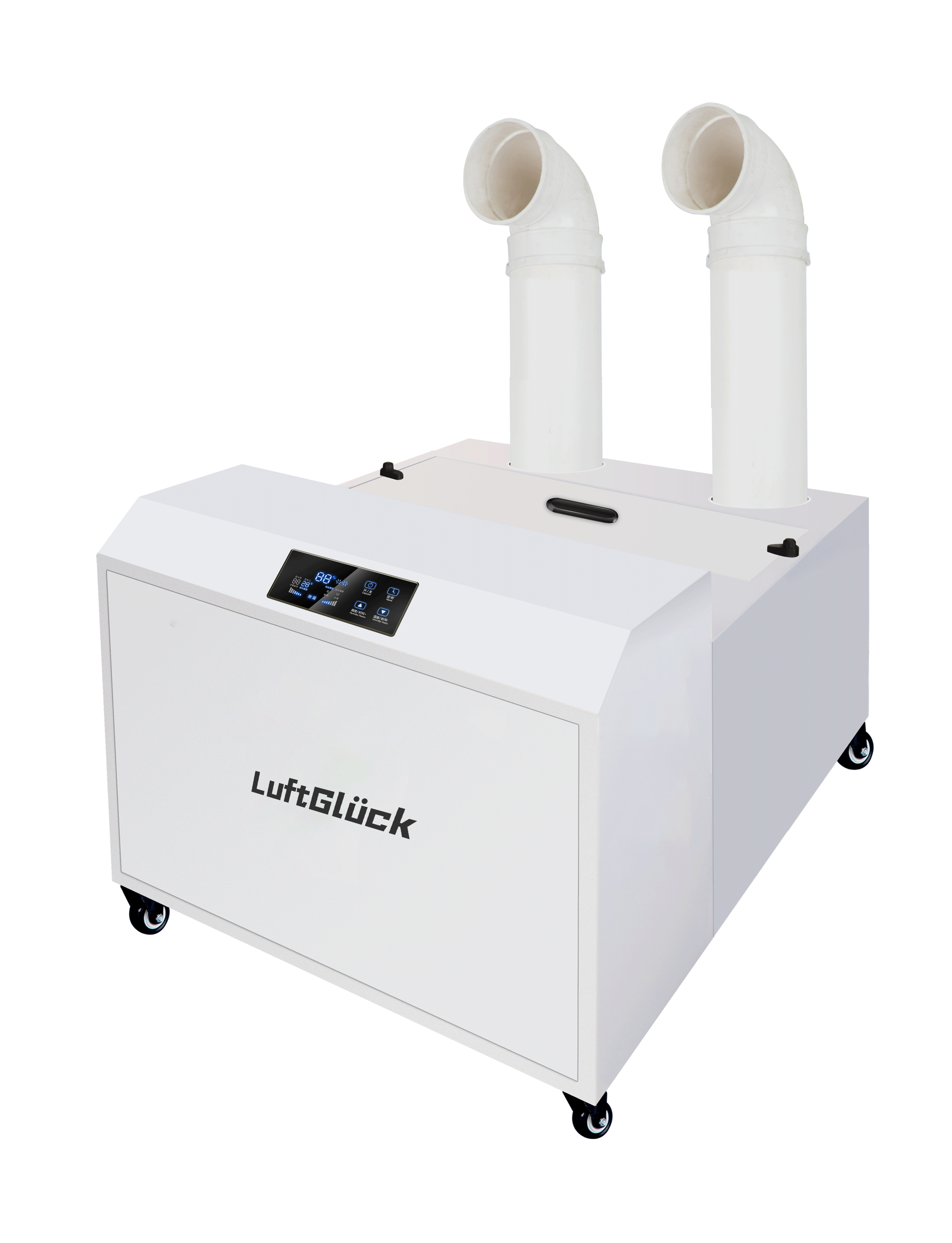
Maintaining optimal humidity levels in commercial and industrial environments requires reliable equipment that operates efficiently year-round. A commercial dehumidifier serves as a critical component in protecting valuable inventory, equipment, and infrastructure from moisture-related damage. Understanding the comprehensive maintenance requirements ensures these systems deliver consistent performance while maximizing their operational lifespan and return on investment.
Professional-grade dehumidification systems demand systematic maintenance approaches that differ significantly from residential units. Commercial facilities often operate these systems continuously, processing thousands of cubic feet of air daily while removing substantial moisture volumes. This intensive operation necessitates proactive maintenance strategies that prevent costly downtime and ensure regulatory compliance in sensitive environments such as warehouses, manufacturing facilities, and data centers.
The complexity of modern commercial dehumidifier technology requires technicians to understand various system components, from refrigeration cycles to advanced control systems. Regular maintenance protocols not only preserve equipment functionality but also optimize energy efficiency, reducing operational costs substantially over time. Facilities managers who implement comprehensive maintenance programs typically experience fewer emergency repairs and extended equipment lifecycles.
Essential Filter Maintenance Procedures
Primary Air Filter Management
Air filters represent the first line of defense in any commercial dehumidifier system, capturing particulates, dust, and contaminants before they reach internal components. These filters require regular inspection and replacement based on environmental conditions and usage patterns. High-traffic industrial environments may necessitate weekly filter checks, while cleaner commercial spaces might extend intervals to monthly assessments.
Proper filter maintenance involves more than simple replacement schedules. Technicians must evaluate filter condition, noting color changes, structural integrity, and airflow resistance. Clogged filters force the commercial dehumidifier to work harder, increasing energy consumption and potentially causing system strain. Documentation of filter conditions helps establish optimal replacement intervals specific to each facility.
Different filter types serve various purposes within commercial dehumidification systems. HEPA filters provide superior particle capture but may restrict airflow if not properly maintained. Standard pleated filters offer balanced performance for most applications, while washable filters provide cost-effective solutions for less demanding environments. Understanding filter specifications ensures appropriate selection and maintenance procedures.
Secondary Filtration Systems
Advanced commercial dehumidifier units often incorporate multiple filtration stages, each requiring specific maintenance attention. Secondary filters typically focus on smaller particles and may include activated carbon elements for odor control. These specialized filters demand careful handling during replacement to maintain their effectiveness and prevent contamination of clean system components.
Pre-filters serve as protective barriers for more expensive downstream filtration elements. Regular cleaning and replacement of pre-filters extends the life of primary filters while maintaining system efficiency. This layered approach to filtration requires coordinated maintenance scheduling to ensure all elements receive appropriate attention without disrupting facility operations.
Coil Cleaning and Maintenance
Evaporator Coil Care
Evaporator coils form the heart of dehumidification processes, where moisture extraction occurs through temperature differential principles. These coils accumulate dirt, debris, and biological contaminants that reduce heat transfer efficiency and potentially harbor harmful microorganisms. Regular cleaning prevents these accumulations from compromising system performance and indoor air quality.
Professional coil cleaning requires specialized equipment and techniques to avoid damage to delicate fin structures. High-pressure washing must be carefully controlled to prevent fin deformation, while chemical cleaning agents need proper selection to avoid corrosion or material degradation. The commercial dehumidifier manufacturer specifications provide guidance on approved cleaning methods and frequencies.
Coil inspection involves examining fin condition, checking for frost formation patterns, and assessing refrigerant line connections. Bent fins reduce airflow efficiency and should be straightened using appropriate fin combs. Frost patterns may indicate refrigerant issues, airflow restrictions, or control system malfunctions requiring immediate attention to prevent system damage.
Condenser Coil Maintenance
Condenser coils release heat extracted during the dehumidification process and require different maintenance approaches than evaporator coils. Located in equipment rooms or outdoor environments, these coils face exposure to various contaminants including dust, pollen, and industrial particles. Regular cleaning maintains heat rejection efficiency and prevents system overheating.
External condenser units demand protection from weather elements and physical damage. Protective covers during non-operational periods help prevent debris accumulation, while proper clearances ensure adequate airflow around the unit. Commercial dehumidifier systems with remote condensers require coordination between indoor and outdoor maintenance activities.
Refrigerant System Monitoring
Pressure Testing and Analysis
Refrigerant systems operate under precise pressure conditions that directly impact dehumidification performance and energy efficiency. Regular pressure testing identifies potential leaks, contamination issues, or component failures before they cause system breakdown. Qualified technicians use manifold gauges to measure suction and discharge pressures, comparing readings against manufacturer specifications.
Pressure analysis reveals valuable information about system health and performance trends. Gradually declining suction pressures may indicate refrigerant leaks or evaporator restrictions, while elevated discharge pressures could signal condenser problems or overcharging. These diagnostic insights enable proactive maintenance decisions that prevent costly emergency repairs.
Superheat and subcooling measurements provide additional system performance indicators. These temperature-based calculations help technicians optimize refrigerant charge levels and identify heat transfer inefficiencies. Regular monitoring of these parameters ensures the commercial dehumidifier operates within designed parameters for maximum efficiency and longevity.
Leak Detection and Repair
Refrigerant leaks compromise system performance while potentially violating environmental regulations. Electronic leak detectors, bubble testing, and ultraviolet dye methods help locate leaks in complex piping systems. Early detection prevents refrigerant loss and reduces environmental impact while maintaining system efficiency.
Leak repair procedures must comply with EPA regulations and industry best practices. Proper evacuation and recovery procedures protect remaining refrigerant while preventing atmospheric release. After repairs, systems require proper evacuation to remove air and moisture before refrigerant recharge, ensuring optimal performance and preventing future problems.
Electrical System Maintenance
Control Panel Inspection
Electrical components within commercial dehumidifier systems require regular inspection and maintenance to ensure safe and reliable operation. Control panels house sensitive electronic components that manage system functions, including humidity sensors, temperature controls, and safety devices. Regular cleaning removes dust and debris that can cause component overheating or false readings.
Electrical connections throughout the system need periodic tightening and inspection for signs of corrosion or overheating. Loose connections create resistance that generates heat, potentially leading to component failure or fire hazards. Infrared thermography helps identify hot spots in electrical systems before they cause problems.
Control system calibration ensures accurate humidity and temperature readings that directly impact dehumidification performance. Sensors may drift over time, causing the commercial dehumidifier to operate inefficiently or fail to maintain desired conditions. Regular calibration using certified reference instruments maintains system accuracy and performance.
Motor and Drive Maintenance
Electric motors powering fans and compressors require specific maintenance attention to ensure reliable operation. Bearing lubrication, alignment checks, and vibration analysis help identify developing problems before they cause motor failure. Variable frequency drives, when present, need additional maintenance including cooling system cleaning and parameter verification.
Motor current analysis provides insights into mechanical loading and electrical system health. Gradual increases in operating current may indicate bearing wear, mechanical binding, or electrical problems requiring attention. Regular monitoring establishes baseline values for comparison during future inspections.
Drainage System Management
Condensate Removal Systems
Effective condensate removal prevents water damage and maintains system efficiency in commercial dehumidifier applications. Gravity drainage systems require proper slope maintenance and drain line cleaning to prevent backups. Pump systems need regular inspection of float switches, pump operation, and discharge lines to ensure reliable water removal.
Biological growth in condensate systems poses health risks and can create objectionable odors. Regular cleaning with appropriate antimicrobial agents prevents algae and bacteria growth while maintaining water flow capacity. Drain pan treatments may be necessary in high-humidity environments where biological growth is particularly problematic.
Condensate quality monitoring helps identify system problems and water treatment needs. High mineral content may indicate air intake issues, while unusual coloration could signal internal corrosion or contamination problems requiring immediate attention.
Trap and Line Maintenance
Drain traps prevent air infiltration that can reduce system efficiency and create pressure imbalances. Regular trap inspection ensures proper water seal maintenance and identifies potential blockages before they cause overflow problems. Commercial installations may require trap primers to maintain seals during low-load periods.
Drainage line routing and support require periodic inspection to prevent sagging or damage that could create low spots where water accumulates. Insulated drain lines prevent condensation formation that could damage building structures or create slip hazards. Proper line sizing ensures adequate flow capacity during peak moisture removal periods.
Performance Monitoring and Documentation
Operating Parameter Tracking
Systematic monitoring of commercial dehumidifier performance parameters enables predictive maintenance strategies and early problem identification. Key metrics include inlet and outlet humidity levels, air temperature differentials, power consumption, and runtime hours. Digital monitoring systems can automatically log these parameters and alert facility managers to unusual conditions.
Trend analysis of historical performance data reveals gradual degradation patterns that might otherwise go unnoticed. Slowly declining efficiency could indicate filter restrictions, coil fouling, or refrigerant leaks requiring attention. Regular analysis helps optimize maintenance schedules and identify components nearing end-of-life conditions.
Benchmarking system performance against manufacturer specifications and industry standards ensures optimal operation. Deviations from expected performance levels trigger investigation and corrective action before minor problems become major failures. This proactive approach minimizes downtime and reduces overall maintenance costs.
Maintenance Record Keeping
Comprehensive documentation of all maintenance activities provides valuable historical information for troubleshooting and warranty claims. Detailed records should include parts replaced, repairs performed, performance measurements, and technician observations. Digital maintenance management systems streamline record keeping while providing easy access to historical information.
Warranty compliance often requires documented proof of regular maintenance performed according to manufacturer specifications. Proper record keeping protects warranty coverage and demonstrates due diligence in equipment care. These records also support insurance claims and regulatory compliance requirements in various industries.
Seasonal Maintenance Considerations
Startup and Shutdown Procedures
Seasonal commercial dehumidifier operation requires specific startup and shutdown procedures to prevent damage and ensure reliable operation. Pre-startup inspections include checking electrical connections, refrigerant pressures, and control system function. Gradual startup procedures prevent thermal shock and allow systems to stabilize before full-load operation.
Shutdown procedures for extended non-operational periods include system cleaning, moisture removal, and protective measures against corrosion or pest intrusion. Proper shutdown preparation extends equipment life and reduces startup problems when systems return to service. Documentation of shutdown conditions helps identify changes that occurred during non-operational periods.
Environmental Adaptation
Seasonal environmental changes affect commercial dehumidifier performance and maintenance requirements. High pollen seasons may require more frequent filter changes, while winter conditions could impact outdoor condenser units. Adaptive maintenance schedules account for these seasonal variations to maintain optimal performance year-round.
Extreme weather events require special preparation and post-event inspection procedures. Storm preparations may include securing outdoor equipment and ensuring backup power systems are operational. Post-storm inspections check for physical damage, electrical problems, and water intrusion that could affect system operation.
FAQ
How often should commercial dehumidifier filters be replaced
Filter replacement frequency depends on environmental conditions and system usage patterns. Most commercial applications require monthly filter inspection with replacement every 1-3 months. High-dust environments may necessitate weekly changes, while clean environments might extend replacement intervals to quarterly. Regular pressure drop monitoring provides the most accurate indication of when filters need replacement regardless of time intervals.
What are signs that a commercial dehumidifier needs professional maintenance
Key warning signs include unusual noises, reduced dehumidification capacity, increased energy consumption, water leaks, or failure to maintain desired humidity levels. Ice formation on coils, frequent cycling, or error codes on digital displays also indicate maintenance needs. Any change in normal operation patterns warrants professional inspection to prevent more serious problems.
Can facility staff perform basic commercial dehumidifier maintenance tasks
Facility staff can safely perform basic maintenance tasks such as filter replacement, visual inspections, and cleaning external surfaces. However, tasks involving refrigerant systems, electrical components, or internal cleaning require certified technicians with proper training and equipment. Establishing clear guidelines about what tasks staff can perform versus those requiring professionals helps maintain safety while optimizing maintenance efficiency.
What documentation is required for commercial dehumidifier maintenance compliance
Maintenance documentation should include service dates, tasks performed, parts replaced, performance measurements, and technician certifications. Many industries require specific record retention periods and reporting formats. Digital maintenance management systems help ensure compliance with documentation requirements while providing easy access to historical maintenance records for audits or warranty claims.